Hear from Our Customers
You stop wondering if that crack is letting water into your walls. You stop watching your energy bills climb because cold air is slipping through gaps you can’t even see. You stop worrying about what the next hailstorm is going to do to your home’s exterior.
Fixing cracked vinyl siding in Salem, NH isn’t about making your house look better—though it does. It’s about keeping water, rot, and pests out of your wall cavities. It’s about maintaining the insulation value that keeps your heating costs reasonable during New England winters.
When siding is installed right and repaired correctly, it does its job quietly. No leaks. No drafts. No surprise repair bills because a small crack turned into a structural problem. That’s what you’re paying for—protection that actually protects.
We’ve spent years working on homes in Salem, NH—which means we’ve seen what happens when siding fails during ice storms, nor’easters, and those random July hailstorms that come out of nowhere. We know the climate here. We know the materials that hold up and the ones that don’t.
New Hampshire has dealt with 21 confirmed billion-dollar weather disasters since 1980. Eleven of those were winter storms. Your siding takes a beating here, and we’ve been repairing the damage long enough to know what actually works. We’re not experimenting on your home—we’re using methods that have already proven themselves through dozens of New England winters.
You’re not hiring a national chain that doesn’t understand Salem’s weather patterns. You’re hiring people who’ve been doing this locally, consistently, and correctly.
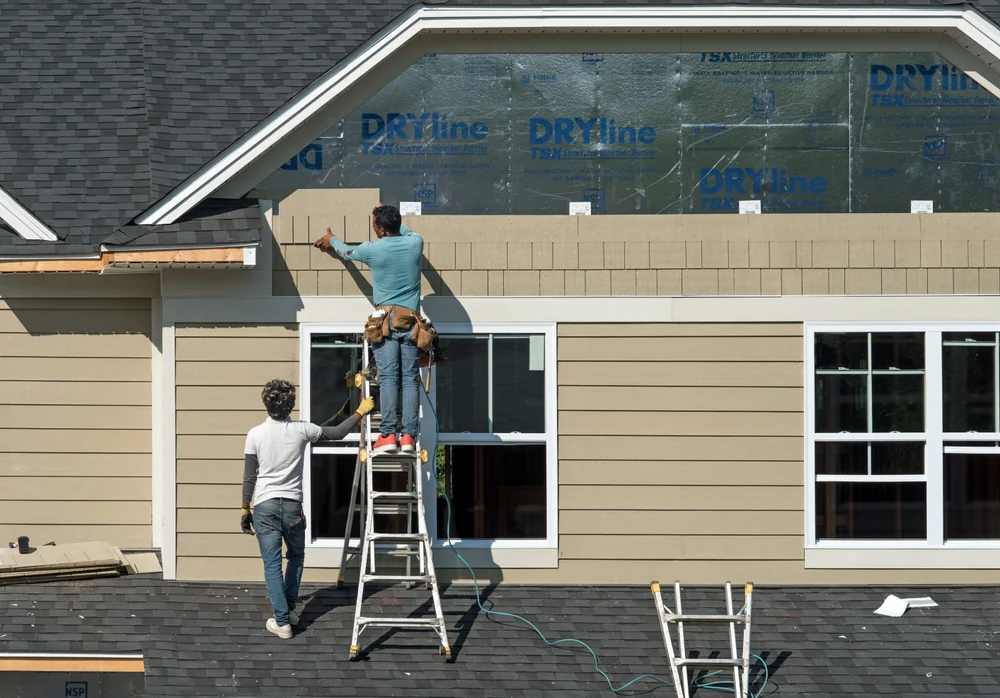
First, we inspect the obvious damage and then check for what you can’t see—water infiltration behind panels, compromised insulation, early signs of rot. Most siding problems start small and spread quietly. We find them before they get expensive.
Next, we match your existing siding. Matching old siding colors in Salem, NH is harder than it sounds because UV exposure fades everything differently depending on which side of your house it’s on. We don’t just grab something close—we actually match it so the repair doesn’t announce itself to everyone who drives by.
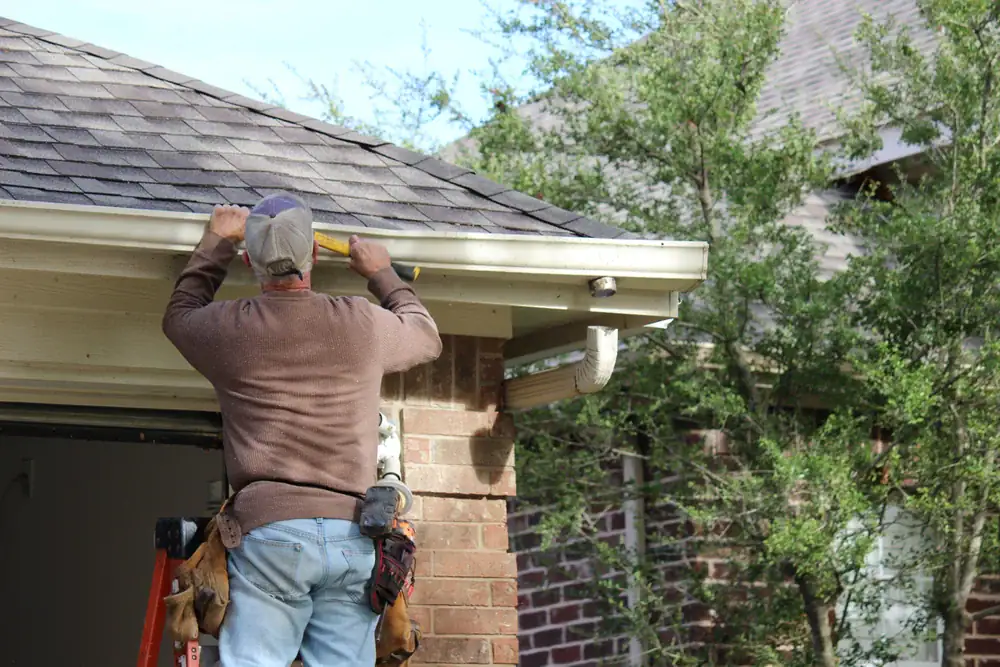
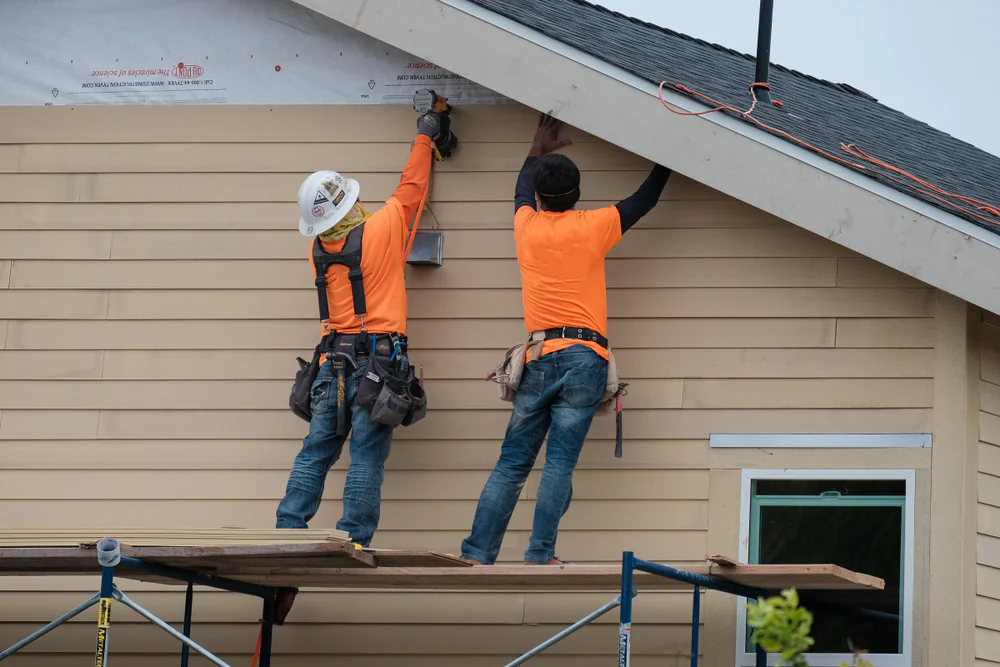
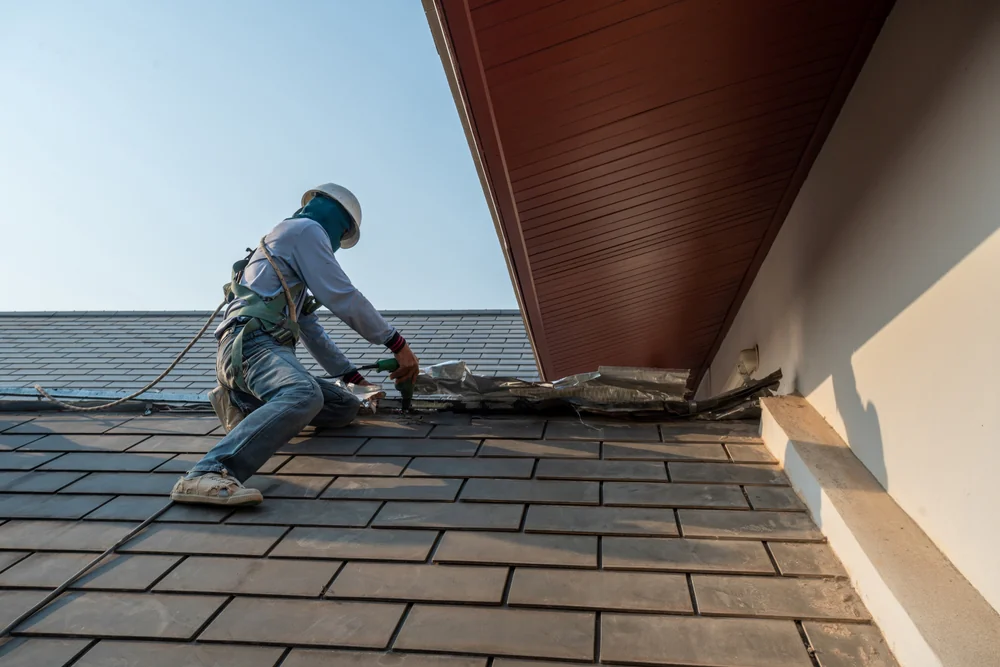
Then we remove the damaged sections, check the underlying structure for moisture damage, replace any compromised materials, and install new panels using proper sealing techniques. Warped siding repair in Salem, NH requires more than just swapping boards—it means figuring out why they warped in the first place and fixing that issue so it doesn’t happen again.
Finally, we seal everything correctly so water stays outside where it belongs. Most siding problems trace back to improper installation or inadequate sealing. We don’t skip that part.
Ready to get started?
You get a full damage assessment that documents everything for your insurance claim if you need one. Hail damage siding in Salem, NH often qualifies for coverage, but only if it’s documented correctly. We know what adjusters look for and we photograph everything.
You get access to premium materials—CertainTeed Monogram and MainStreet siding that’s engineered for New England weather, not generic vinyl that cracks in cold temperatures. These products come with actual warranties and they’re designed to handle freeze-thaw cycles without failing.
You get color matching that doesn’t look like a patch job. You get proper sealing that prevents the moisture infiltration that causes 27.6% of homeowner insurance claims according to the Insurance Information Institute. And you get installation that follows manufacturer specs, which is the only way those warranties stay valid.
Storm damage siding repair in Salem, NH also means emergency response when you need it. When a branch punches through your siding during a storm, waiting three weeks for an appointment means water is getting into your walls for three weeks. We respond faster than that.
Siding repair cost in Salem, NH typically runs around $919 on average, but that number moves depending on what’s actually wrong. Minor fixes like replacing a few cracked boards might cost $75 to $200. Widespread storm damage or partial replacement can hit $16,330 if the underlying structure needs work too.
Most contractors charge about $26 per square foot when you factor in labor and materials. But here’s what matters more than the average—what’s driving your specific cost. If you’re just patching visible damage without addressing why it happened, you’ll pay again in two years. If hail dented your siding but also compromised the insulation behind it, ignoring that part means higher energy bills until you fix it right.
Insurance sometimes covers storm damage, hail damage, and sudden events—but not wear and tear or neglect. If your damage came from last week’s hailstorm, document it now and file quickly. If it’s been slowly warping for five years, that’s on you. We can walk you through what’s likely covered and what isn’t before you call your adjuster.
Yes, but it’s not always perfect, and here’s why. Siding fades unevenly depending on sun exposure, and south or west-facing walls in Salem, NH take the most UV damage. Your 15-year-old tan siding isn’t the same tan it was when it was installed—it’s lighter, maybe chalky, and it faded at different rates depending on which side of the house we’re talking about.
We match as closely as possible by comparing samples in natural light and working with manufacturers who keep older color lines available. Sometimes we can get exact matches. Sometimes we’re matching to the current faded state, not the original color. And sometimes the best solution is replacing an entire wall section so everything ages together going forward.
Matching old siding colors in Salem, NH is part science, part art. We’ve done it enough times to know what’s realistic and what’s not. If a perfect match isn’t possible, we’ll tell you that upfront and explain your options—because a visible patch is better than water damage, but you should know what you’re getting before we start.
For emergencies—like a tree branch punched through your siding and rain is getting in—we can usually get temporary protection in place within hours and full repairs scheduled within days. Storm damage siding repair in Salem, NH spikes after major weather events, so calling immediately gets you in the queue before we’re booked out for weeks.
For non-emergency repairs, expect a few days to a week for scheduling, then one to three days for the actual work depending on how much we’re replacing. Small repairs happen fast. Full-wall replacements take longer, especially if we find underlying moisture damage that needs addressing first.
Hail damage siding in Salem, NH requires quick action for another reason—insurance claims. Most policies require prompt reporting of storm damage. If you wait six months and then try to file, they’ll argue it’s wear and tear, not sudden damage. We document everything immediately so your claim has the best chance of approval. The faster you call after a storm, the stronger your claim and the faster we can get your home protected again.
Warped siding usually means heat buildup or improper installation. If you have a window or grill that reflects concentrated sunlight onto your siding, that heat can warp vinyl even on a 70-degree day. Dark-colored siding absorbs more heat and warps more easily. And if the installer nailed the panels too tight, the siding can’t expand and contract like it’s supposed to—so it buckles instead.
Cracked siding typically comes from impact damage, extreme cold, or UV degradation. Hail, baseballs, and lawn equipment crack siding. Older vinyl gets brittle in freezing temperatures and cracks when something hits it. And after years of sun exposure, the material breaks down and loses flexibility, making it more prone to cracking during temperature swings.
Fixing cracked vinyl siding in Salem, NH means replacing the damaged sections, but also figuring out the cause. If we just swap the cracked board without addressing the reflection issue or the installation problem, you’ll have the same crack again next year. We look for patterns—multiple cracks in the same area usually point to an underlying issue, not bad luck.
If your current siding has gaps, cracks, or missing sections, then yes—repairing it will reduce air infiltration and help your insulation actually do its job. Homeowners with insulated siding save upward of 20% on annual energy bills compared to non-insulated options, but only if the siding is intact and properly sealed.
The bigger issue is what’s happening behind damaged siding. When water gets into your wall cavity, it compromises your insulation’s R-value. Wet insulation doesn’t insulate. So even if your siding looks mostly fine from the street, moisture infiltration from a few small cracks can be quietly killing your heating efficiency all winter.
Warped siding repair in Salem, NH often reveals insulation that’s been wet for months or years. Replacing the siding without addressing the soaked insulation means you’re still losing heat. We check for that during repairs because fixing the visible problem without fixing the hidden one doesn’t actually solve what you’re paying for—a home that holds temperature and costs less to heat.
Yes. We document damage, photograph everything, provide detailed estimates, and communicate directly with adjusters when needed. Most homeowners’ policies cover sudden events like hail damage, wind damage, and storm impacts—but not gradual wear or maintenance issues you’ve been ignoring for years.
The key is timing and documentation. If last night’s hailstorm dented your siding, we document it today and you file this week. If you wait until next spring, the insurance company will question whether it’s really from that storm or from something else. We’ve worked with enough claims in Salem, NH to know what adjusters approve and what they fight.
We also know what’s not covered, and we’ll tell you that upfront. If your siding is failing because it’s 30 years old and was installed incorrectly, insurance won’t pay for that. But if a covered event caused the damage, we make sure you have everything you need to file a strong claim—and we don’t inflate estimates or play games that get claims denied. We just document what’s actually damaged and let the policy terms do their job.