Hear from Our Customers
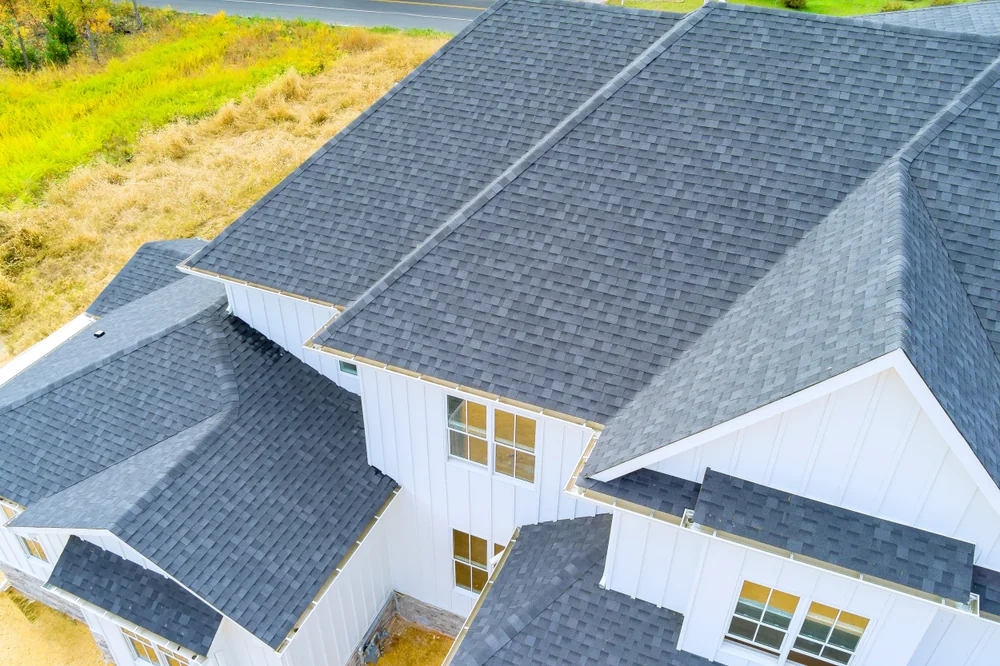
You stop worrying about what’s happening behind the walls. No more drafts creeping through in January. No more watching your energy bills climb because your home can’t hold temperature. No more soft spots that make you wonder if water’s getting in.
Good siding does more than look clean from the street. It keeps moisture out, keeps your HVAC from working overtime, and protects your biggest investment from New England weather that doesn’t take days off.
When your siding replacement is done right, you’re not calling someone back in two years to fix buckling panels or rotted trim. You’re getting decades of performance with materials built for high winds, heavy snow, and the kind of temperature swings that crack inferior products. That’s what exterior home remodeling in Newfields, NH should deliver—results that last as long as you own the house.
We’ve spent over a decade working on homes across New Hampshire and Massachusetts. We’re not new to what weather does to siding in this region, and we’re not learning on your property.
Newfields homeowners have high standards. The median home value here reflects that. When you’re protecting a significant asset in a community where 95.9% of housing is owner-occupied, you need contractors who understand what’s at stake. We do commercial siding work and residential projects, so we’ve seen every scenario—from storm damage repairs to full exterior upgrades on historic properties.
We’re fully insured and licensed. We use materials like fiber cement and premium vinyl that actually hold up. And we don’t disappear after installation.
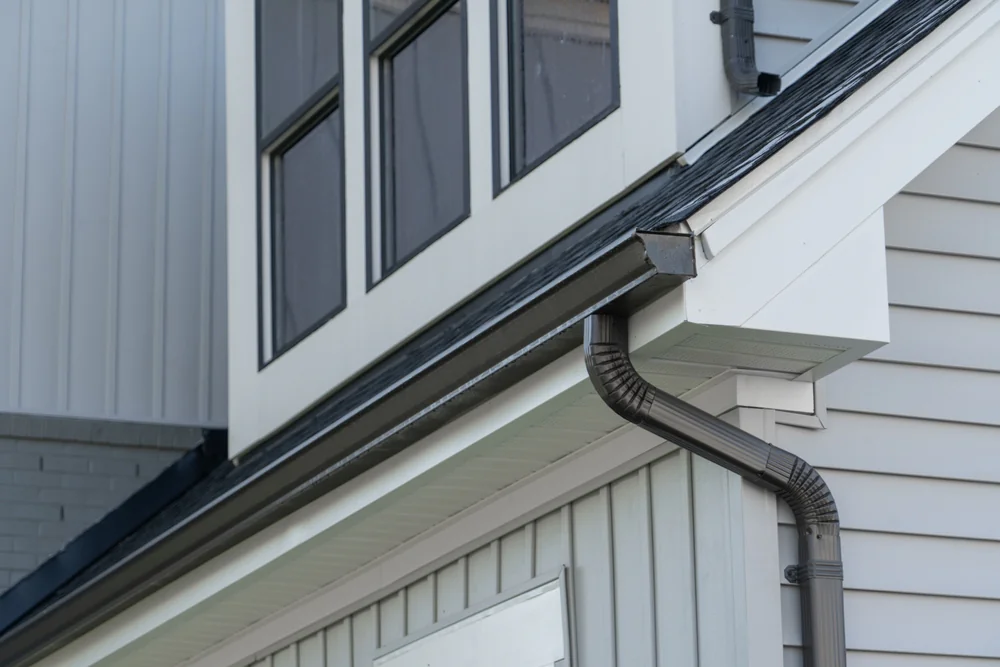
First, we come out and look at what you’re dealing with. We check for damage you can see and damage you can’t—moisture behind panels, rot around windows, insulation gaps. You get a free siding estimate in Newfields, NH with actual numbers, not ranges.
Once you’re ready to move forward, we schedule the work around your timeline. We remove old siding carefully to avoid damaging sheathing or trim. We inspect the underlayment and replace anything that’s compromised. Then we install your new siding with proper flashing, sealing, and fastening—the details that separate a five-year job from a thirty-year job.
After installation, we walk the property with you. You see the finished work up close. We clean up completely. No nails in the driveway, no debris left behind. You’re left with siding that’s straight, sealed, and ready to handle whatever weather comes next. If you ever have questions down the road, you call us. We’ve been around since 2012, and we’ll still be here.
Ready to get started?
You’re getting more than new panels on the outside of your house. Every siding project includes a full inspection of your existing exterior, removal and disposal of old materials, and any necessary repairs to sheathing or framing before new siding goes up.
We handle both residential and commercial properties in Newfields, NH. For homes, that means vinyl, fiber cement, wood, and composite options in colors and textures that match your style. For commercial buildings, we’re working with materials that meet code requirements and stand up to high-traffic areas and exposure.
In a town where the median household income is over $191,000 and homeowners expect quality, we’re installing products that reflect that standard. Fiber cement siding returns between 76% and 86% of project costs at resale. Insulated options cut energy costs in a climate where you’re heating six months a year and cooling two. And proper installation means you’re not dealing with callbacks, warranty claims, or hidden problems that show up after the first winter.
You also get access to maintenance services after installation. Siding needs occasional cleaning and inspection to catch small issues before they become expensive ones. We’re set up to handle that for commercial clients who need scheduled service and residential customers who’d rather not climb a ladder.

Look for soft spots when you press on the siding. That’s rot, and it means moisture has been getting behind the panels for a while. Check for cracks, warping, or panels that have pulled away from the house—those let water in with every rain.
If your siding is 20 to 30 years old, it’s near the end of its lifespan regardless of how it looks. Fading color, peeling paint, or bubbling are surface signs of deeper problems. Mold or mildew along seams means water is sitting where it shouldn’t.
Repairs make sense for isolated damage—a few cracked panels after a storm, a small section that took a hit from a fallen branch. But if you’re seeing multiple issues across different areas, or if your energy bills have climbed without explanation, replacement is usually the smarter move. You’re paying to fix the whole problem, not just patch symptoms that’ll come back.
Fiber cement handles freeze-thaw cycles better than anything else. It won’t crack in cold snaps or warp in summer heat. It’s also fire-resistant and doesn’t attract insects, which matters more than people think when you’re dealing with carpenter ants and moisture.
Vinyl is a solid choice if you want low maintenance and good performance at a lower cost. High-quality vinyl with proper installation holds up to wind and snow without the upkeep that wood requires. Just make sure you’re getting heavy-gauge panels, not the thin stuff that buckles.
Wood looks great and works well if you’re willing to maintain it. That means repainting or staining every few years and staying on top of any moisture issues. Composite materials give you the wood look with less maintenance, but you’re paying more upfront. For most homeowners in Newfields, NH, fiber cement or premium vinyl delivers the best combination of durability, energy efficiency, and return on investment.
Most residential projects take one to two weeks depending on the size of your home and what we find when we remove the old siding. If we’re replacing sheathing or making structural repairs, that adds time.
Weather affects the schedule. We’re not installing siding in heavy rain or when temperatures drop below the manufacturer’s minimum—that compromises adhesion and sealing. We’ll give you a realistic timeline upfront and keep you updated if anything changes.
Commercial projects vary more because of building size and access requirements. A small office building might take two weeks. A larger facility with multiple stories and occupied spaces could take a month or more. We coordinate with your schedule to minimize disruption, and we work in sections so your building stays protected throughout the process.
If your current siding is old or poorly installed, yes. Gaps around panels let conditioned air out and outside air in, which makes your HVAC system work harder. Insulated siding or proper underlayment behind new panels creates a thermal barrier that helps maintain indoor temperature.
The savings depend on what you’re replacing and what you’re installing. Going from 30-year-old vinyl with no insulation to new fiber cement with insulated backing can cut heating and cooling costs by 15% to 20%. That’s real money in a climate where you’re running heat from October through April.
You’ll notice the difference in comfort before you see it on your utility bill. Rooms that were always cold in winter stay warmer. Upstairs spaces that baked in summer heat stay cooler. Your HVAC doesn’t cycle on and off as frequently. Over time, those efficiency gains add up, and you’re also extending the life of your heating and cooling equipment because it’s not working as hard.
We work with insurance companies regularly. If your siding was damaged in a storm, we can document the damage, provide a detailed estimate, and communicate directly with your adjuster to make sure the claim covers what actually needs to be done.
Insurance companies sometimes try to approve repairs when replacement is necessary, or they’ll lowball material costs. We know what proper repairs cost and what full replacement involves, and we’ll back up our estimate with photos, measurements, and manufacturer specifications.
You’re still responsible for your deductible and any upgrades you choose beyond what insurance covers. But we handle the paperwork and the back-and-forth so you’re not stuck between the insurance company and getting your home protected. Storm damage gets worse the longer it sits, so we also offer emergency repairs to secure your home while the claim processes. Once approval comes through, we schedule the full job.
Most residential projects run between $8,000 and $25,000 depending on your home’s size, the material you choose, and what we find when we remove the old siding. Fiber cement costs more than vinyl but lasts longer and returns more at resale. If we’re replacing sheathing or repairing structural damage, that adds to the total.
Commercial projects start higher because of building size, access requirements, and code compliance. A small commercial building might start around $15,000. Larger facilities can run $50,000 or more depending on square footage and material specs.
We give you a free estimate with line-item pricing so you see exactly what you’re paying for. No surprise charges, no vague “per square” numbers that don’t mean anything until the job’s done. You’ll know the cost upfront, and we’ll walk you through options if you want to adjust materials or scope to hit a specific budget. The goal is a number you can plan around, not a range that could go either way.