Hear from Our Customers
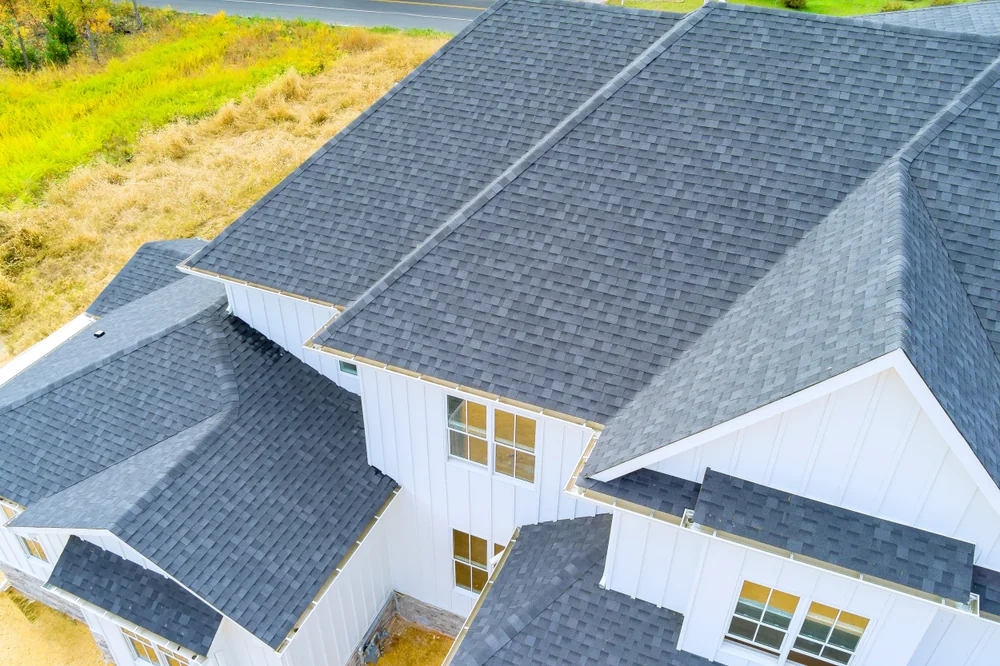
You’re not imagining it. Those energy bills keep climbing because your siding isn’t doing its job anymore. Up to 25% of your home’s energy escapes through inefficient exterior walls, and in Merrimac’s climate, that adds up fast.
New siding changes that. You’ll notice the difference in your first winter when the furnace isn’t running constantly. Your second-floor rooms won’t feel like an icebox in January or a sauna in August. And when you’re ready to sell, you’re looking at an 80% return on investment with vinyl, or even higher with fiber cement.
But here’s what matters more than the numbers. You stop worrying about rot spreading behind your walls. You stop scheduling another weekend to scrape and paint. You get your time back, your comfort back, and a home that actually looks the way you want it to look when you pull into the driveway.
Paradise Remodeling Inc isn’t new to Merrimac or the North Shore. We’ve been handling exterior home remodeling in Merrimac, MA since 2006, which means we know exactly what this climate does to your siding. We’ve seen every type of weather damage, every failed DIY repair, and every shortcut that other contractors tried to hide.
We’re an Owens Corning Preferred Contractor, which isn’t just a badge. It means we meet strict standards for installation quality and customer service. Our BuildZoom score puts us in the top 8% of Massachusetts contractors, and we’re fully licensed and insured.
You’ll work with the same crew from start to finish. No subcontractors showing up who’ve never seen your property before. We’re local, we’re accountable, and we’re not going anywhere after the job is done.
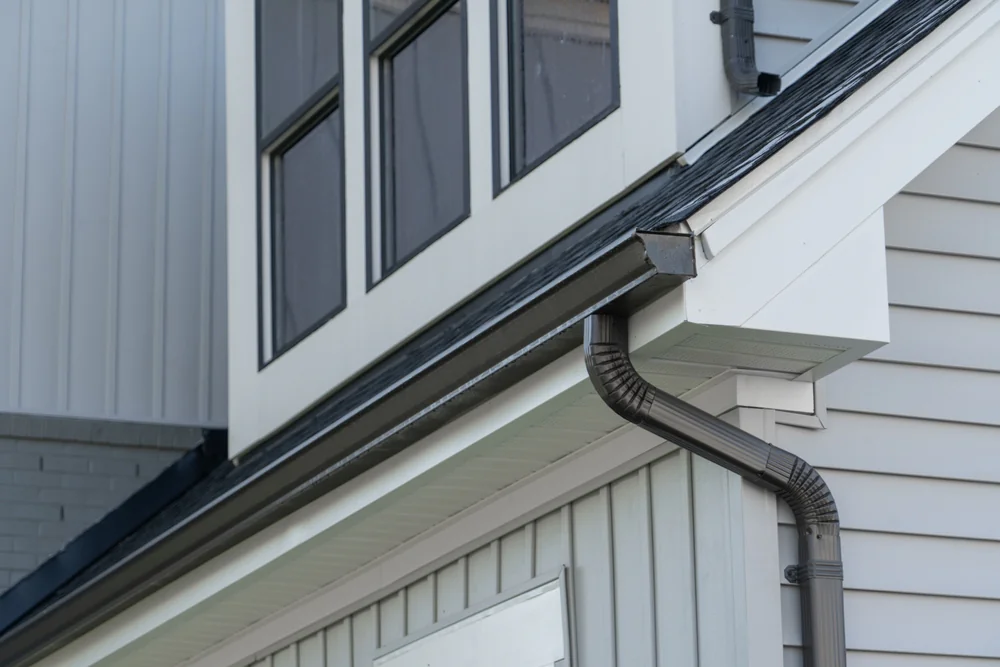
First, we come out to look at your home. Not a sales pitch, just an honest assessment of what’s going on with your siding. We’ll show you the problem areas, explain what’s causing them, and give you a clear estimate with no surprise fees later.
Once you’re ready to move forward, we handle the material ordering and scheduling. We’ll protect your landscaping, remove your old siding carefully, and inspect the sheathing underneath for any damage that needs addressing before new siding goes up.
Installation happens in sections, so your home is never completely exposed. We install proper moisture barriers, ensure correct ventilation, and make sure every piece is secured to manufacturer specifications. Then we clean up completely, haul away all debris, and walk you through the finished work. You’ll get warranty information for both materials and labor, and our number for any questions down the road.
Ready to get started?
We work with vinyl, fiber cement, and engineered wood siding. Each has different advantages depending on your budget, maintenance preferences, and the look you’re going for. Vinyl gives you the lowest maintenance and solid energy efficiency. Fiber cement like James Hardie offers the best durability and holds up to New England winters without warping or cracking.
For Merrimac homes, insulated vinyl is worth considering. The added R-value makes a real difference when temperatures drop below freezing for weeks at a time. You’re not just covering your walls, you’re adding a thermal barrier that your heating system will appreciate.
We handle both residential siding services in Merrimac, MA and commercial projects. Whether it’s a single-family home or a multi-unit building, the process is the same: careful removal, proper preparation, quality installation, and a final result that protects your property for decades. Color trends in Massachusetts are leaning toward coastal blues, charcoal grays, and sage greens, but we’ll help you choose what actually works for your home’s architecture and neighborhood.

Most single-family homes take between five and ten days, depending on size and complexity. A straightforward ranch might be done in a week. A two-story colonial with detailed trim work might take closer to two weeks.
Weather affects the timeline more than anything else. We can’t install siding in heavy rain or when temperatures drop too low for materials to seal properly. In Merrimac, that means summer and early fall are the most predictable seasons for exterior work.
We’ll give you a realistic timeline upfront and keep you updated if anything changes. The goal isn’t to rush through your project. It’s to do it right the first time so you’re not dealing with callbacks or repairs a year later.
Vinyl costs less upfront and requires almost zero maintenance. It won’t rot, it doesn’t need painting, and it holds up well in New England weather. The downside is it can crack in extreme cold and it’s more susceptible to impact damage from hail or flying debris.
Fiber cement costs more but lasts longer. James Hardie siding is engineered specifically for climates like ours, where you get bitter cold winters and hot, humid summers. It won’t warp, it’s fire-resistant, and it can be painted if you want to change colors down the road.
For Merrimac homes, both are solid choices. If you’re planning to stay in your house long-term and want the absolute best durability, fiber cement makes sense. If you want excellent performance at a lower price point and don’t mind replacing it in 30 years instead of 50, vinyl is the smarter play.
If you’re seeing isolated damage in one area from a storm or an impact, repair usually works. But if you’re noticing multiple problems, warping in several spots, or your siding is over 20 years old, replacement is probably the better investment.
Look for these signs: siding pulling away from the house, black or green spots indicating moisture buildup, chalking or fading across large sections, or rising energy bills that don’t match your usage. Those all point to siding that’s reached the end of its useful life.
We’ll give you an honest assessment. If repair makes sense, we’ll tell you. But we won’t patch a failing system just to collect a service fee when you’ll be calling us back in six months for more problems. Sometimes the most cost-effective solution is to replace it once and be done with it.
Yes, but how much depends on what you’re replacing and what you’re installing. If your current siding has gaps, poor insulation, or moisture damage, you’re losing conditioned air constantly. New insulated vinyl siding can reduce that heat loss by up to 25%.
In Merrimac’s climate, where you’re heating for six months and cooling for three, that adds up. Most homeowners see a noticeable difference in their first full year, especially if we’re also addressing air sealing and moisture barriers during installation.
The ROI isn’t just about utility savings. It’s also about comfort. Rooms that were always too cold or too hot become livable. Your HVAC system doesn’t have to work as hard, which extends its lifespan. And when you sell, energy-efficient improvements are a selling point that buyers actually care about.
Yes, and we work with insurance companies regularly. After a major storm, document the damage with photos before you touch anything. Then call us for an assessment. We’ll identify all the damage, not just what’s obvious from the ground, and provide a detailed estimate you can submit to your insurance adjuster.
Storm damage usually involves more than just the siding. We check for impacts to trim, soffit, fascia, and the moisture barrier underneath. Wind-driven rain can cause problems you won’t see until months later if they’re not addressed during the repair.
We handle both emergency repairs to secure your home immediately and full restoration once your claim is approved. The key is acting fast. Water damage gets worse the longer it sits, and insurance companies want to see that you mitigated the problem promptly.
Late spring through early fall gives you the most predictable weather and the best conditions for installation. Materials need specific temperature ranges to seal properly, and you want dry conditions for at least a few days after installation.
That said, we work year-round when weather permits. If you need siding replaced in winter because of damage or a failed system, we can do it. We just have to be more selective about timing and watch the forecast closely.
Summer is peak season, which means longer lead times. If you’re planning a project and you’re flexible on timing, booking in late fall for spring installation often gets you better availability. But if your siding is failing now, don’t wait. The damage happening behind failing siding is more expensive to fix than the inconvenience of scheduling during busy season.