
Hear from Our Customers
Your siding takes a beating in Wenham. Between the coastal humidity rolling in from the North Shore and the freeze-thaw cycles every winter, mold and mildew don’t just grow—they thrive. And once they’re feeding on your siding, you’re looking at rot, warping, and expensive repairs that could’ve been avoided.
Regular siding maintenance in Wenham, MA isn’t about making your house look nice for the neighbors. It’s about stopping small problems before they become structural nightmares. A crack you ignore this spring becomes water damage behind your walls by next winter.
Here’s what changes when you stay on top of it: your siding lasts decades instead of needing replacement in 15 years. Your energy bills stay lower because your insulation isn’t compromised. And if you ever sell, buyers see a home that’s been cared for—not one that’s been neglected.
Cleaning vinyl siding the right way removes the organic growth that breaks down the material. It protects your manufacturer warranty. And it keeps moisture where it belongs: outside your walls, not inside them.
We work throughout Essex County, and we’ve seen what happens when siding maintenance gets put off. Wenham homes face specific challenges—shade from mature trees, humidity from being close to the coast, and winters that test every seam and joint.
We’re not the crew that shows up with a pressure washer and calls it done. We use soft washing techniques that clean without damaging, and we know how to spot early signs of trouble that most homeowners miss until it’s too late.
You’re not hiring a national franchise that doesn’t know the area. You’re working with a local team that understands how Massachusetts weather impacts your home and what it takes to keep siding in good shape here.
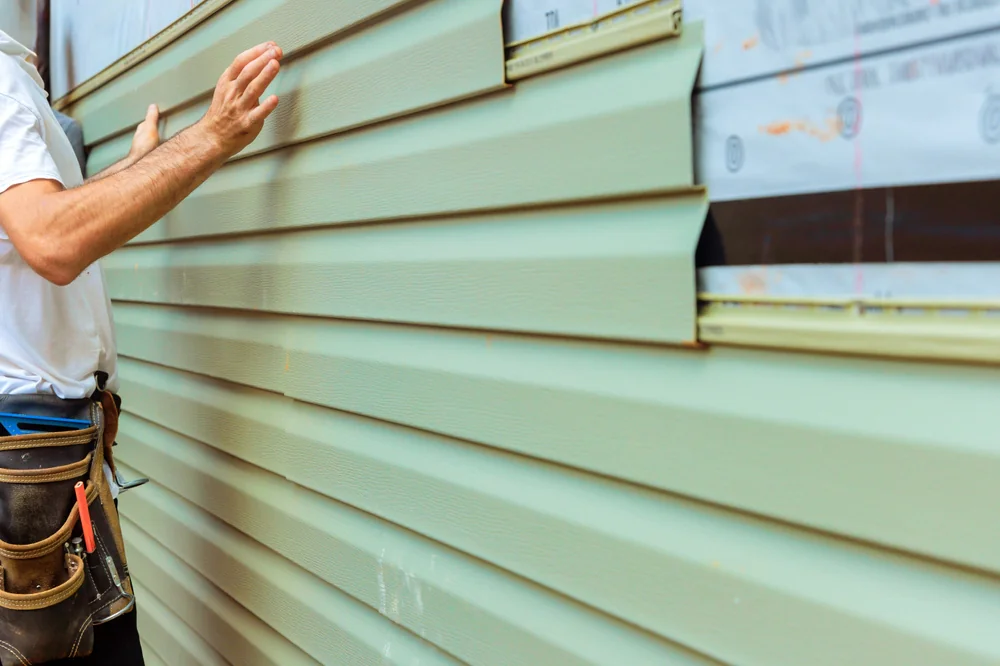
We start with a siding inspection checklist that covers what most people overlook: loose panels, cracked caulking, areas where water might be getting behind the material. If there’s damage, you need to know about it before we clean—not after.
Next comes the actual cleaning. We use a soft washing method for vinyl siding, which means low pressure and the right cleaning solution to kill mold and mildew at the root. Power washing vs soft washing isn’t even a debate for siding—high pressure drives water behind panels and voids warranties. Soft washing gets the same results without the risk.
We focus on problem areas: the north side of your house where sun never hits, under eaves where moisture sits, around downspouts where algae builds up. Those spots need more attention than a quick rinse.
After cleaning, we do a final walkthrough. You’ll see what we found, what we fixed, and what you should keep an eye on. If there’s an issue that needs a repair beyond cleaning, we’ll tell you exactly what it is and why it matters.
Ready to get started?
Our siding maintenance in Wenham, MA covers the full exterior: cleaning vinyl siding on all sides of your home, mold and mildew removal from shaded areas, and a detailed inspection to catch damage early.
Wenham’s climate makes this necessary more often than you’d think. Homes near wooded areas or with limited sun exposure need cleaning every six months. Even homes in full sun should get maintenance at least once a year—Massachusetts humidity doesn’t take summers off.
We also check caulking around windows and doors, inspect seams and joints for separation, and look for any signs that water is getting where it shouldn’t. A lot of moisture problems start at the siding level, and catching them early saves you from dealing with interior damage later.
You’ll get a clear explanation of what we did, what condition your siding is in, and how long you can expect it to hold up before the next service. No upselling, no scare tactics—just honest information about what your home needs.
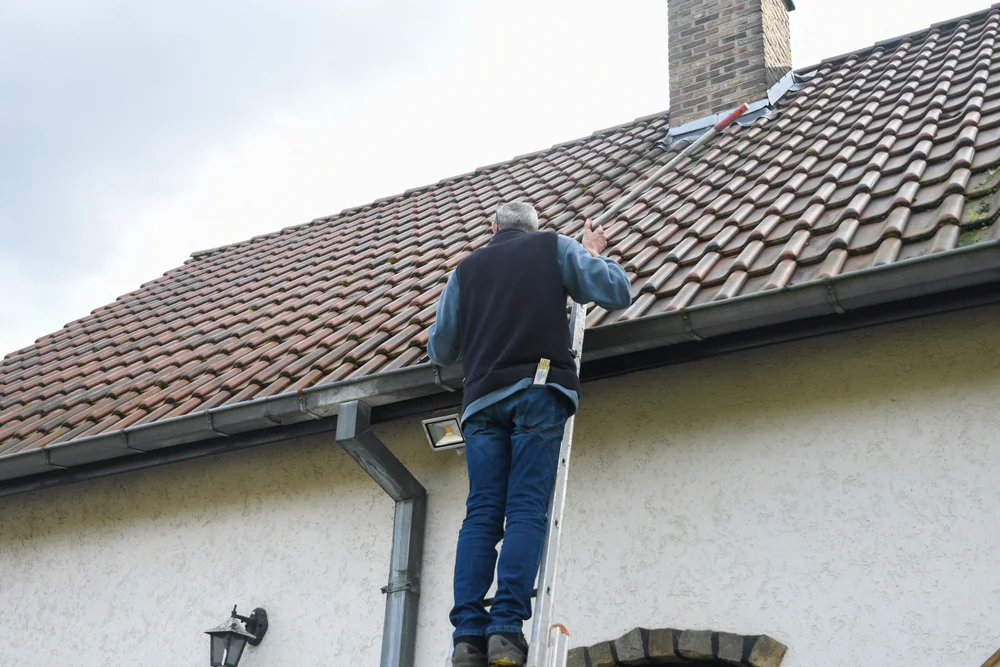
Most Wenham homes need professional siding maintenance once a year. If your house sits in heavy shade, backs up to woods, or stays damp from poor drainage, plan on twice a year.
Massachusetts humidity accelerates mold and mildew growth, especially on north-facing walls that never fully dry out. Waiting longer than a year means you’re giving organic growth time to work its way into the material, which makes cleaning harder and increases the chance of permanent staining or damage.
Spring and fall are ideal times. Spring cleaning removes everything that built up over winter. Fall maintenance prepares your siding for months of snow, ice, and freeze-thaw cycles that can worsen any existing problems.
Power washing uses high pressure to blast dirt off surfaces. Soft washing uses low pressure and specialized cleaning solutions to kill mold, mildew, and algae without damaging the material.
For vinyl siding, soft washing is the only method that makes sense. High pressure can crack panels, force water behind the siding into your wall cavities, and void manufacturer warranties. It might look clean afterward, but you’ve just created problems you can’t see yet.
Soft washing takes longer and requires the right cleaning agents, but it actually kills the organic growth instead of just knocking it loose. That means your siding stays cleaner longer, and you’re not risking damage to save 20 minutes of labor.
You can clean your own siding if you have the right equipment, know how to mix cleaning solutions correctly, and understand what pressure is safe to use. Most homeowners don’t, which is why DIY siding cleaning causes thousands in damage every year in Massachusetts alone.
The biggest mistakes are using too much pressure, choosing the wrong cleaning products, and missing early signs of damage that turn into expensive repairs. If you’ve got a single-story ranch with easy access, a garden hose and mild detergent can work for light maintenance between professional cleanings.
But if you’re dealing with mold and mildew removal on a two-story home, or you’ve never done this before, the risk isn’t worth it. One wrong move with a pressure washer and you’re looking at cracked siding, water damage, or broken windows.
Look for cracks, warping, loose panels, or areas where caulking has separated from windows and trim. Those are the obvious signs. Less obvious: dark streaks that won’t wash off, soft spots when you press on the siding, or higher energy bills that suggest air is leaking through your walls.
Wenham homes also deal with damage from ice dams and snow load during winter. Check the areas under your roofline in spring—that’s where water backs up and gets behind siding if your gutters overflow or ice builds up.
A professional siding inspection checklist catches things you’d miss: small separations at seams, early signs of rot behind the material, or fasteners that have worked loose and need resetting. If you’re seeing visible damage, there’s usually more happening that you can’t see yet.
Yes, significantly. Vinyl siding that’s maintained properly lasts 30 to 40 years in Massachusetts. Siding that’s ignored might need replacement in 15 to 20 years, sometimes sooner if mold and moisture get out of control.
The math is straightforward: replacing siding costs $14,000 to $22,000 for an average home. Professional cleaning and maintenance costs a few hundred dollars per year. Even if you’re doing it twice a year, you’re spending maybe $1,000 annually to protect a $20,000 investment.
Mold and mildew don’t just sit on the surface—they feed on the material and break it down. Regular cleaning stops that process. Catching small damage early means a $200 repair instead of a $5,000 section replacement. That’s how maintenance extends lifespan: by preventing the big problems that force early replacement.
It can, especially if the mold on your siding is near vents, windows, or anywhere air moves between outside and inside. Mold spores don’t stay put—they travel, and they find their way into your home through any opening available.
Cleaning vinyl siding removes the source of those spores. If you’ve been dealing with musty smells, allergy symptoms that won’t quit, or visible mold around window frames inside your house, exterior mold might be contributing to the problem.
This is particularly common in Wenham because of how humid it stays from spring through fall. Your HVAC system pulls in outside air, and if that air is passing over mold-covered siding first, you’re essentially introducing spores directly into your ventilation. Removing mold from the exterior won’t solve every indoor air quality issue, but it’s a smart step that often makes a noticeable difference.