
Hear from Our Customers
You’re not just keeping your siding clean. You’re stopping small cracks from turning into water damage. You’re catching warped boards before moisture gets behind them. You’re making sure your home stays insulated when temperatures drop below freezing.
South Hampton homes deal with freeze-thaw cycles that crack caulking, wind-driven rain that finds every gap, and humidity that feeds mold growth. When you stay ahead of these issues, your siding lasts years longer than it would otherwise. That means fewer repairs, lower energy bills, and no surprise replacements.
The difference between siding that lasts 20 years and siding that lasts 30 often comes down to whether someone’s actually looking at it once or twice a year. Most homeowners don’t notice the early signs until damage is already spreading. By then, you’re paying for repairs that could’ve been prevented with a simple inspection and cleaning.
We’ve been handling exterior projects across South Hampton, NH and surrounding areas for over a decade. We’re an Owens Corning Preferred Contractor, which means we meet specific standards for quality and service that most contractors don’t.
We focus on siding, roofing, and exterior work because that’s what protects your home from New England weather. Our crews know what to look for when they’re inspecting siding in South Hampton—the specific ways vinyl contracts in winter cold, where moisture tends to collect, and which areas take the most wind exposure.
You’re working with people who understand how homes in this area age and what maintenance actually prevents problems versus what’s just cosmetic.
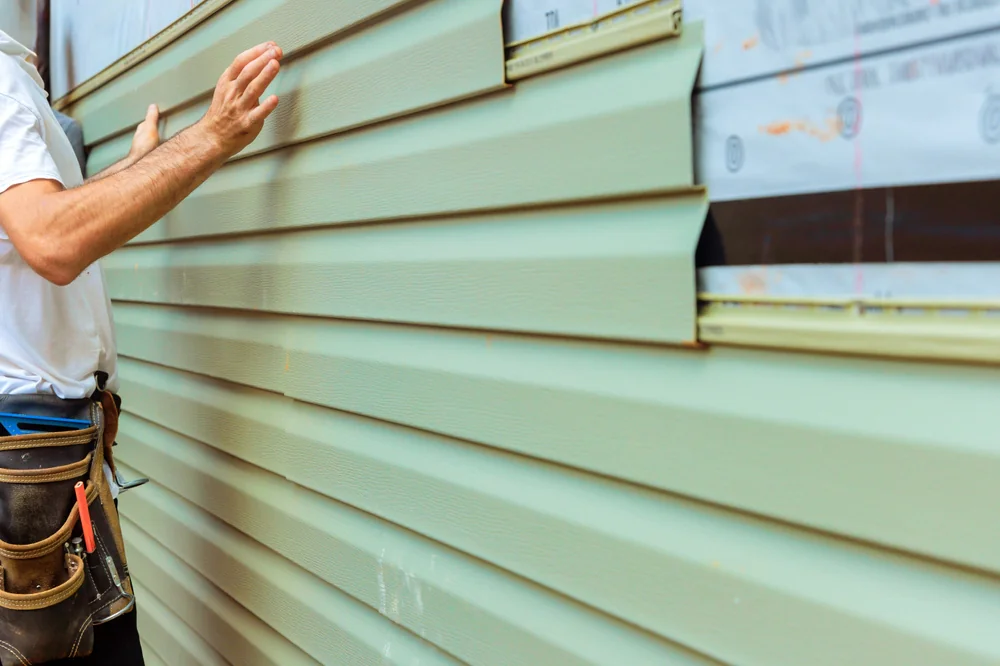
First, we walk your property and inspect every section of siding. We’re looking for cracks, warping, loose panels, failed caulking, and any signs of moisture intrusion. We check around windows, doors, corners, and anywhere two materials meet—that’s where problems start.
Next comes cleaning. For most vinyl siding in South Hampton, we use soft washing rather than high-pressure methods. Soft washing removes dirt, mold, and mildew without damaging the material or forcing water behind the panels. If you’ve got stubborn mold growth, we treat it properly so it doesn’t come back in a month.
After cleaning, we handle repairs. That might mean re-caulking gaps, replacing damaged panels, or fixing areas where water’s been getting in. We also check your trim, fascia, and any transitions between siding types.
You get a clear explanation of what we found, what we fixed, and what you should watch for going forward. If something needs attention in the next year or two, we’ll tell you now so you can plan for it.
Ready to get started?
Our siding maintenance in South Hampton, NH covers the full inspection checklist: visual assessment of all siding surfaces, checking for loose or damaged panels, examining caulking and seals, looking for signs of pest intrusion, and identifying any moisture issues before they spread.
Cleaning vinyl siding is part of every maintenance visit. We remove built-up grime, treat mold and mildew growth, and make sure drainage paths are clear. In South Hampton’s climate, mold grows fast in shaded areas and anywhere moisture sits. Catching it early keeps it from spreading and staining your siding permanently.
We also look at how your siding’s performing as a system. Are there gaps letting cold air in? Is water running off properly or pooling somewhere it shouldn’t? Is the insulation behind your siding still doing its job? These aren’t things you’d notice from the ground, but they affect your energy bills and comfort.
The goal is simple: find problems while they’re still small, fix what needs fixing, and give you a realistic picture of your siding’s condition. Most homes in South Hampton benefit from maintenance once a year, ideally in spring or fall when weather’s cooperative and you can see how the siding handled the previous season.
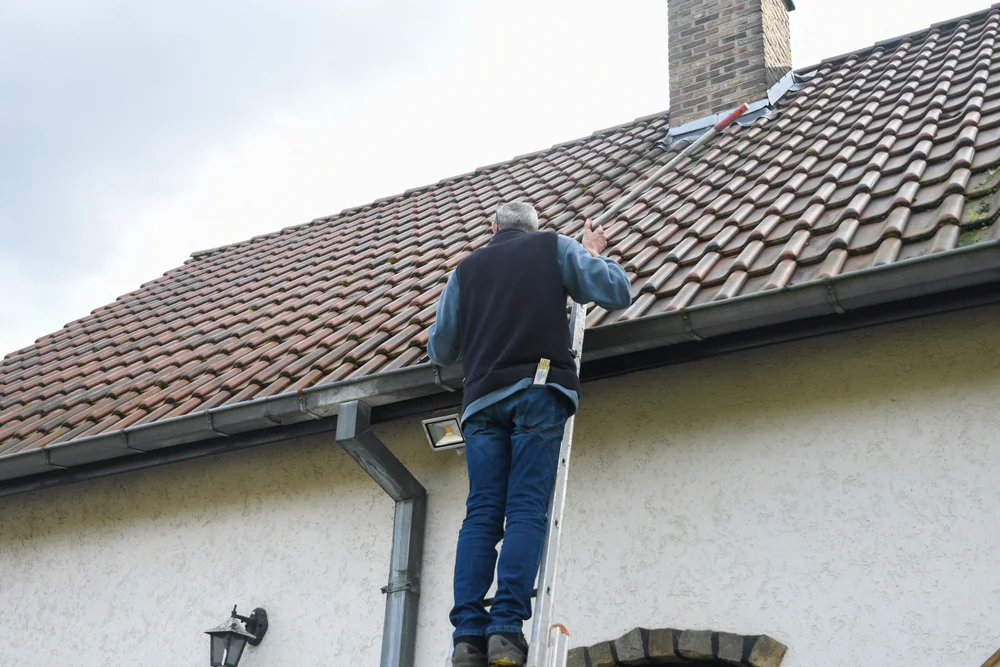
Once a year works for most homes in South Hampton, NH. Spring and fall are ideal because you’re checking for damage after winter’s freeze-thaw cycles or summer’s heat and humidity.
If your home’s in a particularly exposed location—lots of wind, heavy shade that holds moisture, or near trees that drop debris—you might benefit from twice-yearly inspections. Homes with wood siding also need more frequent attention than vinyl because wood responds faster to moisture changes.
The key is consistency. Annual maintenance catches small issues before they become expensive repairs. Skipping a few years often means you’re dealing with rot, mold growth behind panels, or structural damage that could’ve been prevented with a simple inspection and cleaning.
Power washing uses high pressure to blast dirt off. Soft washing uses lower pressure and specialized cleaning solutions to break down grime, mold, and mildew without damaging your siding.
For vinyl siding in South Hampton, soft washing is usually the better choice. High pressure can force water behind your siding panels, crack older vinyl that’s become brittle, or strip away the finish. It’s faster, but it’s also riskier.
Soft washing takes a bit longer but it’s gentler on the material and more effective at killing mold at the root rather than just washing it off the surface. You get cleaner siding that stays cleaner longer, without the risk of creating new problems while trying to fix cosmetic ones.
If the moldy area is smaller than 10 square feet—roughly a 3×3 patch—you can usually handle it yourself with the right cleaner and a soft brush. Anything larger than that, and you’re better off calling professionals.
The EPA sets that 10-square-foot guideline because larger mold growth often means there’s a moisture problem behind the siding, not just surface dirt. Cleaning what you can see doesn’t fix what’s causing it. Professional treatment includes identifying the source, treating the affected area properly, and making sure it doesn’t come back.
In South Hampton’s humid climate, mold spreads quickly in shaded areas and anywhere water doesn’t drain properly. If you’re seeing mold in multiple spots or it keeps coming back after you clean it, that’s a sign you need someone to look deeper than the surface.
Start with cracks, warping, or loose panels—especially around windows, doors, and corners where different materials meet. Those are the spots where water finds its way in first.
Check your caulking. If it’s cracked, peeling, or missing, moisture’s getting behind your siding. Look for any discoloration, bubbling, or soft spots that might indicate water damage. Pay attention to areas that don’t get much sun—that’s where mold and mildew grow fastest in South Hampton’s climate.
Also watch for gaps between panels, especially after winter. Vinyl contracts in cold weather and sometimes doesn’t expand back perfectly in spring. Small gaps turn into bigger problems when wind-driven rain hits them. If you’re not sure what you’re looking at, that’s exactly when to call someone who inspects siding regularly and knows what’s normal wear versus early warning signs.
New Hampshire’s freeze-thaw cycles are tough on every siding material. Water gets into small cracks, freezes, expands, and makes those cracks bigger. By spring, you’ve got damage that wasn’t there in fall.
Vinyl siding contracts in extreme cold and expands in heat. If it wasn’t installed with proper spacing, you’ll see buckling or warping. Wood siding swells with moisture and shrinks when it dries, which is why paint and stain fail faster here than in more stable climates.
South Hampton gets wind-driven rain, heavy snow loads, and humid summers that feed mold growth. Your siding’s dealing with more stress than homes in milder climates, which is why maintenance matters more here. Catching issues after each season—especially after winter—keeps small problems from becoming structural damage that costs thousands to fix.
Yes, significantly. Vinyl siding typically lasts 20-30 years, but proper maintenance can push that closer to 40. Fiber cement can last 50+ years with regular care. Wood siding’s lifespan depends almost entirely on how well it’s maintained.
The difference comes down to catching problems early. A small crack in caulking is a five-minute fix. Ignoring it for two years means water damage, mold growth, and possibly replacing entire sections of siding plus the sheathing behind it.
Regular cleaning prevents mold and mildew from permanently staining or degrading your siding material. Annual inspections catch loose panels before wind tears them off. Maintaining proper drainage keeps moisture from collecting where it causes rot. These aren’t expensive fixes—they’re preventive steps that protect your investment and avoid premature replacement costs.
Other Services we provide in South Hampton