
Hear from Our Customers
You stop wondering if that dark streak is mold. You stop worrying about what last winter did to your clapboard. You get a clear answer about what needs attention now versus what can wait.
Proper siding maintenance means someone who knows Massachusetts weather looks at your exterior with fresh eyes. We catch the small stuff—loose sections, failed caulking, early rot—before it becomes the expensive stuff.
Your siding gets cleaned the right way. Not with a pressure washer that punches holes through vinyl or strips the top layer off wood. Soft washing with biodegradable solutions that remove mold, mildew, and algae without damaging what’s underneath.
You’re not guessing anymore. You know your siding is doing its job: keeping water out, keeping heat in, and protecting the structure behind it from Sherborn’s freeze-thaw cycles and summer humidity.
We’ve spent 18+ years working on homes in Sherborn and throughout Metro West Massachusetts. We’re an Owens Corning Preferred Contractor, which means we meet strict standards for quality and reliability—not just once, but consistently.
We’re licensed, insured, and ranked in the top 8% of Massachusetts contractors by BuildZoom. Our customers mention that we’re prompt, efficient, and straightforward about what needs to be done.
Sherborn homes have character. Many feature cedar shakes, wood clapboard, or premium materials that require careful attention. We understand how to maintain these exteriors without compromising their authentic look or structural integrity. We also know that Massachusetts weather—heavy snow, ice storms, humid summers—tests every surface, and your siding maintenance needs to account for that reality.
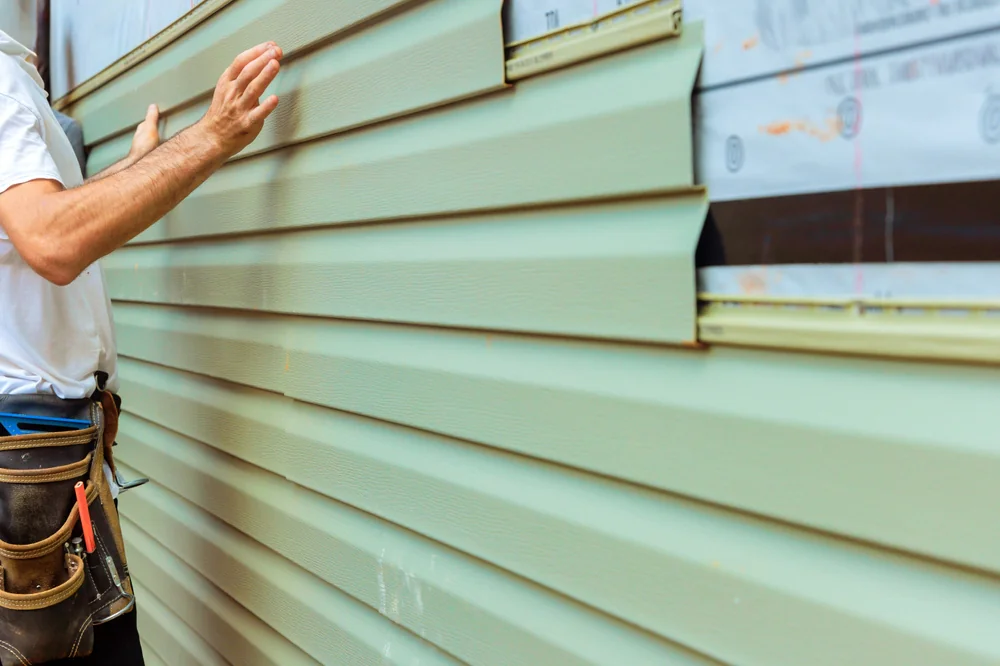
We start with a full siding inspection. We’re looking for cracks, warping, loose sections, failed caulking, and any signs of moisture infiltration. This isn’t a quick walk-around—it’s a detailed checklist that covers every side of your home.
Next comes cleaning. We use soft washing, which applies cleaning solution at low pressure—no stronger than a garden hose. This removes mold, mildew, and algae without forcing water behind your siding or damaging the surface. For stubborn buildup, we use soft-bristled brushes with mild soap and warm water. No high-pressure blasting that voids warranties or creates new problems.
After cleaning, we address what the inspection found. Small repairs get handled: resealing gaps around windows and doors, replacing damaged sections, fixing loose panels. You get a clear explanation of what was done and what (if anything) needs attention down the road.
The goal is simple: your siding stays intact, your home stays protected, and you’re not dealing with emergency repairs because something got missed.
Ready to get started?
You get a complete siding inspection checklist that covers every potential issue: structural damage, moisture problems, mold and mildew growth, loose or missing sections, and caulking failures. We document what we find so you know exactly what you’re dealing with.
Cleaning vinyl siding in Sherborn requires understanding the material and the climate. Vinyl doesn’t rot, but it does accumulate organic growth in Massachusetts’ humid conditions. Our soft washing process removes that buildup without damaging the siding or voiding manufacturer warranties. Wood siding gets treated even more carefully—no aggressive methods that strip protective layers or force water into seams.
Sherborn’s coastal proximity means salt-laden air accelerates deterioration. Regular maintenance catches this early. We check for the specific issues that affect homes in this area: ice dam damage from harsh winters, UV fading from summer sun, and moisture infiltration from heavy rains and humidity.
You also get honest guidance on power washing vs soft washing. High-pressure washing can throw water at 3,000 PSI—enough to punch holes in vinyl or tear the surface off older wood. We use low-pressure methods that clean effectively without creating damage that costs thousands to repair.
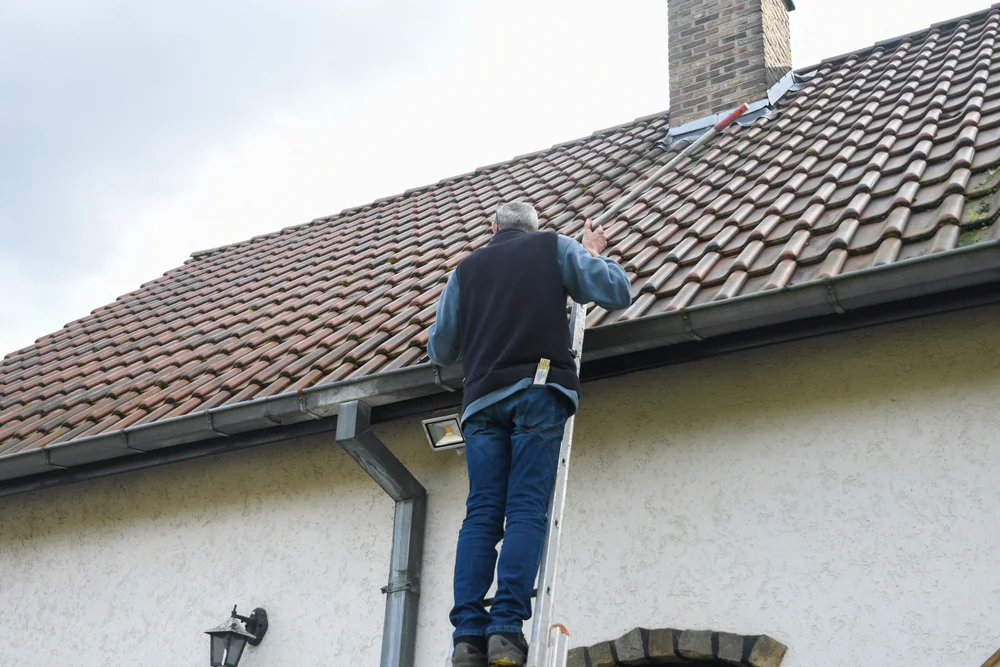
Most Sherborn homes benefit from professional siding maintenance once a year, ideally in spring or early fall. This timing lets you address any damage from winter before summer humidity promotes mold growth, or prepare your siding for the freeze-thaw cycles ahead.
Homes with wood siding, significant tree coverage, or north-facing sections that stay damp may need attention twice a year. Massachusetts weather is particularly hard on exteriors—heavy snow, ice, summer storms, and high humidity all take their toll.
Annual maintenance catches small problems early. A loose panel or failed caulk line is a quick fix in May. By November, that same issue could mean water damage, rot, or mold that requires replacing entire sections. Regular inspections and cleaning extend your siding’s lifespan and prevent the kind of neglect that leads to expensive replacements.
Power washing uses high pressure—often 2,000 to 3,000 PSI—to blast away dirt and grime. Soft washing uses low pressure (similar to a garden hose) combined with specialized cleaning solutions to break down mold, mildew, and algae.
The problem with power washing is the damage it causes. High pressure can punch holes in vinyl siding, force water behind panels, strip protective coatings off wood, and void manufacturer warranties. It’s fast, but it’s also risky, especially on older homes or premium materials common in Sherborn.
Soft washing is slower but safer. The cleaning solution does the work, not the pressure. You get the same clean result without risking structural damage or water infiltration. For vinyl siding, soft washing preserves warranty coverage. For wood siding, it removes organic growth without tearing off the top layer or driving moisture into seams. If a contractor shows up with a high-pressure washer and no discussion of soft washing, that’s a red flag.
Dark streaks, green or black patches, and fuzzy growth on your siding are clear signs of mold or mildew. These usually show up first on north-facing walls, under eaves, or anywhere that stays damp and doesn’t get much sun.
Massachusetts coastal climate creates perfect conditions for organic growth. High humidity, salt air, and temperature swings encourage mold and mildew to take hold. If you see discoloration that doesn’t wash off with a garden hose, you’re likely dealing with more than surface dirt.
Left untreated, mold and mildew don’t just look bad—they cause real damage. They break down siding materials, trap moisture against your home’s structure, and create health risks for anyone with respiratory sensitivities. Professional mold and mildew removal in Sherborn involves soft washing with solutions that kill organic growth at the root, not just temporarily clean the surface. Regular maintenance prevents buildup from becoming a structural or health problem.
You can handle basic vinyl siding cleaning with a soft brush, mild soap, and a garden hose. For light dirt and dust, DIY cleaning works fine. The trouble starts when you’re dealing with mold, mildew, or stubborn stains—or when you rent a pressure washer.
Pressure washers are the biggest risk. Most rentals deliver 2,500+ PSI, which is way too much for vinyl siding. You can crack panels, force water behind the siding, or create leaks that lead to rot and mold inside your walls. We’ve seen thousands of dollars in damage from well-intentioned DIY pressure washing.
Professional siding maintenance in Sherborn means someone with the right equipment, cleaning solutions, and experience handles the job without risking damage. You also get a thorough inspection that catches problems you might miss: loose sections, failed caulking, early signs of moisture damage. If your siding just needs a light wash and you’re confident with a soft brush and hose, go for it. If you’re dealing with organic growth, years of buildup, or considering a pressure washer, call someone who knows how to clean without causing new problems.
A proper siding inspection checklist covers structural integrity, moisture issues, and cosmetic damage. You’re looking for cracks, warping, holes, loose or missing panels, and any signs that water is getting behind the siding.
Check all caulking and seals around windows, doors, corners, and seams. Failed caulk is one of the most common entry points for moisture. Look for mold, mildew, or algae growth, especially on north-facing walls or shaded areas. Inspect for fading, chalking, or other UV damage that indicates your siding is nearing the end of its protective lifespan.
For Sherborn homes, pay special attention to damage from freeze-thaw cycles: cracking near seams, warped panels, or sections that have pulled away from the house. Check for ice dam damage along the roofline and water stains that suggest moisture infiltration. We use moisture meters, check behind problem areas, and identify issues that aren’t visible from the ground. You get a clear report of what needs immediate attention, what to monitor, and what’s still in good shape.
Yes. When your siding is properly maintained—sealed, clean, and structurally sound—it does a better job insulating your home. Gaps, cracks, and failed caulking let conditioned air escape and outside air infiltrate, forcing your HVAC system to work harder.
Siding maintenance includes resealing those gaps and ensuring panels fit tightly against your home’s structure. This reduces air leakage and helps your insulation perform as designed. In Massachusetts, where you’re heating in winter and cooling in summer, that difference shows up in your utility bills.
Mold and mildew also affect energy efficiency. Organic growth traps moisture against your siding, which reduces its insulating properties and can lead to rot that compromises your home’s thermal envelope. Regular cleaning and inspections keep your siding dry, intact, and functioning as an effective barrier against Sherborn’s temperature extremes. Well-maintained siding can last 25 to 40 years in Massachusetts—but only if you’re keeping up with the maintenance that preserves both its appearance and its performance.