Hear from Our Customers
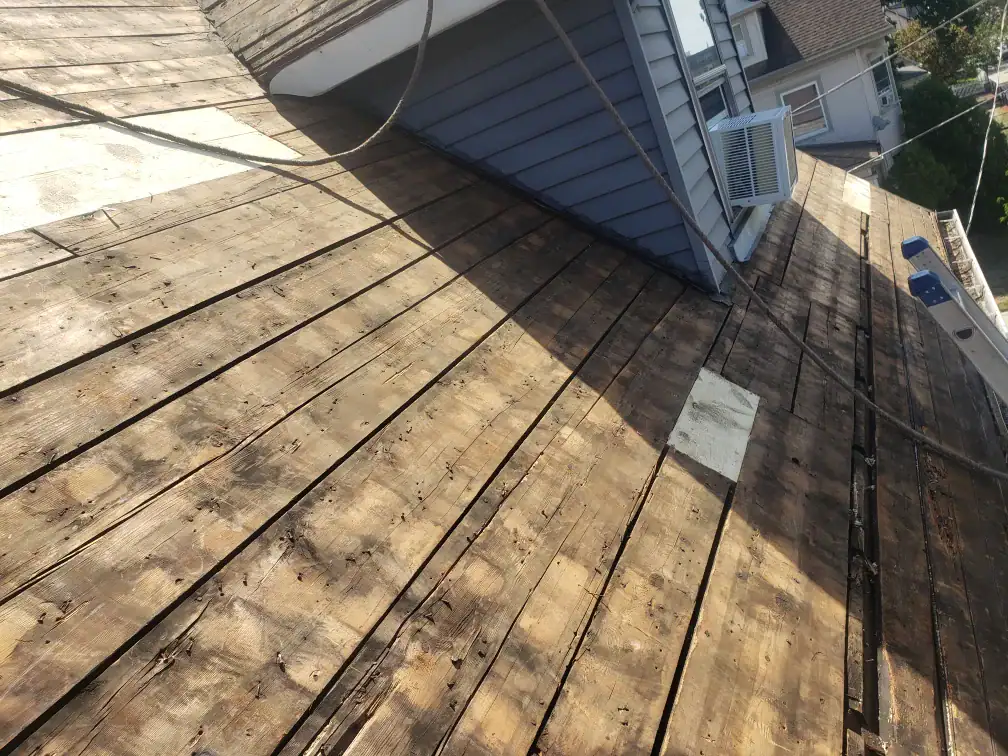
You’re not just washing your house. You’re adding 10+ years to your siding’s lifespan and avoiding the $870 to $16,000 repair bills that come from neglect.
Living this close to the coast means your siding is constantly exposed to salt air and humidity. That combination creates the perfect breeding ground for mold, mildew, and algae—all of which eat away at your siding’s protective surface. Once that happens, water gets in. Then you’re looking at rot, structural damage, and a replacement bill that could’ve been prevented.
Regular maintenance catches these issues early. It removes the contaminants before they cause real damage. It keeps your home looking sharp, protects your property value, and gives you peace of mind that your biggest investment isn’t slowly deteriorating while you’re inside living your life.
Paradise Remodeling Inc isn’t new to coastal New Hampshire. We’ve worked on enough homes in Seabrook to know exactly what salt air, nor’easters, and humid summers do to siding over time.
We’re an Owens Corning Preferred Contractor, which means we meet strict standards that most companies don’t. We’re licensed in Massachusetts (HIC #195972), fully insured, and we don’t cut corners—even when it costs us more. You’ll get straight answers, quality work, and a one-year guarantee on everything we do.
Most importantly, we understand that you’re not looking for the cheapest option. You’re looking for someone who’ll do it right the first time so you don’t have to deal with this again next year.
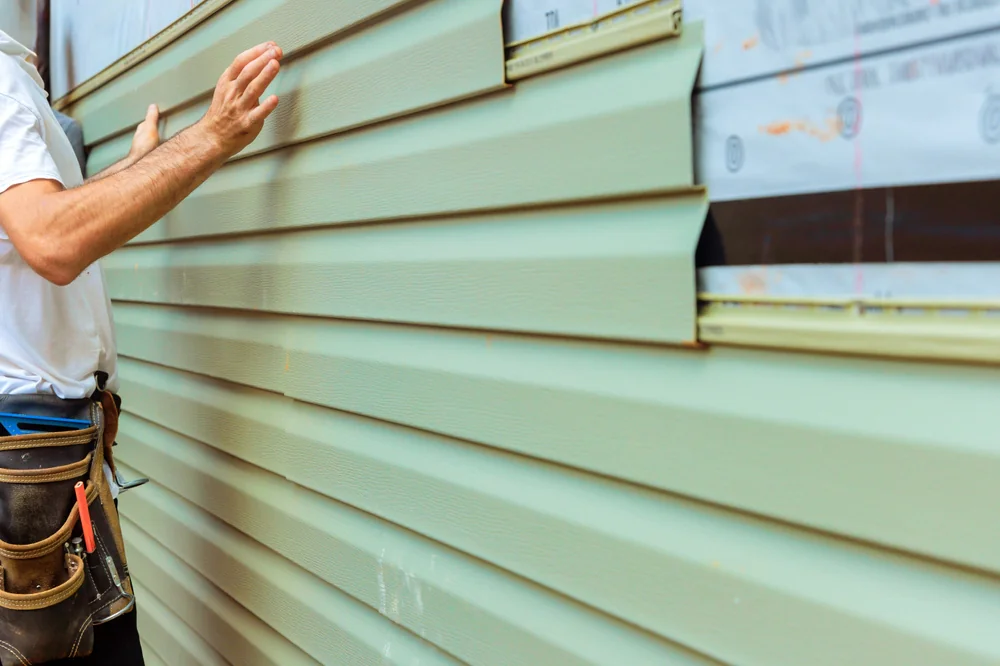
First, we inspect your siding from top to bottom. We’re looking for early signs of damage, mold growth, loose panels, and any areas where water might be getting behind the surface. You’ll know what we find before we touch anything.
Next comes the cleaning. We use soft washing, not high-pressure power washing. Soft washing uses low pressure and specialized cleaning solutions that kill mold, mildew, and algae at the source without damaging your siding. High pressure can force water into places it shouldn’t go—between panels, into your walls, even up into your attic. That’s how small problems become expensive ones.
After cleaning, we do a final inspection to make sure everything’s sealed properly and there are no issues that need attention. If we spot something that needs repair, we’ll tell you what it is, why it matters, and what it’ll cost to fix. No surprises, no upselling—just honest information so you can make the right call for your home.
Ready to get started?
This isn’t just a quick spray-down. You’re getting a full siding inspection checklist that covers every panel, seam, and corner of your home’s exterior. We check for mold, mildew, algae, loose sections, cracks, and any signs that water is getting where it shouldn’t.
The soft washing process we use is specifically designed for Seabrook’s coastal climate. The biodegradable cleaning solutions we apply don’t just remove the visible grime—they kill the spores and bacteria that cause regrowth. That means your siding stays cleaner longer, and you’re not calling us back in six months because the mold came right back.
We also look at the areas most homeowners miss: under the eaves, around windows and doors, near the foundation where splash-back happens. These are the spots where moisture sits and damage starts. Catching problems here early is the difference between a $200 fix and a $5,000 nightmare.
And because we’re local, we know that Seabrook homes deal with specific issues. Homes near the marsh see more moisture. Properties closer to Route 1A get more road salt in the winter. We adjust our approach based on where you are and what your home actually faces.
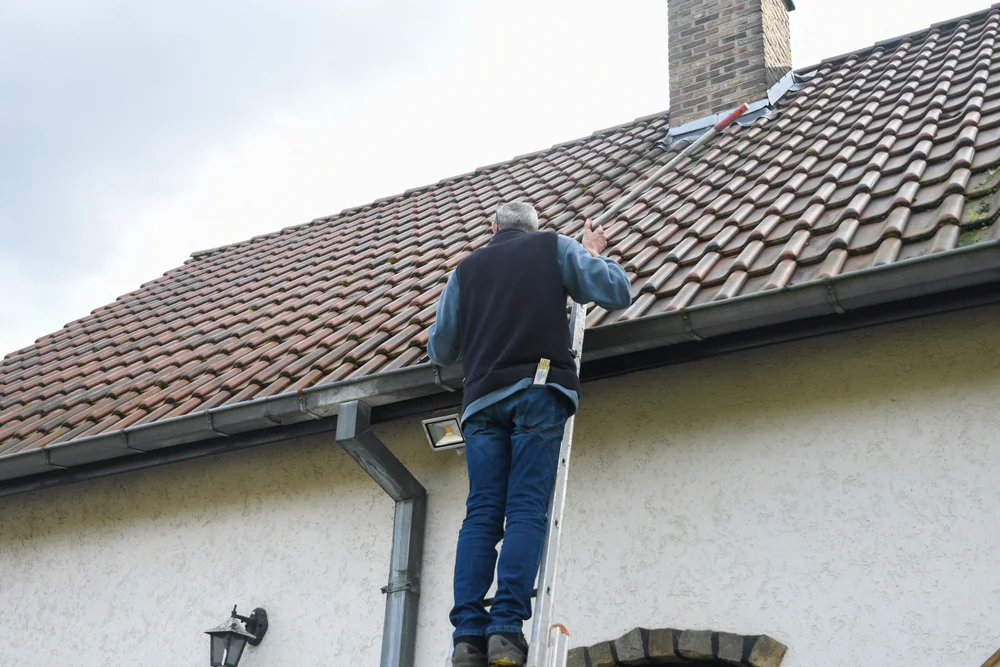
Soft washing is the better choice for vinyl siding, especially in Seabrook’s coastal climate. Power washing uses high pressure that can force water behind your siding panels, leading to trapped moisture, mold growth inside your walls, and even structural damage over time.
Soft washing uses low pressure combined with cleaning solutions that actually kill mold, mildew, and algae at the source. It’s gentler on your siding, safer for your home, and more effective at preventing regrowth. The cleaning solutions do the heavy lifting, not the water pressure.
High-pressure washing can also strip away the protective coating on vinyl siding, making it more vulnerable to UV damage and discoloration. Once that coating is gone, your siding ages faster and you’re looking at replacement sooner than you should be. Soft washing avoids all of that while still getting your siding completely clean.
You should have your siding professionally cleaned at least once a year. Most Seabrook homeowners schedule it in the spring after winter weather has done its damage, but fall cleaning works too if you want to prep your home before the cold months hit.
If your home is closer to the water or surrounded by trees, you might need cleaning twice a year. Salt air accelerates mold and mildew growth, and tree cover keeps your siding damp longer after rain. Both situations mean more frequent maintenance to prevent buildup from causing real damage.
Between professional cleanings, keep an eye out for dark streaks, green or black spots, or any areas that look discolored. Those are early signs of mold or algae, and catching them early means a quicker, cheaper fix. Don’t wait until the problem is visible from the street—by then, it’s already been growing for months.
A thorough siding inspection covers every part of your home’s exterior. We check each panel for cracks, warping, or loose sections that could let water in. We look at the seams and joints where panels meet, because that’s where gaps develop over time and moisture sneaks through.
We inspect around windows, doors, and any penetrations like vents or utility lines. These are high-risk areas for water intrusion, and they’re often the first places where problems start. We also check your soffits, fascia, and the areas near your foundation where splash-back and ground moisture can cause issues.
Mold and mildew removal is part of the process too. We identify any biological growth, figure out why it’s happening in that spot, and address both the growth and the underlying cause. If there’s a drainage issue or a spot where water sits too long, we’ll point it out so you can fix it before it leads to rot or structural damage.
You can clean your siding yourself if you’re comfortable on a ladder and you know what you’re doing. The safest DIY method is using a soft brush, a bucket of mild dish soap and water, and a garden hose. Work from bottom to top when you scrub, and rinse from top to bottom so dirty water doesn’t streak down over clean sections.
The problem is that most homeowners either use too much pressure, the wrong cleaning solution, or they miss the spots where damage is actually starting. It’s easy to think your siding looks fine when there’s a small crack behind a downspout that’s letting water into your wall cavity. By the time you notice, the damage is expensive.
Professional cleaning is worth it because we have the right equipment, the right solutions, and we’re trained to spot problems early. We also carry insurance, so if something goes wrong, you’re covered. If you’re going to DIY, at least have a professional inspection done once a year so you know what you’re dealing with. Seabrook’s coastal climate is tough on homes, and catching issues early saves you thousands down the road.
Seabrook’s location right on the coast means your home is constantly exposed to salt air, high humidity, and temperature swings. Salt is corrosive—it breaks down protective coatings and accelerates wear on any exterior surface. Humidity creates the perfect environment for mold, mildew, and algae to grow, especially on north-facing walls that don’t get much sun.
Winter is particularly hard on siding here. You get freezing temperatures, ice, snow, and road salt that splashes up from the street. All of that sits on your siding for months, slowly working its way into seams and cracks. When spring comes and everything thaws, that’s when you see the damage—loose panels, discoloration, and mold growth that started under the snow.
Homes closer to the marsh or the beach see even more moisture and salt exposure. If your property is in one of those areas, you need to be more proactive about maintenance. An annual cleaning isn’t optional—it’s necessary to keep your siding from deteriorating faster than it should. Seabrook’s climate is tough, but regular maintenance keeps your home protected and looking good for decades.
Mold, mildew, and algae all thrive in Seabrook’s humid coastal climate, but they’re slightly different. Mildew is a type of mold that usually shows up as a white or gray powdery coating. It’s a surface issue and easier to remove. Mold is darker—black, green, or brown—and it can penetrate deeper into porous materials. Algae is typically green or black and feels slimy to the touch.
All three are problems because they hold moisture against your siding. That constant dampness breaks down the material over time, leading to rot, warping, and structural damage. They also spread quickly, especially in shaded areas or spots where water drains poorly. If you see dark streaks or discoloration on your siding, that’s usually algae or mold, and it’s been there longer than you think.
The good news is that soft washing with the right cleaning solutions kills all three at the source. We don’t just scrub off the surface growth—we treat the area so it doesn’t come back right away. If you’ve got recurring mold or algae in the same spot, that’s a sign of a bigger issue like poor drainage or a leak. We’ll help you figure out what’s causing it so you can fix the root problem, not just the symptom.