
Hear from Our Customers
Your siding takes a beating. Road salt from Route 1, humidity rolling in off the coast, freeze-thaw cycles that crack and warp panels. All of it shows up as streaks, mold, mildew, and that green film that creeps across the north side of your house.
Cleaning vinyl siding in Saugus isn’t just about curb appeal. It’s about stopping organic growth before it eats into the material. It’s about catching loose panels, cracks, and moisture intrusion early, when they’re still cheap to fix.
When siding gets cleaned the right way—low pressure, proper solutions, attention to detail—it looks as good as the day it went up. More importantly, it lasts. You’re not repainting every few years or replacing sections because mold got underneath and nobody noticed until the damage was done.
We’ve been serving Saugus and the surrounding communities since 2012. We’re an Owens Corning Preferred Contractor, which means we’ve met strict requirements for quality work and reliable service—not just once, but consistently.
We know the homes here. Ranch, Cape Cod, Colonial, split-level—we’ve worked on all of them. We know what Massachusetts weather does to siding, and we know how to maintain it so it holds up year after year.
You’re not getting a crew that shows up once and disappears. You’re getting a locally owned company that’s been here, that understands Saugus homes, and that’s built a reputation on doing the work right the first time.
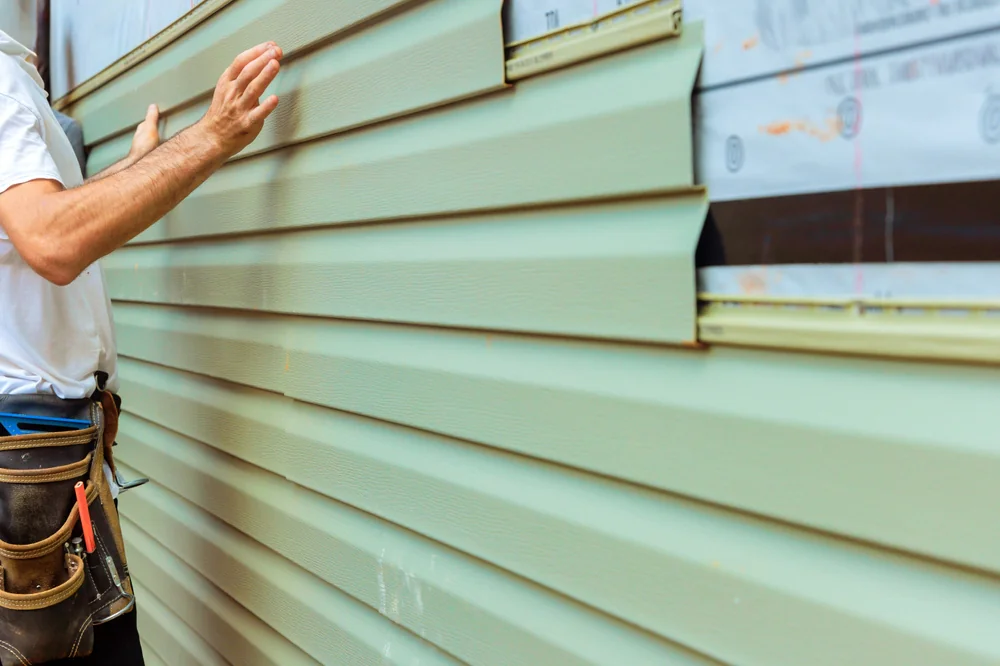
We start with a full siding inspection checklist. That means walking the property, checking for cracks, warping, loose panels, gaps where water could get in, and any signs of mold or mildew that need attention before we clean.
Then we soft wash. Not pressure wash—soft wash. We use low-pressure water (no stronger than your garden hose) combined with cleaning solutions that break down organic growth without damaging the siding, forcing water behind panels, or voiding your manufacturer’s warranty.
We clean every surface. Soffits, fascia, trim, the siding itself. We get into corners, around windows, under eaves—anywhere dirt, mold, or mildew builds up. When we’re done, your siding is clean, protected, and we’ve documented any areas that need repair so you can make informed decisions about next steps.
Ready to get started?
Mold and mildew removal in Saugus, MA is critical. The coastal climate here accelerates organic growth, and if you’ve got black streaks, green patches, or slimy buildup, that’s not just cosmetic. Those spores go airborne, get into your home through vents, and aggravate allergies and respiratory issues.
We remove it at the source using eco-friendly solutions that kill mold and mildew without harsh chemicals that damage landscaping or siding materials. Whether you’ve got vinyl, fiber cement, or wood siding, we adjust our approach to match the material.
Saugus homes near Route 1 face extra exposure to road salt and traffic grime. That means more frequent cleaning to prevent oxidation and fading. We account for that. We also know that 27% of properties in Saugus are at major flood risk over the next 30 years, which makes proper drainage around your foundation and intact siding even more important. We check for it.
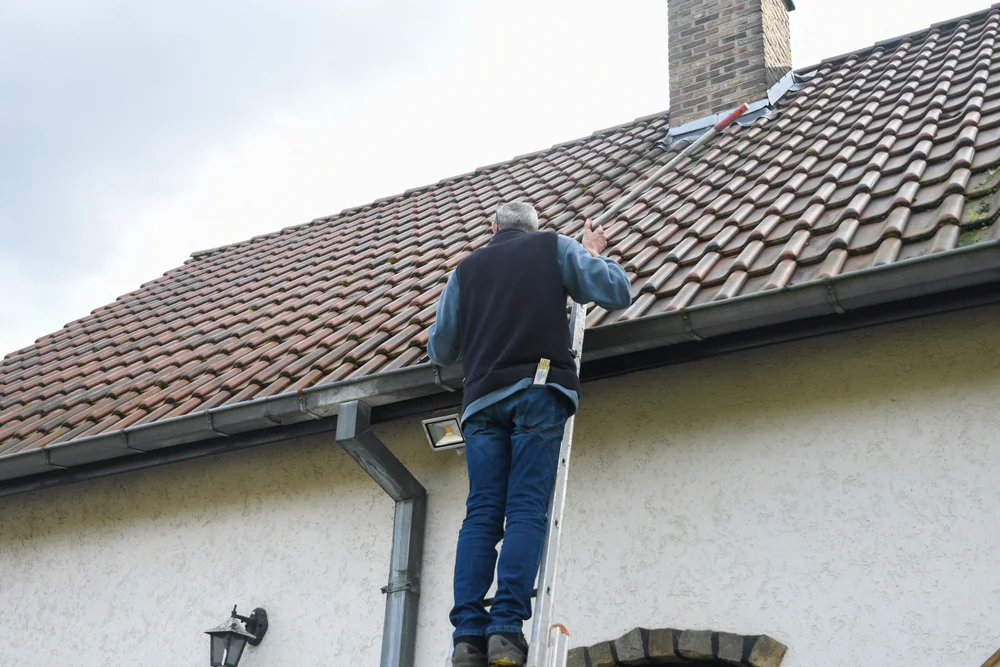
Power washing uses high pressure—often 3000 PSI or more—which is strong enough to punch holes in vinyl siding, crack fiber cement, strip paint off wood, and force water behind panels where it causes mold and structural damage. It’s fast, but it’s risky.
Soft washing uses low pressure (about the same as a garden hose) combined with cleaning solutions designed to break down dirt, mold, mildew, and algae. It’s safer for your siding, safer for your home’s structure, and it actually cleans better because the solution does the work, not the force of the water.
For most siding types—especially vinyl and fiber cement—soft washing is the right call. It protects your manufacturer’s warranty, prevents damage, and gets results that last longer because you’re treating the problem, not just blasting it off the surface.
Most homes in Saugus benefit from professional siding cleaning at least once a year. If your home is near Route 1, faces north (where mold grows faster), or you’ve got trees close to the house, you might need it twice a year.
Spring is ideal because you’re addressing damage from winter—ice, wind, temperature swings—and removing buildup before it gets worse in the humid summer months. Fall cleaning prepares your siding for winter by removing organic material that can freeze, expand, and cause cracks.
If you’re seeing black streaks, green film, or any discoloration, don’t wait for your annual schedule. That’s active growth, and the longer it sits, the deeper it gets into the material. Catching it early saves money and extends the life of your siding.
You can clean vinyl siding yourself with a garden hose, a soft brush, and a mild detergent. That works fine for light dirt and routine maintenance between professional cleanings. Where it gets risky is when you rent a pressure washer or try to tackle mold and mildew without the right solutions.
DIY pressure washing is where most homeowners cause damage. Too much pressure, wrong angle, spraying upward into seams—all of that forces water behind the siding, leads to mold growth inside your walls, and can cost thousands to repair. You also risk voiding your warranty if the manufacturer finds pressure damage.
Professional siding maintenance in Saugus, MA costs less than most people think, usually takes just a few hours, and eliminates the risk of expensive mistakes. You’re also getting a trained eye that spots problems—loose panels, cracks, moisture intrusion—that you might miss until they’re bigger issues.
Black streaks, green patches, or slimy buildup mean you’ve got mold, mildew, or algae growing on your siding. That’s the most common sign, and it’s not just cosmetic—it’s organic material feeding on your siding and potentially getting into your home’s air supply.
Cracks, warping, or loose panels usually show up after winter. Temperature swings cause materials to expand and contract, and wind can pull panels away from the house. If you see gaps, that’s where water gets in and causes bigger problems behind the siding.
Fading or chalky residue means your siding is oxidizing, which happens when dirt and pollutants sit on the surface too long. Regular cleaning prevents this. If you’re already seeing it, professional cleaning can often restore the color before you need to repaint or replace.
Yes. Saugus has a median property value of $589,500, and homes here sell in about 18 days in a competitive market. Buyers notice siding condition immediately—it’s the first thing they see. Dirty, stained, or damaged siding signals deferred maintenance, which makes buyers nervous and gives them negotiating leverage.
Clean, well-maintained siding tells a different story. It shows the home has been cared for, and it eliminates one of the first objections a buyer might raise. In a seller’s market like Saugus, that matters. You want buyers focused on making offers, not calculating repair costs.
Beyond resale, regular siding maintenance prevents costly repairs. Removing mold and mildew before it penetrates the material, catching cracks before water gets behind panels, keeping your warranty valid—all of that saves money over the life of your home. You’re not just protecting value, you’re avoiding expenses that add up fast when problems go unnoticed.
James Hardie siding is durable, but it still needs regular cleaning to prevent mold, mildew, and dirt buildup that can stain the finish. Soft washing is the recommended method—low pressure with appropriate cleaning solutions that won’t damage the factory finish or void the warranty.
You also need to inspect caulking and seams annually. Fiber cement doesn’t warp like vinyl, but the caulk around windows, doors, and joints can crack over time, especially with freeze-thaw cycles in Saugus. Water intrusion through failed caulking is one of the most common issues we see, and it’s easy to fix if you catch it early.
If your James Hardie siding is painted, you’ll want to check for chips or peeling, especially on south and west-facing walls that get the most sun exposure. Touch-ups are simple, but ignoring them lets moisture into the substrate, which leads to bigger problems. Regular maintenance keeps James Hardie performing the way it’s designed to—decades of protection with minimal intervention.