Hear from Our Customers
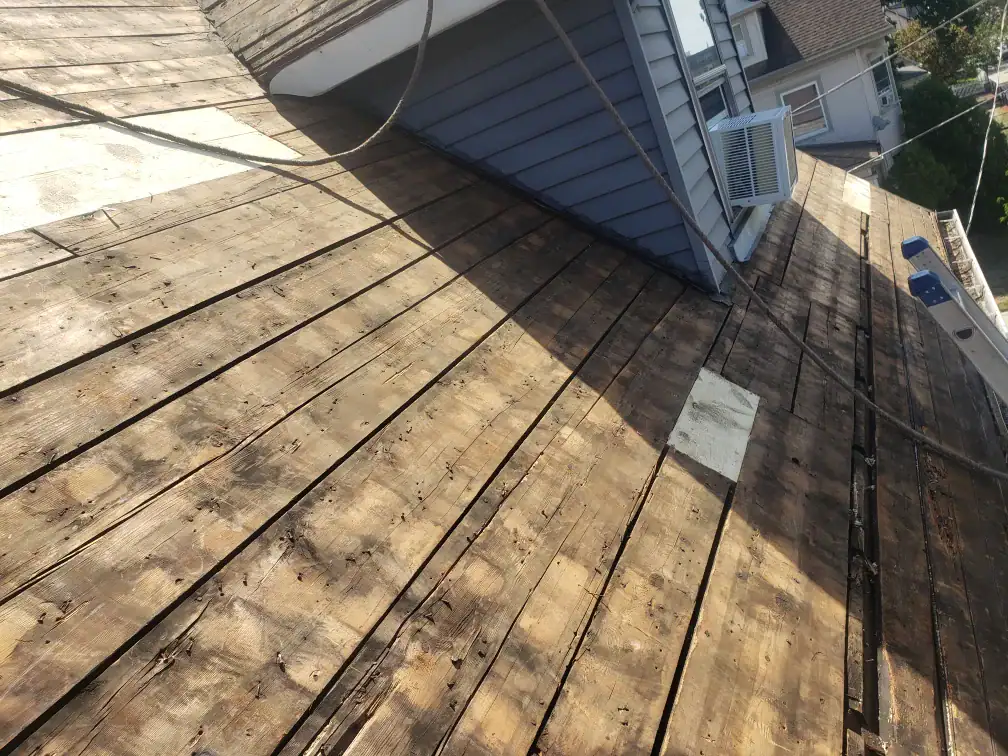
Atlantic exposure makes repainting a constant expense for Rockport homeowners. Your siding faces wind, rain, and salt every season—and it shows. Mold, mildew, and algae appear fast in this coastal climate, and once they take hold, they’re not just ugly. They’re eating away at your finish.
Professional siding maintenance in Rockport, MA means you’re not scrubbing your house every spring or watching your curb appeal fade by summer. Regular cleaning removes the organic buildup before it causes real damage. Proper inspection catches small cracks, loose boards, and failing caulk before water gets behind your siding and turns into a structural problem you can’t see until it’s expensive.
Your home doesn’t need another coat of paint. It needs a maintenance approach that actually matches the conditions you’re dealing with. That means soft washing that won’t damage your siding, inspection that catches issues early, and repairs done right the first time.
We’ve been handling siding maintenance in Rockport, MA and across the North Shore since 2012. We’re an Owens Corning Preferred Contractor, which means we meet strict standards for quality and reliability—not just once, but consistently.
We’re fully licensed and insured, and we’ve spent over a decade learning exactly what Cape Ann’s coastal conditions do to exterior materials. We know which problems show up first on ocean-facing homes. We know what happens when humidity sits in the air for weeks. And we know the difference between maintenance that buys you a few months and maintenance that actually extends your siding’s lifespan.
Rockport homeowners deal with conditions that most contractors never see. We’re not guessing at solutions. We’re using what works here.
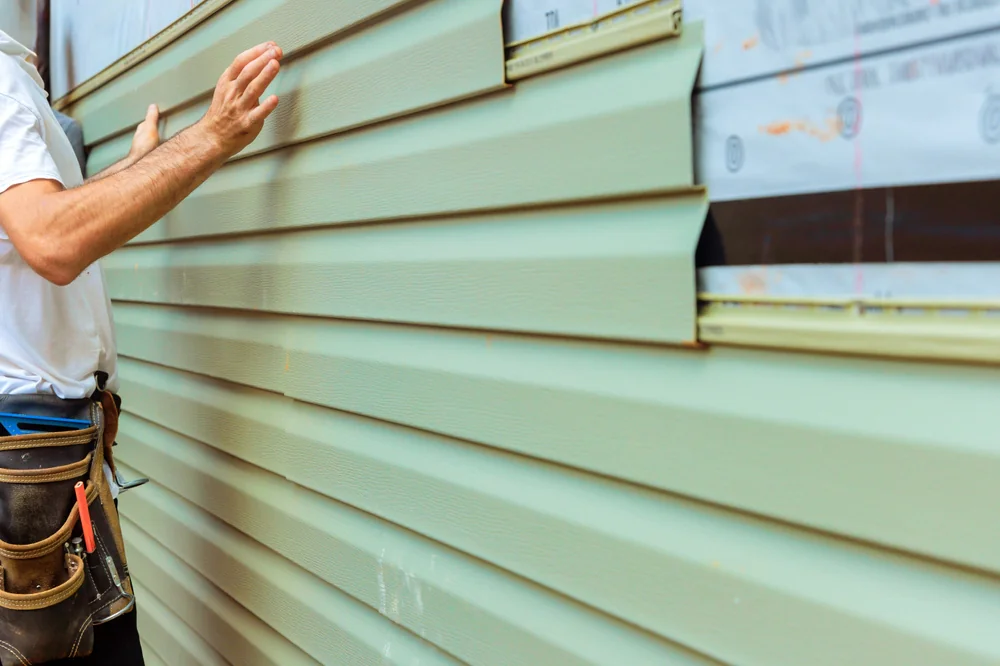
We start with a full inspection using a siding inspection checklist in Rockport, MA that covers what matters: cracks, warping, loose boards, failing caulk around windows and doors, and any signs of moisture damage. We’re looking for the problems you can’t see from the ground and the ones that haven’t caused visible damage yet.
Then we clean. We use soft washing, not high-pressure power washing that can punch holes in vinyl or force water behind your siding. Soft washing uses low-pressure application with biodegradable solutions that break down mold, mildew, algae, and salt buildup without damaging your finish. It’s the difference between cleaning your siding and destroying it.
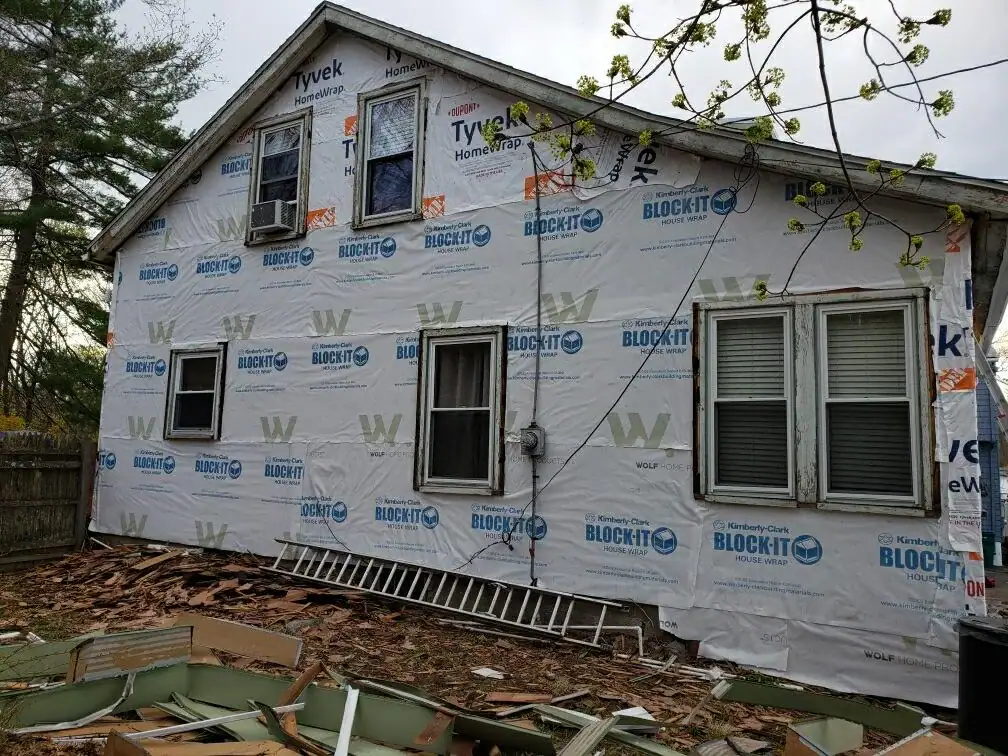
After cleaning, we handle repairs. That might mean replacing cracked boards, re-caulking gaps, fixing loose sections, or addressing moisture barriers that aren’t doing their job anymore. We’re not patching things to get through the season. We’re fixing them so they hold up against the next storm and the one after that.
You get a clear explanation of what we found, what we fixed, and what you should watch for going forward. No upselling. No vague recommendations. Just straight information about your siding’s condition.
Ready to get started?
Siding maintenance in Rockport, MA isn’t just a quick rinse with a hose. You’re getting a full exterior assessment that identifies damage before it spreads. You’re getting mold and mildew removal that actually works—not surface cleaning that looks good for two weeks before everything grows back.
We handle power washing vs soft washing the right way. High-pressure washing might seem faster, but it forces water into places it shouldn’t go and damages siding materials. Soft washing removes contaminants without the risk. It’s especially important here where salt air and humidity create the perfect environment for organic growth.
Rockport sits at the tip of Cape Ann with ocean exposure on nearly every side. Your home faces conditions that accelerate wear—salt that corrodes, humidity that breeds mold, storms that test every seal and fastener. Regular maintenance means your siding holds its finish without constant repainting. It means catching small problems while they’re still small. And it means your home’s exterior is actually protecting what’s inside instead of letting moisture work its way through.
We’re not selling you a service package. We’re keeping your siding functional in a climate that’s actively trying to break it down.
Once a year is the standard recommendation, and spring or fall are your best windows. Spring lets you assess damage from winter’s freeze-thaw cycles. Fall gives you a chance to prep your exterior before the next round of coastal storms hits.
That said, Rockport’s coastal exposure means you might need more frequent attention depending on which direction your home faces. Ocean-facing sides take more abuse from salt spray and wind-driven rain. If you’re seeing visible mold, mildew, or algae growth between annual cleanings, you’re waiting too long.
The goal isn’t to clean your siding because it looks dirty. It’s to remove contaminants before they damage your finish and to catch structural issues while they’re still easy to fix. Waiting until you see obvious problems means you’re already behind.
Power washing uses high pressure—often 3000 PSI or more—to blast away dirt and grime. That pressure is strong enough to crack vinyl, force water behind your siding, damage window seals, and create problems that cost thousands to fix. It’s fast, but it’s not safe for most siding materials.
Soft washing uses low pressure with specialized cleaning solutions that break down organic contaminants like mold, mildew, and algae. The chemicals do the work instead of the pressure. It’s slower, but it actually cleans without causing damage.
In Rockport’s coastal climate, you’re dealing with salt buildup and organic growth that needs chemical treatment anyway. Pressure alone won’t remove it effectively. Soft washing handles both the cleaning and the protection of your siding materials. It’s the right approach for vinyl, fiber cement, and most other exterior materials—especially when they’re already taking a beating from coastal conditions.
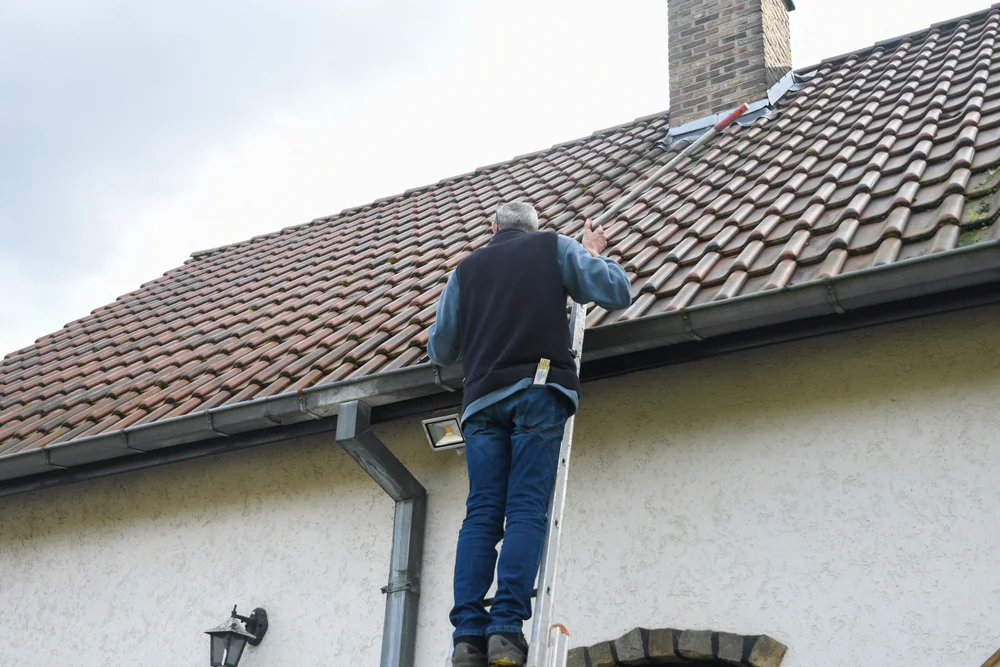
You can do a basic visual check from the ground—look for obvious cracks, loose boards, or areas where caulk is failing. But a real inspection means getting up close to every section of your exterior, checking for issues that aren’t visible from ten feet away.
Water damage often starts behind your siding where you can’t see it. Moisture barriers fail. Fasteners work loose. Small cracks let water in, and by the time you notice interior damage, you’re looking at serious repairs. A professional inspection catches these problems early.
We’re also checking things most homeowners don’t think about: whether your siding is properly ventilated, if moisture is trapped anywhere, how your caulking is holding up around penetrations, and whether previous repairs were done correctly. Rockport’s coastal conditions accelerate wear in specific ways. Knowing what to look for—and where—makes the difference between catching a problem and paying for major damage later.
We use soft washing with eco-friendly, biodegradable solutions specifically designed to break down organic growth. These aren’t just soaps—they’re treatments that kill mold, mildew, and algae at the root so they don’t grow back immediately.
Rockport’s high humidity and salt air create perfect conditions for organic growth. You’ll see it on north-facing walls, under eaves, anywhere that stays damp and doesn’t get direct sun. Scrubbing it off manually or blasting it with high pressure might remove what you can see, but it doesn’t kill what’s underneath. It grows back fast.
Our approach treats the contamination, lets the solution work, then rinses everything away with low pressure that won’t damage your siding. The result lasts longer because we’re actually solving the problem instead of just making it look better temporarily. And because we’re using non-phosphate, biodegradable products, we’re not dumping harsh chemicals into Rockport’s coastal environment.
Start with the obvious: cracks, holes, warping, or boards that are pulling away from the house. Check your caulking around windows, doors, and anywhere siding meets trim. If it’s cracked or missing, water is getting in.
Look for discoloration that might indicate moisture problems behind your siding. Check for mold, mildew, or algae growth—these aren’t just cosmetic issues. They hold moisture against your siding and accelerate deterioration. Look at your corners and seams where two pieces meet. These are common failure points, especially after storms.
In Rockport, pay special attention to ocean-facing walls. Salt air is corrosive, and wind-driven rain finds every weak point in your exterior. If you’re seeing bubbling, peeling, or finish failure, that’s a sign your siding is losing its protective layer. The longer you wait, the more expensive the fix becomes. Catching these issues during regular maintenance means you’re repairing boards, not replacing entire sections.
Yes, but not in the way most people think. Your siding itself isn’t insulation—it’s a protective barrier. When that barrier fails, moisture gets into your wall cavity. Wet insulation doesn’t insulate. You’re losing heat in winter and cool air in summer, and your HVAC system is working harder to compensate.
Proper siding maintenance in Rockport, MA keeps water out. That means your insulation stays dry and functional. It means your moisture barriers are doing their job. And it means you’re not creating conditions for mold growth inside your walls, which is both a health issue and a structural problem.
When we handle repairs, we’re also checking that your home is properly sealed. Gaps around windows, failed caulking, loose boards—these all let air infiltrate. Fixing them as part of regular maintenance can reduce your heating bills by up to 20%. That’s real money back in your pocket, and it’s happening because your exterior is actually protecting your home instead of letting the elements through.