Hear from Our Customers
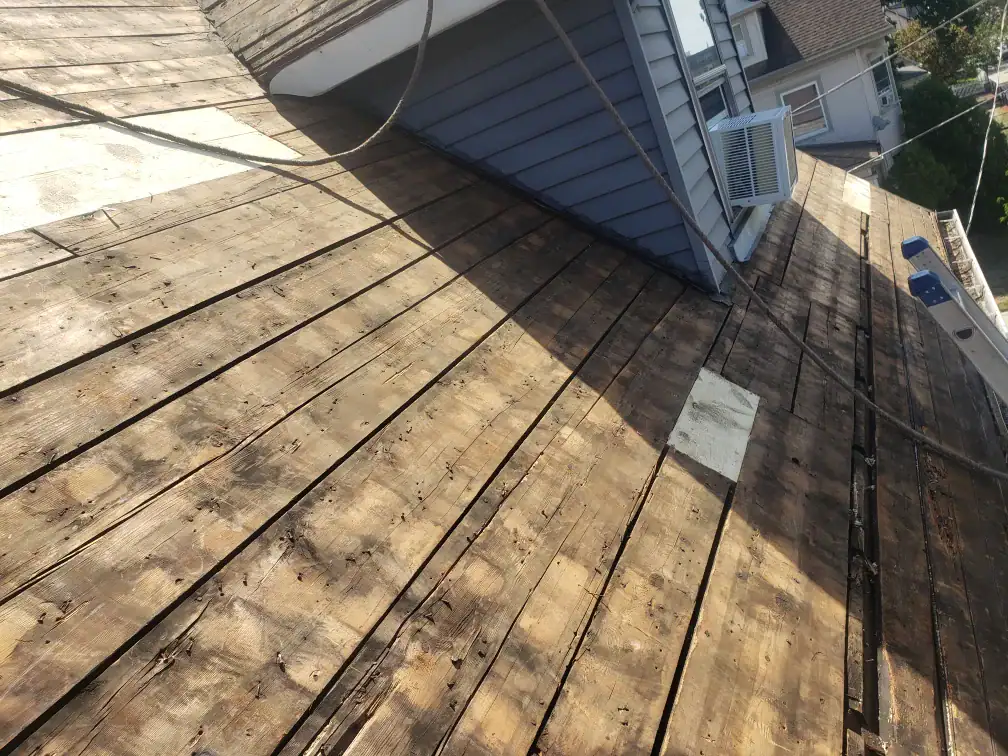
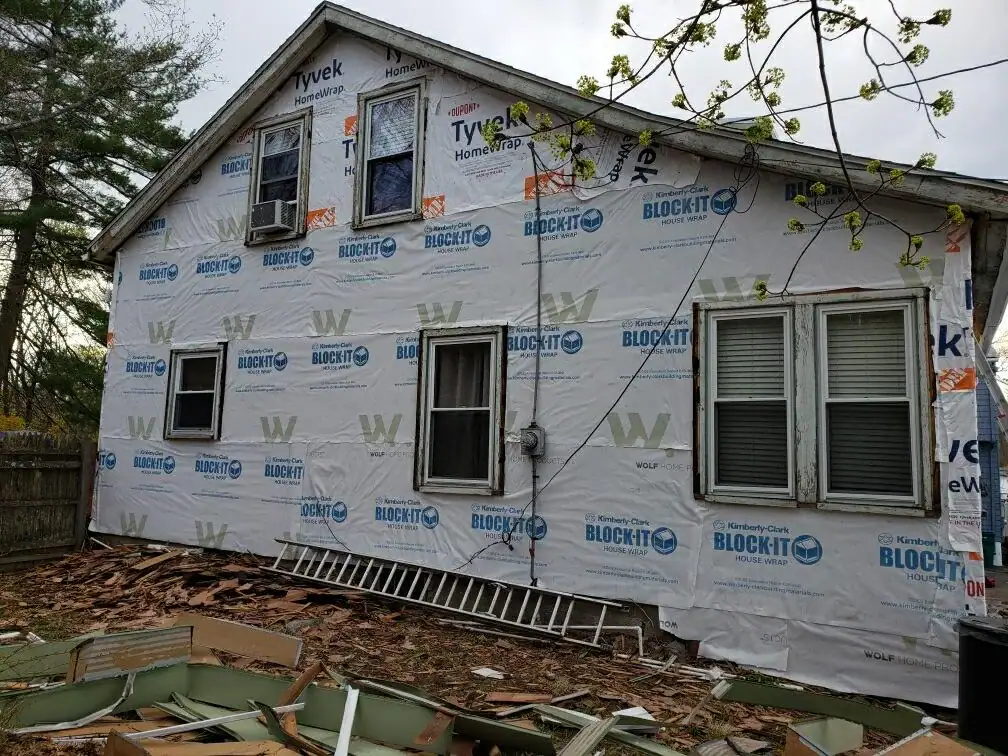
When your siding stays clean, it does more than look better. It performs better. Mold and mildew removal isn’t just cosmetic—it stops organic growth from breaking down your siding’s surface and creating weak points where water can get in.
Regular cleaning vinyl siding in Peterborough, NH means you’re removing the dirt, algae, and buildup that traps moisture against your home. That moisture is what leads to rot, warping, and early replacement. Most vinyl siding is built to last 20 to 40 years, but only if you maintain it.
You’re also protecting your investment. Homes with well-maintained siding sell faster—about 15% faster, according to recent studies—and new siding maintenance offers up to 80% ROI when it’s done right. That’s not just about curb appeal. It’s about keeping your home’s envelope tight, your energy bills lower, and your structure sound through New Hampshire’s freeze-thaw cycles and humid summers.
We’ve been serving Peterborough, NH and the surrounding area with siding and roofing services built for this climate. We’re an Owens Corning Preferred Contractor, which means we meet strict standards for quality and customer service—not just once, but consistently.
Our focus is on doing the work right. That means we don’t cut corners, even when it costs us more. We use soft washing methods that protect your siding instead of damaging it, and we inspect every job with the same checklist we’d use on our own homes.
Peterborough’s climate—cold winters, humid summers, and about 48 inches of precipitation a year—creates the perfect conditions for mold growth and siding stress. We’ve seen what happens when maintenance gets skipped, and we know how to prevent it.
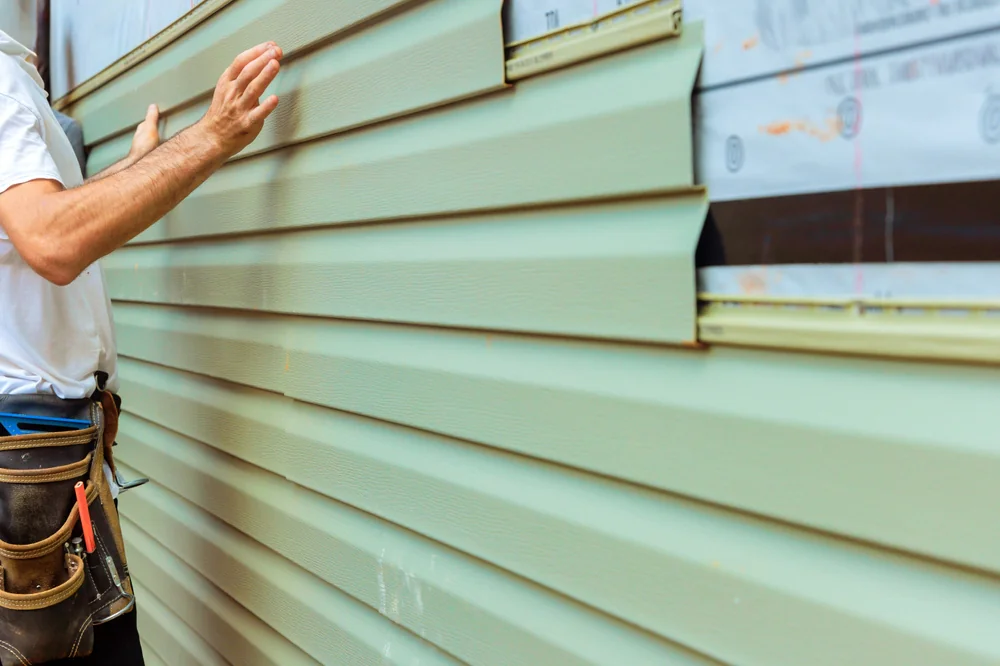
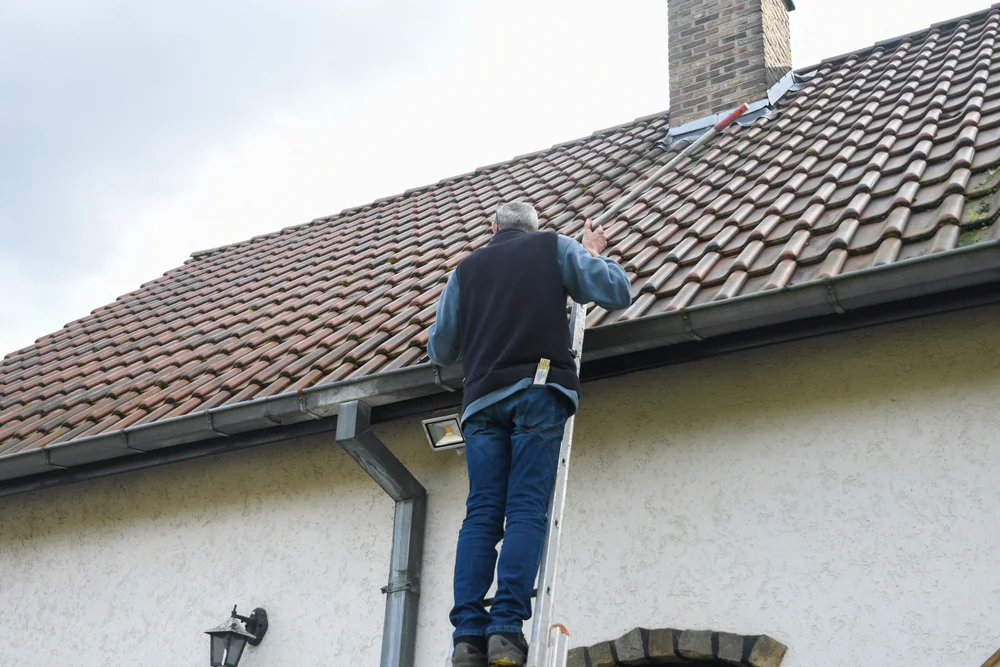
First, we do a full siding inspection checklist. We’re looking for cracks, warping, loose panels, failed caulking, and any signs of water intrusion or pest activity. This happens before we clean anything, because if there’s damage, we need to address it the right way.
Next, we clean using a soft washing method. That means low pressure—under 500 PSI—combined with eco-friendly cleaning agents that break down mold, mildew, and algae at the cellular level. We’re not blasting your siding with high pressure and hoping for the best. Power washing vs soft washing isn’t even a debate for us—soft washing is safer, more effective, and doesn’t risk cracking your siding or forcing water behind it.
After cleaning, we check the caulking around windows, doors, and seams. If it’s cracked or missing, we’ll let you know. That’s where water gets in, and it’s one of the easiest things to fix before it becomes expensive. You’ll get a clear rundown of what we found, what we did, and what (if anything) needs attention going forward.
Ready to get started?
You’re getting a full exterior cleaning using soft washing, which is the safest method for vinyl, wood, fiber cement, and aluminum siding. We remove dirt, organic growth, and staining without damaging your home’s exterior or forcing water into places it shouldn’t be.
You’re also getting a detailed siding inspection. We check for loose or damaged panels, failed caulking, signs of moisture intrusion, and any areas where your siding isn’t doing its job. In Peterborough, NH, where temperatures swing from 12°F in winter to 80°F in summer, your siding expands and contracts constantly. That movement creates gaps, and those gaps let water in.
We also look for mold and mildew growth, especially in shaded areas or near gutters. New Hampshire’s humidity and precipitation make mold a constant issue, and if it’s not removed quickly, it spreads. Mold isn’t just ugly—it’s a health risk, and it breaks down your siding faster than most people realize.
If we find damage, we’ll document it and give you options. Some homeowners need this for insurance claims after storms or hail. Others just want to know what’s coming so they can plan for it. Either way, you’re not guessing.
Most homes in Peterborough, NH should have their siding professionally cleaned every one to two years. That timeline shifts depending on how much shade your home gets, how close you are to trees, and whether you’ve had issues with mold or mildew in the past.
If your home is surrounded by trees or sits in a shaded area, you’re more likely to see algae and mold growth. Those conditions hold moisture against your siding longer, which accelerates buildup. In that case, annual cleaning makes more sense.
Even if your siding looks clean, a wash every couple of years prevents buildup you can’t see yet and keeps insects from nesting in the small gaps and seams. It’s a lot cheaper than replacing siding early because you let small problems turn into big ones.
Power washing uses high pressure—often 1,300 to 1,600 PSI or higher—to blast dirt and grime off surfaces. Soft washing uses low pressure, typically under 500 PSI, and relies on cleaning agents to break down mold, mildew, and organic growth instead of just blasting it away.
The problem with power washing vinyl siding is the risk. Too much pressure can crack panels, chip paint, force water behind your siding, or knock panels loose. It’s faster, but it’s not safer. And if water gets forced into your wall cavity, you’re looking at mold growth you can’t see and won’t know about until it’s expensive.
Soft washing is gentler and more effective. The cleaning solution does the work, killing mold and algae at the root so it doesn’t come back as quickly. It’s the method we use because it protects your home and actually cleans better than high-pressure blasting ever could.
Yes. Most expensive siding repairs start as small issues that go unnoticed—cracked caulking, a loose panel, a little mold growth in a shaded corner. Left alone, those small problems let water in. Water leads to rot, structural damage, and mold that spreads into your walls.
Replacing siding costs anywhere from $6,000 to $20,000 for a standard home, with most homeowners spending around $10,000 to $14,000. Regular maintenance—cleaning and inspections—costs a fraction of that and catches problems while they’re still cheap to fix.
In New Hampshire, where freeze-thaw cycles put constant stress on your siding, maintenance isn’t optional if you want your siding to last its full lifespan. Vinyl should last 20 to 40 years. Fiber cement can go 50. But only if you take care of it.
You’re looking for cracks, holes, warping, or any panels that are loose or pulling away from the house. Check the caulking around windows, doors, and seams—if it’s cracked or missing, water can get in. Look for discoloration, which usually means mold, mildew, or algae growth.
Pay attention to areas near gutters, downspouts, and anywhere water tends to collect. Those spots are more likely to show damage or organic growth. If you see bubbling or blistering on painted siding, that’s a sign of moisture trapped underneath.
Spring and fall are the best times to inspect. Spring lets you catch damage from winter’s freeze-thaw cycles. Fall gives you a chance to prep before the cold hits again. If you’re not sure what you’re looking at, a professional inspection gives you a full checklist and documentation you can use for repairs or insurance claims.
Mold and mildew aren’t just cosmetic problems. They break down your siding’s surface over time, creating weak points where water can penetrate. Once water gets behind your siding, you’re dealing with rot, structural damage, and mold growth inside your walls—problems that cost thousands to fix.
In New Hampshire, where humidity is high in summer and moisture levels stay elevated most of the year, mold thrives. It spreads quickly, especially in shaded areas or anywhere your siding stays damp. If you don’t remove it, it keeps growing.
Mold is also a health risk. It affects indoor air quality and can cause respiratory issues, especially for kids, elderly family members, or anyone with allergies or asthma. Removing it isn’t just about protecting your siding—it’s about protecting your family.
If your siding just has surface dirt and you’re comfortable on a ladder with a garden hose and a soft brush, you can handle light cleaning yourself. But if you’re seeing mold, mildew, algae, or staining that won’t come off with soap and water, you need professional cleaning.
DIY pressure washing is risky. Most homeowners use too much pressure, which can crack siding, force water into wall cavities, or damage paint and finishes. If you’re not sure what PSI is safe for your siding type, you’re better off hiring someone who does this daily.
Professional maintenance also includes an inspection. We’re not just cleaning—we’re checking for damage, failed caulking, and early signs of problems you might not notice until they’re expensive. If you want your siding to last its full lifespan and you want to avoid surprise repair bills, professional maintenance pays for itself.
Other Services we provide in Peterborough