Hear from Our Customers
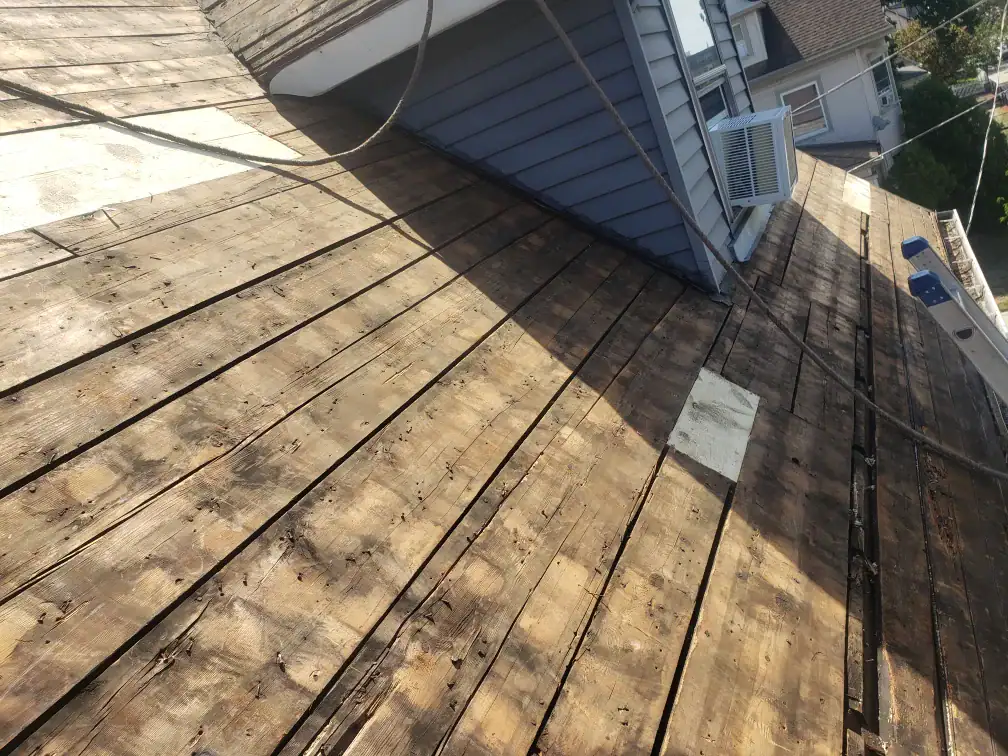
Your siding isn’t just decoration. It’s the barrier between your home’s structure and everything New Hampshire throws at it—freeze-thaw cycles, humidity spikes, wind-driven rain, and months of snow sitting against your foundation line.
When you keep up with siding maintenance in Mont Vernon, NH, you’re not just washing off dirt. You’re removing mold before it spreads. You’re catching small cracks before water gets behind the panels. You’re spotting loose sections before wind rips them off during the next storm.
Vinyl siding can last 30 years or more when it’s properly maintained. Without it, you’re looking at half that—and expensive repairs in between. Most homeowners don’t realize how much damage happens slowly, behind the surface, until it’s already cost them thousands.
Regular cleaning and inspection means your siding does what it’s supposed to do: protect your walls, keep your energy bills down, and look good doing it.
Paradise Remodeling Inc has been handling exterior work in New Hampshire since 2012. We’re an Owens Corning Preferred Contractor, which means we meet standards most companies don’t even attempt.
Mont Vernon homes deal with specific challenges—older construction mixed with newer builds, properties surrounded by trees that hold moisture, and weather that swings from 90 degrees in July to below zero in January. We’ve seen what happens when siding isn’t maintained through those conditions, and we know how to prevent it.
You’re not hiring a national chain that sends whoever’s available. You’re working with a local team that understands how siding performs in this climate and what it takes to keep it working.
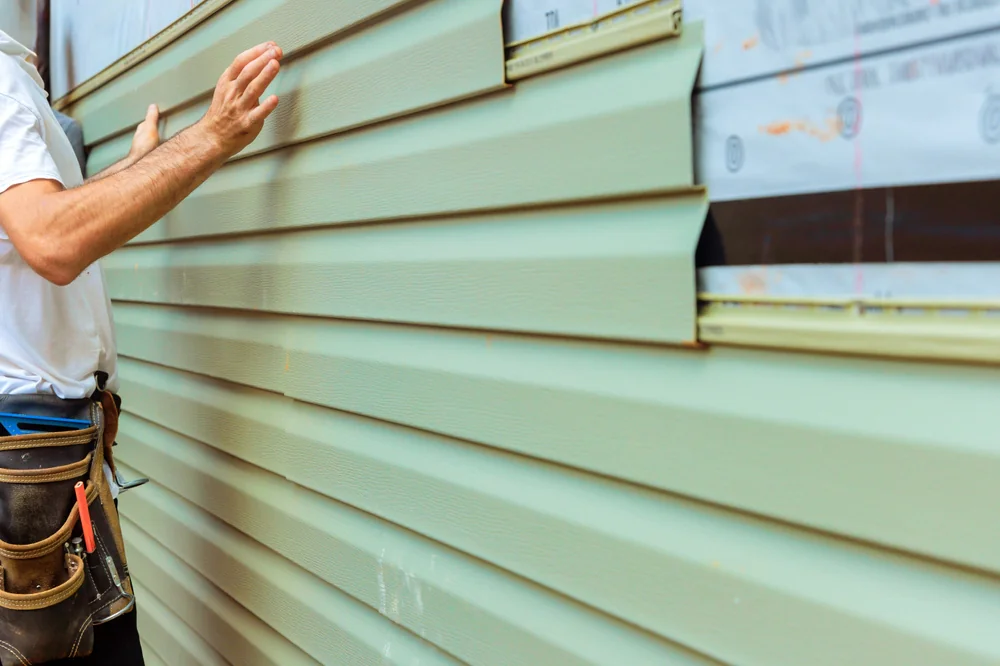
We start with a full siding inspection in Mont Vernon, NH—walking your property and checking for cracks, loose panels, water stains, mold growth, and any signs that moisture is getting where it shouldn’t. This isn’t a quick glance. We’re looking at seams, corners, areas around windows and doors, and anywhere two materials meet.
Next comes cleaning. Most people think power washing is the answer, but that’s how you crack vinyl or force water behind your siding. We use soft washing for most jobs—low pressure with the right cleaning agents to remove mold, mildew, algae, and built-up grime without damaging anything.
If we find damage during the inspection, we’ll walk you through it. Small cracks can be sealed. Loose panels can be re-secured. Missing caulk gets replaced before water finds its way in. The goal is to handle small problems now instead of big ones later.
Once everything’s clean and secure, you’ll know exactly what condition your siding is in and what to watch for over the next year.
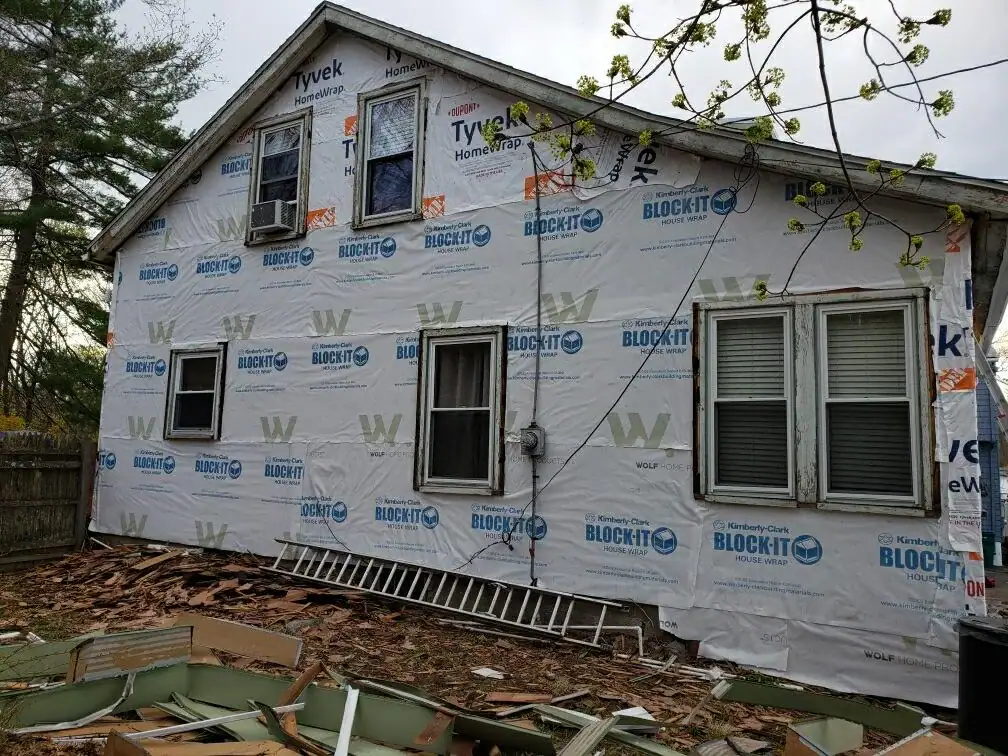
Ready to get started?
Siding maintenance in Mont Vernon, NH means more than just spraying your house down once a year. You’re getting a trained eye looking for problems most homeowners miss until it’s too late.
We handle mold and mildew removal using treatments that actually kill growth at the source—not just wash it off so it comes back in three months. Mont Vernon’s humidity and tree cover create perfect conditions for mold, especially on north-facing walls that don’t get much sun. If it’s there, we’re finding it and eliminating it properly.
You’re also getting an honest assessment of your siding’s condition. We check for damage from woodpeckers (common around here), impact from falling branches, warping from temperature swings, and any areas where water might be sneaking behind your panels. These are the issues that turn into rot, insulation damage, and interior water problems if they’re ignored.
The difference between power washing vs soft washing matters more than most people realize. High pressure might look impressive, but it forces water into places it shouldn’t go and can crack vinyl that’s already stressed from years of temperature changes. We match the cleaning method to your siding type and condition—not just what’s fastest.
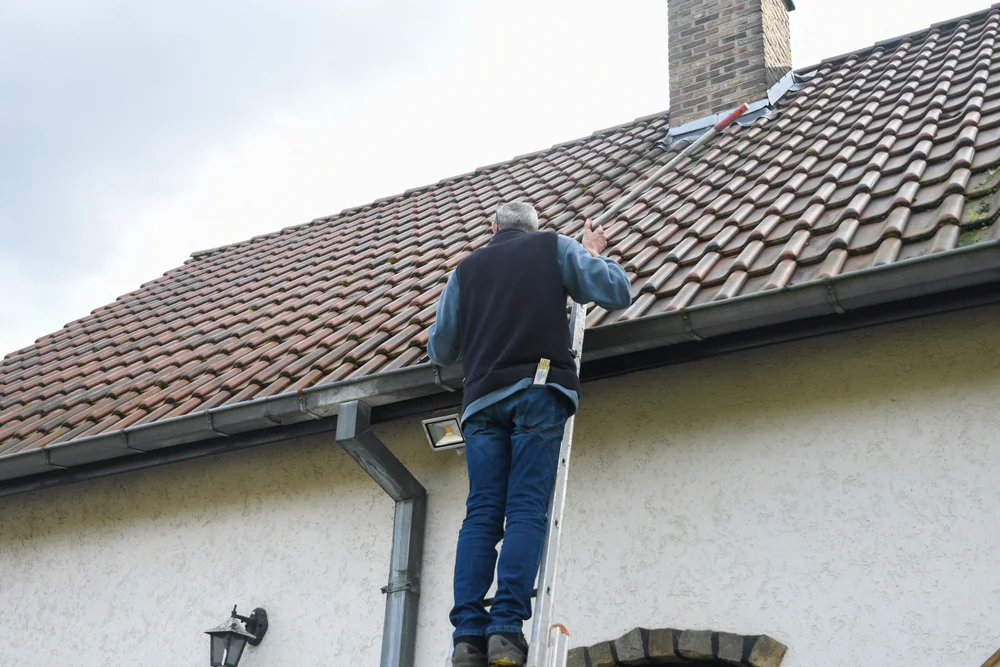
Once a year is the standard recommendation, and spring or fall works best. Spring lets you catch any damage from winter’s freeze-thaw cycles before summer humidity makes things worse. Fall gets your siding clean and checked before snow starts piling up against it for months.
If your home is surrounded by trees or sits in a shaded area, you might need cleaning twice a year. Mold and mildew grow faster in those conditions, and waiting too long means they spread to areas that are harder to treat.
The inspection part matters just as much as the cleaning. Small cracks and loose panels don’t fix themselves—they get worse. Catching them during an annual check costs a fraction of what you’ll pay if water gets into your walls.
Power washing uses high pressure—sometimes over 3,000 PSI—to blast dirt and grime off surfaces. That’s fine for concrete, but it’s too much for vinyl siding. High pressure can crack panels, force water behind your siding, and cause warping, especially if your siding is older or already stressed from temperature changes.
Soft washing uses low pressure (under 150 PSI) combined with cleaning solutions that do the actual work. The detergents break down mold, mildew, and algae while the low pressure rinses everything away without damaging your siding or forcing water where it doesn’t belong.
Most siding damage we see from DIY cleaning comes from people renting a pressure washer and cranking it to full power. By the time they notice cracks or water running behind panels, the damage is done. Soft washing gives you better results without the risk.
Yes, and that’s exactly what soft washing is designed to do. We use treatments that kill mold and mildew at the root, not just wash the surface stains away. If you only remove what you can see, it grows back within a few months—especially in shaded areas or on north-facing walls that stay damp.
The cleaning agents we use are strong enough to eliminate growth but safe for vinyl, fiber cement, and wood siding when applied correctly. We’re not scrubbing with abrasive tools or using harsh chemicals that damage your siding’s finish.
Mold and mildew aren’t just cosmetic problems. They hold moisture against your siding, which accelerates deterioration and can lead to water damage in your walls. Removing them properly is part of maintaining your siding’s protective function, not just making it look better.
Start with cracks—even small ones let water in, and water behind your siding leads to rot and structural damage. Check around windows, doors, and corners where panels meet. These are high-stress areas that crack first.
Look for loose or warped panels. Vinyl expands and contracts with temperature changes, and over time that movement can pull panels loose from their fasteners. Warped sections usually mean water got behind them or they were installed too tight to begin with.
Check for mold, mildew, and algae growth, especially on shaded walls. Also look at your caulking—anywhere two materials meet should be sealed. Cracked or missing caulk is an open door for water. Finally, look for soft spots or discoloration, which can indicate hidden water damage underneath.
Most homeowners miss these details because they don’t know what they’re looking for. That’s why a professional inspection catches problems early, before they become expensive repairs.
Vinyl siding typically lasts 20 to 40 years, and maintenance is what determines where in that range you end up. Without regular cleaning and inspection, you’re looking at the lower end—maybe 20 years before you’re dealing with significant deterioration and replacement costs.
With proper maintenance, you can push that to 30 or 40 years. Annual cleaning removes the mold and mildew that hold moisture against your siding and accelerate breakdown. Regular inspections catch small damage before it spreads. Keeping caulk and seals intact prevents water infiltration that rots the structure behind your siding.
New Hampshire’s climate is hard on siding—freeze-thaw cycles stress the material, humidity encourages mold growth, and temperature swings cause expansion and contraction that loosens fasteners over time. Maintenance doesn’t stop those forces, but it minimizes the damage they cause and keeps your siding doing its job for decades instead of years.
Small problems become big ones. A crack you could have sealed for next to nothing turns into a water infiltration point that rots your sheathing and insulation. Mold that could have been washed off spreads behind your siding where you can’t see it until you’ve got interior water damage.
Loose panels that could have been re-secured get ripped off during a windstorm. Dirt and grime build up to the point where they’re actually breaking down your siding’s protective finish. Caulk that could have been replaced cheaply fails completely, leaving gaps for water and pests.
The cost difference is significant. Annual maintenance runs a few hundred dollars. Replacing rotted sheathing, fixing interior water damage, or replacing entire sections of siding runs into thousands. Most expensive siding problems we see started as small issues that were ignored for years. Maintenance isn’t an expense—it’s insurance against much bigger bills down the road.
Other Services we provide in Mont Vernon