Hear from Our Customers
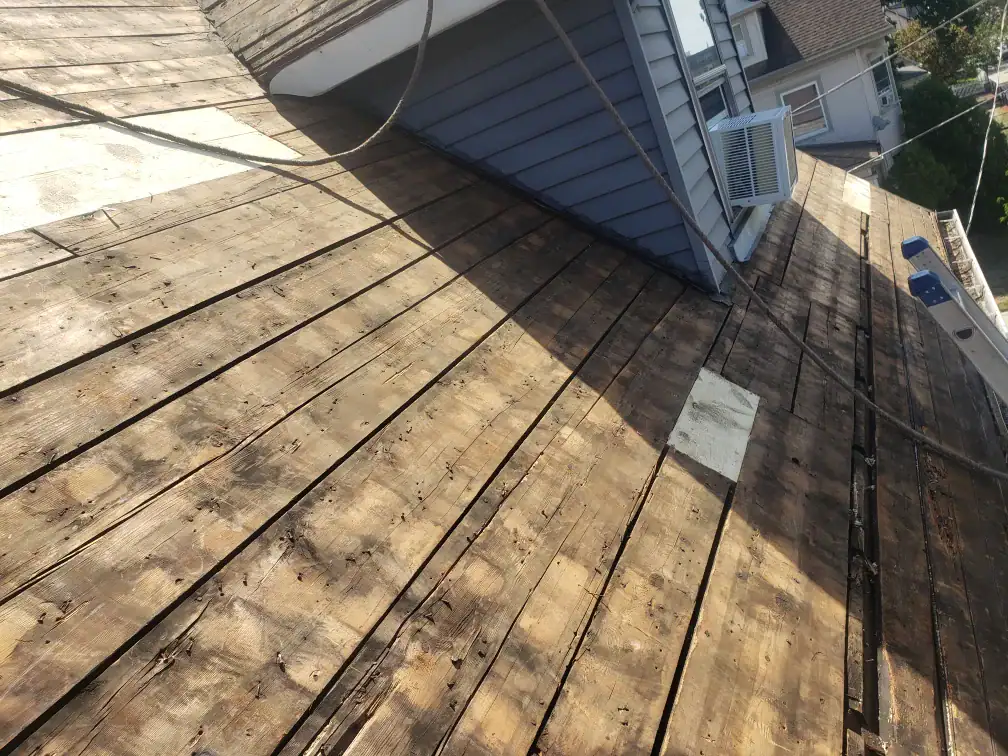
Your siding isn’t just there to look good. It’s the barrier between your home and everything New Hampshire throws at it—snow, ice, wind, moisture, algae.
When you stay on top of cleaning vinyl siding in Merrimack, NH, you’re adding 10 to 15 years to its lifespan. That’s real money saved. You’re also catching small problems before they turn into water damage, mold growth, or structural issues that cost thousands to fix.
Twice-a-year cleaning removes the dirt, mildew, and algae that make your siding look greenish-gray. It also stops moisture from sneaking into cracks where it freezes, expands, and creates bigger damage. Most siding problems start small. Regular inspections let you spot warping, loose panels, or gaps early—when repairs are still simple and affordable.
You get a home that looks sharp, performs better, and doesn’t surprise you with emergency repair bills in the middle of winter.
We’ve been handling siding maintenance in Merrimack, NH for over a decade. We’re an Owens Corning Preferred Contractor, which means we meet strict standards for quality and service—not something they hand out to just anyone.
We know what New Hampshire weather does to homes. We’ve seen what happens when maintenance gets skipped, and we’ve fixed the expensive problems that follow. Our approach is straightforward: inspect thoroughly, clean properly, repair what needs it, and give you a clear picture of what’s going on with your siding.
You’re not getting a sales pitch. You’re getting an honest assessment from people who’ve been in enough attics, crawl spaces, and behind enough siding to know what matters and what doesn’t.
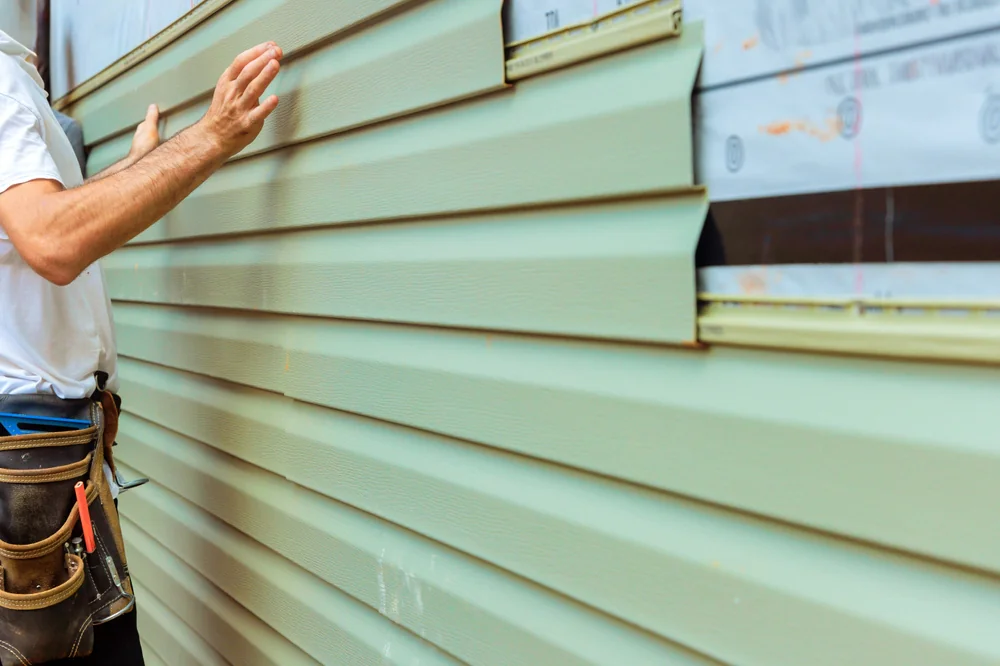
We start with a detailed inspection using a siding inspection checklist in Merrimack, NH that covers what actually matters. We’re looking for cracks, warping, loose panels, gaps around windows and doors, and any signs of moisture intrusion. We check caulking, seams, and corners where problems usually start.
Next comes cleaning. We use soft washing—not high-pressure power washing that can damage your siding. Soft washing uses low pressure with specialized cleaning solutions that kill mold, mildew, and algae at the source. It’s safe for vinyl, wood, and all siding types, and it doesn’t force water behind your panels like pressure washing can.
If we find damage, we’ll tell you what needs repair and what can wait. Small fixes now prevent big problems later. We handle caulking, panel replacement, and sealing—whatever keeps water out and your siding intact.
You’ll know exactly what we found, what we did, and what to watch for going forward. No surprises.
Ready to get started?
Here’s something most homeowners don’t know: manufacturers specifically tell you not to power wash vinyl siding. Commercial pressure washers can exceed 3,300 PSI—way more force than your siding can handle. That high pressure gradually erodes the protective surface, forces water behind panels, and causes moisture intrusion that leads to mold and rot.
Soft washing uses about one-tenth that pressure. The cleaning power comes from the solution, not the force. It removes dirt, grime, mold, and mildew without damaging your siding or voiding warranties.
In Merrimack, NH, where homes deal with 60 inches of snow annually plus rain, pollen, and algae, soft washing is the right call. It gets your siding clean, keeps it protected, and doesn’t create new problems while solving old ones. You’re also using less water and biodegradable solutions that won’t harm your landscaping or pets.
Most homes need this done once a year. If your property is shaded or doesn’t get much sun, you might need it twice. We’ll walk your property and give you an honest recommendation based on what we see—not what makes us the most money.
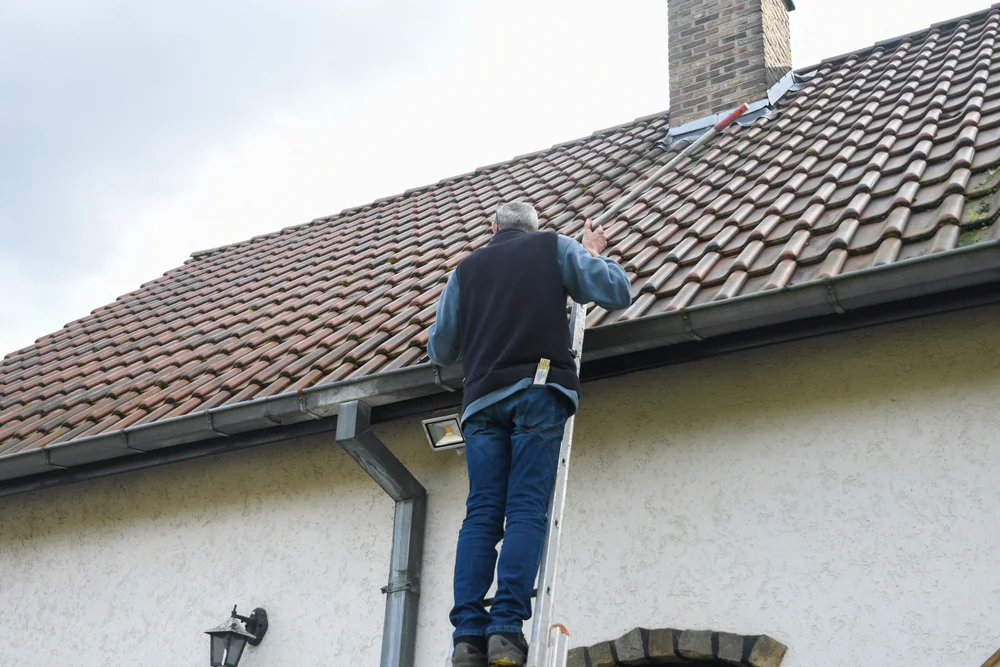
Most homes in Merrimack, NH need siding cleaning once a year. Spring or early summer works best—after the snow melts but before the intense heat sets in.
If your home is in a shaded area or surrounded by trees, you might need cleaning twice a year. Shade and moisture create perfect conditions for mold and mildew growth, which means buildup happens faster. Same goes if you’re noticing green or gray discoloration—that’s algae, and it’s not going away on its own.
The goal is to clean before buildup gets bad enough to cause damage. Algae and mildew hold moisture against your siding, which accelerates wear and can lead to rot or panel damage over time. An annual cleaning is cheap insurance compared to replacing damaged siding.
Power washing uses high pressure—often over 3,000 PSI—to blast dirt off surfaces. Soft washing uses low pressure (under 500 PSI) combined with cleaning solutions that do the actual work.
For siding, soft washing is the only method we recommend. High-pressure power washing can crack vinyl, strip paint, force water behind panels, and void manufacturer warranties. It might look clean afterward, but you’ve just created hidden problems that’ll show up as water damage or mold later.
Soft washing is gentler and more effective. The cleaning solution kills mold, mildew, and algae at the root, so it stays cleaner longer. It’s safe for all siding types—vinyl, wood, fiber cement, stucco—and it won’t damage the protective coatings that keep your siding weather-resistant. You get better results without the risk.
Start by looking for visible damage: cracks, warping, loose or missing panels, gaps around windows and doors, or areas where caulking has dried out and pulled away. If you see any of that, you need repairs.
Also watch for signs inside your home. Higher energy bills, drafts near exterior walls, or water stains on interior walls can all point to siding problems letting air or moisture through. If you’re noticing mold or mildew inside, that’s a red flag that water is getting past your siding.
Sometimes it’s hard to tell from the ground. A professional inspection catches things you’d miss—small cracks that’ll get worse over winter, early signs of rot, or panels that look fine but aren’t sealed properly. We use a detailed checklist and actually get up close to every section of your siding. If all you need is cleaning, we’ll tell you. If there’s damage, we’ll show you exactly what needs fixing and why.
You can clean your own siding if you have the right equipment and know what you’re doing. The key is using a soft wash system—not a pressure washer—and the correct cleaning solutions for your siding type.
The risk is doing it wrong. Too much pressure damages siding. The wrong cleaning solution can discolor it or void warranties. Missing spots means mold and mildew keep growing. And if you’re working off a ladder on a two-story home, there are obvious safety concerns.
Professional cleaning costs a few hundred dollars and gets done in a few hours. We have the right equipment, the right solutions, and we know how to clean without causing damage. We also inspect while we clean, so if there’s a problem developing, you’ll know about it before it gets expensive. For most homeowners, that’s worth skipping the DIY headache—especially in New Hampshire where one missed crack can turn into serious water damage over a single winter.
Small problems turn into expensive ones. A tiny crack lets in moisture. That moisture freezes when temperatures drop, expands, and makes the crack bigger. By spring, you’ve got a gap large enough for water to run behind your siding. Now you’re dealing with rot, mold, and structural damage that costs thousands to repair.
Skipping cleaning means mold, mildew, and algae build up. They hold moisture against your siding, which accelerates deterioration. Your siding’s lifespan drops from 30 or 40 years down to 20. You’re replacing it a decade early because you skipped a $300 annual cleaning.
You’ll also see higher energy bills. Gaps and cracks let conditioned air escape and outside air seep in. Your HVAC system works harder, and you pay more every month. Regular maintenance catches these issues early when fixes are simple. Skip it, and you’re gambling that nothing goes wrong—and in New Hampshire’s climate, that’s a losing bet.
Spring is ideal for a full inspection and cleaning. You’re checking for damage from winter’s freeze-thaw cycles, and you’re cleaning off all the grime that built up over the cold months. Early summer works too, before heat and humidity make outdoor work miserable.
Fall is your second checkpoint. You’re making sure everything’s sealed and ready for winter. Any cracks, gaps, or loose panels need fixing before snow and ice arrive. This is when you check caulking around windows and doors, inspect for loose sections, and handle repairs while the weather’s still cooperative.
If you only do maintenance once a year, make it spring. If you’re in a shaded area or your home is prone to mold and mildew, add a fall cleaning. After major storms—especially if you had high winds or hail—do a quick visual check for obvious damage. The goal is catching problems when they’re still small and cheap to fix.