Hear from Our Customers
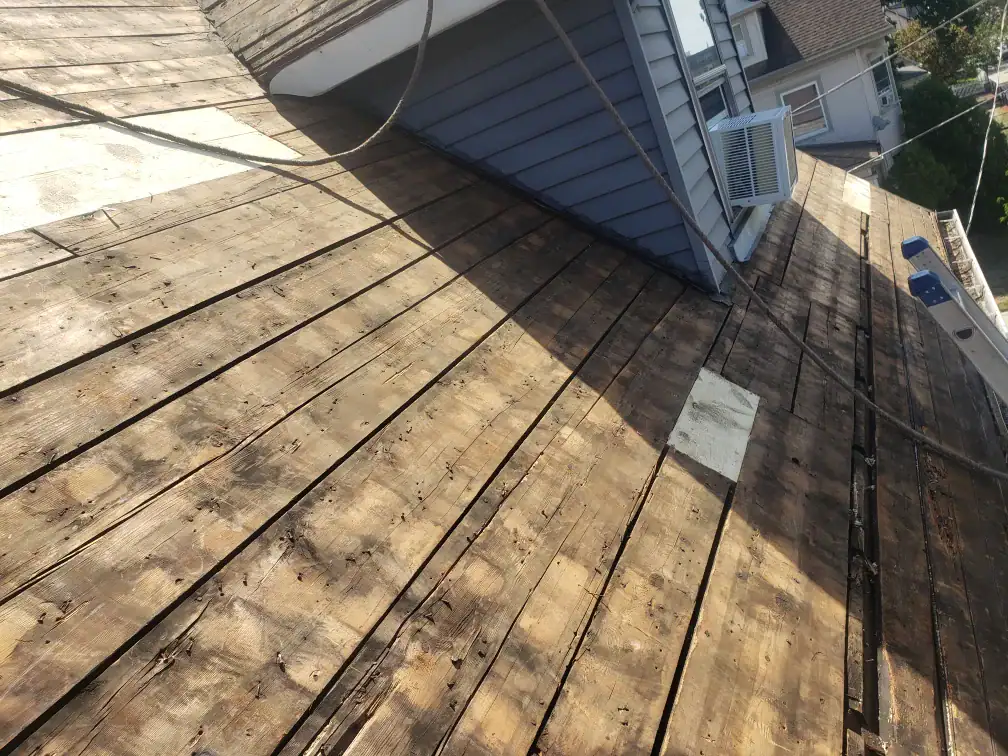
Your siding takes a beating. Humidity in summer, ice in winter, wind and rain year-round. Add in the mold and mildew that love coastal Massachusetts air, and you’ve got a surface that’s constantly under attack.
Regular siding maintenance in Haverhill, MA means you’re not waiting for cracks to spread or water to find its way behind your panels. You’re catching the small stuff—loose nails, minor gaps, early algae growth—before it becomes structural damage or a four-figure repair bill.
Clean siding also means better curb appeal, which matters whether you’re staying put or thinking about selling. A home that looks cared for from the outside signals that it’s been cared for on the inside too. That’s not just cosmetic. That’s protecting what you’ve invested in.
We’ve been serving Haverhill and the surrounding Essex County area for over a decade. We’re locally owned, and we know what homes here deal with—salt air, temperature swings, storms that don’t quit.
We’re an Owens Corning Preferred Contractor, which means we’ve met standards most companies don’t bother with. Our crews show up on time, do the work right, and don’t leave until it’s done correctly.
You’re not getting a sales pitch. You’re getting someone who’s seen what happens when siding maintenance gets ignored in this climate—and who knows how to prevent it.
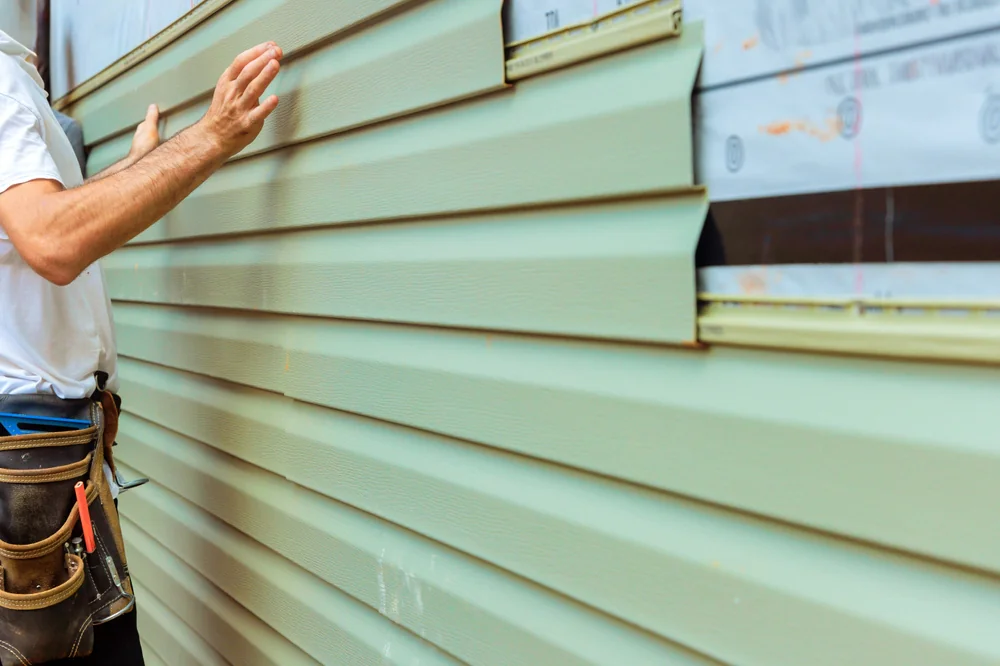
We start with a full siding inspection checklist in Haverhill, MA. That means looking for cracks, warping, loose panels, gaps where water could get in, and any signs of mold or mildew growth. If something’s off, we’ll tell you what it is and what it means.
Next comes cleaning. We use soft washing, not high-pressure blasting. Soft washing relies on low-pressure water (under 500 PSI) and biodegradable cleaning agents that break down mold, algae, and mildew at the root. It’s safer for your siding and more effective long-term than power washing, which can force water behind panels or damage the surface.
After cleaning, we handle any repairs that came up during inspection—resealing gaps, replacing damaged sections, tightening loose fasteners. Then we do a final walkthrough so you know exactly what was done and what to watch for going forward. No surprises, no upselling, just transparent work.
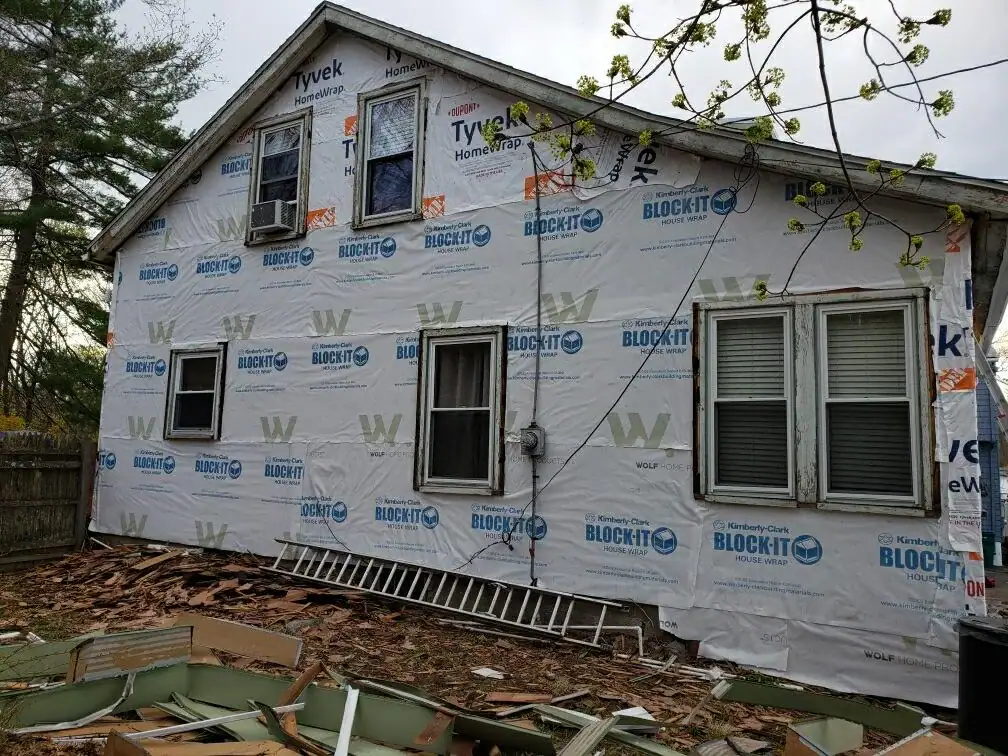
Ready to get started?
In Haverhill, siding maintenance means more than a quick rinse. The coastal humidity and temperature extremes mean mold and mildew removal in Haverhill, MA is practically a seasonal requirement. We treat organic growth with solutions that kill it at the cellular level, so it doesn’t come back in two weeks.
We also handle the power washing vs soft washing question the right way. High pressure might look impressive, but it can crack vinyl, strip paint, and push water into places it shouldn’t go. Soft washing gives you a deeper clean without the risk—and the results last longer because we’re treating the problem, not just masking it.
You’ll also get a detailed inspection that catches the kind of damage most homeowners miss until it’s too late. Small cracks from freeze-thaw cycles. Warping from sun exposure. Loose sections from wind. These aren’t things you notice from the curb, but they’re exactly what leads to water infiltration, rot, and costly replacements down the line. We find them early, fix them affordably, and keep your siding doing its job for years longer than it would otherwise.
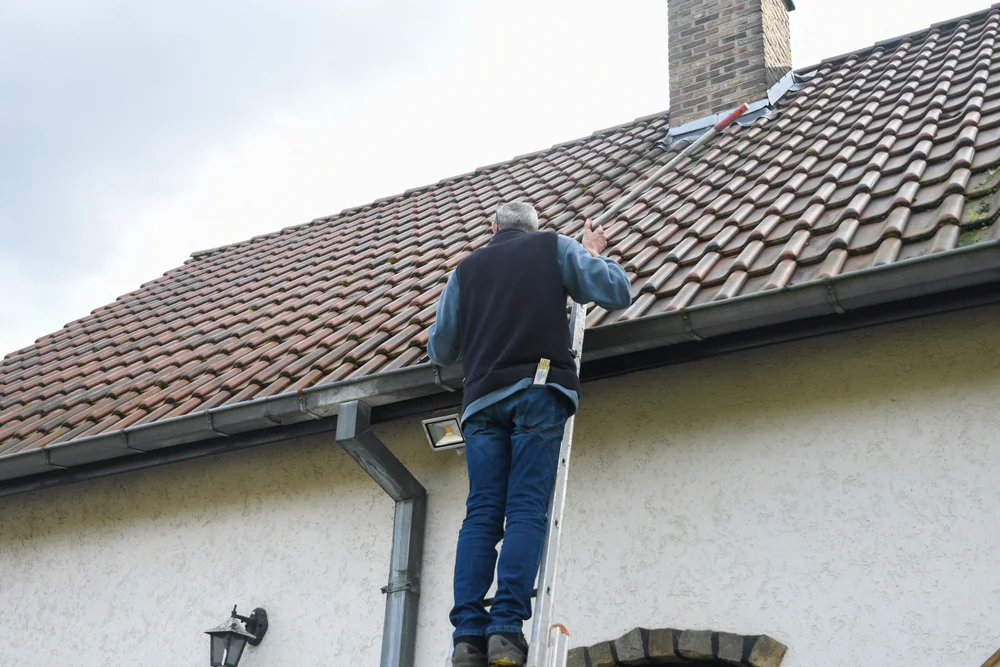
Twice a year is the standard recommendation for this area. Once in spring to clean off winter grime and check for freeze-thaw damage, and once in fall to prep for the cold months ahead.
New England weather is harder on siding than most climates. You’re dealing with snow, ice, humidity, salt air, and UV exposure all in the same year. That accelerates wear, encourages mold growth, and creates more opportunities for small problems to turn into big ones.
If your home is in a shaded area or near trees, you might need cleaning more often. Algae and mildew thrive in damp, shaded spots, and they spread fast once they take hold. An extra cleaning mid-season can save you from more aggressive treatments later.
Power washing uses high-pressure water to blast away dirt and grime. Soft washing uses low pressure and specialized cleaning solutions to break down organic growth like mold, mildew, and algae at the source.
For vinyl siding, soft washing is almost always the better choice. High pressure can crack the surface, force water behind the panels, and cause long-term damage that isn’t obvious right away. Soft washing is gentler on the material but more effective at actually killing what’s growing on your siding—not just rinsing it off temporarily.
The cleaning agents we use are biodegradable and safe for landscaping, but strong enough to penetrate and eliminate mold and algae at the root. That means you get a cleaner surface that stays cleaner longer, without the risk of damaging your siding in the process.
You can clean your own siding if you’re careful, but the risk of damage is real—especially if you use the wrong pressure, spray at the wrong angle, or use harsh chemicals that aren’t meant for your siding type.
Most DIY cleaning doesn’t address the root cause of mold and mildew. You might rinse off the visible growth, but if you’re not treating it properly, it comes back fast. Professional soft washing kills organic growth at the cellular level, which means longer-lasting results and fewer cleanings overall.
There’s also the inspection piece. When we clean siding, we’re looking for early signs of damage—cracks, warping, loose panels, gaps where moisture could get in. Those are things most homeowners don’t notice until they’ve already caused problems. Catching them early saves money and prevents bigger headaches down the road.
Moisture and shade. Haverhill’s coastal climate means higher humidity, and that creates the perfect environment for mold, mildew, and algae to thrive—especially on north-facing walls or areas near trees where sunlight doesn’t reach.
Salt air from the coast also accelerates buildup. It holds moisture against your siding longer, giving organic growth more time to take hold. Once it starts, it spreads quickly, and it’s not just cosmetic—it can trap moisture against the siding and lead to rot or water infiltration over time.
Regular cleaning and proper drainage around your home help, but in this climate, some level of growth is inevitable. The key is staying ahead of it with routine maintenance so it doesn’t get out of hand. Soft washing twice a year keeps it under control and protects the integrity of your siding long-term.
If you’re seeing cracks, warping, loose panels, or gaps between sections, that’s repair territory. If it’s just dirt, algae, or discoloration, cleaning will usually take care of it.
The tricky part is that some damage isn’t obvious from the ground. Small cracks from freeze-thaw cycles, minor warping from sun exposure, or gaps where caulk has deteriorated—these are easy to miss but can lead to water damage if they’re not addressed.
That’s why a professional inspection is worth it. We check the whole exterior, not just the visible problem areas. If something needs repair, we’ll tell you what it is, why it matters, and what it’ll cost to fix. If it just needs a good cleaning, we’ll handle that and you’re done. No guessing, no surprises.
Yes. Proper maintenance can extend the lifespan of your siding by up to 30%, which means you’re getting years of additional protection without the cost of a full replacement.
Cleaning removes the mold, mildew, and algae that trap moisture against the surface and accelerate deterioration. Repairing small cracks and gaps prevents water from getting behind the siding, which is where the real damage happens—rot, mold inside your walls, structural issues that cost thousands to fix.
Vinyl siding is durable, but it’s not indestructible. UV exposure fades and weakens it over time. Freeze-thaw cycles cause cracking. Wind and storms loosen fasteners. Regular maintenance addresses these issues before they compound, so your siding keeps doing its job for as long as it’s designed to—and often longer.