Hear from Our Customers
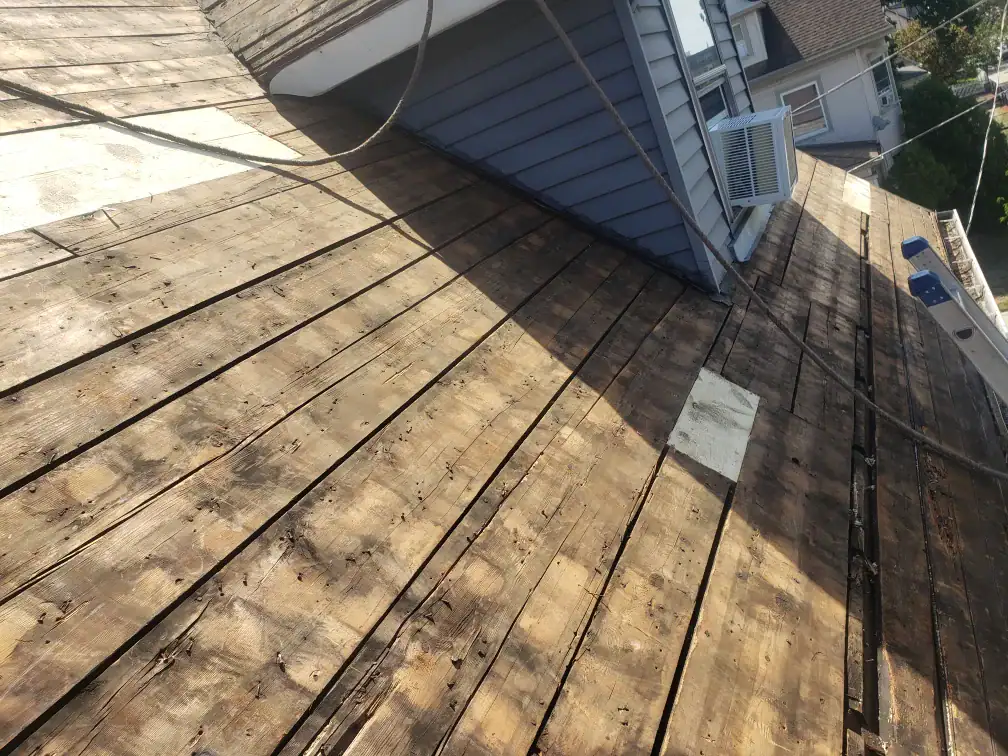
Your siding isn’t just for looks. It’s the barrier between your home’s structure and everything New England throws at it—freezing rain, heavy snow, summer humidity, and those brutal freeze-thaw cycles that crack and warp exterior materials.
When siding develops small cracks or gaps, moisture sneaks behind it. That’s when the real damage starts: rot in your sheathing, mold in your walls, and structural problems that cost serious money to fix. Most of this damage happens slowly, which means you won’t notice it until it’s already expensive.
Regular cleaning and inspection catch these issues early. You’re looking at a few hundred dollars for maintenance versus thousands for rot repair or premature replacement. Vinyl siding should last 20-40 years, but only if it’s maintained. Neglect cuts that lifespan in half.
Clean siding also keeps your home more energy efficient. When dirt and mildew build up, your siding can’t insulate properly. You’re paying more to heat and cool your home because your exterior isn’t doing its job.
We’ve been handling siding and exterior work in the Merrimack Valley since 2012. We’re an Owens Corning Preferred Contractor, which means we meet strict standards for quality and service—not just anyone gets that designation.
We work in Bennington and the surrounding New Hampshire towns regularly. We know what happens to siding here: the ice dams, the wind-driven rain, the way vinyl contracts in January and expands in July. That local experience matters when you’re trying to keep your home protected.
You’ll work with the same crew from start to finish. No subcontractors, no surprises. We show up when we say we will, we explain what we’re doing and why, and we clean up when we’re done.
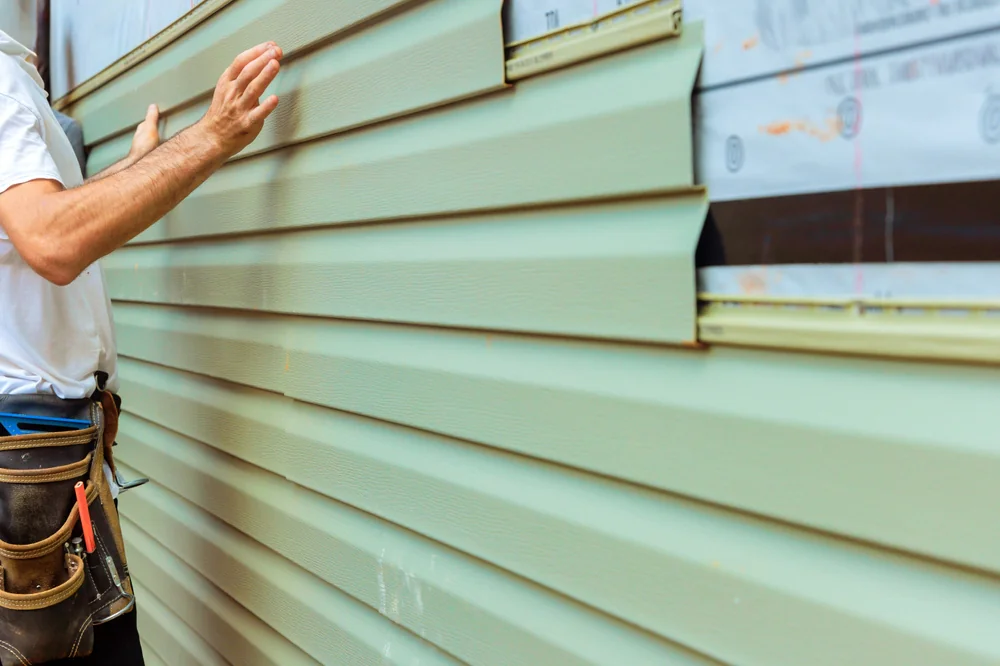
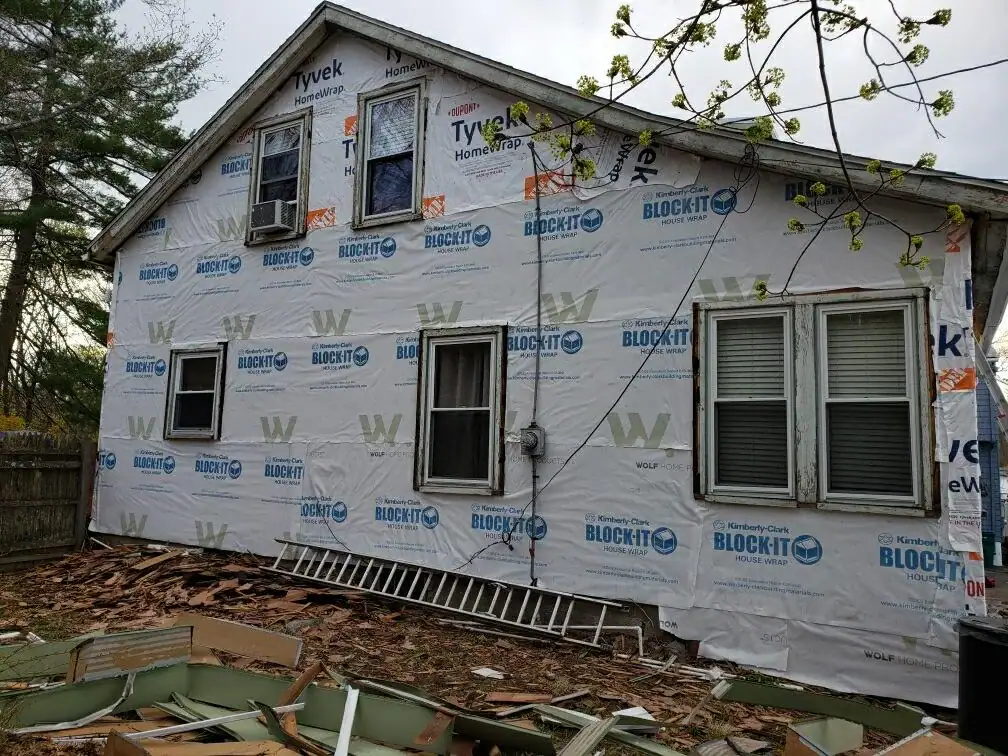
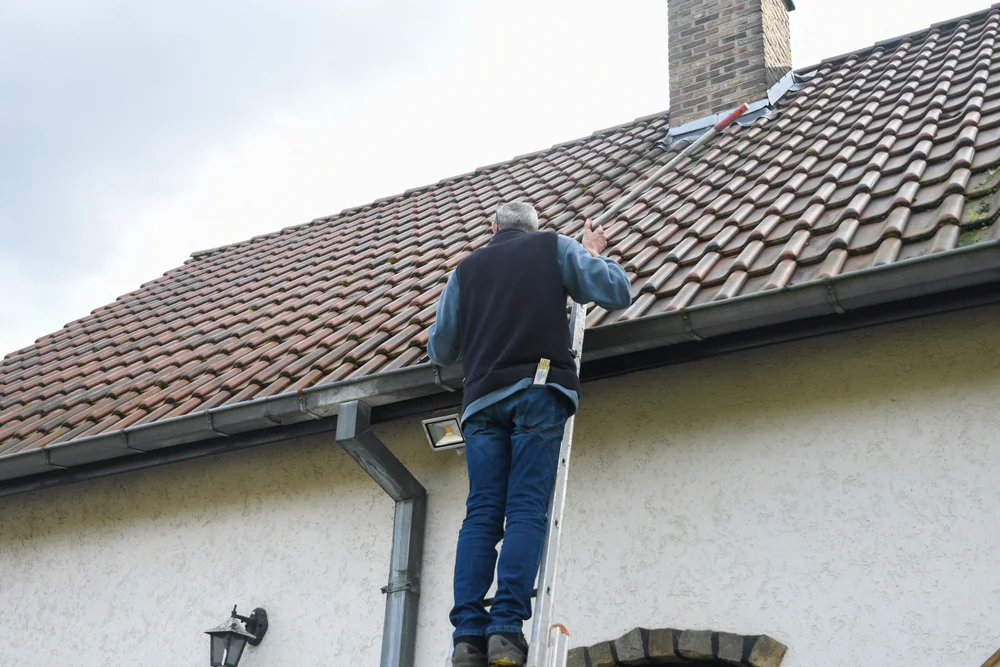
First, we inspect your siding—all of it. We’re checking for cracks, warping, loose panels, gaps around windows and doors, and any signs that moisture is getting behind your siding. Most problems start small, so we’re looking for things you probably wouldn’t notice from the ground.
If your siding needs cleaning, we use the right method for your material. For vinyl siding in Bennington, that usually means soft washing—lower pressure with specialized cleaning solutions that remove mold and mildew without damaging the surface. High-pressure washing can crack vinyl or force water behind it, which defeats the whole purpose.
We’ll tell you exactly what we found and what needs attention. If there’s a small repair that prevents a big problem, we’ll explain why it matters. If your siding is fine and just needs cleaning, we’ll tell you that too. You get a straight answer either way.
After the work is done, we’ll give you a realistic timeline for your next inspection. For most homes in Bennington, that’s annually—ideally in spring or fall when you can catch winter damage or prepare for the cold months ahead.
Ready to get started?
A full siding inspection checklist in Bennington includes checking every panel, seam, and transition point. We’re looking at corners, trim, J-channels, and anywhere two materials meet—those are the spots where water finds its way in.
Cleaning vinyl siding properly means using the right pressure and the right cleaning solution. We use a soft wash method that removes dirt, mold, and mildew without scarring or cracking the material. For heavy buildup, we adjust our approach. The goal is clean siding that’s still intact when we’re done.
We also check for pest damage. Carpenter bees, woodpeckers, and other creatures can create entry points that let moisture in. Catching these early means a simple repair instead of replacing entire sections.
In Bennington, the freeze-thaw cycle is particularly hard on siding. Water gets into small cracks, freezes, expands, and makes those cracks bigger. By spring, you’ve got real problems. An inspection before winter and after winter catches this progression before it gets out of hand.
If we find issues during the inspection, we’ll show you exactly what we’re seeing and explain what happens if it’s not addressed. You’ll know what’s urgent and what can wait.
Power washing uses high pressure—usually 2,000 to 3,000 PSI or more. That’s fine for concrete driveways, but it’s too aggressive for most siding. High pressure can crack vinyl, force water behind your siding, and strip paint off wood. You might get it clean, but you’ll also create problems that weren’t there before.
Soft washing uses lower pressure—typically under 500 PSI—combined with specialized cleaning solutions that do the actual work. The solution breaks down mold, mildew, dirt, and organic stains, and the low pressure rinses it away without damaging the surface.
For vinyl siding in Bennington, soft washing is the right call. It gets your siding just as clean without the risk of damage. If you’ve got heavy buildup or stubborn stains, we can adjust the solution strength, but we’re never cranking up the pressure to a point where it’s going to harm your siding.
The tricky part about moisture damage is that it starts where you can’t see it—behind the siding. By the time it’s visible from the outside, the damage is usually significant.
Early signs include siding that’s warped, buckled, or pulling away from the house. You might notice soft spots if you press on the siding, or you might see water stains on the interior walls. Peeling paint on the inside of your home near exterior walls is another red flag.
Mold and mildew on the outside of your siding doesn’t automatically mean you have moisture behind it, but it does mean water is sitting on the surface longer than it should. That’s worth investigating. If you’re seeing mold in the same spots repeatedly, even after cleaning, there’s a good chance moisture is coming from behind.
During an inspection, we check for these signs and also look at the areas most vulnerable to water intrusion—around windows, doors, corners, and any place where different materials meet. Catching it early means a targeted repair instead of replacing entire walls.
Once a year is the standard recommendation, and in Bennington, that timing matters. Spring and fall are the best times because you’re either assessing damage from winter or preparing for it.
A spring inspection catches problems caused by freeze-thaw cycles, ice dams, and heavy snow. You’re looking for cracks, loose panels, and any signs that water got behind your siding during the cold months. Fixing these issues before summer humidity sets in prevents mold growth and further deterioration.
A fall inspection prepares your home for winter. We’re making sure everything is sealed tight, there are no gaps where cold air or moisture can get in, and your siding is in good shape to handle another New England winter.
If your home is older, if you’ve had siding repairs in the past, or if you’ve noticed any issues between inspections, you might want to check it twice a year. It’s a small time investment that prevents expensive surprises.
You can clean vinyl siding yourself if you’re comfortable on a ladder and you have the right equipment. The key is using low pressure and the right cleaning solution. A garden hose with a soft brush attachment works for light dirt. For mold and mildew, you’ll need a cleaning solution designed for siding—mix it according to directions, apply it, let it sit, and rinse thoroughly.
What you want to avoid is renting a pressure washer and blasting your siding at full power. That’s the fastest way to cause damage. If you do use a pressure washer, keep it under 1,500 PSI, use a 40-degree nozzle, and keep the wand at least 12 inches from the siding. Never aim upward under the panels—that forces water behind the siding.
The reason to hire someone isn’t just about cleaning. It’s about the inspection that happens at the same time. We’re looking for problems while we clean—cracks, loose panels, gaps, pest damage, areas where water is getting in. If you’re doing it yourself, you might miss those signs until they become bigger issues.
If your siding hasn’t been cleaned in years, if you’ve got heavy mold growth, or if you’re not comfortable with the process, hiring us makes sense. You get it done right without the risk of damage.
Mold and mildew need three things: moisture, organic material, and the right temperature. Your siding gets all three, especially in New Hampshire’s humid summers.
The north side of your home gets less sun, so it stays damp longer after rain or morning dew. That’s why you’ll usually see more mold and mildew on north-facing walls. Trees and shrubs close to your house create shade and trap moisture, which makes the problem worse.
Dirt, pollen, and organic debris that settle on your siding provide food for mold and mildew. When that layer stays damp, mold starts growing. It’s not just ugly—it can also break down the surface of your siding over time, especially if it’s wood or a composite material.
Cleaning removes the mold and the organic material it feeds on. But if you’ve got drainage issues, clogged gutters, or landscaping that keeps your siding constantly damp, the mold will come back quickly. Addressing those underlying issues is part of keeping your siding clean long-term.
Regular cleaning—once a year for most homes—keeps mold and mildew from building up to the point where it’s damaging your siding or affecting your home’s appearance.
Professional siding cleaning and inspection typically runs a few hundred dollars, depending on the size of your home and the condition of your siding. If we find minor repairs—replacing a few cracked panels, sealing gaps, fixing trim—you’re looking at a few hundred more.
Siding replacement is a completely different number. For an average home, vinyl siding replacement costs between $8,000 and $15,000. Fiber cement or wood costs more. That’s not just materials—it’s labor, trim work, and everything that goes into a full exterior renovation.
Here’s the math that matters: regular maintenance extends the life of your siding by years, sometimes decades. Vinyl siding should last 30-40 years with proper care. Without it, you’re looking at replacement in 15-20 years. Spending a few hundred dollars annually to avoid a $10,000+ replacement is straightforward economics.
The other factor is damage that happens when siding fails. If water gets behind your siding and causes rot, you’re not just replacing siding—you’re replacing sheathing, insulation, and possibly interior drywall. That turns a siding project into a major structural repair.
Maintenance isn’t glamorous, but it’s the difference between a small, predictable expense and a large, unexpected one.
Other Services we provide in Bennington