
Hear from Our Customers
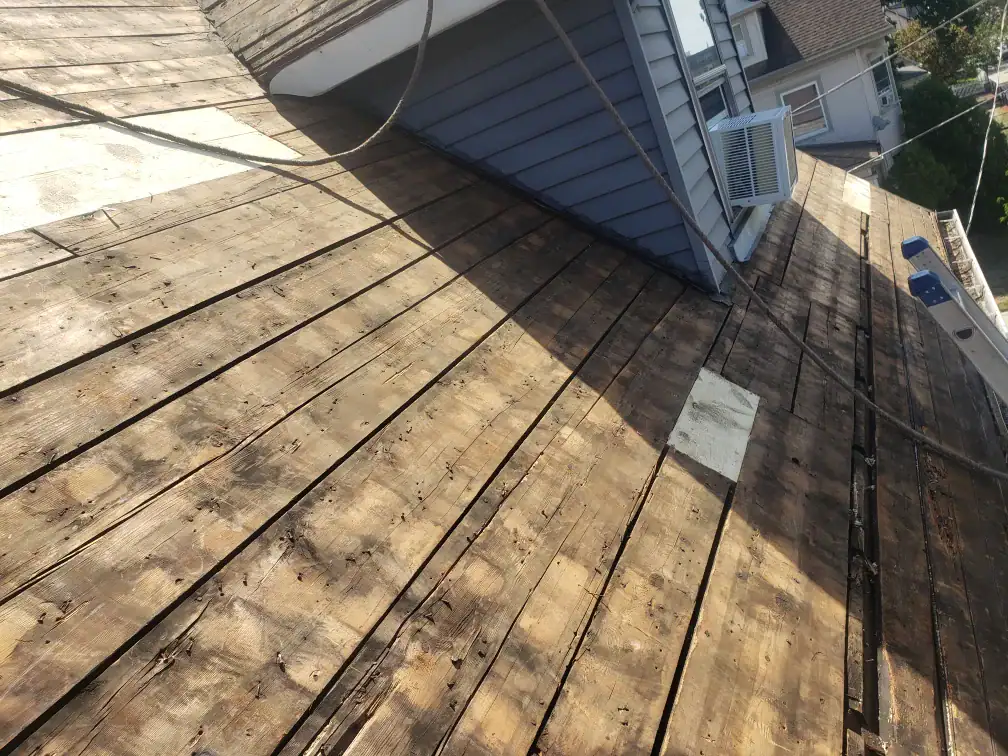
Your siding isn’t just there to look good. It’s your home’s first line of defense against wind, rain, ice, and everything New Hampshire throws at it. When it’s maintained right, it does its job quietly. When it’s not, you’re looking at water intrusion, mold growth, and repair bills that could’ve been avoided.
Regular cleaning vinyl siding in Bedford, NH means more than hosing it down once a year. It means removing the dirt, mildew, and organic buildup that breaks down your siding’s protective layer. It means inspecting for cracks, loose panels, and early signs of moisture damage before they turn into bigger headaches.
You get a home that holds its value. You avoid the kind of damage that starts small and spreads fast. And you don’t waste time wondering if you’re doing it right or if you just made it worse.
We’ve been working on homes in Bedford and across the North Shore since 2012. We’re an Owens Corning Preferred Contractor, which means we’ve met strict standards for quality and reliability. That’s not marketing talk—it’s a credential that requires proof.
Bedford homeowners know what matters: quality work, straight answers, and people who show up when they say they will. Your homes here average over $766,000 in value. You’re not looking for the cheapest option. You’re looking for someone who understands what’s at stake and knows how to protect it.
We handle siding maintenance the same way we handle every job—with attention to detail and a focus on long-term results, not quick fixes.
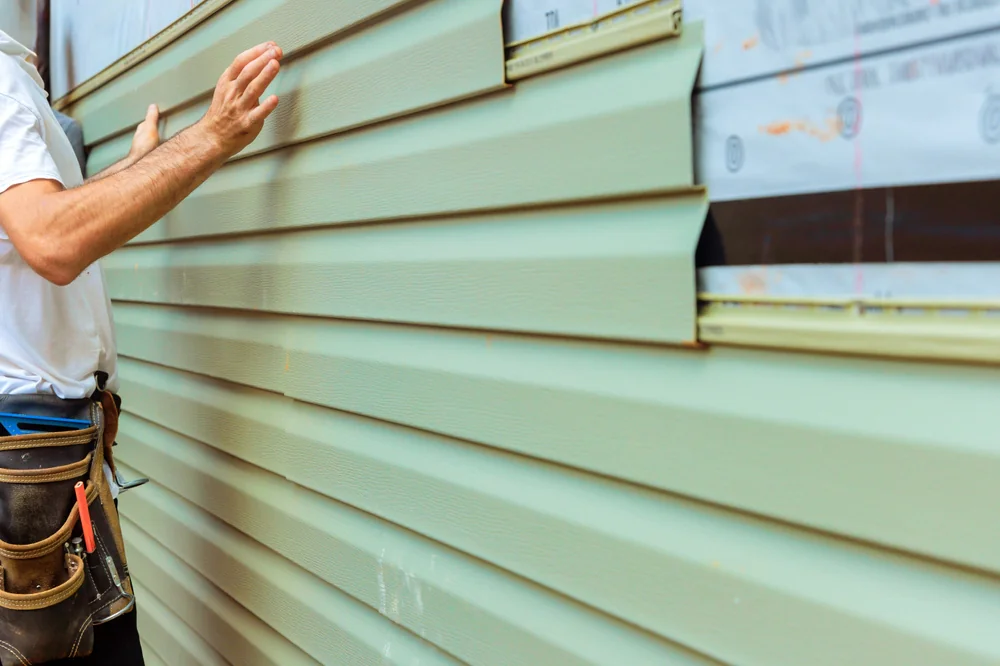
First, we inspect. We’re looking for loose panels, cracks, warping, gaps around windows and doors, and any signs of water getting where it shouldn’t. We check for mold and mildew removal needs, especially in shaded areas where moisture sits longer. This isn’t a quick walk-around—it’s a full siding inspection checklist in Bedford, NH that catches what most homeowners miss.
Next, we clean. Depending on your siding type and condition, we’ll use either soft washing or low-pressure techniques. Power washing vs soft washing isn’t just preference—it’s about what your siding can handle. Vinyl siding doesn’t need high pressure. Too much force pushes water behind the panels or cracks the surface. We use the right approach for the material, not the fastest one.
After cleaning, we address what we found. Minor repairs, caulking gaps, replacing damaged sections—we handle it while we’re there. You get a clear explanation of what we did, what we saw, and what (if anything) you should keep an eye on going forward.
Ready to get started?
You’re not just paying for someone to spray your house. You’re getting a full assessment of your siding’s condition, professional cleaning that won’t damage the material, and repairs that prevent small issues from becoming expensive ones.
In Bedford, NH, your siding deals with freezing winters and humid summers. Vinyl contracts and expands. Wood swells with moisture. Mold and mildew show up in the usual spots—north-facing walls, under eaves, anywhere water drains slowly. We know where to look and how to treat it without just covering up the problem.
We also know that 80% of Bedford homes are single-family detached properties, many with premium siding materials that require specific care. Whether it’s vinyl, fiber cement, or wood, we adjust our approach based on what’s actually on your house. That means using biodegradable cleaning solutions, the right pressure levels, and techniques that extend your siding’s lifespan instead of shortening it.
This is maintenance that protects your home’s energy efficiency, curb appeal, and structural integrity. It’s how you avoid premature replacement and keep your siding doing what it’s supposed to do.
Most homes in Bedford benefit from professional cleaning once a year, ideally in late spring or early fall. That timing lets you remove winter grime and prep for summer, or clean up before winter sets in.
If your home is surrounded by trees, sits in a shaded area, or you’ve noticed mold and mildew building up faster, twice a year makes more sense. Organic growth doesn’t just sit on the surface—it works its way into seams and under panels if left alone.
The goal isn’t just appearance. Regular cleaning prevents the kind of buildup that traps moisture against your siding and accelerates wear. You’re extending the lifespan of your siding and catching problems while they’re still small.
Power washing uses high pressure to blast away dirt. Soft washing uses low pressure and specialized cleaning solutions to break down grime, mold, and mildew without force. For vinyl siding, soft washing is almost always the better choice.
High pressure can crack vinyl, force water behind panels, or loosen pieces that were otherwise fine. It’s fast, but it’s risky. Soft washing takes a bit longer, but it cleans just as well without the damage risk. We use biodegradable solutions that kill mold at the root and rinse clean without residue.
If you’ve got tougher stains or specific problem areas, we adjust pressure carefully and target those spots. But the default for vinyl siding in Bedford, NH is always the safest effective method—not the most aggressive one.
You can clean your own siding if you’ve got the right equipment, know how to wash house siding in Bedford without damaging it, and have the time to do it thoroughly. Most homeowners don’t check all those boxes, and that’s where problems start.
The biggest risks are using too much pressure, missing early damage during cleaning, and not treating mold properly. If you just spray and rinse, you’re removing surface dirt but leaving the roots of mold and mildew behind. It’ll come back faster, and you’ll think cleaning doesn’t work.
Hiring a professional means you get a full inspection along with the cleaning. We catch loose panels, cracks, gaps, and moisture issues that aren’t obvious from the ground. You’re not just getting a cleaner house—you’re getting a diagnostic check that prevents expensive repairs down the line.
Mold and mildew removal in Bedford, NH starts with the right cleaning solution, not brute force. We use biodegradable treatments that break down mold at the source, killing spores so they don’t just grow back in a few weeks.
We apply the solution, let it sit long enough to work, then rinse with controlled pressure. For vinyl siding, that means low pressure and the right angle to avoid forcing water behind the panels. For wood siding, we’re even more careful to avoid oversaturation.
If mold has spread behind the siding or into seams, cleaning the surface won’t fix it. That’s why inspection matters. We’ll tell you if it’s a cleaning issue or if there’s a ventilation or moisture problem that needs a different fix. You don’t want to keep treating symptoms when the real issue is water getting where it shouldn’t.
Start with the obvious: cracks, warping, loose or missing panels, and any sections that look faded or discolored compared to the rest. Check around windows, doors, and corners where water tends to collect. Look for gaps in caulking or areas where panels don’t sit flush.
Then check for mold, mildew, or green algae growth, especially on north-facing walls or anywhere shade keeps things damp. If you see bubbling, bulging, or soft spots, that’s a sign water has gotten behind the siding. Don’t ignore it.
A real siding inspection checklist in Bedford, NH also includes checking your soffit, fascia, and any trim work. Damage often starts at the edges and works inward. If you’re not sure what you’re looking at or you spot something that doesn’t look right, call someone who does this regularly. Catching it early is always cheaper than waiting.
Yes, but not in the way most people think. Clean, well-maintained siding doesn’t directly insulate your home, but it protects the insulation and moisture barriers behind it. When siding is cracked, loose, or damaged, air and water get into places they shouldn’t. That compromises your home’s thermal envelope.
In Bedford, where winter temperatures drop hard and summer humidity climbs, even small gaps make your HVAC work harder. You’re losing conditioned air and paying for it every month. Keeping your siding intact and properly sealed keeps your energy bills lower and your home more comfortable.
Regular maintenance also catches issues before they become structural problems. Water intrusion doesn’t just raise your heating bill—it rots sheathing, damages insulation, and creates mold inside your walls. Siding maintenance is one of the simplest ways to protect your home’s efficiency and avoid those kinds of repairs.