Hear from Our Customers

You’re dealing with drafts in winter, hot spots in summer, and exterior paint that won’t hold up. That’s not a cosmetic issue—it’s your siding failing to do its job.
New siding benefits go beyond looks. You’ll notice the difference when your heating bill drops 10-20% because air isn’t leaking through cracked boards. You’ll appreciate it when storms roll through and water stays outside where it belongs instead of soaking into your walls.
Fiber cement siding in Waltham handles freeze-thaw cycles without warping. Vinyl siding installation requires almost zero maintenance compared to wood that needs scraping and repainting every few years. We’re James Hardie installers in Waltham who know how to lock in energy efficiency while giving your home the protection it actually needs in this climate.
Paradise Remodeling Inc works throughout Waltham and the surrounding communities. We’re an Owens Corning Preferred Contractor, which means we meet strict standards most companies don’t qualify for.
Waltham’s mix of historic homes and newer construction means every job is different. We’ve handled everything from Colonial-era exteriors that need careful updates to modern builds where energy efficiency is the priority. Our crews understand how coastal weather and temperature extremes affect different materials, so you get recommendations based on what actually works here—not what’s easiest to install.
You’ll get straight answers during the estimate, professional work during installation, and follow-up that doesn’t disappear once the job’s done.
We start with an inspection of your current exterior. You’ll see where moisture is getting in, where insulation is failing, and what’s causing those cold spots you’ve been noticing. Then we walk through material options—fiber cement siding cost versus vinyl, color choices that hold up in UV exposure, warranties that actually mean something.
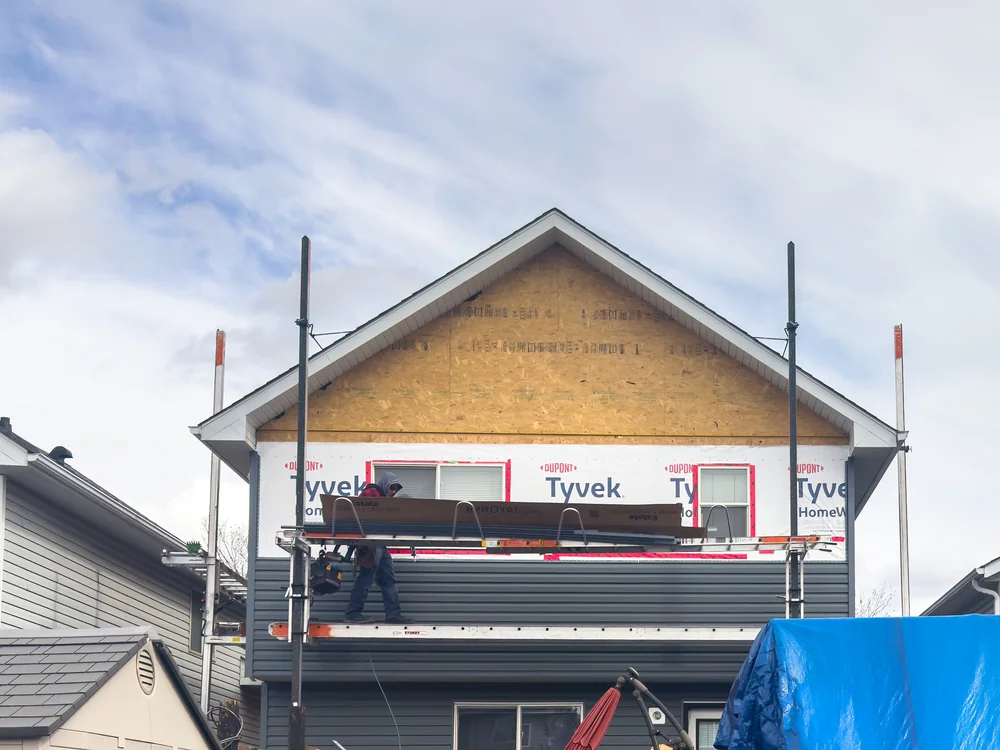
Once you approve the plan, we handle permits and scheduling. Installation starts with house wrapping, which seals your exterior and stops air infiltration before the first board goes up. This step matters more than most homeowners realize—it’s what keeps humidity out in summer and heat in during winter, and it extends your HVAC system’s life by reducing the load.
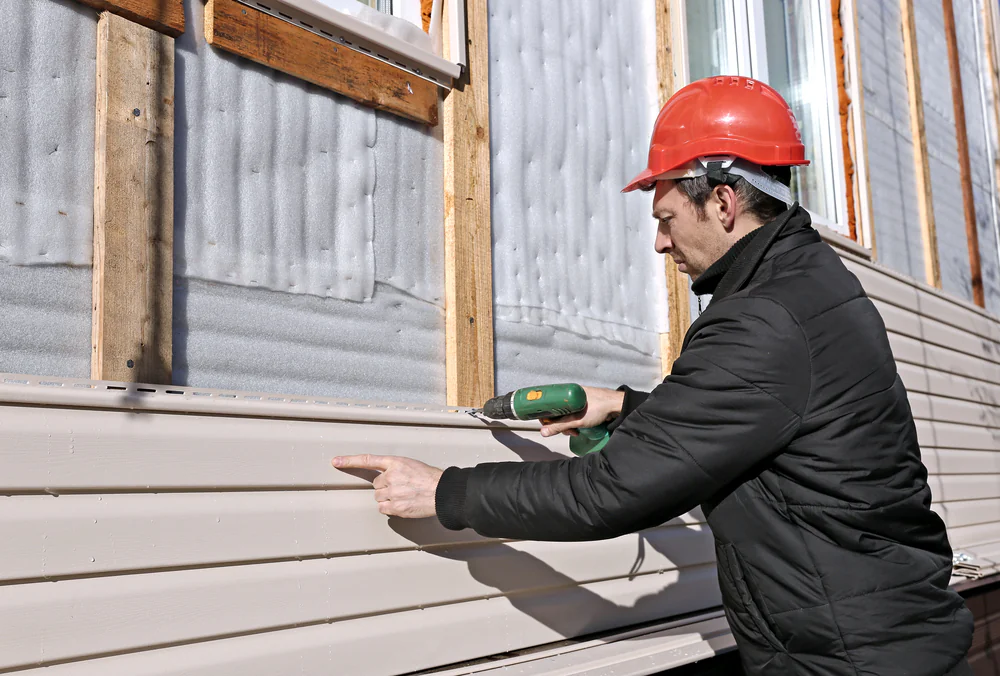
After wrapping, we install your siding with proper flashing, ventilation, and fastening techniques. Corners get sealed. Seams get staggered. Everything gets checked twice. You’re not waiting months for this—most installations finish in days, not weeks. And when we’re done, you’ll have an exterior that works as hard as it looks good.
Ready to get started?
Siding installation in Waltham isn’t just about covering up old boards. You’re fixing the thermal envelope that keeps your home comfortable and efficient.
James Hardie fiber cement is engineered specifically for climates like ours—freezing winters, high humidity, temperature swings that crack lesser materials. It won’t burn, won’t melt, and won’t feed a fire if one starts. Many insurance companies recognize that and offer lower rates because of it. The ColorPlus finish resists fading better than field-applied paint, so you’re not repainting in five years.
Vinyl siding installation in Waltham costs less upfront and still delivers serious durability. Modern vinyl handles cold without cracking and doesn’t rot when moisture shows up. Maintenance is minimal—usually just a hose and some soap once a year.
Both options improve your home’s resale value. According to Remodeling’s Cost vs. Value Report, you’ll recoup around 80% of your investment when you sell. But more importantly, you’ll stop losing money on heating and cooling while you live here.
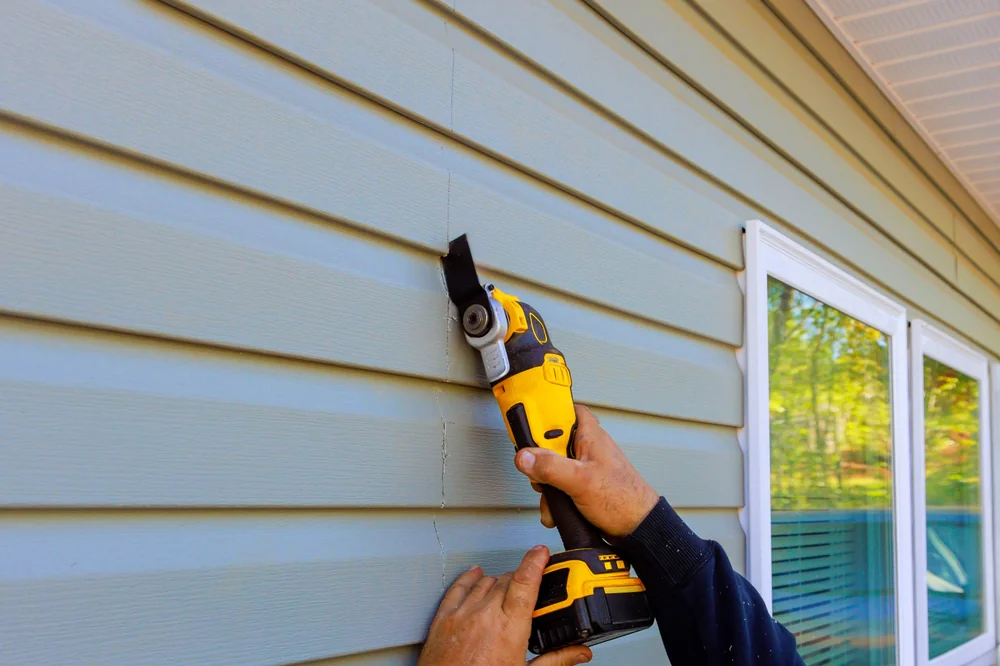
Fiber cement siding costs more upfront but lasts longer and needs less maintenance over time. In Middlesex County, vinyl siding installation typically runs $4,765 to $6,479 for materials, while full installations on standard single-family homes range from $12,000 to $28,000 depending on size and complexity.
James Hardie fiber cement costs more—usually 20-30% higher than vinyl—but you’re paying for fire resistance, better impact protection, and longer color retention. Vinyl might need replacement in 20-25 years. Fiber cement can last 50+ years with minimal upkeep.
The real question is what matters more to you: lower initial cost or lower lifetime cost. If you’re planning to stay in your Waltham home long-term, fiber cement usually wins. If you’re looking for solid performance at a better price point, quality vinyl siding gets the job done without breaking the budget.
James Hardie installers go through specific training and certification that general contractors don’t. The product itself is engineered differently depending on your climate zone, and Waltham falls into HardieZone 5—which means the boards are manufactured to handle freeze-thaw cycles, snow load, and moisture levels specific to New England.
If your installer doesn’t understand how to work with these climate-specific products, you won’t get the performance James Hardie designed into the material. Proper installation includes correct fastening depth, expansion gaps for temperature changes, and flashing details that matter in wet climates like ours.
You also get better warranty coverage when certified installers do the work. James Hardie’s 30-year limited warranty is non-prorated and transferable, but only if installation meets their standards. That means the protection you have now is the same protection the next owner gets if you sell. Most contractors can hang siding. We’re certified James Hardie installers who know how to make it perform the way it’s supposed to.
House wrapping isn’t optional if you want your siding to actually protect your home. It’s a weather-resistant barrier that goes on before siding, and it stops air and moisture from getting into your wall cavities.
Without it, you’re relying entirely on the siding itself to keep water out. But siding isn’t waterproof—it’s water-resistant. Wind-driven rain will find its way behind boards, especially during nor’easters. If there’s no house wrap, that water soaks into your sheathing and insulation. You end up with mold, rot, and structural damage that costs way more to fix than the wrap would’ve cost in the first place.
House wrapping also improves energy efficiency by sealing air leaks. Those drafts you feel in winter? A lot of that is air moving through gaps in your exterior. Proper wrapping stops the infiltration, which lowers your heating and cooling costs and makes your HVAC system work less. It’s not an upsell—it’s the foundation of a siding job done right.
Most siding installations on standard single-family homes in Waltham take 5 to 10 days, depending on size, material, and weather. Smaller homes or straightforward layouts might finish faster. Larger homes with complex architecture, multiple stories, or detail work around windows and trim will take longer.
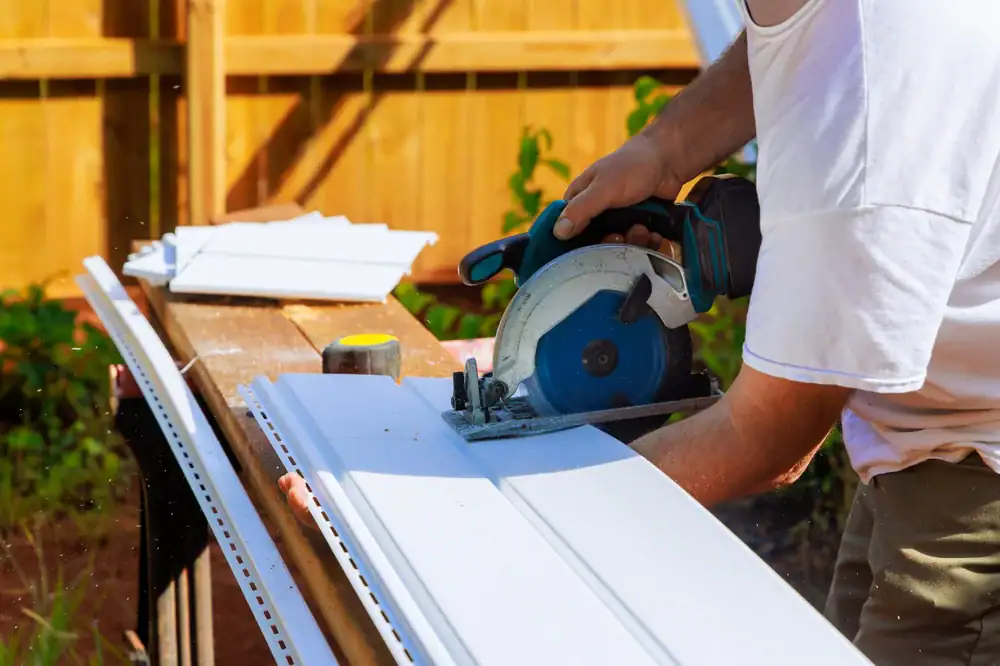
Vinyl siding installation usually moves quicker because the material is lighter and easier to cut. Fiber cement takes more time because it’s heavier, requires different cutting tools, and needs more precise installation techniques to handle expansion and contraction.
Weather plays a role too. We can’t install in heavy rain or freezing temperatures, so projects scheduled in late fall or early spring might have delays. Summer and early fall offer the most predictable timelines. Once we start, though, we don’t drag it out. You’ll have a crew on-site working efficiently until the job’s complete—not bouncing between multiple projects and leaving yours half-done for weeks.
Yes, but only if the installation includes proper insulation and air sealing. Siding alone won’t do much. The real energy savings come from eliminating gaps where air leaks through your exterior and upgrading insulation behind the new siding.
Most homeowners see 10-20% reductions in heating and cooling costs after a full siding upgrade that includes house wrapping and insulation improvements. That’s because you’re stopping conditioned air from escaping and preventing outside air from getting in. Your furnace and AC don’t have to work as hard to maintain temperature, which shows up on your utility bills.
Waltham’s temperature swings make this especially noticeable. When it’s 15 degrees in January or 90 degrees in July, a well-sealed exterior keeps your indoor climate stable without constantly running your HVAC. Massachusetts also offers Mass Save incentives for energy-efficiency improvements, including insulation and air sealing. Depending on your project, you could get 75-100% of those upgrades discounted, plus access to 0% financing up to $25,000 through their HEAT Loan program.
Late spring through early fall gives you the best combination of weather, availability, and installation conditions. Temperatures are moderate, rain is less frequent, and materials perform better during installation when it’s not freezing or extremely hot.
Summer is the busiest season for siding contractors in Waltham, which means higher prices and longer wait times. If you’re flexible, late September through October often brings discounts because we want to fill our schedules before winter. The weather’s still good, and you’ll usually get faster turnaround.
Winter installations are possible but come with limitations. Some materials don’t install well in freezing temperatures, and snow or ice can delay the project. If you need siding replaced urgently because of damage, we can work around weather constraints—but if you’re planning ahead, aim for shoulder seasons when conditions are predictable and pricing is more competitive.