Hear from Our Customers

You stop worrying about what winter’s doing to your exterior. The drafts around windows disappear, your heating bills drop, and you’re not repainting every few years because the material can’t handle the climate.
Properly installed siding in Rye, NH means your house wrap is actually there—not skipped to save a few bucks. That’s the difference between moisture protection and a slow rot you won’t see until it’s expensive.
When fiber cement siding or quality vinyl goes on correctly, you’re looking at decades of performance. No peeling, no warping when humidity spikes in July, and no salt damage eating through your investment. Your home looks sharp, stays comfortable, and the work is done right the first time.
Paradise Remodeling Inc has been handling exterior work in New Hampshire long enough to know what fails and what lasts. We’re an Owens Corning Preferred Contractor, which means we’ve met standards most companies don’t bother with.
Rye homeowners deal with conditions that test every material choice. We’ve seen what happens when corners get cut on coastal installs, and we’ve fixed plenty of those jobs. Our crews show up on time, they know the difference between doing it fast and doing it right, and they don’t leave until the work meets the standard you’re paying for.
You’re not getting the cheapest bid. You’re getting house wrapping that actually goes on, flashing that’s done correctly, and siding installation in Rye, NH that considers what the next twenty winters will throw at it.
We start with an assessment of what you’ve got now—checking for rot, moisture damage, and whether your sheathing is solid. If there’s an issue underneath, you’ll know before we quote the siding work.
Once we’re clear on scope, you’ll choose your material. Vinyl siding installation in Rye, NH is popular because it’s low maintenance and handles salt air well. Fiber cement siding costs more upfront but gives you superior durability and fire resistance. As James Hardie installers, we can walk you through why that material performs differently in coastal climates.
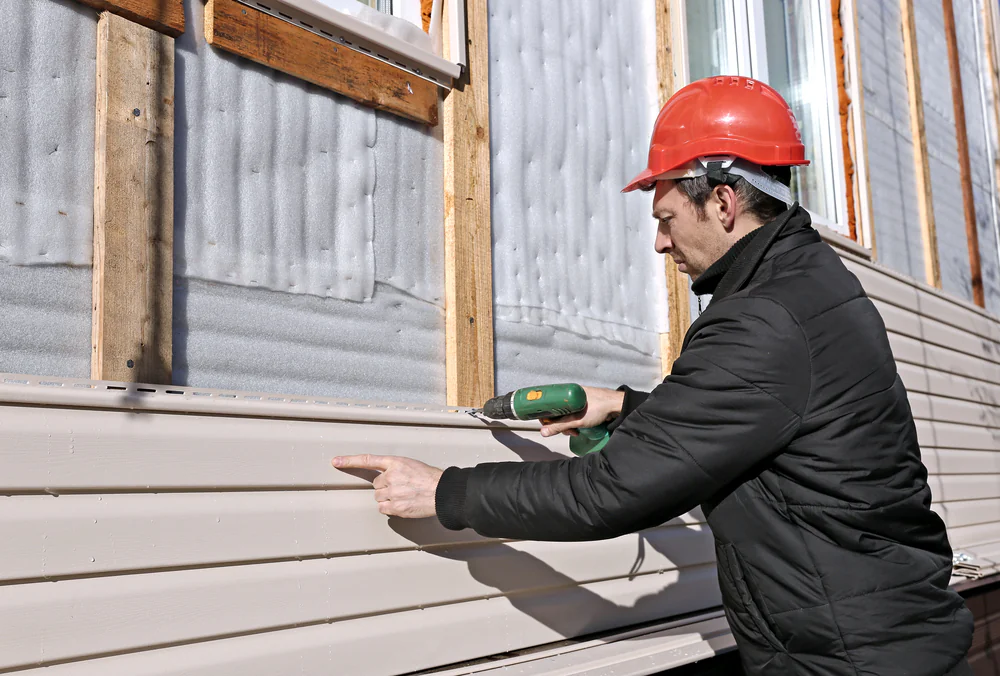
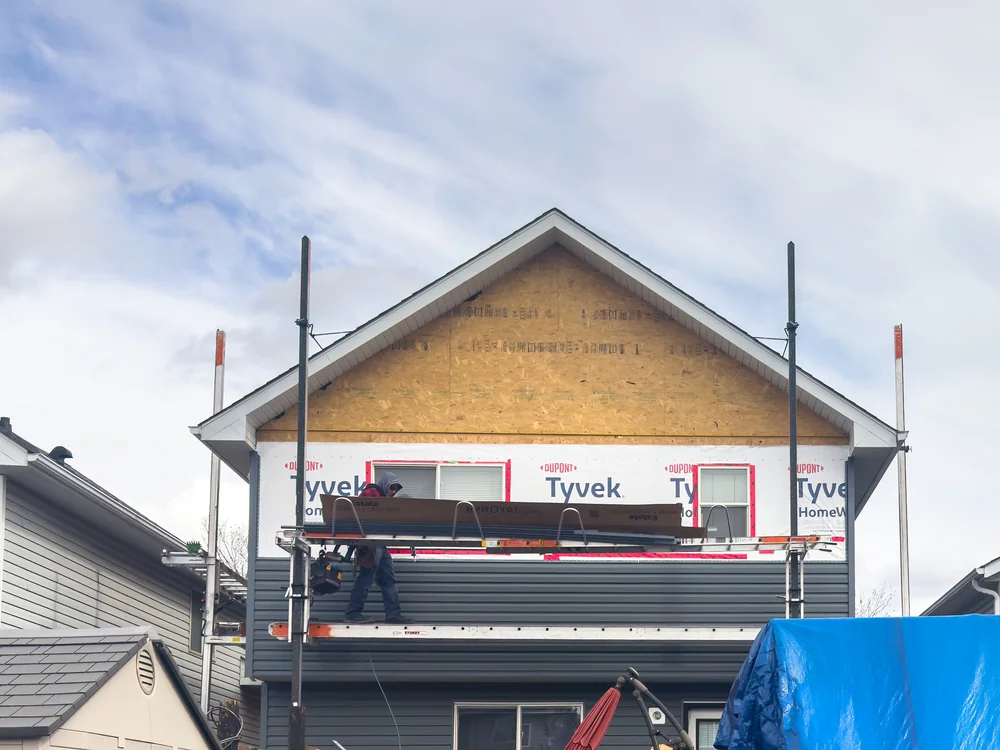
Then comes house wrapping—the step some contractors try to skip. We don’t. It goes on before siding does, creating a moisture barrier that keeps your walls dry and your insulation effective. After that, siding goes up with proper fastening, correct overlap, and attention to expansion gaps that matter when temperatures swing forty degrees in a day.
Ready to get started?
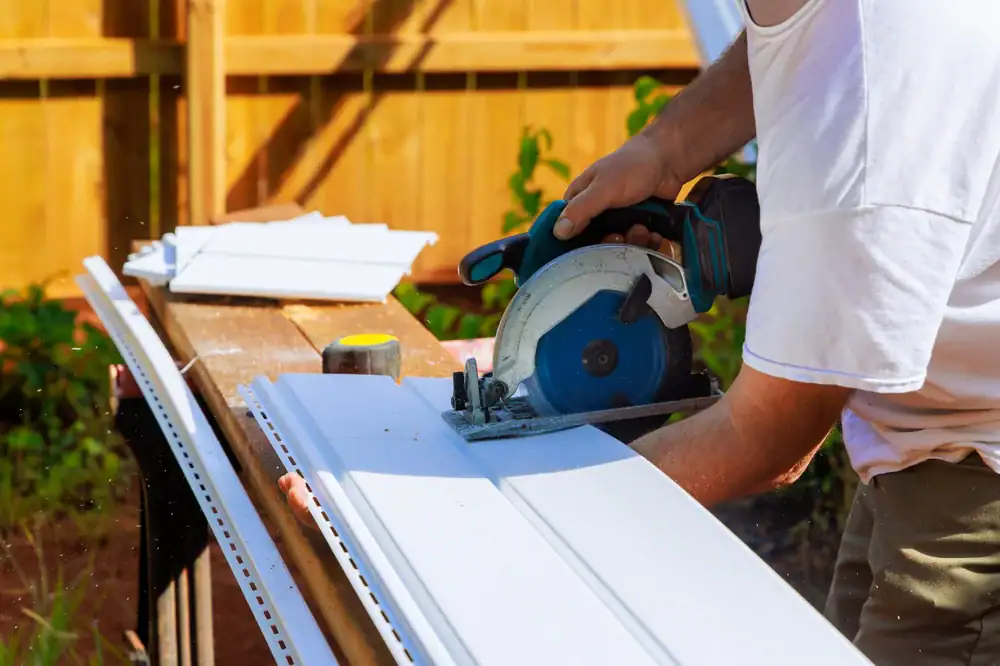
Fiber cement siding cost in Rye, NH runs higher than vinyl—usually 30-50% more—but you’re buying a material that won’t dent, won’t melt near grill heat, and won’t need replacement in fifteen years. It’s engineered for the freeze-thaw cycles and moisture loads that New Hampshire throws at you.
As James Hardie installers, we charge more because the product requires specific training and installation methods. Cut a corner on fastener placement or joint flashing, and you’ve voided the warranty. We’re certified, which means the work is done to manufacturer specs and your coverage stays intact.
House wrapping adds another layer of cost, but it’s the difference between siding that breathes correctly and one that traps moisture. In Rye, NH, where coastal humidity is a constant, that wrap prevents the kind of hidden rot that turns a siding job into a wall rebuild.
You’ll also get proper trim work, caulking that’s rated for exterior movement, and a crew that cleans up daily. The job takes longer when it’s done right. That’s the point.
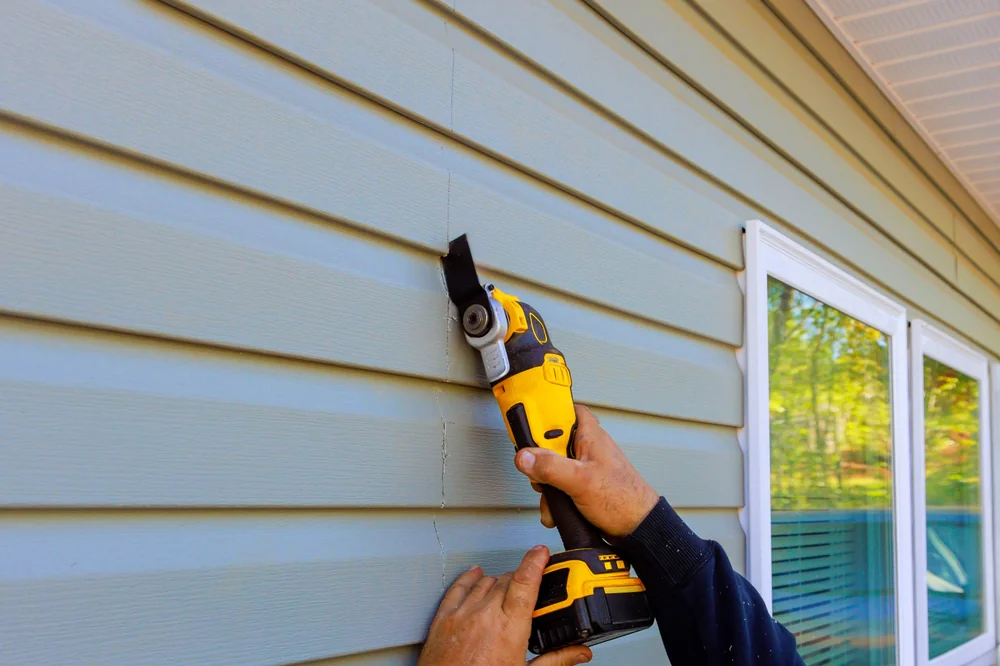
Most siding installations on a standard home take one to two weeks, depending on size and material. Fiber cement siding takes longer than vinyl because it requires more precise cutting and fastening.
Weather plays a role here. Coastal conditions in Rye, NH can delay work if we’re dealing with high winds or heavy rain—we’re not installing house wrapping or siding in conditions that compromise the integrity of the job.
If we find rot or sheathing damage during teardown, that adds time. We’ll let you know immediately, but fixing underlying issues before new siding goes on isn’t optional. You don’t want to cover up a problem that’ll cost you more later.
Vinyl siding installation in Rye, NH gives you low maintenance and solid performance in salt air. It won’t rust, it won’t rot, and quality vinyl handles temperature swings without cracking. It’s lighter, faster to install, and costs less upfront.
Fiber cement is heavier, more impact-resistant, and holds up better against hail or debris from storms. It’s also more fire-resistant, which matters if you’re near wooded areas. The fiber cement siding cost is higher, but you’re looking at a 30-50 year lifespan with minimal maintenance.
For coastal exposure, both work—but fiber cement edges out vinyl in durability and resale value. If you’re planning to stay in the home long-term and want the most robust option, we’ll tell you fiber cement is worth the investment. If budget is tighter and you still want quality, vinyl is a smart choice.
You need it. House wrapping in Rye, NH isn’t optional if you want your siding to perform correctly. It’s a weather-resistant barrier that stops water infiltration while letting moisture vapor escape from inside your walls.
Without it, you’re relying on siding alone to keep moisture out. Siding has seams, joints, and fastener holes—water will find its way through. When it does, and there’s no house wrap, you’re looking at soaked sheathing, wet insulation, and eventually mold or rot.
Some contractors skip it to lower their bid. That’s not a deal—it’s a liability. The new siding benefits you’re paying for disappear if the system underneath fails. We install house wrap on every job because it’s how the system is supposed to work, and it’s what keeps your investment from turning into a repair nightmare five years down the line.
Vinyl siding installation in Rye, NH typically runs $8,000 to $15,000 for an average-sized home, depending on quality and scope. Fiber cement siding cost is higher—expect $15,000 to $25,000 or more for the same house, factoring in material and labor differences.
Those ranges assume standard prep work. If we’re tearing off multiple layers of old siding, repairing sheathing, or dealing with complex trim details, costs go up. Coastal homes sometimes need extra flashing or moisture barriers, especially around windows and doors where wind-driven rain is an issue.
As James Hardie installers, we charge a premium because the product and installation process require certification and precision. You’re also paying for warranties that actually hold up—but only if the work meets manufacturer standards. Cheap bids usually mean shortcuts, and in Rye’s climate, shortcuts show up fast.
Fiber cement and quality vinyl both perform well in Rye, NH, but for different reasons. Fiber cement handles freeze-thaw cycles, resists impact damage, and doesn’t warp in humidity. It’s the most durable option for coastal exposure and the one that holds value longest.
Vinyl siding installation in Rye, NH works if you choose thicker profiles with good warranties. Cheap vinyl will crack in cold snaps and fade in UV exposure. The mid-to-high-grade stuff handles salt air and temperature swings without issues, and it’s significantly lighter and easier to maintain.
Wood siding looks great but demands constant upkeep in coastal climates—paint, stain, rot checks. Most homeowners don’t want that maintenance load. Aluminum dents too easily and shows salt corrosion over time. If you want new siding benefits without constant babysitting, fiber cement or quality vinyl are your best bets.
We can install siding in winter as long as temperatures stay above the manufacturer’s minimum—usually around 40°F for vinyl and slightly lower for fiber cement. The bigger issue is wind, ice, and whether conditions let us do the job correctly.
House wrapping needs to seal properly, and that’s harder when it’s freezing. Caulking and flashing materials also have temperature limits. If it’s too cold, adhesion fails, and you end up with gaps that defeat the whole point of a weather-tight install.
We won’t push a job in bad conditions just to get it done. Siding installation in Rye, NH during winter is possible, but we’re watching forecasts and material specs closely. If waiting a few weeks means the difference between a solid install and one that fails in two years, we’ll tell you to wait.