Hear from Our Customers

Your heating bills drop. That’s the first thing most North Andover homeowners notice after a proper siding installation—rooms stay warmer in January without cranking the thermostat. Quality siding with house wrapping cuts energy loss by up to 25%, which means real savings every month.
The maintenance stops too. No more scraping, repainting, or patching every few years. Fiber cement siding lasts as long as brick, and vinyl siding installation eliminates the repaint cycle entirely—what you see during install is what you get for decades.
Then there’s the weather protection. North Andover gets hit with freezing temps, ice, snow, summer humidity, and everything between. Siding that’s engineered for this climate—like James Hardie’s HZ5 formulation—handles the expansion, contraction, moisture, and wind without cracking or warping. Your exterior walls stay protected, your home stays dry, and you’re not dealing with rot or mold down the line.
And if you’re thinking about selling? New siding delivers over 70% ROI. It’s one of the few upgrades that pays you back while you live there and again when you sell.
We’ve been serving North Andover and the surrounding communities since 2006, officially operating as a licensed contractor since 2012. We’re an Owens Corning Preferred Contractor, which means we meet strict standards for quality and service—not just anyone gets that designation.
We focus on fiber cement and vinyl siding installation because those materials actually perform in Massachusetts weather. We don’t cut corners on house wrapping, flashing, or prep work. Those steps matter as much as the siding itself, and skipping them is how you end up with leaks, drafts, and callbacks.
North Andover has a mix of historic homes and newer construction, and we’ve worked on both. Whether you’re updating a Victorian on Main Street or replacing builder-grade siding on a newer home, the process is the same: proper prep, quality materials, and installation that’s done right the first time.
We start with an on-site estimate. You show us what you’re dealing with—old siding, damage, problem areas—and we assess what needs to happen. We measure, check for underlying issues like rot or water damage, and talk through material options. You’ll get a written estimate that breaks down costs, timeline, and what’s included.
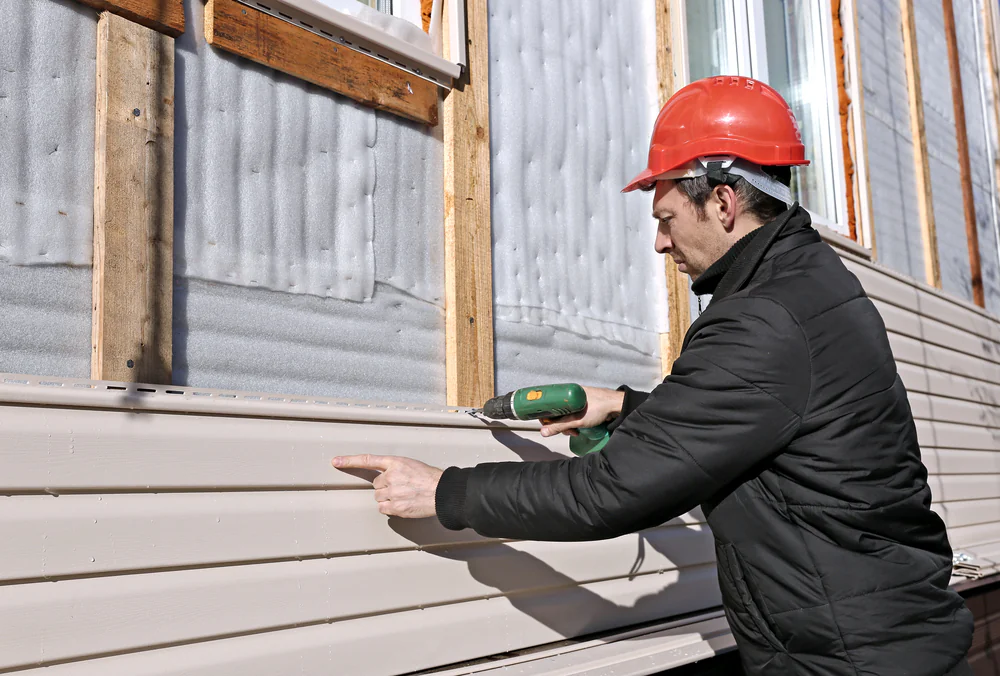
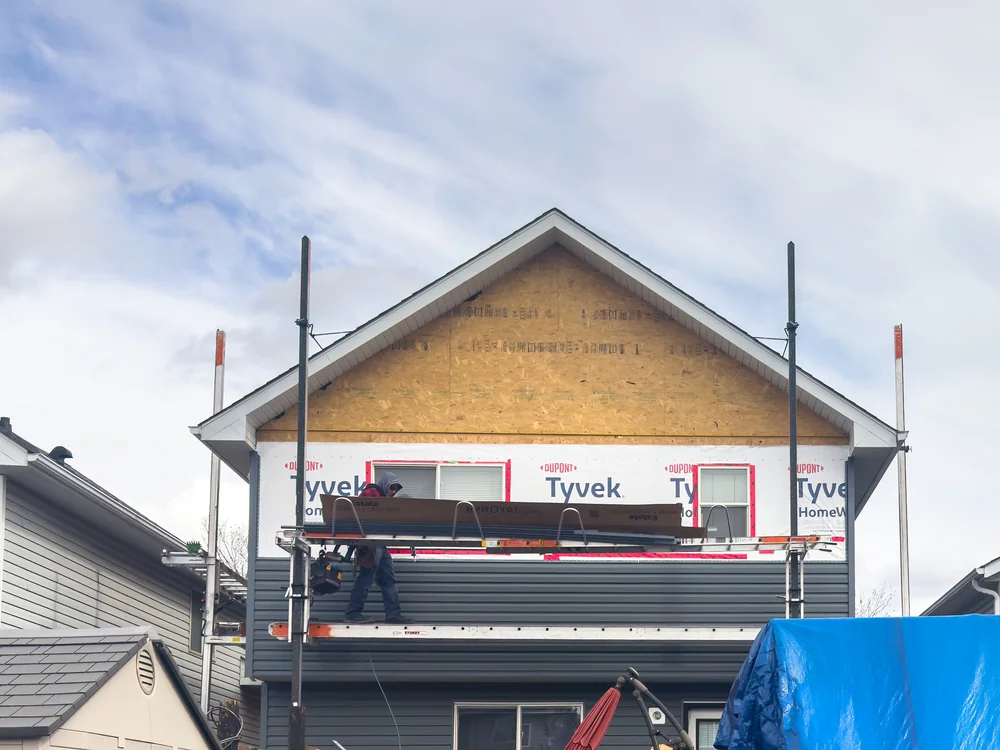
Once you’re ready to move forward, we schedule the work. Most siding installations in North Andover take one to two weeks depending on home size and weather. We remove the old siding, inspect and repair sheathing if needed, install house wrapping for moisture protection, then put up the new siding with proper flashing around windows and doors.
The house wrapping step is critical. It’s a weather-resistant barrier that stops water infiltration and air leaks—without it, even the best siding won’t perform. We make sure it’s done right because that’s where most problems start when contractors rush.
After installation, we walk the property with you. You see the finished work, we answer any questions, and we clean up completely. No debris, no mess left behind. You get documentation on materials and warranties, and we’re available if anything comes up down the road.
Ready to get started?
A complete siding installation in North Andover, MA covers more than just nailing up panels. You’re getting full removal of old siding, inspection and repair of any damaged sheathing or framing, installation of house wrapping, new siding material, trim work, and flashing around all openings.
We install both vinyl siding and fiber cement options. Vinyl is the most common choice among North Andover homeowners—it’s durable, low-maintenance, and handles freeze-thaw cycles well. Fiber cement, particularly James Hardie, costs more upfront but delivers better fire resistance, impact resistance, and longevity. It’s five times thicker than vinyl and rated for 140mph winds.
For North Andover’s climate, we use James Hardie’s HZ5 product line when customers choose fiber cement. It’s engineered specifically for the freeze-thaw cycles we get here—the material expands and contracts without cracking. That matters when you’re going from 10 degrees in February to 90 degrees in July.
The typical investment for siding installation runs between $10,000 and $25,000 depending on home size, material choice, and how much trim or repair work is needed. Fiber cement siding cost runs higher than vinyl, but the ROI is strong—you’re looking at 70% or better return, which beats most other remodeling projects.
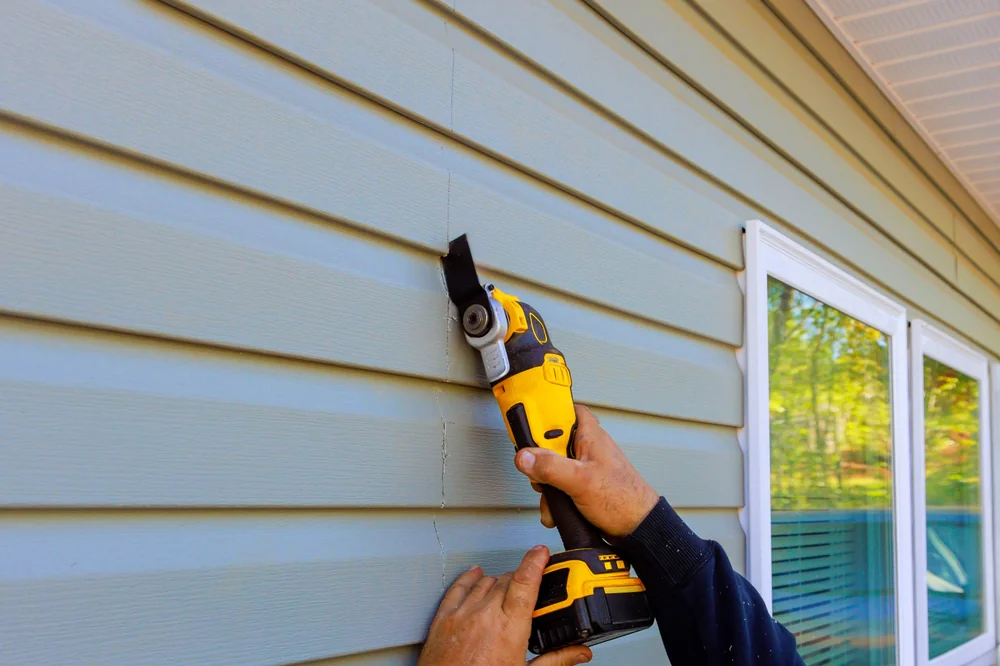
Most residential siding installations take one to two weeks from start to finish. Smaller homes or single-story ranches might wrap up in five to seven days. Larger two-story homes with complex trim or multiple gables can stretch to three weeks.
Weather affects the timeline. If we’re installing in late fall or winter and hit a stretch of rain or freezing temps, we pause until conditions allow proper installation. Siding needs to be installed within specific temperature ranges to perform correctly—rushing it in bad weather creates problems later.
The process breaks down like this: one to two days for removal and prep, one day for house wrapping and flashing, then three to ten days for siding installation depending on square footage. Final trim and cleanup add another day. We give you a specific timeline during the estimate based on your home.
Vinyl siding is lighter, costs less, and requires zero painting or staining. It’s made from PVC, comes in a wide range of colors, and holds up well in North Andover’s weather. The downside is it can crack on impact and doesn’t have the same fire resistance as fiber cement.
Fiber cement—like James Hardie—is a mix of cement, sand, and cellulose fibers. It’s significantly heavier, more impact-resistant, and non-combustible. It handles extreme temperature swings better than vinyl and comes with longer warranties. The tradeoff is higher cost—typically 30% to 50% more than vinyl—and it requires painting, though factory finishes like ColorPlus last 15+ years.
For North Andover homes, both work well. Vinyl siding installation is the most popular choice because of cost and performance. Fiber cement makes sense if you want maximum durability, live in a high-wind area, or want the look of wood siding without the maintenance. We help you weigh the options based on your budget and priorities.
Yes. House wrapping is a weather-resistant barrier that goes between your sheathing and siding. It blocks water from getting into your walls while allowing moisture vapor to escape. Without it, you’re vulnerable to water damage, mold, and rot—even with quality siding installed.
North Andover gets wind-driven rain, snow, and humidity. Water will find its way behind siding through seams, around windows, or anywhere flashing isn’t perfect. House wrapping is your backup protection. It also improves energy efficiency by reducing air infiltration, which matters during our cold winters.
Any reputable siding contractor includes house wrapping as standard. If someone quotes you a price without it, they’re either cutting corners or planning to charge you later as an “extra.” Proper installation means overlapping seams correctly, taping joints, and integrating it with window and door flashing. It adds maybe one day to the project but prevents thousands in potential damage.
Most North Andover homeowners spend between $10,000 and $25,000 for complete siding installation. Smaller homes with simple layouts fall on the lower end. Larger two-story homes with complex architecture, multiple gables, or extensive trim work push toward the higher end.
Vinyl siding installation typically costs $8 to $12 per square foot installed. Fiber cement siding runs $12 to $18 per square foot. Those prices include removal of old siding, house wrapping, new siding, trim, and labor. If we find rot or structural damage during removal, repairs add to the cost—but you need to fix those issues regardless.
Material choice drives the biggest price difference. James Hardie fiber cement costs more upfront but delivers better ROI and longer lifespan. Vinyl costs less and still performs well for decades. We provide detailed written estimates that break down materials, labor, and any additional work needed so you know exactly what you’re paying for.
Yes, if your current siding is old or poorly installed. Up to 25% of your home’s energy loss happens through exterior walls. New siding with proper house wrapping and insulation reduces air leaks and heat transfer, which means your heating and cooling systems work less.
The energy savings depend on what you’re replacing. If you’ve got old wood siding with gaps, missing insulation, or no house wrap, you’ll see noticeable improvement. If your current siding is relatively new and well-installed, the gains will be smaller. Foam-backed siding or adding insulation during installation increases efficiency further.
Most North Andover homeowners report lower heating bills the first winter after siding installation. The exact savings vary by home size, insulation levels, and how you heat and cool, but reducing energy loss by even 15% to 20% translates to real money over time. Combined with the 70%+ ROI on resale, it’s one of the few upgrades that pays you back while you live there.
Start with licensing and credentials. Any contractor doing siding installation in Massachusetts should be licensed, insured, and able to provide references. Look for manufacturer certifications—Owens Corning Preferred Contractor or James Hardie installers have met specific training and quality standards.
Check how long they’ve been working in the area. A contractor who’s been serving North Andover for years has a reputation to protect and knows local building codes. Read reviews, but focus on recent ones and look for patterns—do they show up on time, communicate well, handle problems professionally?
Get multiple estimates, but don’t just pick the lowest price. If one bid is significantly cheaper, ask what’s different—are they skipping house wrapping, using thinner materials, or rushing the job? Quality siding installation costs what it costs. We’ve seen plenty of homeowners pay twice—once for the cheap job, then again to fix it properly. Ask about timeline, what’s included, and how they handle unexpected issues like rot or damage found during removal.
Other Services we provide in North Andover