Hear from Our Customers

You’re not just covering your house. You’re sealing out moisture that rots sheathing, blocking drafts that spike your heating bill, and adding real resale value that appraisers notice from the curb.
Fiber cement siding installation in Newmarket, NH returns over 114% of its cost at resale according to 2025 industry data. Vinyl hits 97%. Both options cut energy costs by 15-20% annually when installed with proper house wrapping. That’s money back in your pocket every winter.
The difference shows up fast. Your furnace runs less. Ice dams shrink. That constant worry about what’s happening behind the walls? Gone. New siding benefits go deeper than curb appeal—they protect the structure itself from New Hampshire’s toughest weather.
We’ve been serving Newmarket, NH and the surrounding seacoast region with one focus: quality that holds up. We’re licensed, insured, and ranked in the top 8% of Massachusetts contractors by BuildZoom. Our Owens Corning Preferred Contractor status isn’t a badge—it’s a standard we maintain on every job.
You’ll work directly with a crew that knows how New England weather tests siding. We’ve seen what happens when installations skip the house wrap or rush the flashing. We don’t do that. If it takes longer or costs a bit more to do it right, that’s what we do.
Newmarket homeowners deal with coastal humidity, winter wind, and spring moisture. We account for all of it. Every seam. Every corner. Every panel gets installed like it’s our own house.
It starts with a free estimate at your Newmarket, NH home. We measure, inspect your current siding and sheathing, and talk through what you’re dealing with—whether that’s cracked panels, energy loss, or just worn-out material that’s done its time.
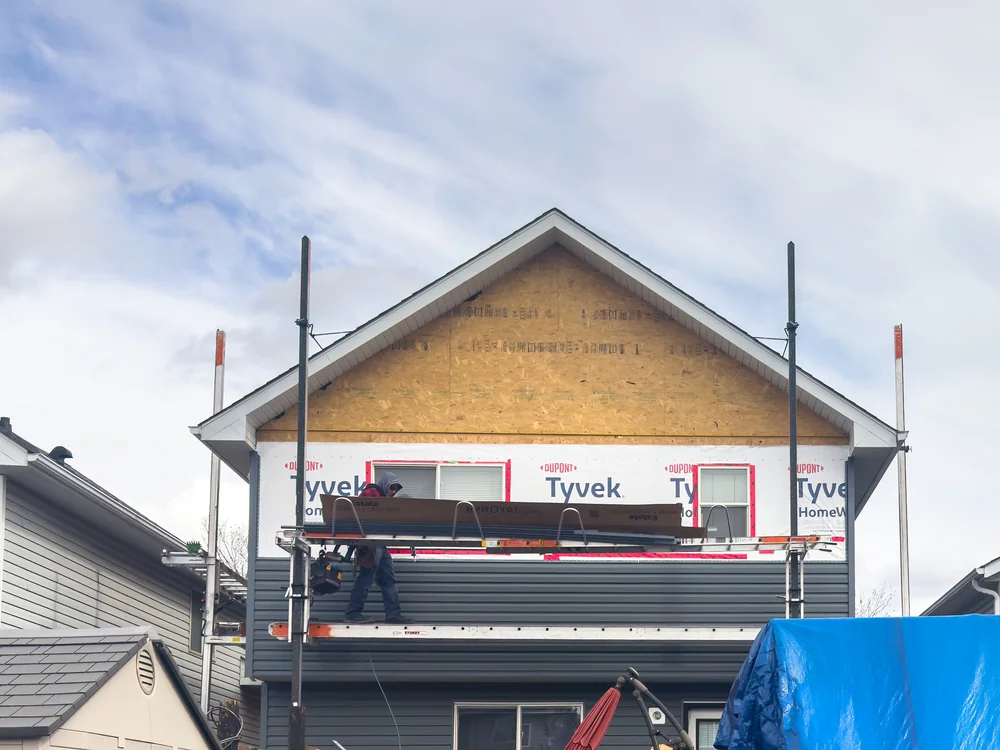
Once you approve the plan, we order materials and schedule the work. Before any new siding goes up, we install a high-quality house wrap that seals your walls against moisture and air infiltration. This step matters more than most people realize—it’s your real defense against rot and mold.
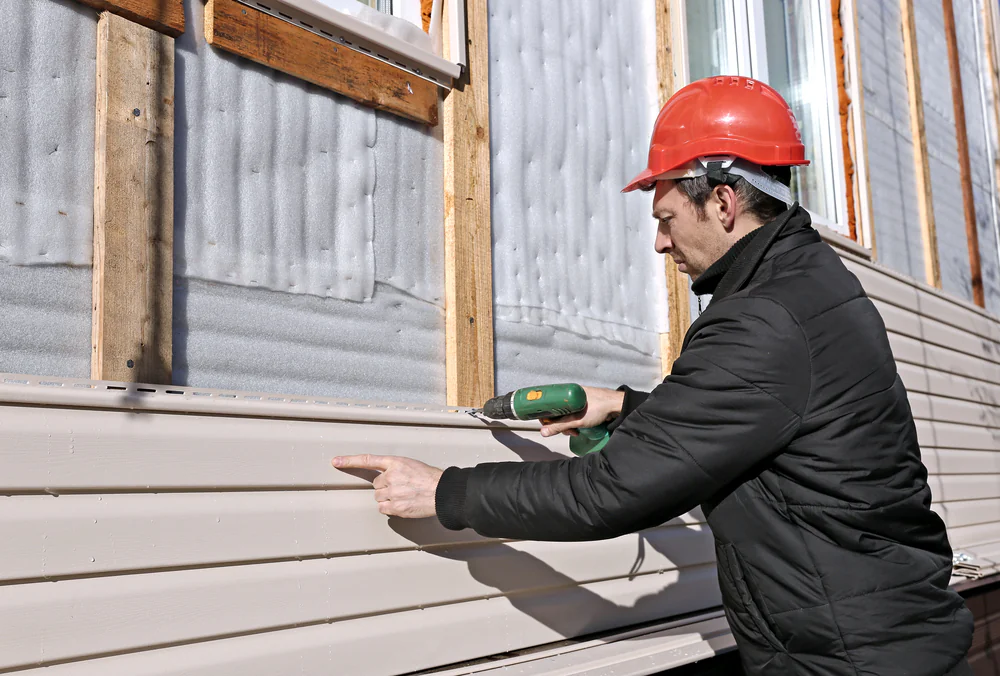
Then we install the siding itself. If you’re going with James Hardie fiber cement, you’re getting material engineered for this climate through their HardieZone system. If it’s insulated vinyl, we make sure every panel locks tight with no gaps. We handle flashing around windows and doors, seal every seam, and finish trim work that looks clean.
The final walkthrough is yours. We don’t leave until you’re clear on what was done and confident it’s right.
Ready to get started?
Vinyl siding installation in Newmarket, NH is still the most popular choice for good reason. It doesn’t rot, it resists pests, and when it’s insulated, it adds real R-value to your walls. Modern vinyl won’t crack in cold snaps the way older versions did. It’s low maintenance and comes in enough styles to match any home.
Fiber cement siding costs more upfront, but the ROI is higher and the durability is unmatched. As James Hardie installers in Newmarket, NH, we know this material won’t warp, won’t burn, and won’t feed termites or carpenter ants. It holds paint longer thanks to ColorPlus technology, and it’s specifically engineered to handle moisture and temperature swings.
Both options work. Your choice depends on budget, how long you plan to stay in the home, and what kind of maintenance you want to deal with long-term. We’ll walk you through the difference without pushing you toward the pricier option. What matters is that it fits your home and your goals.
Newmarket sits close enough to the coast to get humidity, but far enough inland to take the full hit of winter. That’s why house wrapping isn’t optional here—it’s essential. We install it on every job to keep your walls dry and your energy bills down.
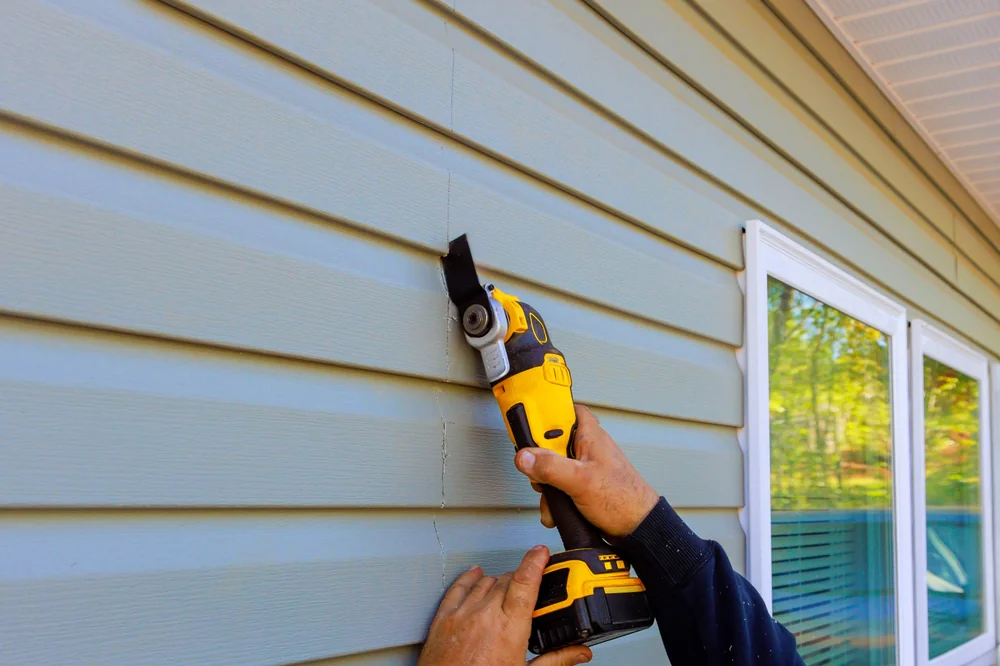
Most full siding replacements in Newmarket, NH run between $8,000 and $18,000 depending on your home’s size, the material you choose, and how much prep work is needed. Vinyl siding installation typically costs less—around $4 to $8 per square foot installed. Fiber cement siding costs more, usually $8 to $12 per square foot, but it also returns more value at resale.
If your sheathing is damaged or you need significant repairs before new siding goes up, that adds to the cost. Same goes for complex architecture, multiple stories, or detailed trim work. We give you a clear estimate upfront so there’s no guessing.
The investment pays back. Between energy savings, resale value, and eliminating constant maintenance, quality siding installation in Newmarket, NH more than earns its keep over time.
Fiber cement and insulated vinyl both handle New Hampshire winters well, but for different reasons. Fiber cement won’t crack during freeze-thaw cycles, won’t absorb moisture, and holds up to wind-driven snow and ice without warping. James Hardie’s HardieZone system is specifically engineered for climates like ours, which means the material is built to expand and contract safely as temperatures swing.
Insulated vinyl adds an extra layer of foam backing that boosts your wall’s R-value and helps keep heat inside during those long cold months. It’s lighter, faster to install, and costs less than fiber cement. It also resists moisture and pests just as well.
Both materials work in Newmarket, NH. The key isn’t just the siding itself—it’s the installation. Proper house wrapping, careful flashing, and tight seams matter more than the brand name on the box. If it’s installed wrong, even the best material will fail.
Most siding installations in Newmarket, NH take between five and ten days depending on the size of your home and the material we’re working with. A straightforward ranch with vinyl siding might be done in under a week. A two-story colonial with fiber cement and detailed trim work could take closer to two weeks.
Weather plays a role too. We don’t install siding in heavy rain or freezing temps because it compromises the seal and the material’s performance. If we hit a stretch of bad weather mid-job, we’ll pause and pick back up when conditions are right.
We’ll give you a timeline during the estimate so you know what to expect. Once we start, we work efficiently and clean up at the end of each day. You won’t have siding scattered across your yard for weeks.
In most cases, yes. If your old siding is coming off because it failed, there’s a good chance the house wrap underneath is torn, degraded, or wasn’t installed properly in the first place. House wrapping in Newmarket, NH is what keeps moisture from getting into your wall cavities and rotting the sheathing. It also stops air infiltration that drives up your heating and cooling costs.
Even if the old wrap looks okay, it’s often worth replacing. Modern house wraps perform better than what was available ten or fifteen years ago. They breathe better, seal tighter, and last longer. The cost to add new wrap during a siding job is minimal compared to the protection it provides.
We inspect the existing wrap during every estimate. If it’s still in good shape and doing its job, we’ll tell you. But if there’s any question, we replace it. Skipping that step to save a few hundred dollars can cost you thousands in repairs down the road.
Yes, but only if it’s installed correctly with proper insulation and a quality house wrap. Older siding develops gaps, cracks, and warping that let air leak in and out. That makes your furnace and AC work harder to keep your home comfortable. New siding seals those leaks and adds a layer of protection that improves your home’s overall thermal performance.
Insulated vinyl siding adds the most noticeable energy savings because of the foam backing. Homeowners typically see a 15-20% reduction in heating and cooling costs after installation. Fiber cement doesn’t have built-in insulation, but when paired with a high-quality house wrap and proper installation, it still reduces drafts and improves efficiency.
The savings add up over time. In Newmarket, NH, where winters are long and heating costs are high, that 15-20% reduction can mean hundreds of dollars back in your pocket each year. It’s one of the reasons siding installation has such a strong return on investment.
Cracks, warping, loose panels, and visible rot are the obvious signs. But some damage hides better. If you’re seeing mold or mildew on the siding that won’t wash off, that’s a moisture problem. If your energy bills have crept up without explanation, your siding might be letting air through. If panels are faded, brittle, or pulling away from the house, they’re no longer doing their job.
Inside your home, check for water stains on walls or ceilings near the roofline or windows. That often means water is getting behind the siding. You might also notice drafts near outlets or along baseboards—another sign that your exterior envelope is compromised.
Most siding lasts 20 to 40 years depending on the material and how well it was installed. If yours is in that range and showing any of these signs, it’s time to replace it. Waiting only makes the damage worse and more expensive to fix. A free estimate will tell you exactly where you stand.