Hear from Our Customers

The right siding stops water before it reaches your walls. It keeps your energy bills from climbing every winter. And it means you’re not repainting, replacing boards, or dealing with rot every few years.
Newbury’s coastal location makes this even more critical. Salt air corrodes cheap materials fast. High winds during storms can rip off poorly installed panels. And the freeze-thaw cycles we get here crack anything that isn’t built to last.
When siding is installed correctly with materials designed for New England weather, you get decades of protection. Your home stays dry. Your heating costs stay manageable. And you’re not calling contractors every spring to fix what winter damaged.
We’ve spent years working on homes across the North Shore. We know what Newbury’s coastal climate does to exterior materials because we’ve seen it, fixed it, and prevented it.
Your neighbors have older homes with character and value worth protecting. We get that. We also know that historic homes need modern protection without losing their look.
When you call us, you’re talking to the same person who’ll be managing your project from estimate to cleanup. No handoffs. No confusion. Just clear communication and work that gets done right.
First, we come out and look at your home. We check for existing damage, measure everything, and talk through your options based on what your house actually needs and what you want it to look like.
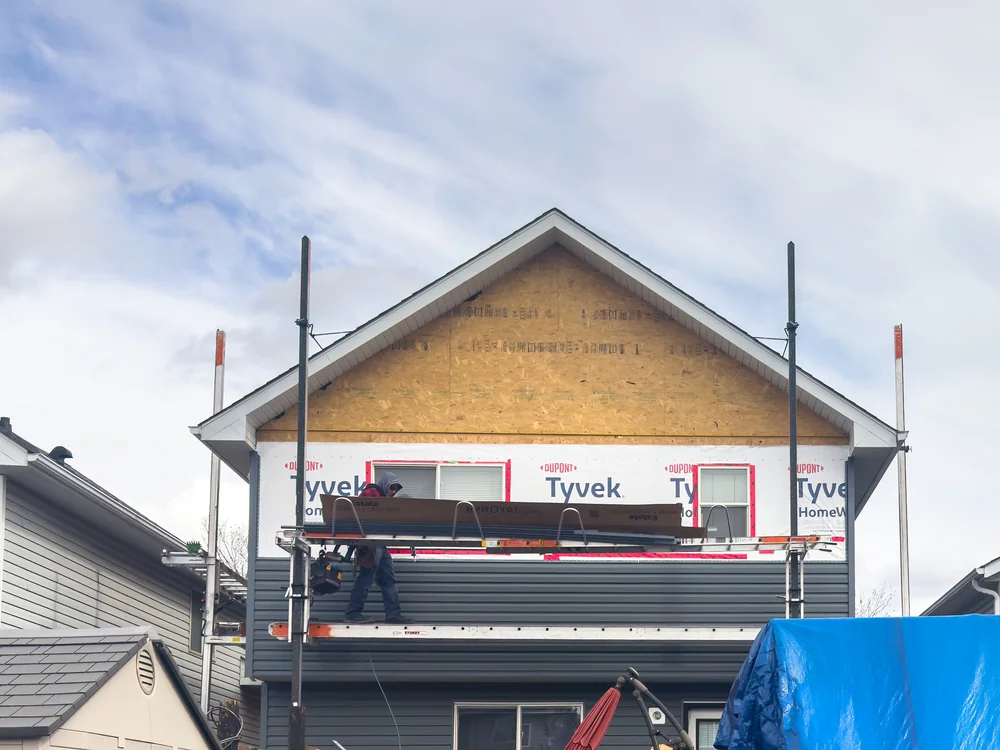
Once you decide to move forward, we handle the prep work. That means proper house wrapping to create a weather barrier, removing old siding carefully, and making sure your sheathing is solid before anything new goes on.
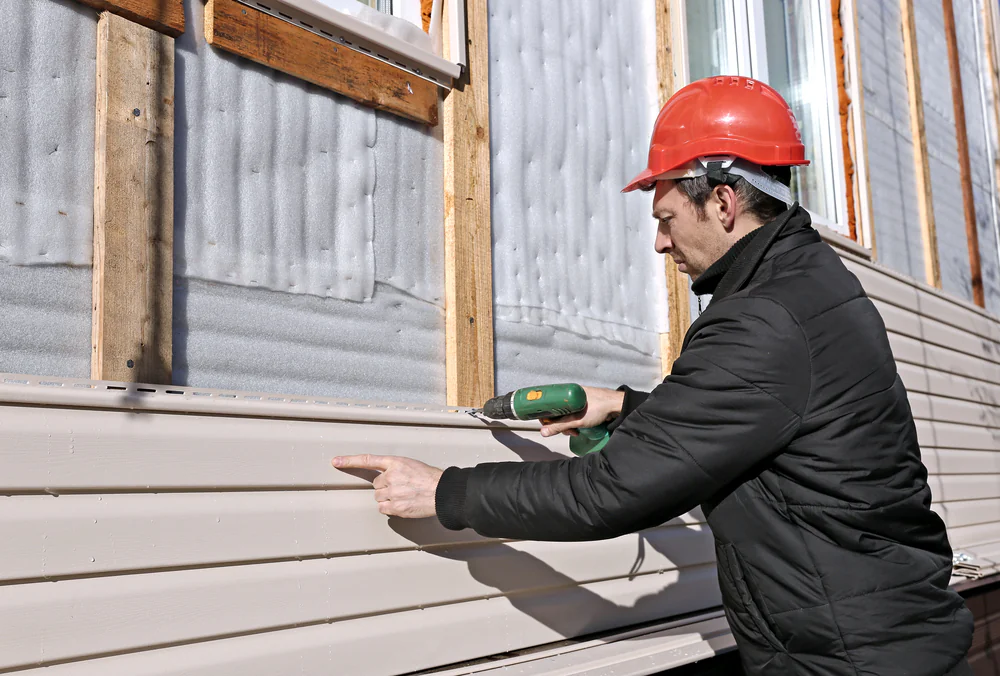
Then we install your new siding. Whether it’s James Hardie fiber cement, vinyl, or another material, every piece gets fastened correctly with the right spacing and flashing. We’re not rushing. We’re making sure it’s weathertight and straight.
After installation, we clean up completely. You shouldn’t have to deal with debris or leftover materials. We haul everything away and leave your property the way we found it, just with better siding.
Ready to get started?
In Newbury, where median home values hit $975,000 and most houses are owner-occupied, your exterior matters. New siding installation protects that investment while improving how your home performs.
Fiber cement siding handles coastal conditions better than almost anything else. It won’t rot when moisture gets trapped. It resists fire, which matters in a town with historic wooden structures close together. And bugs won’t touch it, so you’re not dealing with carpenter bee damage or woodpecker holes.
Vinyl siding installation in Newbury gives you a lower upfront cost with solid weather resistance. Modern vinyl doesn’t crack in cold like it used to, and it never needs painting. For homeowners who want protection without the maintenance, it works.
We specifically recommend James Hardie’s ColorPlus technology for coastal homes in Newbury. The factory finish lasts longer than field-applied paint, and it’s designed to resist fading from sun and salt exposure. You get 30 years of warranty coverage that actually means something.
Fiber cement runs $8-14 per square foot installed. Vinyl typically costs $3-7 per square foot. That’s a real difference upfront, and it matters when you’re budgeting.
But here’s what changes the math. Vinyl usually needs replacement around the 20-25 year mark, especially in coastal areas where UV exposure and salt air break it down faster. Fiber cement can last 50+ years when it’s installed and maintained properly.
If you’re planning to stay in your Newbury home long-term, fiber cement costs less over time. If you’re looking at a shorter timeline or need to keep initial costs down, vinyl makes sense. Both work. It just depends on your situation and how long you’re thinking.
Spring and fall are ideal. Temperatures are moderate, humidity is lower, and materials cure properly. That matters more than most people realize, especially with caulking and paint adhesion.
Summer works too, but extreme heat can make some materials harder to work with. Winter installation is possible but not preferred. When it’s below 40 degrees, adhesives don’t bond as well, and materials can be more brittle.
That said, if you’ve got damage that’s letting water in, waiting for perfect weather isn’t smart. We can work in less-than-ideal conditions when necessary. We just adjust our methods to make sure everything still performs the way it should.
Yes, but it’s not magic. Siding itself provides some insulation value, especially if we’re adding insulated vinyl or installing rigid foam underneath fiber cement. But the bigger impact comes from stopping air leaks.
Old siding develops gaps. Wind-driven rain gets behind it. Your house wrap deteriorates or was never installed correctly in the first place. All of that lets conditioned air escape and outside air seep in.
When we install new siding with proper house wrapping and careful attention to sealing around windows and penetrations, your HVAC system doesn’t work as hard. Homeowners typically see a noticeable difference in comfort first, then in their heating and cooling costs. How much you save depends on how bad your current situation is and what fuel you’re using.
Siding replacement consistently delivers strong ROI compared to other exterior projects. National averages show you recoup 68-75% of the cost when you sell. In Newbury’s high-value market, that percentage can be even better.
But the real value isn’t just resale. It’s about preventing bigger problems. Bad siding leads to water intrusion, which leads to structural damage, mold, and rot. Those repairs cost way more than new siding ever would.
In a town where homes regularly sell for close to a million dollars, buyers expect the exterior to be solid. Peeling paint, warped boards, or visible damage kills deals or tanks your negotiating position. Fresh, well-installed siding removes that obstacle and makes your home competitive.
If your current siding is coming off, we’re installing house wrap. No exceptions. It’s your primary defense against water and air infiltration, and skipping it to save a few hundred dollars is a terrible idea.
House wrapping goes on before siding and creates a weather-resistant barrier. It lets moisture vapor escape from inside your walls while blocking liquid water from getting in. In Newbury’s coastal climate with wind-driven rain, this layer is critical.
Older homes sometimes have tar paper or no barrier at all. When we remove old siding and find that, we’re replacing it with modern synthetic house wrap that performs better and lasts longer. It’s not optional. It’s how siding installation is supposed to be done.
Less than you’d think, but it’s not zero. You should rinse it once a year to remove salt buildup and dirt. A garden hose works fine. You’re just keeping corrosive materials from sitting on the surface.
Check your caulking every few years, especially around windows, doors, and trim. Caulk eventually fails, and when it does, water gets behind your siding. Catching it early means a tube of caulk fixes it. Ignoring it means rot.
James Hardie’s ColorPlus finish is warrantied for 15 years and typically lasts much longer before needing a repaint. Field-painted fiber cement needs repainting every 10-15 years depending on exposure and color. That’s still way better than wood siding, which needs attention every 3-5 years in coastal conditions.