Hear from Our Customers

Good siding stops doing its job quietly. You don’t see the moisture creeping in behind failing panels or feel the drafts until your heating bill jumps. By then, you’re looking at rot, mold, or worse.
New siding installation in Manchester-by-the-Sea means your home is sealed against coastal humidity and winter wind. That translates to lower energy costs—typically 15-20% less annually when insulation and house wrapping are done right. Your HVAC system isn’t fighting to keep up anymore.
It also means you’re done with the maintenance cycle. No more scraping, sanding, or repainting every few years. Fiber cement siding handles what the coast throws at it without warping or cracking. And if you’re planning to sell, buyers notice. Homes with quality siding get stronger offers because the exterior isn’t a question mark.
We’ve worked in Manchester-by-the-Sea long enough to know what coastal homes need. We’re not trying to sell you the cheapest option or the flashiest pitch. We’re here to install siding that actually holds up.
We’re an Owens Corning Preferred Contractor, which means we meet standards most companies don’t bother with. Every job comes with a 5-year workmanship warranty—not the industry-standard one year. That’s because we’re still around when you need us, and we stand behind what we install.
You’ll talk to someone who listens during the consultation, not someone reading a script. We spend 30 to 60 minutes understanding what’s happening with your home, what you’re trying to solve, and what your budget looks like. Then we give you a real plan.
We start with an inspection of your current siding. We’re looking for moisture damage, gaps, rot, and how your home is breathing. If there’s an issue underneath, we find it before new siding goes up.
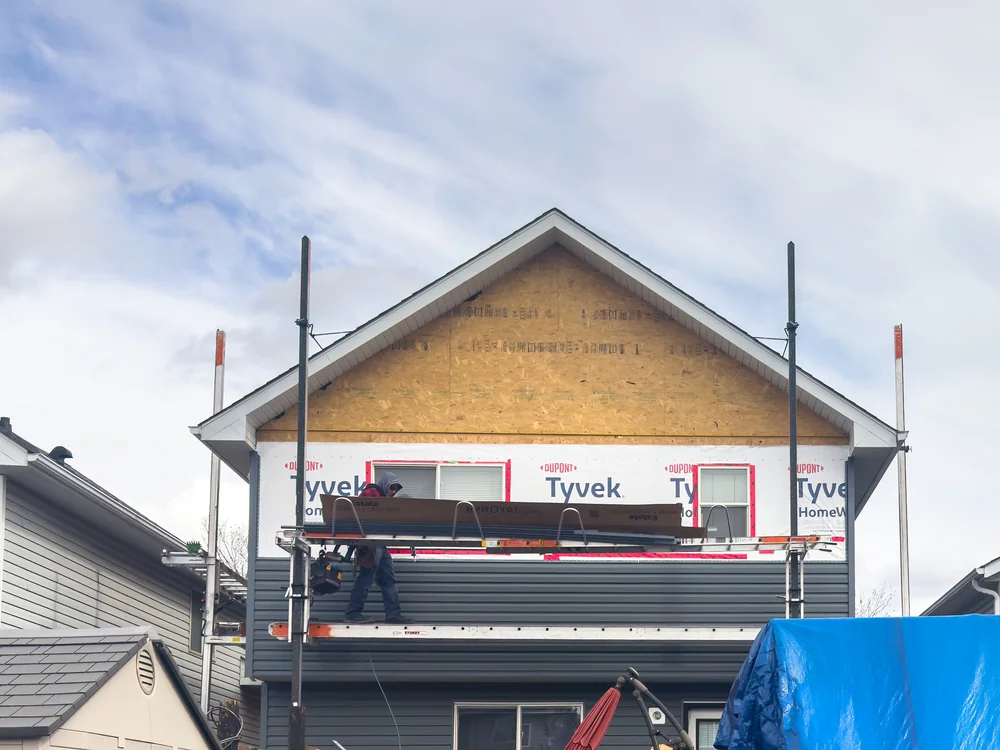
Next, we remove the old material and check the sheathing. If house wrapping needs replacement or repair, that happens now. This step matters more than most people realize—it’s what keeps air and water out long-term. We seal everything properly so your home is protected before a single new panel goes on.
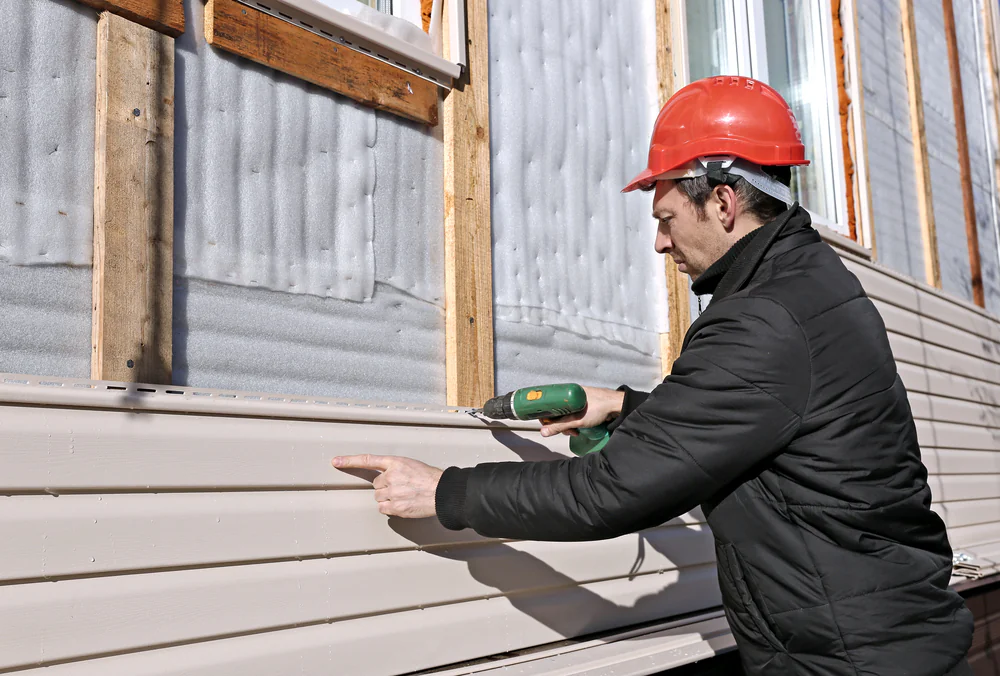
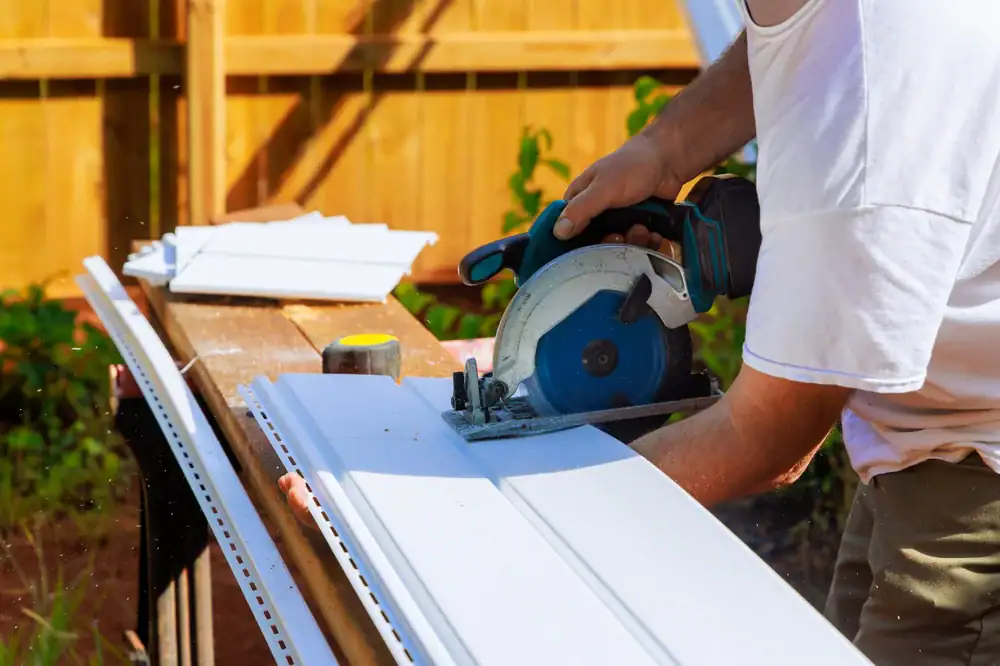
Then we install your siding. Whether it’s James Hardie fiber cement, vinyl, or another material, every piece is measured, cut, and fastened to manufacturer specs. We’re not rushing. Corners, trim, and flashing all get attention because that’s where problems start if someone cuts corners.
Once it’s up, we walk the job with you. You see what was done, ask questions, and make sure you’re happy. Then we clean up and you’re done. No mess left behind, no surprise charges, no wondering if it was done right.
Ready to get started?
When we handle siding installation in Manchester-by-the-Sea, you’re getting materials that make sense for this area. James Hardie fiber cement is popular here because it doesn’t rot in coastal humidity, won’t ignite if there’s a fire, and doesn’t need repainting every few years. It also delivers a 118.3% return on investment in New England, according to Remodeling magazine’s Cost vs. Value report.
Vinyl siding installation is another option if you want low maintenance and a smaller upfront cost. It handles temperature swings well and comes in styles that fit both historic and modern homes. We’re not pushing one over the other—we’re helping you pick what works for your home and budget.
Every installation includes proper house wrapping and sealing. That’s not optional. It’s what keeps your energy bills down and prevents moisture from getting into your walls. We also handle trim, flashing, and any carpentry repairs needed before siding goes up. You’re not calling someone else to finish the job.
And because this is coastal Massachusetts, we account for wind, salt exposure, and freeze-thaw cycles. Your siding isn’t just attached—it’s installed to last through the conditions you actually face here.
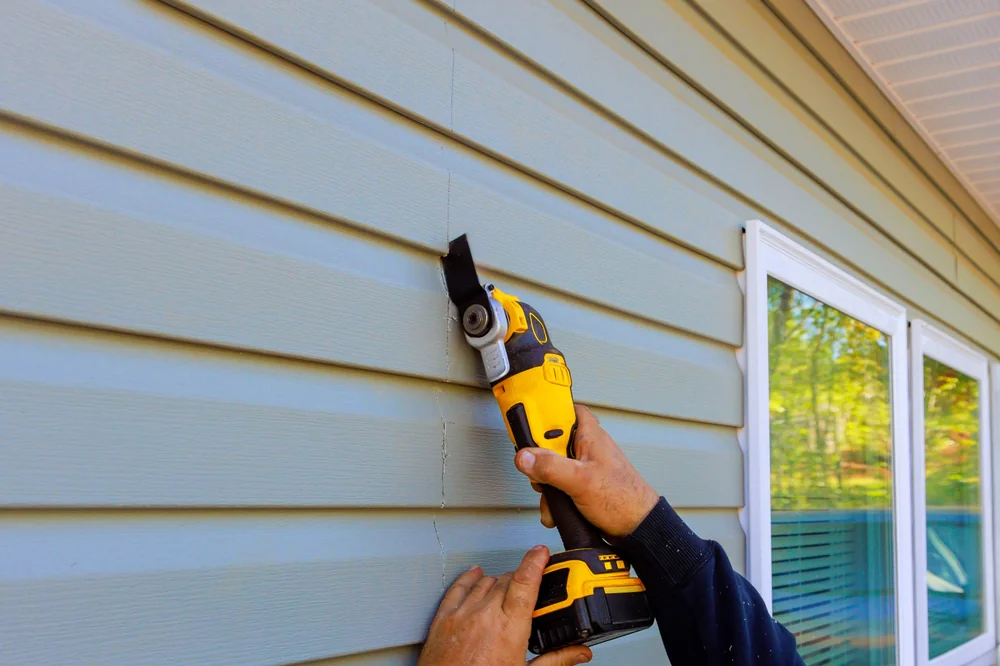
Most siding jobs take one to two weeks, depending on the size of your home and what we find when the old siding comes off. If there’s rot or sheathing damage underneath, that adds time. We don’t skip repairs to meet a deadline.
Weather plays a role too. We’re not installing siding in heavy rain or freezing temps because it compromises the seal and the materials. If we need to pause for conditions, we’ll let you know upfront.
During the consultation, we’ll give you a timeline based on your specific project. Once we start, we keep you updated if anything changes. Most homeowners are surprised by how quickly it goes once we’re on-site, but we’d rather be accurate than optimistic.
Fiber cement siding typically runs between $8 and $12 per square foot installed, though that varies based on your home’s size, style, and what prep work is needed. If we’re tearing off multiple layers of old siding or fixing structural issues, costs go up.
James Hardie is on the higher end of that range, but it’s also the most durable option for coastal homes. You’re looking at 30-plus years of performance with minimal maintenance. Vinyl siding costs less upfront—usually $4 to $8 per square foot—but it doesn’t have the same lifespan or fire resistance.
We don’t give quotes over the phone because every home is different. After we inspect your property and talk through what you need, we’ll give you a detailed estimate with no surprises. And if you’re doing this for energy efficiency, ask about Massachusetts’ 0% HEAT Loan program—it covers up to $25,000 for upgrades like insulated siding.
Yes, but only if it’s installed correctly with proper insulation and house wrapping. Siding alone won’t do much. It’s the system underneath—the wrap, the seal, the insulation—that stops air leaks and keeps your home efficient.
Homes with well-installed, insulated siding typically see a 15-20% drop in heating and cooling costs. That’s real money in Manchester-by-the-Sea, where you’re running heat six months a year and dealing with coastal humidity the rest of the time. Older homes with failing siding lose even more energy because gaps let conditioned air escape.
We make sure your home is sealed before siding goes on. That means checking for gaps, replacing damaged house wrapping, and insulating where it makes sense. If your energy bills have been climbing and your siding is more than 20 years old, this is probably why.
New siding gives you one of the best returns of any exterior upgrade. In New England, fiber cement siding recoups about 118% of its cost at resale, according to recent Cost vs. Value data. That’s higher than most renovations.
Buyers notice siding immediately. If yours is faded, cracked, or visibly old, it raises questions about what else hasn’t been maintained. New siding signals that the home has been cared for, and it removes a big-ticket item from their repair list. That translates to stronger offers and faster sales.
Even if you’re not selling soon, you’re protecting your investment. Coastal homes take a beating from weather, and siding is your first line of defense. Letting it fail means you’re risking water damage, mold, and structural issues that cost far more to fix than replacing siding ever would.
If you’re seeing cracks, warping, or rot in multiple areas, you’re usually past the point of repairs. Same if your siding is over 25 years old and showing its age. Repairs make sense when damage is isolated—a few panels after a storm, a small section with rot—but not when the whole system is failing.
Other signs you need replacement: peeling paint inside your home, mold on interior walls, or energy bills that keep climbing. Those mean water or air is getting through your siding, and patching won’t solve it. You’re just buying time.
During our inspection, we’ll tell you honestly whether repairs will hold or if you’re throwing money at a bigger problem. We’ve turned down jobs where a homeowner didn’t need full replacement yet. We’d rather you call us when it’s actually time than waste your budget on work that doesn’t make sense.
Spring and fall are ideal in Massachusetts. Temperatures are moderate, materials install better, and we’re not dealing with summer heat or winter freezing. You’ll also avoid the summer rush when demand drives prices up and schedules fill fast.
That said, we install siding year-round as long as conditions allow. We won’t work in heavy rain, snow, or temps below freezing because it affects adhesion and sealing. If you need it done in winter and we get a stretch of decent weather, we’ll make it happen.
If you’re planning ahead, reach out in late winter or early spring to get on the schedule before the busy season hits. That gives you more flexibility on timing and often better pricing. But if your siding is failing now, don’t wait—water damage gets expensive fast.
Other Services we provide in Manchester-By-The-Sea