Hear from Our Customers

You stop worrying about what winter’s doing to your exterior. The drafts disappear, your heating bill drops, and you’re not repainting every few years or dealing with rotted boards.
Vinyl siding installation in Lowell, MA handles moisture without warping. Fiber cement siding cost runs higher upfront, but it won’t ignite, won’t feed insects, and weathers freeze-thaw cycles without cracking. Both options cut maintenance to almost nothing.
Your home looks updated without the constant upkeep. That’s the difference between covering your house and actually protecting it. You get decades of performance, not just a fresh coat that peels in five years.
We’ve handled hundreds of siding projects across Lowell and the Merrimack Valley. We know what holds up here and what fails after one bad winter.
You’re not getting a crew that learned siding in a different climate. We install James Hardie products engineered specifically for Massachusetts freeze-thaw cycles. We wrap houses properly so moisture doesn’t reach your wall structure. We’ve seen what happens when corners get cut, and we don’t work that way.
Lowell homeowners deal with weather extremes that test every exterior surface. Your siding contractors need to understand that, and we do.
We start with an on-site consultation where we measure, assess your current exterior, and talk through material options. You’ll know upfront what vinyl siding installation in Lowell, MA costs versus fiber cement, and why one might make more sense for your home.
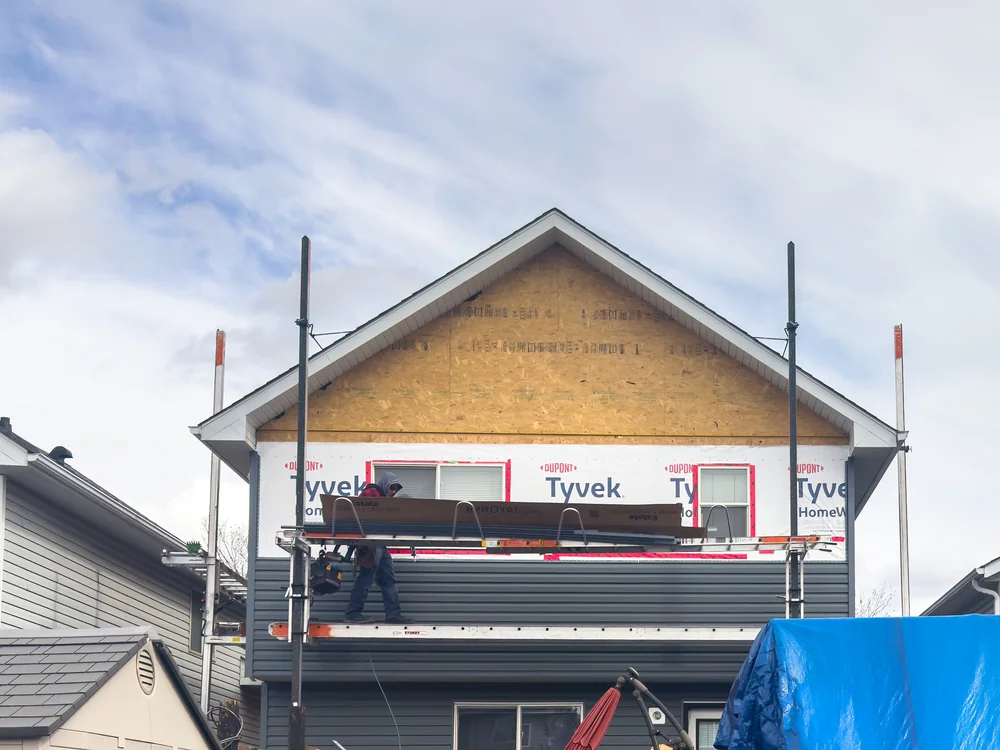
Once you’re ready, we remove old siding and inspect the sheathing underneath. Any rot or damage gets addressed before new materials go up. Then comes house wrapping in Lowell, MA—a critical moisture barrier that most homeowners never see but absolutely need. It stops wind-driven rain and snow from reaching your walls.
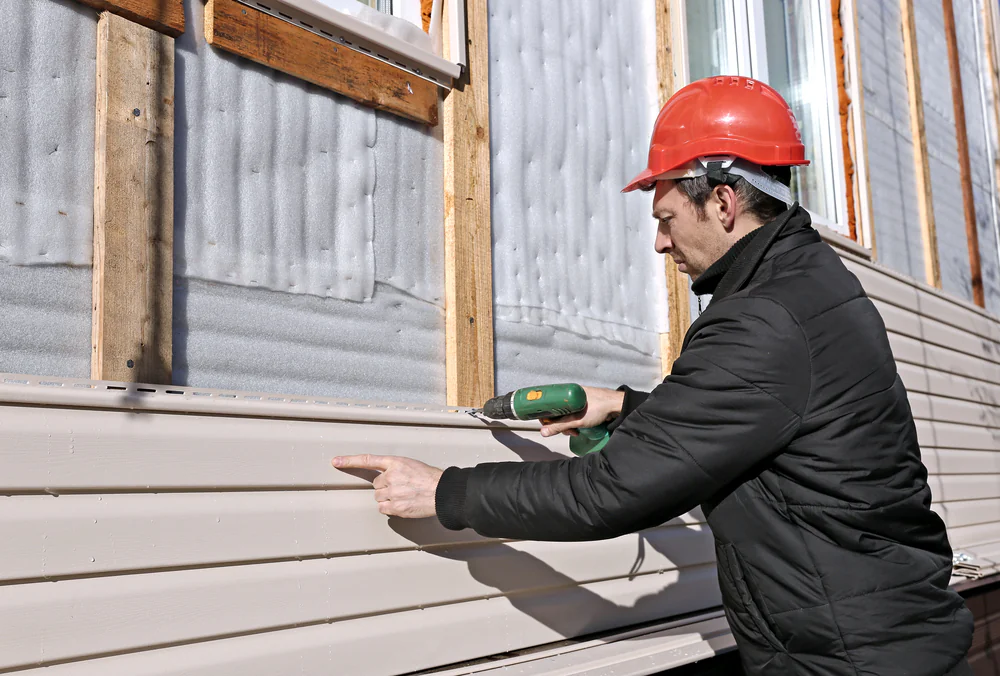
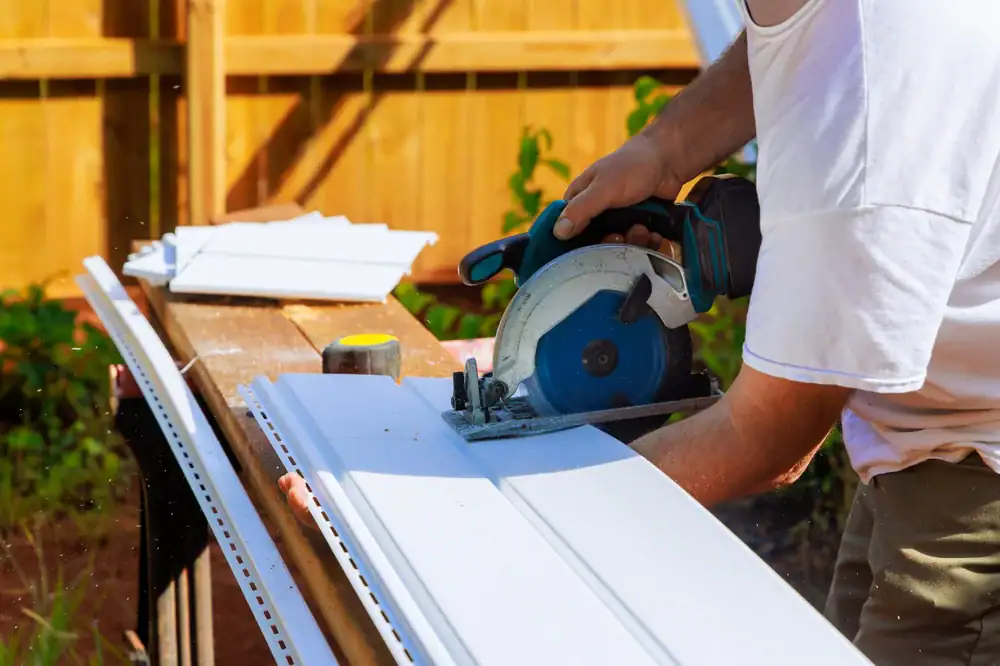
After that, we install the siding itself. Every panel gets aligned and sealed correctly. Corners, trim, and J-channels all get attention because that’s where water finds its way in if the job’s done poorly. The project typically takes one to two weeks depending on your home’s size and weather conditions.
You’ll see the difference immediately. But the real payoff shows up over the next 20 to 40 years when you’re not dealing with repairs, repaints, or energy loss.
Ready to get started?
New siding benefits in Lowell, MA go beyond appearance. You’re adding a weather barrier designed for the kind of winters that crack poorly installed materials. Vinyl resists moisture and insect damage. Fiber cement won’t burn or rot. Both improve your home’s insulation when installed with proper backing.
Energy costs drop because your heating and cooling aren’t fighting against drafts. Maintenance becomes minimal—vinyl cleans with a hose, and fiber cement doesn’t need the constant attention that wood demands. You’re also looking at serious ROI. Vinyl siding delivers up to 116% return in Massachusetts, well above the national average.
Lowell’s housing stock includes plenty of older homes that weren’t built with modern moisture management. As professional James Hardie installers in Lowell, MA, we know how to retrofit those homes with materials engineered for this exact climate. That means proper flashing, weep holes for drainage, and insulation board that smooths installation while adding an extra thermal layer.
You’re not just covering your house. You’re upgrading its entire exterior defense system.
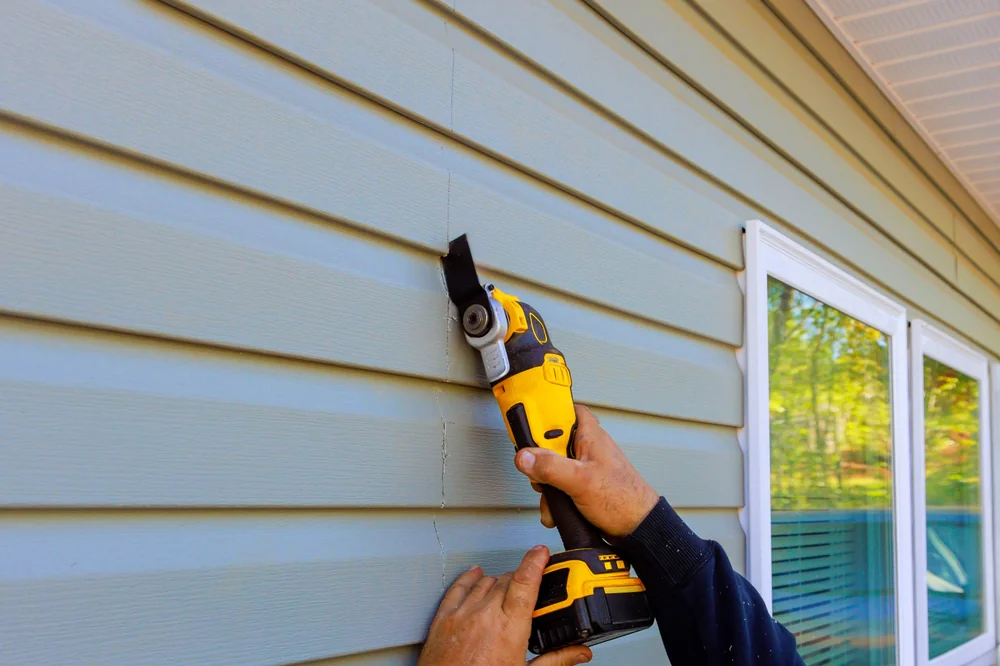
Vinyl siding installation in Lowell, MA typically runs between $6 and $11 per square foot installed. That range depends on material quality, your home’s size, and how much prep work the exterior needs before new siding goes up.
A typical project for an average-sized home lands between $5,500 and $6,400, though larger homes or premium materials push that higher. Fiber cement siding cost in Lowell, MA runs more—usually 20% to 30% above vinyl—but it offers better fire resistance and longer lifespan.
Labor costs in Massachusetts run higher than the national average, and that’s reflected in local pricing. But you’re also getting crews who understand how to install for New England weather. Cheap installation fails fast here. Proper installation, with house wrapping and moisture barriers, protects your investment for decades.
Vinyl siding is lighter, costs less, and requires almost zero maintenance. It resists moisture and insects, cleans easily, and lasts up to 40 years in Massachusetts climates. It’s the most popular choice for a reason—it works, and it’s affordable.
Fiber cement siding, like James Hardie, costs more upfront but won’t burn, won’t rot, and handles freeze-thaw cycles without cracking. It’s heavier, which means it needs more structural support during installation. But it also holds up better against hail, wind, and impact damage.
Both options outperform wood siding, which rots, feeds insects, and demands constant maintenance. The choice usually comes down to budget and priorities. If fire resistance and maximum durability matter most, fiber cement wins. If you want excellent performance at a lower price point, vinyl delivers.
Most siding installations in Lowell, MA take one to two weeks from start to finish. Smaller homes might wrap up faster. Larger homes or projects with extensive prep work can stretch longer.
Weather plays a role. We can’t install in heavy rain or freezing temperatures, so winter projects sometimes face delays. Summer and early fall offer the most predictable timelines, though we work year-round when conditions allow.
The process includes removing old siding, inspecting and repairing sheathing, installing house wrapping, and then putting up the new siding itself. Rushing any of those steps creates problems down the line. You want the job done right, not fast. A proper installation protects your home for decades. A rushed one starts failing within years.
Yes. House wrapping in Lowell, MA isn’t optional if you want your siding to perform correctly. It’s a moisture barrier that stops wind-driven rain and snow from reaching your wall structure, even if water gets behind the siding itself.
New England weather is brutal. Wind pushes moisture into places you wouldn’t expect. Without house wrap, that moisture reaches your sheathing and framing, leading to rot, mold, and structural damage you won’t see until it’s expensive to fix.
Quality house wrap includes weep holes that let trapped moisture escape while blocking outside water. It’s a backup system that works alongside your siding, not instead of it. Any siding contractor in Lowell, MA who suggests skipping this step is cutting corners. It’s a critical layer that protects your investment and your home’s structure.
James Hardie fiber cement siding is engineered specifically for climate zones like Massachusetts. Their HardieZone system accounts for freezing temperatures, humidity swings, and seasonal extremes that Lowell experiences every year.
But the product only works if it’s installed correctly. As James Hardie installers in Lowell, MA, we understand the technical requirements—proper flashing, correct fastening, adequate expansion gaps, and moisture management details that matter in freeze-thaw cycles.
Fiber cement is heavier than vinyl, so it requires different installation techniques and structural considerations. It also doesn’t ignite when exposed to flames, unlike vinyl which melts or wood which fuels fires. If fire resistance, impact durability, and maximum lifespan matter to you, James Hardie is worth the higher fiber cement siding cost. Just make sure it’s installed by someone who knows what they’re doing.
New siding benefits in Lowell, MA start with weather protection. Quality materials and proper installation stop moisture infiltration, reduce drafts, and handle freeze-thaw cycles without cracking or warping.
Energy efficiency improves immediately. Better insulation and sealed seams mean your heating and cooling systems work less to maintain comfortable temperatures. That drops your utility bills and makes your home more comfortable year-round.
Maintenance virtually disappears. Vinyl siding cleans with soap and water. Fiber cement doesn’t rot, doesn’t feed insects, and doesn’t need repainting every few years like wood. You’re also adding serious resale value—siding replacement in Massachusetts delivers ROI above 70%, with vinyl hitting 116% in many cases. Your home looks better, performs better, and costs less to maintain. That’s what quality siding installation actually delivers.