Hear from Our Customers

You stop worrying about what’s happening behind those cracks. Moisture doesn’t seep into your walls anymore. The drafts around your windows disappear, and your heating bill drops because your home actually holds the warmth you’re paying for.
Your house looks updated, not tired. The peeling paint is gone. The rotting boards are gone. What you’re left with is a home that can handle another New Hampshire winter without you losing sleep over it.
And if you choose the right material—vinyl siding installation in Kensington, NH or fiber cement—you won’t be repainting or replacing boards every few years. You’ll be done with exterior maintenance for decades. That’s the difference between a quick fix and doing it right the first time.
We’ve been serving homeowners across New England with one focus: quality that lasts. We’re an Owens Corning Preferred Contractor, which means we meet standards most companies don’t bother with. Our installation teams are certified professionals—not temp workers rounded up for the job.
Kensington homes face specific challenges. The humidity in summer encourages mold. The freeze-thaw cycles in winter crack weak siding. We know what holds up here because we’ve been installing it here for years.
We’re licensed, insured, and we guarantee our work. When we say we’ll show up, we do. When we say it’ll last, it does.
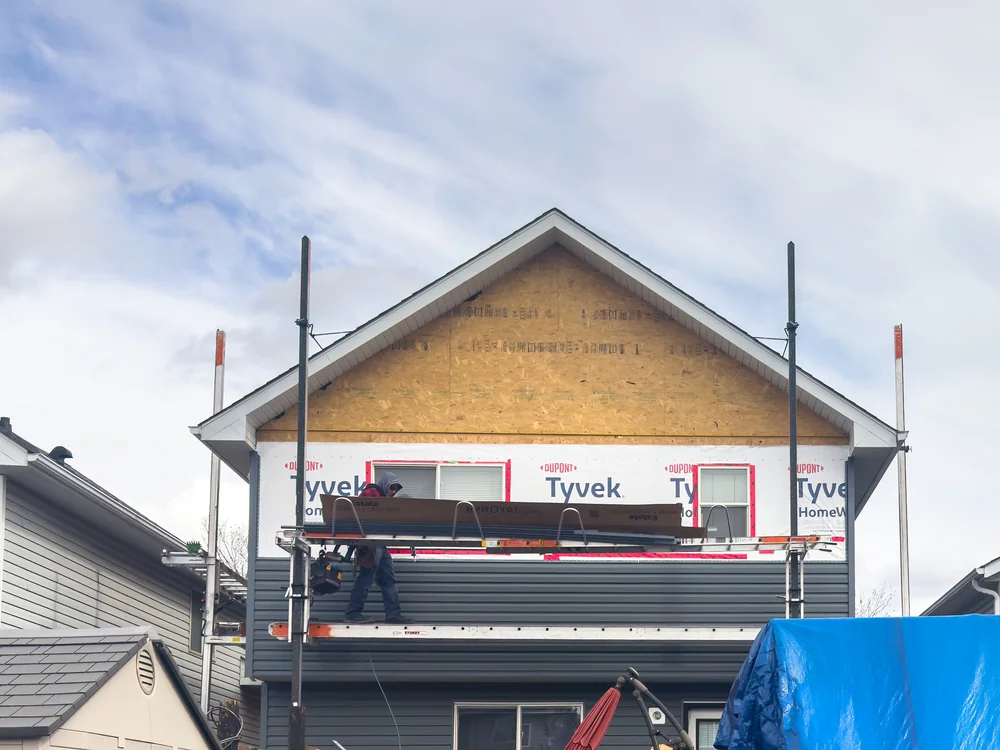
First, we inspect your current siding and the structure underneath. If there’s rot or moisture damage, we find it now—not after the new siding goes up. You’ll know exactly what needs fixing before we start.
Next comes house wrapping in Kensington, NH. This moisture barrier is what protects your home from mold and wood rot. It’s not optional. Without it, even the best siding won’t save you from water damage.
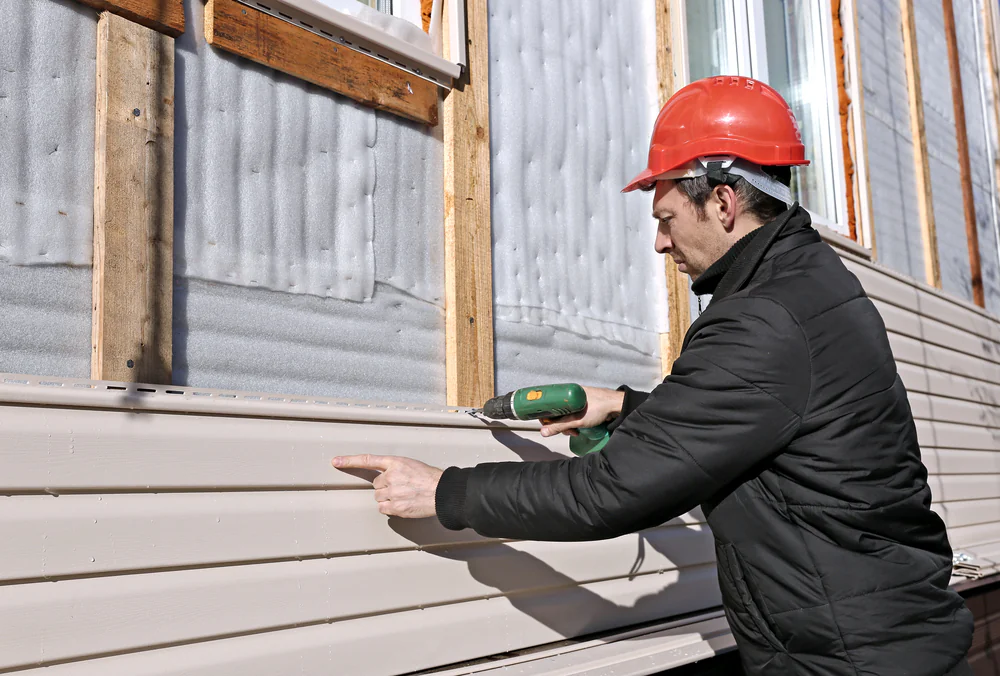
Then we install your siding—vinyl, fiber cement, or James Hardie—with attention to every seam, every corner, every flashing detail. Proper installation matters more than the material itself. A cheap job done wrong will fail. A quality job done right will last decades.
You’ll see the difference immediately. But more importantly, you’ll feel it when winter hits and your home stays warm, or when the next storm rolls through and nothing leaks.
Ready to get started?
You’re getting materials engineered for this climate. James Hardie’s HZ5 product line is specifically designed for regions like Kensington, NH where freezing temperatures are the norm. Fiber cement siding cost in Kensington, NH is higher upfront, but homeowners who installed it 10 or 15 years ago haven’t touched it since. That’s the ROI that matters.
You’re getting proper moisture protection. We install high-performance house wrap and moisture barriers on every job. This isn’t an upsell—it’s standard. Your walls need to breathe while staying protected from water infiltration.
You’re getting energy efficiency improvements. Foam-backed vinyl siding adds insulation that cuts drafts and lowers your heating costs. In a state where winter lasts half the year, that’s not a small thing.
And you’re getting fire resistance if you choose fiber cement. Unlike wood, which fuels fires, or vinyl, which melts under heat, James Hardie siding doesn’t ignite when exposed to flames. That’s peace of mind you can’t put a price on.
Fiber cement typically runs 30-50% more than vinyl upfront. But here’s what that extra cost gets you: a material that won’t crack, warp, or fade for 30+ years. Vinyl can last too, but it’s more vulnerable to temperature swings and impact damage.
James Hardie siding adds an average of $17,000 to your home’s value with about an 80% ROI. Vinyl doesn’t usually return that much. So if you’re planning to sell within 10 years, fiber cement often pays for itself.
The real question isn’t which costs more now—it’s which costs less over the life of your home. If you’re staying put, fiber cement wins. If you’re flipping or selling soon, vinyl might make more sense. We’ll walk you through both options based on your actual situation, not what makes us more money.
You’re leaving your walls exposed to moisture infiltration. Even small gaps in siding let water through. Without house wrap, that water soaks directly into your sheathing and framing. Over time, you get mold, rot, and structural damage that costs far more to fix than the house wrap would have cost in the first place.
In Kensington, NH, where humidity is high in summer and freeze-thaw cycles dominate winter, moisture barriers aren’t optional. They’re the difference between siding that protects your home and siding that just covers it up while the damage happens behind it.
Some contractors skip this step to save time or cut costs. That’s how homeowners end up paying twice—once for the cheap job, and again to fix the problems it caused. We install moisture barriers on every project because we’re not interested in callbacks or reputation damage.
Quality vinyl siding, properly installed, lasts 20-40 years in New Hampshire. The range depends on the product grade, the installation quality, and how well it’s maintained. Cheap vinyl from a big box store might start fading or cracking in 10 years. Premium vinyl with proper backing holds up much longer.
The key is installation. If the siding isn’t nailed correctly—too tight or too loose—it’ll buckle or blow off in high winds. If the J-channels around windows aren’t sealed right, water gets behind the siding and causes rot. Most vinyl siding failures aren’t material failures—they’re installation failures.
New Hampshire’s freeze-thaw cycles are tough on any material. Vinyl expands and contracts with temperature changes. That’s normal. But if it’s installed without room to move, it cracks. We account for that movement in every installation so your siding can handle the temperature swings without failing.
If you’re planning to stay in your home for more than 10 years, yes. James Hardie fiber cement is engineered specifically for climates like ours. It doesn’t rot, warp, or crack under freeze-thaw stress. It won’t melt in a fire or fuel flames like wood does. And it holds paint longer than any other siding material, so you’re not repainting every 5-7 years.
The HZ5 product line is designed for regions with freezing temperatures and moisture challenges. That’s exactly what Kensington deals with. Hardie siding comes with warranties up to 30 years, and most homeowners don’t touch it for 15+ years after installation.
The upfront cost is higher—sometimes significantly. But when you factor in zero maintenance, better energy efficiency, and higher resale value, the math works out. We’re not going to tell you it’s the right choice for everyone. But for homeowners who want to install siding once and forget about it, James Hardie delivers.
Look for soft spots when you press on the siding. If it feels spongy or gives under pressure, there’s likely rot behind it. Check for visible mold or mildew, especially on north-facing walls that don’t get much sun. Peeling paint or bubbling on wood siding is another red flag—it means moisture is pushing through from behind.
Inside your home, check for water stains on walls or ceilings near exterior walls. Musty odors in certain rooms can indicate hidden mold. Higher-than-normal heating bills might mean your insulation is wet and not working properly.
During our inspection, we check the sheathing and framing behind your siding. If we find rot, we’ll show you exactly where it is and what it’ll take to fix it. Some contractors hide this damage and install new siding over it. That’s a disaster waiting to happen. We fix the structure first, then install siding that’ll actually protect it.
Foam-backed vinyl siding offers the best energy efficiency upgrade without breaking the bank. The foam insulation layer eliminates thermal bridging and cuts drafts significantly. You’ll notice the difference in your heating bills within the first winter.
Fiber cement with proper house wrap and insulation also performs well, but the material itself doesn’t insulate—the system behind it does. That’s why we focus on the complete installation: moisture barrier, insulation, proper sealing around windows and doors, and quality siding that doesn’t let air through.
The worst performers are old wood siding with gaps and thin aluminum siding with no backing. Both let heat escape and cold air in. If your home was built before 1990 and still has original siding, you’re probably losing 25-30% of your heating and cooling through your walls.
Upgrading to insulated vinyl or fiber cement with a proper moisture barrier can cut that loss in half. In Kensington, where you’re heating your home six months a year, that’s real money back in your pocket every winter.
Other Services we provide in Kensington