Hear from Our Customers

Your siding stops working long before it falls off. You notice the drafts first. Then the utility bills creep up because your home can’t hold temperature anymore. By the time you see water stains inside, you’re looking at mold remediation and structural repairs that cost thousands more than the siding ever would have.
New siding benefits in Holliston go beyond just looking better from the street. Properly installed vinyl siding creates a weather barrier that keeps moisture out and conditioned air in. That means your furnace and AC aren’t working overtime to compensate for failing exterior protection.
In Holliston, MA, homeowners replacing old siding with quality vinyl see energy savings within the first winter. The material doesn’t rot when snow piles against your foundation. It doesn’t crack when temperatures swing 40 degrees in a day. And because vinyl siding installation includes proper house wrapping and insulation checks, you’re fixing the whole system, not just covering up the problem.
You also get your money back. Vinyl siding in New England delivers up to 116% return on investment, well above the national average. That’s not just about resale value. That’s about living in a home that costs less to heat, requires zero scraping or painting, and actually protects what you’ve built.
We’ve been installing siding across Massachusetts since 2012. We’re an Owens Corning Preferred Contractor, which means we meet strict installation standards and back our work with real warranties. That certification isn’t automatic. It requires proven track records, ongoing training, and consistent quality that holds up under inspection.
We’re based in Methuen and serve Holliston and the MetroWest area because we understand what New England weather does to homes. The freeze-thaw cycles, the ice dams, the summer humidity that creeps into every gap. Siding contractors in Holliston, MA need to know how to handle these conditions, not just nail up panels and hope for the best.
You’ll work with the same team from estimate to cleanup. We don’t subcontract your job to the lowest bidder. Our crews know the difference between fast and correct, and they know what happens when corners get cut. You’re not getting a sales pitch. You’re getting a walkthrough of what your home actually needs.
We start with an on-site consultation at your Holliston home. You show us what’s failing, we inspect the exterior, and we talk through material options that fit your budget and goals. No pressure, no upselling. Just a clear breakdown of what you need and what it costs.
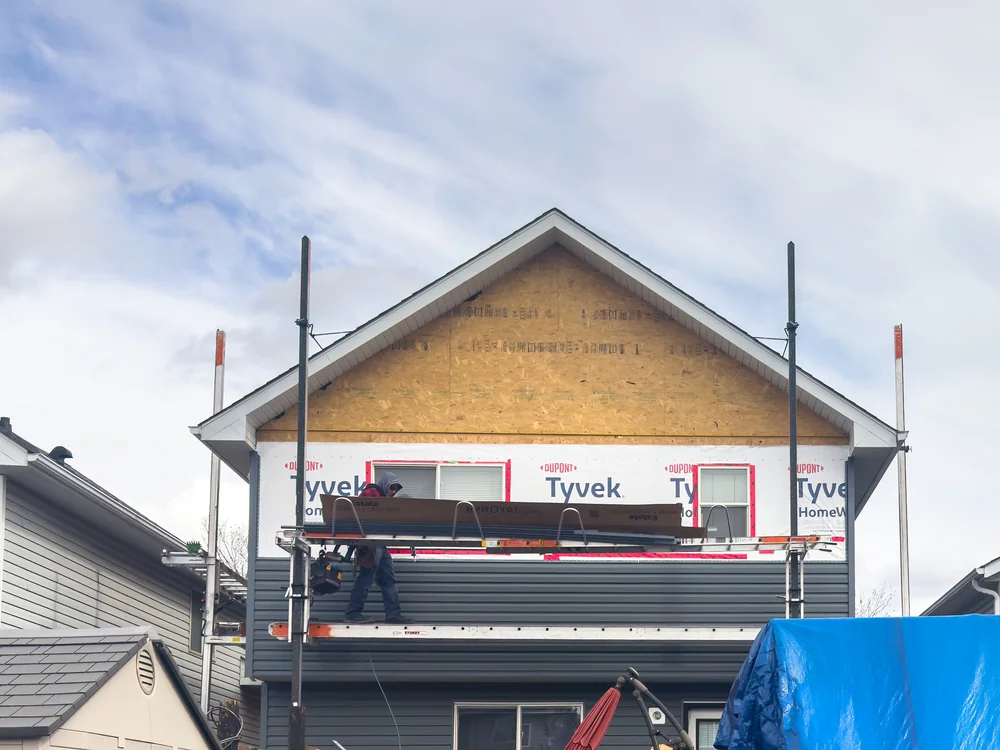
Once you’re ready to move forward, we schedule the work and order materials. On day one, our crew strips your old siding and inspects the sheathing underneath. If we find rot or water damage, we fix it before moving forward. That’s not an upsell. That’s making sure your new siding has a solid foundation.
Next comes house wrapping. This moisture barrier goes up before any siding touches your home. It’s what keeps wind-driven rain from soaking into your walls. We use premium materials that meet Massachusetts building codes and handle the weather extremes Holliston sees every year.
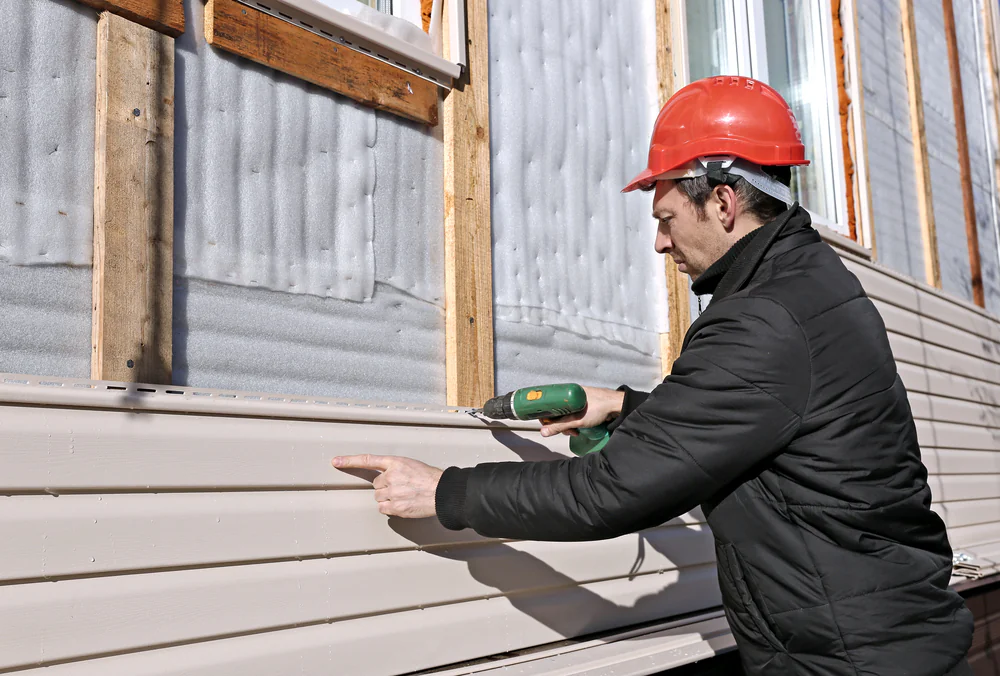
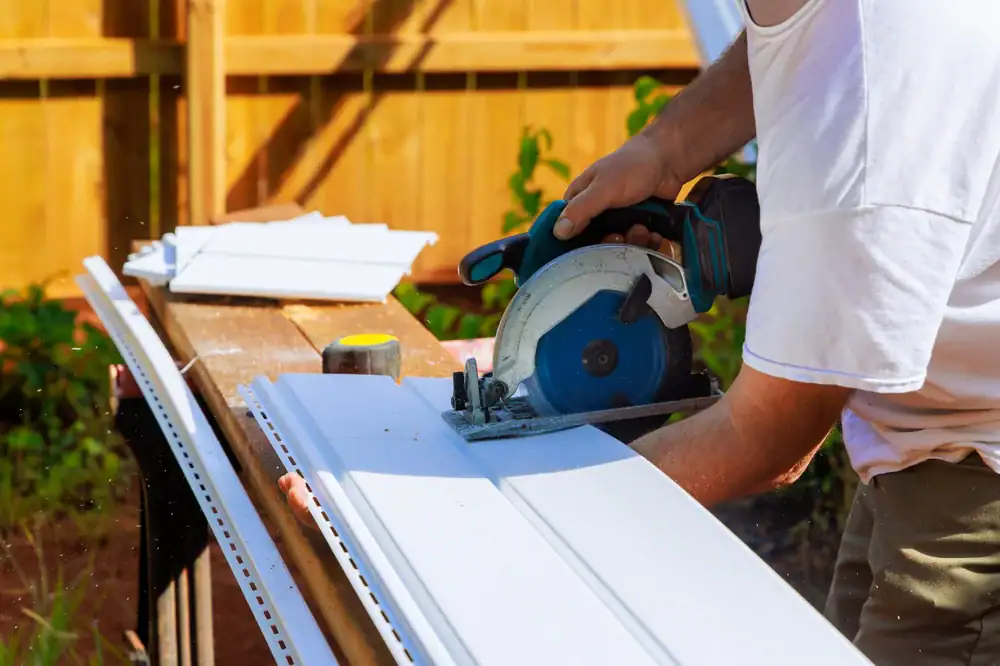
Then we install the siding. Each panel gets fastened correctly, with room for expansion and contraction. Vinyl moves with temperature changes, and if it’s installed too tight, it warps. If it’s too loose, it rattles and leaks. We’ve done this enough to know exactly how it should sit.
Finally, we install trim, clean up completely, and walk you through the finished job. You’ll know how to maintain it, what to watch for, and how to reach us if anything comes up. The whole process typically takes a few days to a week, depending on your home’s size.
Ready to get started?
Fiber cement siding cost in Holliston, MA typically runs between $15,000 and $25,000 for a full installation, depending on your home’s size and the specific product you choose. James Hardie installers in Holliston, MA charge more than vinyl because the material costs more and takes longer to install. But fiber cement lasts 50+ years and resists fire, insects, and rot better than any other option.
Vinyl siding costs less upfront, usually between $6 and $11 per square foot installed. For most Holliston homes, that means a complete siding replacement falls between $8,000 and $18,000. You’re getting material that lasts 20 to 40 years, needs almost zero maintenance, and delivers serious energy efficiency when installed with proper insulation.
Both options include stripping your old siding, repairing any underlying damage, installing house wrapping, and applying all new siding and trim. The difference is in material durability and aesthetic preference. Fiber cement looks more like real wood. Vinyl offers more color options and lower maintenance.
Holliston’s historic homes and newer construction both benefit from professional siding installation. The town’s mix of colonial and contemporary architecture means material choice matters. We’ll show you samples, explain how each performs in Massachusetts weather, and give you a fixed price before any work starts. No surprises, no change orders unless we find additional damage we couldn’t see until the old siding came off.
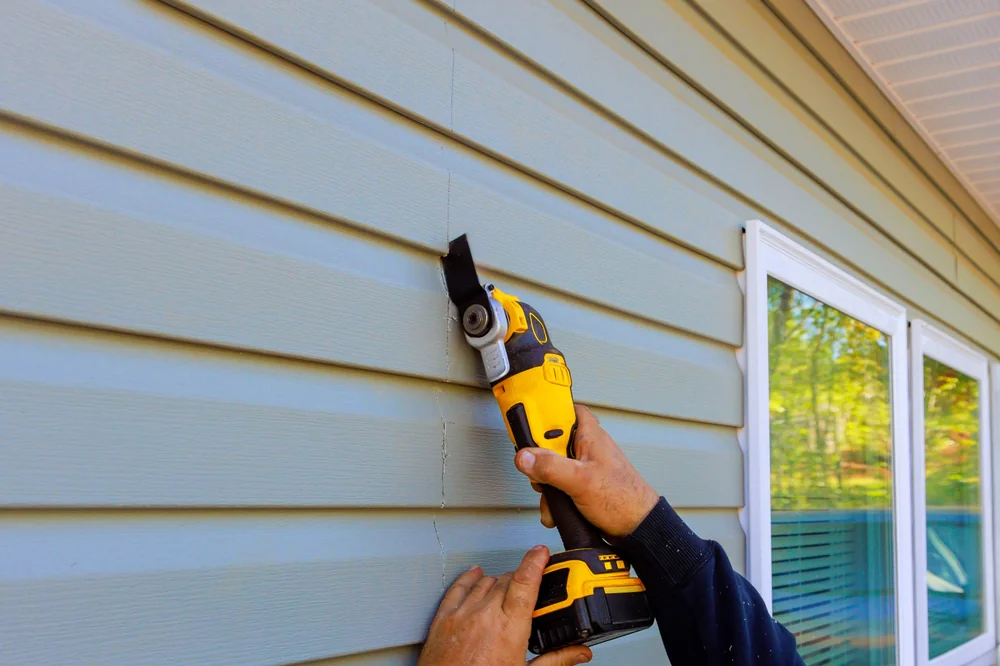
Vinyl siding lasts 20 to 40 years in Massachusetts, depending on installation quality and material grade. Cheap vinyl installed incorrectly might start warping or cracking within a decade. Premium vinyl installed by experienced contractors easily hits the 30 to 40 year mark.
The key is proper installation. Vinyl expands and contracts with temperature changes. If it’s nailed too tight, it buckles in summer heat. If it’s nailed too loose, wind gets behind it and tears it off during storms. Each panel needs to be fastened in the center of the nail slot with just enough room to move.
Massachusetts weather is tough on siding. You get freezing winters, hot humid summers, and dramatic temperature swings in spring and fall. Quality vinyl handles all of it without rotting, cracking, or requiring paint. You’ll clean it once or twice a year with soap and water, and that’s the extent of maintenance. No scraping, no staining, no replacing boards that absorbed moisture and fell apart.
A complete siding replacement includes removing all old siding, inspecting and repairing the sheathing underneath, installing house wrap as a moisture barrier, applying new siding and trim, and cleaning up all debris. You’re not just covering up the old material. You’re rebuilding your home’s exterior protection system.
First, we strip everything down to the sheathing. That lets us see if water got behind your old siding and caused rot or mold. If we find damage, we replace those sections before moving forward. Skipping this step means installing new siding over a failing structure, which leads to bigger problems later.
Next comes house wrapping. This goes over your sheathing and under your siding. It stops wind-driven rain from penetrating your walls while still letting moisture vapor escape from inside. It’s required by Massachusetts building code and critical for long-term performance. Then we install the siding itself, followed by all trim around windows, doors, and corners. Finally, we haul away all old materials and leave your property clean. The whole process typically takes three to seven days depending on your home’s size and complexity.
Fiber cement siding costs more upfront but lasts longer and resists damage better than vinyl. Whether it’s worth it depends on how long you plan to stay in your home and what matters most to you. If you want the lowest maintenance option that looks most like real wood, fiber cement makes sense.
James Hardie and similar fiber cement products last 50+ years. They don’t rot, they’re not attractive to insects, and they won’t melt if your grill gets too close or a reflection from a window concentrates heat on the siding. They also hold paint better than wood, so if you ever want to change colors, you’re repainting a stable surface that won’t peel or crack.
The tradeoff is cost and installation time. Fiber cement siding in Holliston, MA runs $15,000 to $25,000 for most homes, compared to $8,000 to $18,000 for vinyl. Installation takes longer because the material is heavier and requires different cutting tools. But you’re getting a product that increases home value more than vinyl and requires less frequent replacement. If you’re planning to stay in your Holliston home for decades, the math works out in fiber cement’s favor.
New siding installation in Holliston, MA can cut your heating and cooling costs by 15% to 25% when combined with proper insulation and house wrapping. The exact savings depend on what you’re replacing and how well your home was insulated before. Old siding with gaps and cracks lets conditioned air escape and outside air infiltrate, forcing your HVAC system to work harder.
Modern vinyl siding creates a tight envelope when installed correctly. The house wrap goes up first as an air and moisture barrier. Then the siding locks everything in place. You’re eliminating drafts, reducing heat transfer, and making your home easier to keep comfortable year-round. In winter, that means your furnace isn’t constantly cycling to maintain temperature. In summer, your AC isn’t fighting against hot air leaking in through gaps.
Insulated vinyl siding adds another layer of thermal protection. It costs more than standard vinyl but includes a foam backing that increases R-value. For Holliston homes built before modern energy codes, this upgrade makes a noticeable difference in comfort and utility bills. You’ll feel it most in rooms that were always too hot in summer or too cold in winter. Those temperature problems usually trace back to failing exterior protection, and new siding fixes them.
If more than 30% of your siding is damaged, cracked, or rotting, replacement makes more sense than repair. Patching a few boards is fine. Chasing problems across your entire house means you’re delaying the inevitable while spending money that could go toward a complete solution.
Look for these signs that repair won’t cut it: multiple areas of rot or soft spots, warping or buckling across large sections, fading or discoloration that makes new pieces stand out, or frequent repainting because the material won’t hold finish anymore. If you’re seeing water stains inside your walls, the siding already failed and moisture is getting through. At that point, you’re not just replacing siding. You’re preventing structural damage.
Holliston’s weather accelerates siding failure. Freeze-thaw cycles force water into tiny cracks, which expand and split the material. Summer humidity causes wood to swell and rot. Even vinyl eventually becomes brittle from UV exposure and temperature extremes. If your siding is 20+ years old and showing multiple issues, replacement gives you decades of protection instead of a few more years of patching. We’ll inspect your home and tell you honestly whether repair or replacement makes sense. Sometimes you can get away with fixing isolated damage. Often, you’re better off starting fresh.
Choose vinyl if you want the lowest maintenance option at the best price. Choose fiber cement if you want maximum durability and the most authentic wood appearance. Both perform well in Massachusetts weather, but they serve different priorities.
Vinyl siding costs less, installs faster, and requires almost zero maintenance. You’ll never paint it, and it won’t rot even if water sits against it for years. It comes in dozens of colors and styles, and modern vinyl looks significantly better than the thin, shiny material from 20 years ago. The downside is it can crack in extreme cold and fade slightly over decades. But for most Holliston homeowners, vinyl delivers the best combination of performance, cost, and longevity.
Fiber cement costs more but lasts longer and resists impact damage better than vinyl. It looks and feels more like real wood siding, which matters if you’re matching historic architecture or want a premium appearance. It won’t melt from grill heat or window reflections, and it holds paint better if you ever want to change colors. The tradeoff is higher upfront cost and the need to repaint every 10 to 15 years, though the paint adheres better and lasts longer than on real wood. We’ll show you samples of both, explain how each performs, and help you decide based on your budget and goals.