Hear from Our Customers

You’re losing up to 25% of your home’s energy through the walls. That’s hundreds of dollars every winter, and it’s only getting worse as your current siding ages.
New siding installation in Hamilton, MA changes that. Foam-backed vinyl delivers up to 19% higher insulation value. Fiber cement siding doesn’t expand or contract with temperature swings, so gaps don’t form. James Hardie installers in Hamilton know how to seal your home tight, which means your furnace runs less and your rooms stay comfortable.
The return goes beyond comfort. Replacing siding delivers up to 118% ROI when you sell. But before that, you’ll see lower energy bills, zero maintenance costs, and no more weekends scraping paint. Your home looks better, performs better, and costs less to own.
We’ve installed siding across Essex County for nearly two decades. We’re an Owens Corning Preferred Contractor, which means we meet strict standards for quality and service. We’re licensed, insured, and our work comes with a 5-year guarantee on workmanship.
Hamilton homes average 60 to 150+ years old. That means dealing with settling foundations, non-standard framing, and layers of previous repairs. We handle those challenges every day. Our crews know how to prep older homes properly, install house wrapping that actually protects against moisture, and make sure your new siding looks clean and lasts.
We don’t cut corners. You’ll get a thorough proposal, clear communication, and installation done right the first time.
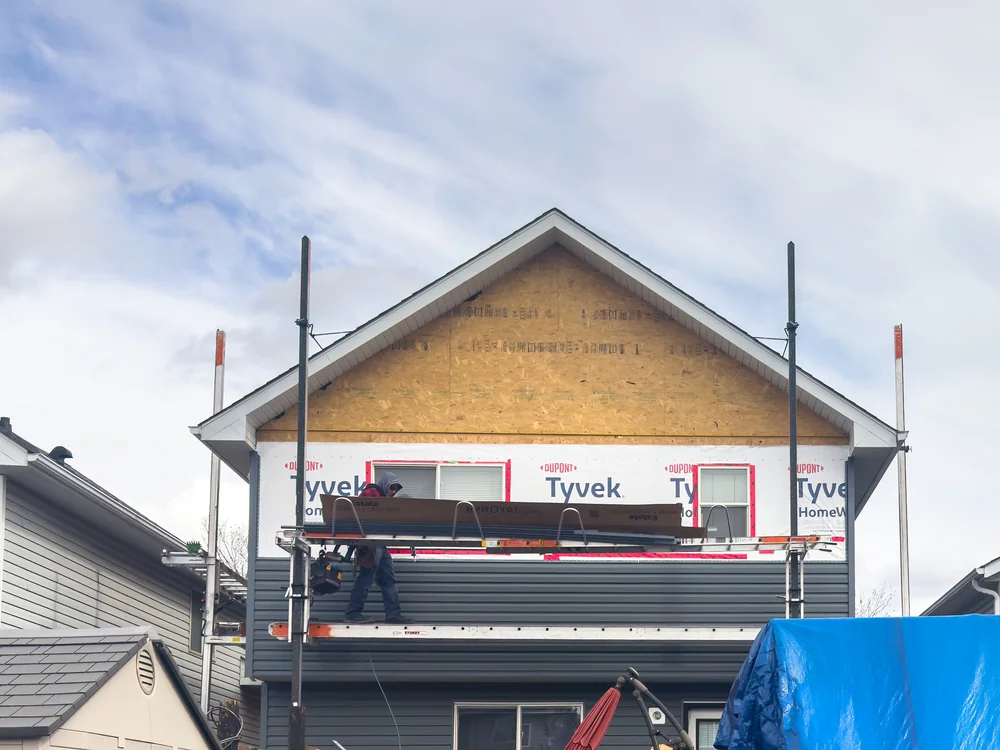
We start with an inspection of your current siding and sheathing. You need to know if there’s rot, moisture damage, or structural issues before new siding goes up. We’ll tell you exactly what we find and what needs fixing.
Next comes material selection. Vinyl siding lasts 20-40 years and never needs painting. Fiber cement siding costs more upfront but offers superior fire resistance and durability. James Hardie fiber cement includes ColorPlus Technology for fade-resistant color that holds up in New England weather. We’ll walk through your options based on your budget, your home’s style, and how long you plan to stay.
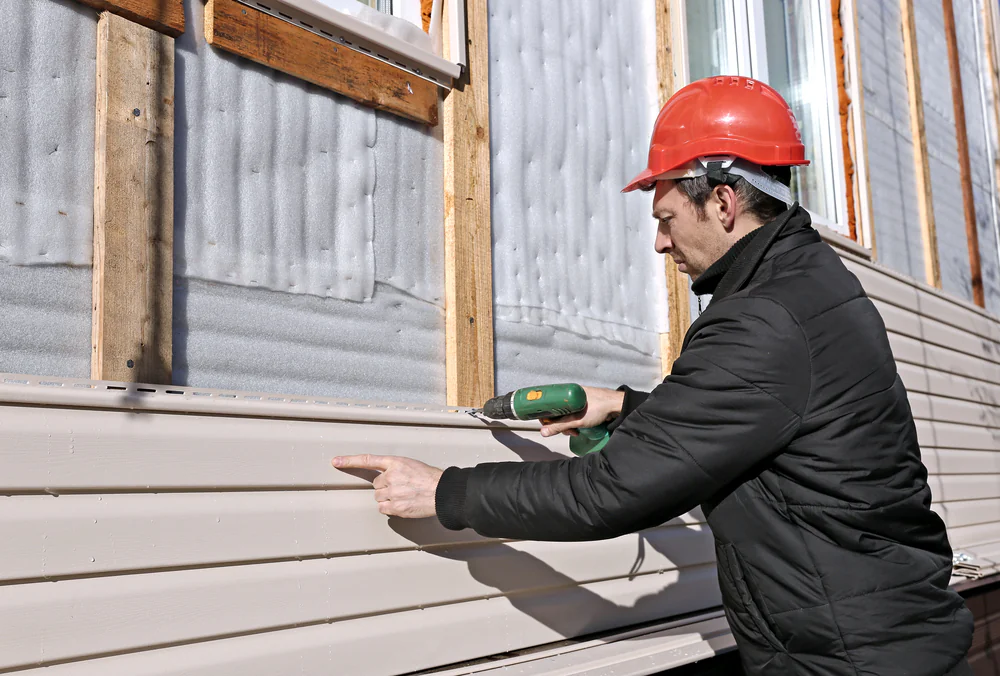
Installation starts with proper house wrapping. This moisture barrier is critical in Hamilton’s climate. Then we install your siding with attention to expansion gaps, flashing around windows and doors, and proper fastening. Every panel gets checked for level and alignment. The job isn’t done until trim is installed, caulking is complete, and your property is cleaned up.
Ready to get started?
Your heating and cooling costs drop. The Department of Energy says proper weatherization saves up to 30% on energy bills annually. In Massachusetts, that’s $400-600 per year. Insulated siding makes that possible by stopping heat loss through your walls.
Maintenance disappears. Vinyl won’t split, peel, or rot. It never needs scraping, staining, or painting. Fiber cement siding is engineered to resist pests, moisture, and fire. You’re done with weekend projects and contractor calls for repairs.
Your home value increases. Siding replacement is one of the best investments you can make. Buyers in Hamilton see new siding as move-in ready. They’re willing to pay more because they know they won’t face exterior work for decades.
Weather protection improves immediately. New England throws everything at your home—freezing temperatures, ice, wind-driven rain, summer heat. Quality siding installation in Hamilton, MA creates a barrier that keeps moisture out and comfort in. Your home stays protected year-round, and we install in any season so you’re never left exposed.
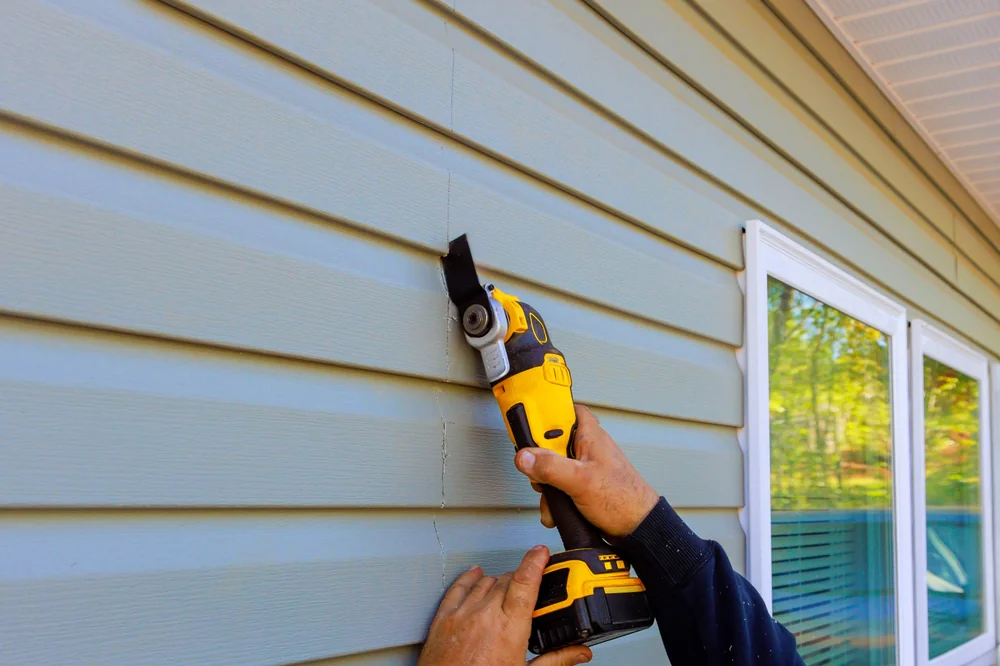
Most siding installations in Hamilton run between $8,000 and $24,000 depending on your home’s size, the material you choose, and how much prep work is needed. Vinyl siding is the most affordable option and delivers excellent value for homes where budget matters most. Fiber cement siding costs more—typically 25-50% higher than vinyl—but you’re paying for superior fire resistance, longer lifespan, and better performance in extreme weather.
The real cost comes from cutting corners. If your contractor skips proper house wrapping, doesn’t address rot in the sheathing, or rushes the installation, you’ll pay for it in callbacks, moisture damage, and shortened lifespan. We give you a detailed estimate that breaks down materials, labor, and any prep work your home needs. No surprises, no upselling, just an honest assessment of what it takes to do the job right.
It depends on what matters most to you. Vinyl siding is low-maintenance, affordable, and lasts 20-40 years without painting. It resists moisture and won’t rot, which makes it ideal for New England’s wet climate. The downside is it can crack in extreme cold and doesn’t offer the same fire resistance as other options.
James Hardie fiber cement siding is the premium choice. It won’t rot, swell, or attract pests. It’s fire-resistant, which can lower your insurance rates. ColorPlus Technology means the color is baked in at the factory and resists fading far better than field-painted options. It handles temperature swings without expanding or contracting, so it stays tight and looks clean for decades. The cost is higher, but the performance and longevity justify it for most homeowners.
LP SmartSide and cedar are less common here but work well for specific architectural styles. We’ll walk through what makes sense for your home, your budget, and how long you plan to stay.
Most homes in Hamilton take 5-10 days for complete siding installation. Smaller homes or simple ranch styles can be done in less time. Larger colonials with multiple stories, complex trim details, or significant prep work take longer.
The timeline depends on what we find when we remove your old siding. If there’s rot in the sheathing or framing issues, we’ll need to make those repairs before new siding goes up. Skipping that step is how contractors finish fast but leave you with problems. We’d rather take an extra day or two and know your home is protected correctly.
Weather can slow things down, but we install year-round in Hamilton. Vinyl and fiber cement siding can both be installed in cold temperatures as long as we follow manufacturer guidelines. We’ll give you a realistic timeline upfront and keep you updated if anything changes.
If your current house wrap is damaged, deteriorated, or wasn’t installed correctly, yes. House wrapping is your home’s moisture barrier. It keeps wind-driven rain from reaching your sheathing and framing. Without it, or with a compromised barrier, you’re inviting rot, mold, and structural damage.
Hamilton’s weather is tough on house wrap. Freeze-thaw cycles, ice dams, and driving rain all take their toll. If your home is more than 20 years old and the wrap hasn’t been replaced, there’s a good chance it’s not doing its job anymore. We’ll inspect it when we remove your old siding and tell you exactly what condition it’s in.
New house wrap adds to the project cost, but it’s not optional if your home needs it. Think of it as insurance. Spending a bit more now prevents expensive repairs later. We use quality materials and install them correctly—overlapped, taped at seams, and flashed around all openings.
Yes, if you choose insulated siding or if your current siding has gaps, cracks, or missing sections. Up to 25% of your home’s energy loss happens through the walls. That’s a massive amount of wasted heat in winter and cool air in summer.
Foam-backed vinyl siding adds a continuous layer of insulation that standard vinyl doesn’t provide. It increases your wall’s R-value by up to 19%, which translates to real savings. Homeowners in Massachusetts who properly weatherize save $400-600 annually on heating and cooling costs, according to Department of Energy estimates. That’s not marketing talk—it’s measurable improvement.
Even non-insulated siding helps if your current exterior is failing. Gaps around windows, loose panels, and deteriorated trim all let air in and out. New siding installation in Hamilton, MA seals those leaks. Your HVAC system runs less, your rooms stay more comfortable, and your bills drop. You’ll notice the difference in the first winter.
Yes. We install siding year-round in Hamilton, and winter installation is more common than most homeowners think. Vinyl and fiber cement siding can both be installed in cold weather as long as the crew follows proper procedures.
Vinyl requires extra care in freezing temperatures because it becomes more brittle. We adjust fastening techniques, allow for proper expansion gaps, and avoid working in extreme cold snaps when the material is most vulnerable. Fiber cement siding is less affected by temperature, which is one reason we can work through most of the winter without issues.
The advantage of winter installation is availability. Most homeowners wait for spring, which means longer lead times and busier schedules. If your siding is failing and you need protection now, waiting until April doesn’t make sense. We’ll get your home sealed up and protected regardless of the season.