Hear from Our Customers

Your heating bills drop because there’s finally a real thermal barrier between your HVAC system and January. You stop worrying about water creeping behind old panels and rotting out your sheathing. The drafts around windows disappear.
Goffstown homes deal with serious temperature swings. Your siding needs to expand and contract without cracking, seal out moisture during spring thaws, and not warp when summer humidity hits 80%. That’s why we install with expansion gaps at every transition joint and use proper house wrapping techniques before the first panel goes up.
You get a home that looks updated, sure. But more importantly, you get one that stops bleeding energy and doesn’t need another Band-Aid repair in three years. The difference shows up in your comfort first, then your utility statements.
We started Paradise Remodeling Inc in Massachusetts serving homeowners who were tired of contractors cutting corners. We’re Owens Corning Preferred Contractors, which means we meet specific installation standards and use materials designed for New England weather.
Goffstown sits right in the Merrimack Valley, where winter wind comes hard off the river and summer storms roll in fast. We know how to flash around every window, seal every soffit transition, and make sure your new siding doesn’t trap moisture against your house wrap. That’s not extra—it’s how the job should be done the first time.
You’re not paying us to learn on your house. You’re hiring people who’ve handled hundreds of installations and know what fails in this climate.
We start with an in-person consultation at your home. You show us what’s failing, we inspect the current condition, and we talk through your options—vinyl siding installation for lower cost and minimal maintenance, or fiber cement if you want maximum durability and the best ROI.
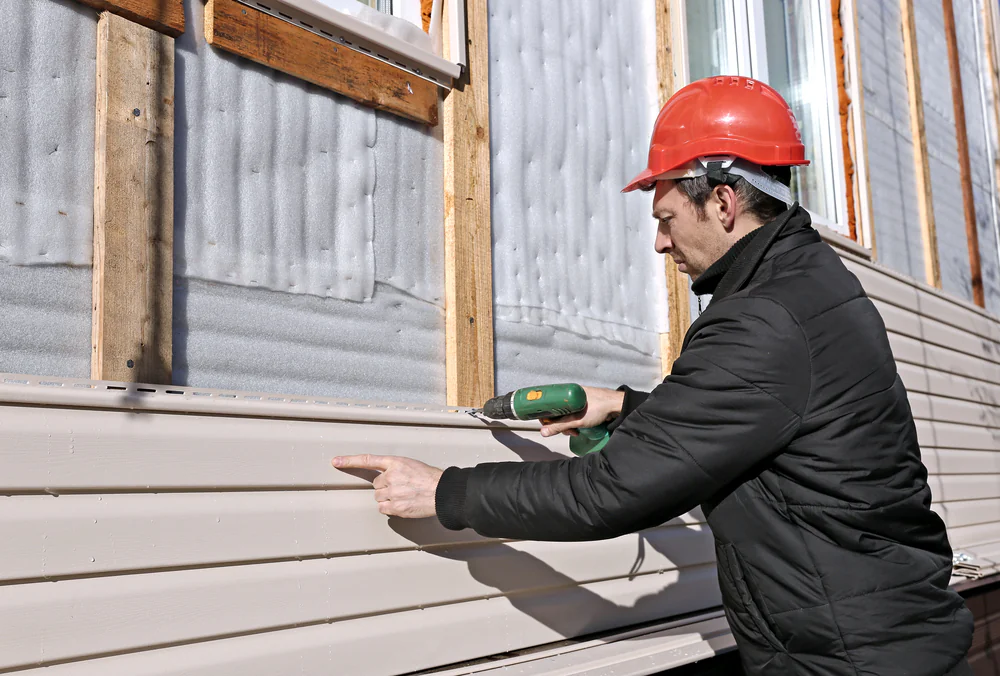
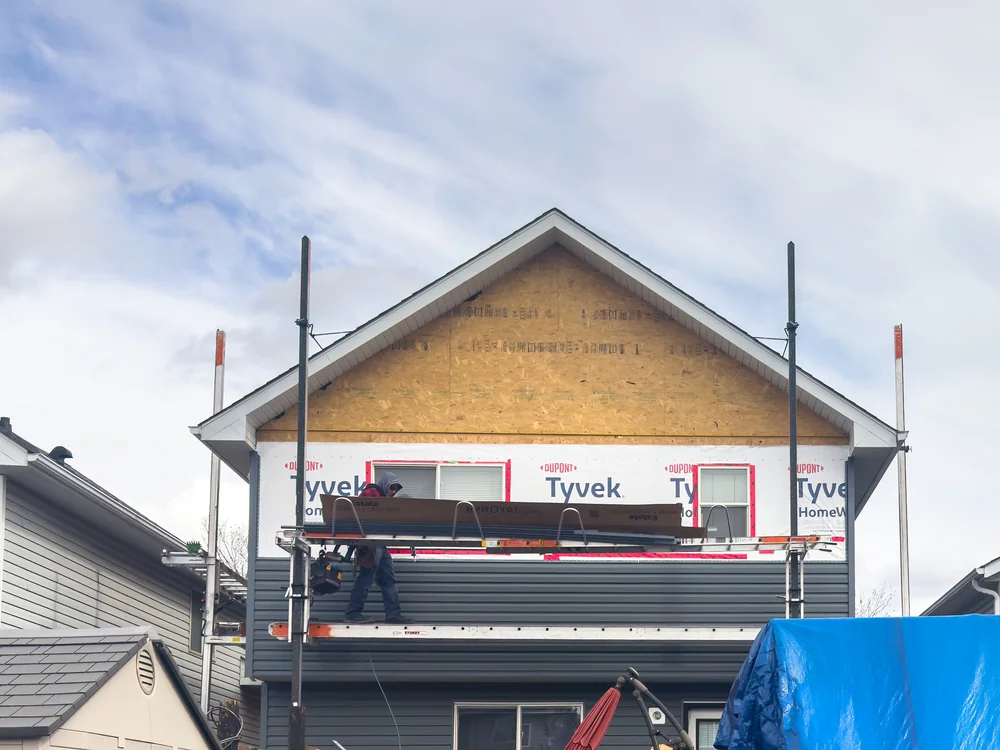
Once you decide, we pull permits if needed and schedule the work around your timeline. Our crew removes your old siding, inspects the sheathing for any rot or damage, and makes repairs before anything new goes on. Then we install house wrapping as a moisture barrier and start the siding installation with proper fastening zones and expansion gaps.
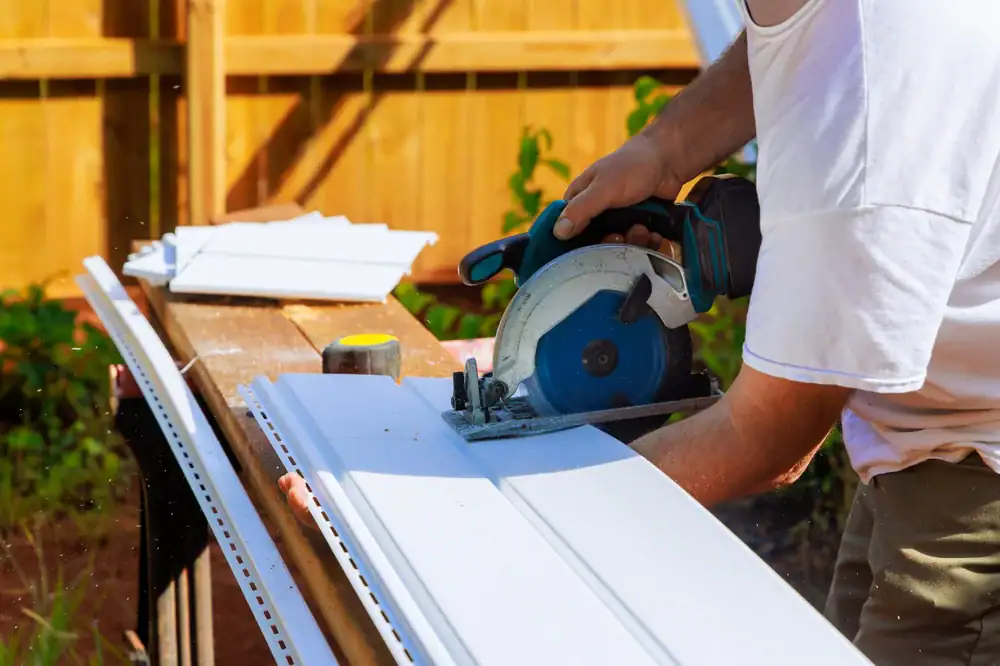
Every panel gets checked for level. Every seam gets overlapped correctly. Every corner, trim piece, and J-channel gets sealed so water can’t sneak behind it. We don’t rush the details because that’s where cheap jobs fail. You get a final walkthrough, we clean up completely, and you’re done.
Ready to get started?
Vinyl siding installation in Goffstown typically runs $8-$10 per square foot installed, so around $14,400 to $18,000 for an average home. Fiber cement siding cost is higher—$11-$13 per square foot, or about $19,800 to $23,400 total—but it lasts longer and saves you money on repainting. James Hardie installers charge more because the material requires specific techniques and it’s heavier to work with.
You’re paying for materials that won’t crack during a cold snap, installation that seals out moisture, and a crew that knows how to handle New Hampshire’s building codes. Goffstown homes face harsh freeze-thaw cycles every spring. Cheap siding jobs fail because they skip the house wrapping step or don’t leave room for thermal expansion.
We don’t cut those corners. You get proper prep, quality materials, and installation that holds up. That’s why fiber cement offers the best return on investment for remodeling projects—it can save you up to $5,000 over 15 years just in paint costs, and it doesn’t warp or crack like vinyl can in extreme cold.
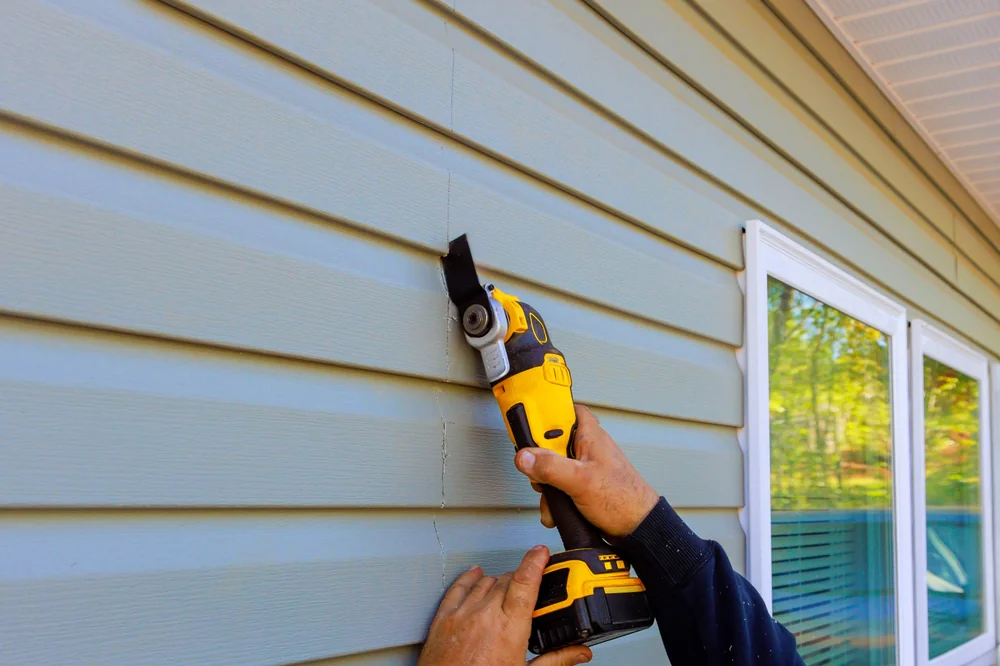
Most siding installations take between five and ten days depending on the size of your home and the material you choose. A straightforward vinyl siding job on a ranch might finish in a week. A two-story colonial with fiber cement siding and detailed trim work could take closer to two weeks.
Weather affects the timeline in Goffstown. We can’t install when it’s pouring rain or if temperatures drop too low for adhesives to cure properly. We also need time to address any sheathing damage we find once the old siding comes off—and we find it more often than you’d think.
We give you a realistic schedule upfront and keep you updated if anything changes. Rushing a siding job to hit an arbitrary deadline is how you end up with gaps, improper fastening, and callbacks a year later.
Vinyl costs less and needs almost zero maintenance, but it can crack in extreme cold and may warp slightly in high heat. It expands and contracts more than fiber cement, which is why proper installation with expansion gaps matters so much. For Goffstown’s climate, premium vinyl holds up well if it’s installed correctly.
Fiber cement—especially James Hardie—is heavier, more durable, and handles temperature swings better. It won’t crack during freeze-thaw cycles, won’t warp in summer humidity, and keeps its shape for decades. It costs more upfront and requires repainting every 10-15 years, but it gives you better wind resistance and the highest ROI of any remodeling project.
If you’re planning to stay in your home long-term and want maximum durability, fiber cement makes sense. If you want lower cost and easy maintenance, quality vinyl is a solid choice. Both work in New Hampshire—it depends on your budget and priorities.
Yes, but how much depends on what you’re replacing and whether we add insulation. Old siding with gaps, cracks, or missing sections lets conditioned air escape and outdoor air seep in. New siding with proper house wrapping creates a continuous barrier that stops those leaks.
Insulated vinyl siding adds an extra thermal layer that reduces heat transfer through your walls. That means your furnace doesn’t work as hard in January and your AC doesn’t run constantly in July. Homeowners in Goffstown typically see a noticeable difference in comfort first—fewer drafts, more consistent temperatures—and then a drop in their heating and cooling costs.
The exact savings vary based on your home’s size, insulation, and how bad your old siding was. But eliminating thermal bridging and air infiltration always improves efficiency. We can walk you through insulated options during your consultation if energy savings are a priority.
If you’ve got a few cracked panels or one section damaged by a storm, repair makes sense. If you’re seeing widespread issues—warping, rot behind the siding, persistent moisture problems, or damage on multiple sides of the house—replacement is usually the smarter move.
Check for soft spots when you press on the siding, peeling paint that keeps coming back, or visible mold and mildew that won’t wash off. Those are signs that moisture is getting behind the panels and causing structural damage. Small cracks might seem minor, but in Goffstown’s climate they let water in during spring thaws, and that water freezes and expands, making the problem worse every year.
We’ll give you an honest assessment during the consultation. If a repair will actually fix the problem, we’ll tell you. If you’re going to keep throwing money at patches while the underlying issue gets worse, we’ll explain why replacement makes more sense long-term.
Yes. We pull any required permits and handle inspections as part of the installation process. Goffstown has specific building codes, and we make sure everything meets local requirements before we start and after we finish.
Most siding replacement projects need a permit, especially if we’re making any structural repairs to sheathing or adding insulation. We submit the paperwork, coordinate with the building department, and schedule inspections at the right stages. You don’t have to deal with any of that.
Skipping permits might seem like a way to save money, but it causes problems when you sell your home or file an insurance claim. Inspectors check that the work was done correctly—proper flashing, correct fastening, adequate ventilation. We install to code every time, so inspections aren’t a concern.
We stop, show you the damage, explain what needs to be fixed, and give you a price for the repair before we continue. Rot and sheathing damage are common in older homes, especially around windows, doors, and anywhere flashing failed. You can’t install new siding over compromised structure—it’ll just hide the problem until it gets worse.
We replace any rotted sheathing, treat the framing if needed, and make sure everything is solid and dry before the new siding goes on. This adds time and cost, but it’s not optional. Installing over damaged wood is how you end up paying twice—once for the siding job and again a few years later when the rot spreads and the new siding starts failing.
Most homeowners appreciate knowing exactly what’s behind their walls. We document everything with photos, explain what caused the damage, and fix it right so it doesn’t happen again. That’s part of doing the job correctly the first time.