Hear from Our Customers

Your siding isn’t just about curb appeal. It’s the barrier between your home’s structure and everything New Hampshire throws at it.
When your siding fails, you’re looking at drafts that spike heating costs, moisture that rots sheathing, and constant touch-ups just to keep things from getting worse. Old or damaged siding doesn’t just look bad—it costs you money every month and puts your home at risk.
New siding installation in Fremont, NH fixes that. You get a tight envelope that keeps conditioned air inside, drops your energy bills, and protects against water infiltration. Fiber cement siding handles freeze-thaw cycles without cracking. Vinyl siding sheds moisture and never needs paint. Both options mean you stop throwing money at repairs and start enjoying a home that takes care of itself.
The right siding also brings serious ROI. Fiber cement averages an 88% return on investment, adding real value if you ever sell. But even if you’re staying put, you’ll notice the difference in comfort, utility costs, and how little time you spend worrying about your exterior.
We’ve been installing siding across New Hampshire and the North Shore of Massachusetts for years. We’re an Owens Corning Preferred Contractor, which means we’ve met strict standards for quality work and customer service—not just once, but consistently.
Fremont homeowners deal with specific challenges: high humidity in summer, brutal freeze-thaw cycles in winter, and wind that tests every seam. We’ve seen what works and what fails in this climate. That’s why we focus on proven materials like James Hardie fiber cement and quality vinyl siding, installed with proper house wrapping and flashing to keep moisture out for good.
You won’t get a hard sell from us. You’ll get straight answers about what your home needs, what your options cost, and how long each material actually lasts in New Hampshire conditions. We’re fully insured, locally based, and we show up when we say we will.
We start with a free estimate at your Fremont, NH home. You’ll get a clear breakdown of material options—vinyl versus fiber cement, color choices, and what each costs. No pressure, just information so you can make the right call.
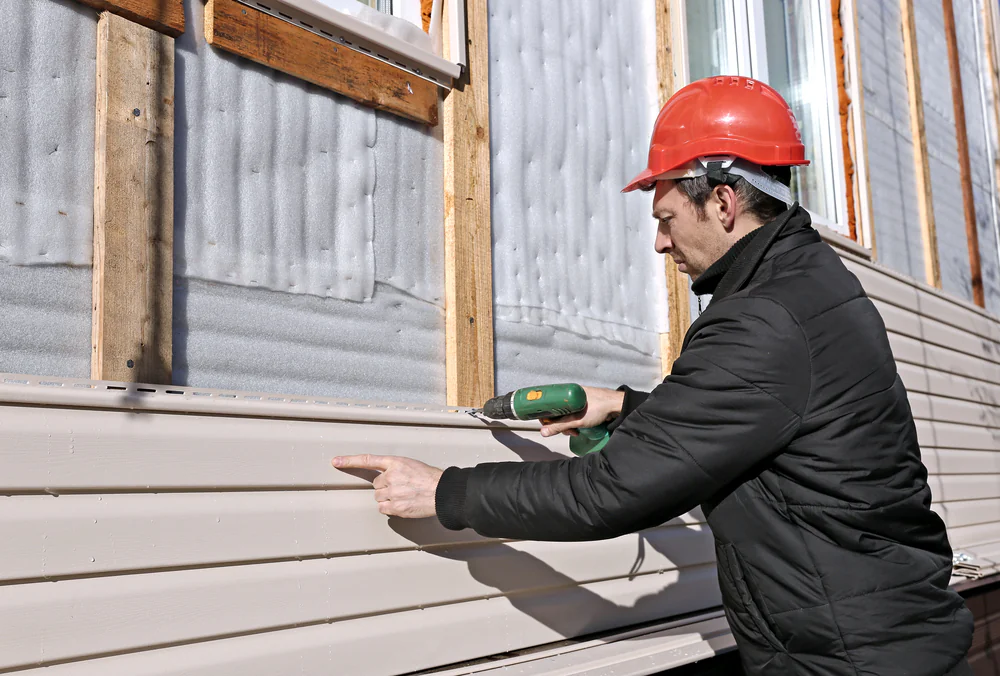
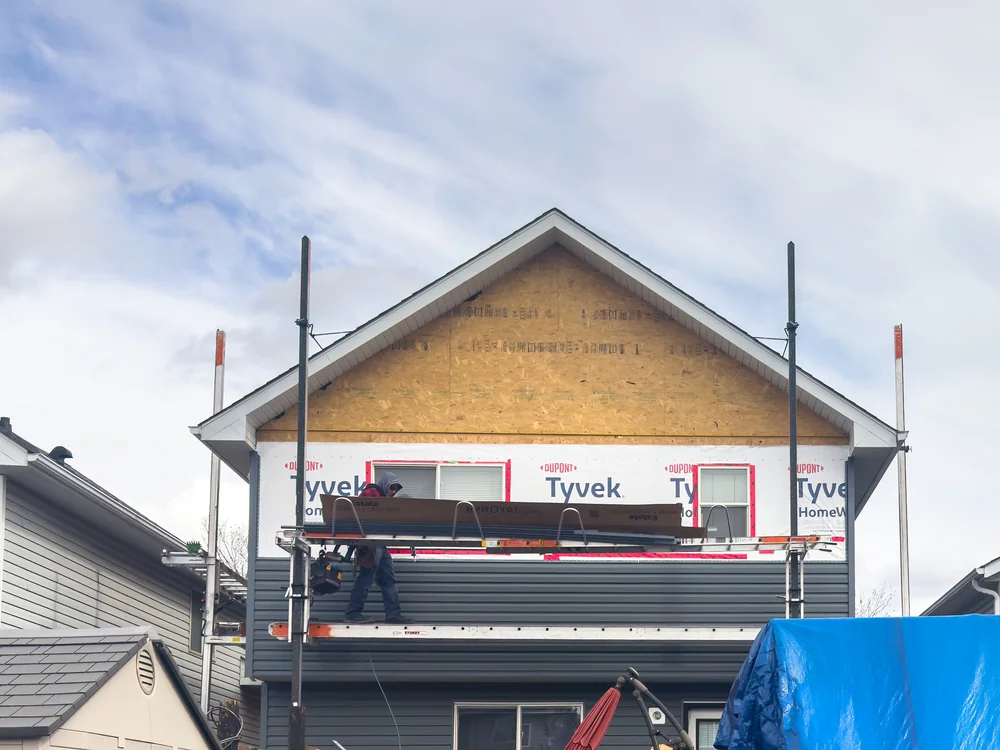
Once you’re ready to move forward, we schedule the work around your timeline. Before any new siding goes up, we inspect your sheathing for damage. If there’s rot or structural issues, we handle the carpentry repairs first. Then we install house wrapping as a weather barrier, making sure every seam is sealed and flashed correctly.
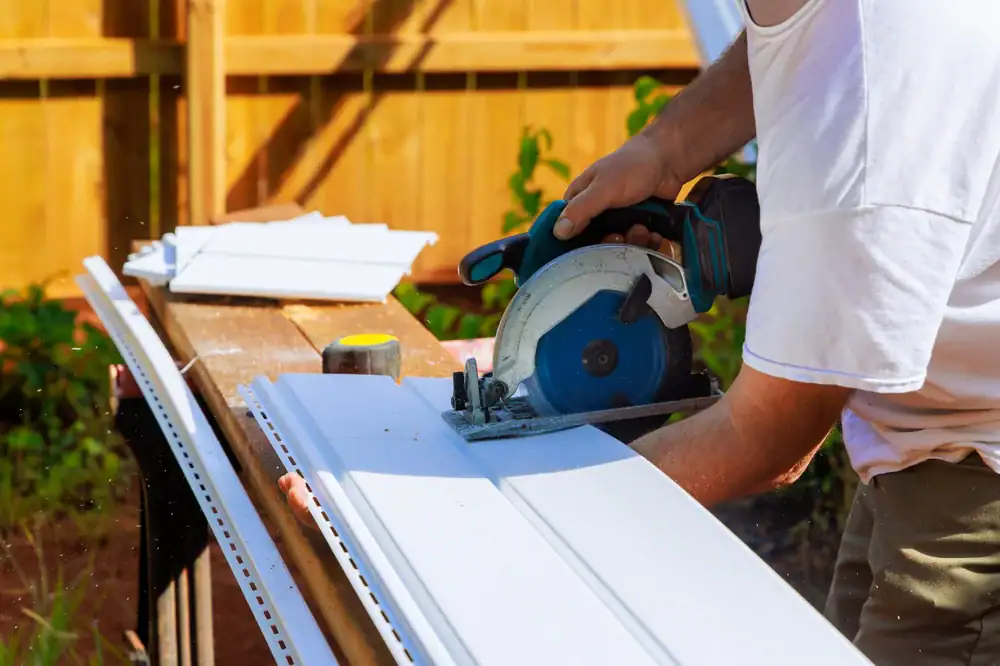
The siding goes up next, whether it’s James Hardie fiber cement or vinyl. We pay attention to expansion gaps, proper nailing, and trim details that prevent water intrusion. Every corner, every window, every transition gets done right the first time.
After installation, we walk the job with you, answer any questions, and clean up completely. You’re left with siding that looks sharp and performs even better—built to handle whatever New England weather comes next.
Ready to get started?
Fremont sits in a climate zone that demands tough siding. You’re dealing with average winter lows in the teens, summer humidity that encourages mold, and freeze-thaw cycles that crack weak materials. The siding we install handles all of it.
Vinyl siding installation in Fremont, NH gives you a cost-effective option that never needs paint, resists moisture, and comes in dozens of colors. Modern vinyl isn’t the flimsy stuff from decades ago—it’s engineered to expand and contract with temperature swings without warping. Expect to pay $2-7 per square foot installed, and you’ll get decades of performance with almost zero maintenance.
Fiber cement siding costs more upfront but delivers superior durability. As James Hardie installers in Fremont, NH, we know this material stands up to direct flame, won’t rot or warp, and holds its color for 15+ years thanks to baked-in ColorPlus Technology. It’s non-combustible, resists pests, and brings up to 80% ROI according to recent cost-versus-value data. You’re looking at $6-12 per square foot installed, but you’re also looking at siding that outlasts almost everything else.
Both options include proper house wrapping—a critical step that creates a secondary moisture barrier and prevents air infiltration. We use quality underlayment, seal every penetration, and flash around windows and doors so water has no path inside. That’s how you get siding that actually protects your home instead of just covering it.
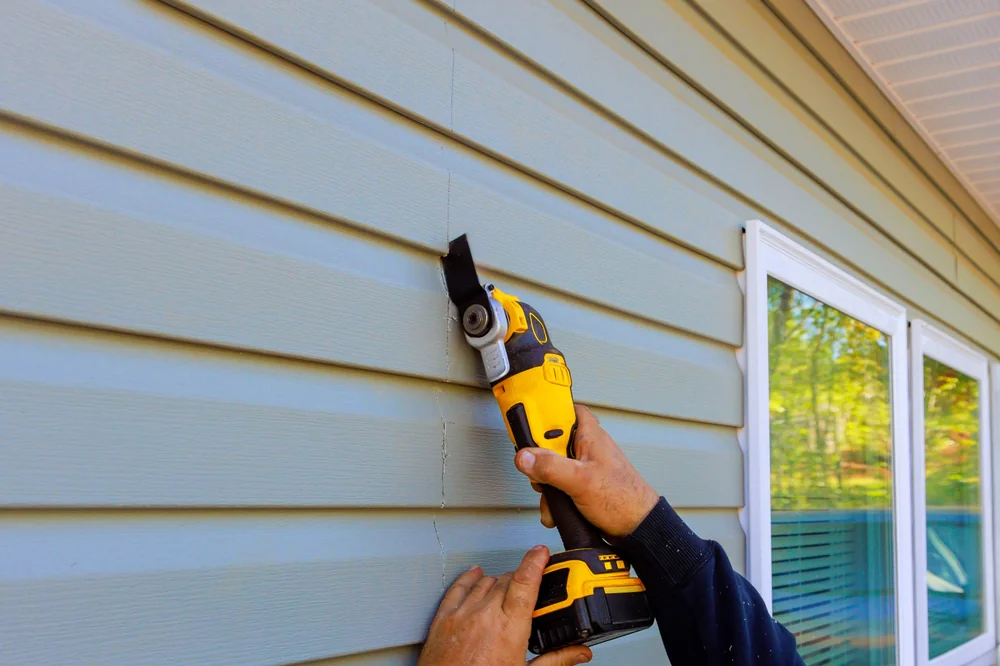
Most siding installations in Fremont, NH take between 5-10 days depending on your home’s size and complexity. A straightforward ranch might be done in a week. A two-story colonial with multiple gables, bay windows, and detailed trim work will take longer.
Weather plays a role too. We can’t install siding in heavy rain or when temperatures drop below freezing for fiber cement. If we hit a stretch of bad weather, we’ll pause and pick back up when conditions are right—rushing a siding job to meet a deadline is how you end up with moisture problems later.
We’ll give you a realistic timeline during the estimate. If we find rotted sheathing or structural issues once we remove old siding, that adds time for carpentry repairs. But we’d rather fix it right than cover up problems that’ll cost you more down the road.
Vinyl costs less and needs almost zero maintenance. Fiber cement costs more but lasts longer and handles impact better. Both work well in Fremont’s climate if installed correctly.
Vinyl siding expands and contracts with temperature changes, so it needs to be nailed properly with room to move. It won’t rot, never needs paint, and resists moisture. The downside is it can crack on impact and may fade slightly over 20+ years depending on color and sun exposure. It’s a solid choice if you want affordable, low-maintenance siding that performs well.
Fiber cement—especially James Hardie—is denser and more rigid. It’s non-combustible, resists pests and rot, and holds up to hail and wind-blown debris without denting. The color is baked in, so it resists fading far better than vinyl. You’ll pay more upfront, but you’re getting a premium material that adds more resale value and requires less frequent replacement. If budget allows, fiber cement is the better long-term investment for New England homes.
Yes. House wrapping is your home’s real defense against moisture and air infiltration. Siding is the first line, but it’s not airtight—water can get behind it through seams, around fasteners, or during wind-driven rain.
House wrapping creates a weather-resistant barrier that sheds water while allowing vapor to escape. That means if moisture does get behind your siding, it can dry out instead of rotting your sheathing. It also blocks drafts that drive up heating and cooling costs.
Skipping house wrapping to save a few hundred dollars is a mistake that costs thousands later when you’re dealing with mold, rot, or structural damage. Every siding installation we do in Fremont, NH includes proper house wrapping, sealed seams, and flashing around all openings. It’s not optional—it’s how you build an exterior that actually lasts.
Vinyl siding installation in Fremont, NH typically runs $8,000-$16,000 for an average-sized home, depending on square footage and trim complexity. Fiber cement siding costs more—expect $15,000-$30,000 for the same house because the material and labor are both more expensive.
Those ranges include removal of old siding, house wrapping, new siding, trim, and cleanup. If we find rotted sheathing or need to do carpentry repairs, that’s additional. Complex architectural details, multiple stories, or hard-to-reach areas also increase labor costs.
The best way to know what your project will cost is to get a free estimate. We’ll measure your home, assess the condition of what’s underneath, and give you a detailed quote for both vinyl and fiber cement options so you can compare. No surprises, no hidden fees—just clear numbers so you can make an informed decision.
Yes, if your current siding is old, damaged, or poorly installed. New siding installation in Fremont, NH creates a tighter building envelope that reduces air infiltration—and air leaks are one of the biggest drivers of high heating and cooling costs.
When we install siding, we’re also adding house wrapping that blocks drafts and improves insulation performance. That means your furnace and AC don’t have to work as hard to maintain temperature. Homeowners often see a noticeable drop in utility bills, especially if their old siding had gaps, cracks, or missing sections.
The exact savings depend on your home’s current condition and insulation levels. But even a 10-15% reduction in heating costs adds up fast over a New Hampshire winter. Combined with the comfort of fewer drafts and more consistent indoor temperature, new siding pays for itself over time—not just in resale value, but in real monthly savings.
If you’re repairing the same sections repeatedly, dealing with rot or mold, or seeing a spike in energy bills, replacement makes more sense than patching. A few isolated issues can be repaired. Widespread damage means it’s time for new siding.
Look for these signs: cracks or warping across multiple boards, peeling paint that comes back even after you repaint, soft spots that indicate rot underneath, or visible mold and mildew growth. If your siding is 20+ years old and showing any of these symptoms, replacement is usually the smarter investment.
We’ll give you an honest assessment during the estimate. If repairs will buy you another 5-10 years, we’ll tell you. If you’re throwing good money after bad, we’ll explain why replacement is the better call. Our job is to help you make the right decision for your home and budget—not to sell you something you don’t need.