Hear from Our Customers

You’re tired of watching your heating costs climb every winter while your old siding cracks and warps. That’s what happens when moisture gets behind failing exterior walls—your insulation stops working, your HVAC system runs constantly, and you’re paying for it.
New siding installation in Deerfield, NH changes that. Properly installed vinyl or fiber cement siding with house wrapping creates a weather barrier that keeps cold air out and warm air in. Most homeowners see energy costs drop 15-20% in the first year alone.
You also get protection from the real threats—ice dams that force water under shingles, freeze-thaw cycles that crack weak materials, and wind-driven rain that soaks wall cavities. James Hardie fiber cement siding doesn’t rot, warp, or attract pests. Insulated vinyl siding adds R-value while resisting moisture. Both options last decades without the constant scraping, painting, and patching that wood siding demands.
Your home looks better. Your utility bills go down. And you stop worrying about what winter will do to your exterior.
We’ve spent over a decade working on homes throughout Deerfield and the surrounding New Hampshire communities. We’re an Owens Corning Preferred Contractor, which means we meet strict standards for quality and reliability—not just once, but consistently.
We know what New Hampshire weather does to home exteriors because we see it every day. Deerfield gets the full range: heavy snow, spring thaws, summer humidity, and fall wind. Your siding has to handle all of it without failing.
That’s why we focus on proper installation from the start. House wrap goes on correctly. Seams get sealed. Flashing gets installed around windows and doors. The details matter because they determine whether your siding protects your home or just covers it.
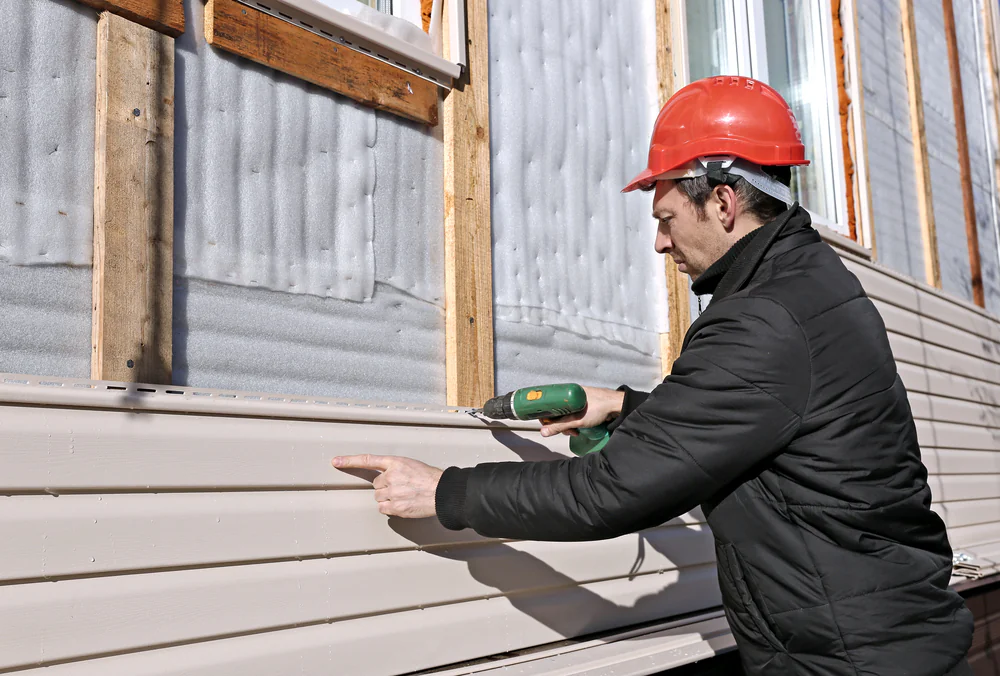
We start with an on-site consultation at your Deerfield home. You show us what’s failing, we inspect the exterior, and we talk through your options—vinyl siding installation for affordability and low maintenance, or fiber cement for maximum durability and fire resistance.
Once you decide, we pull permits and order materials. Then our crew removes your old siding and inspects the sheathing underneath for rot or damage. If we find problems, we fix them before new siding goes up. This is the step that separates quality work from quick work.
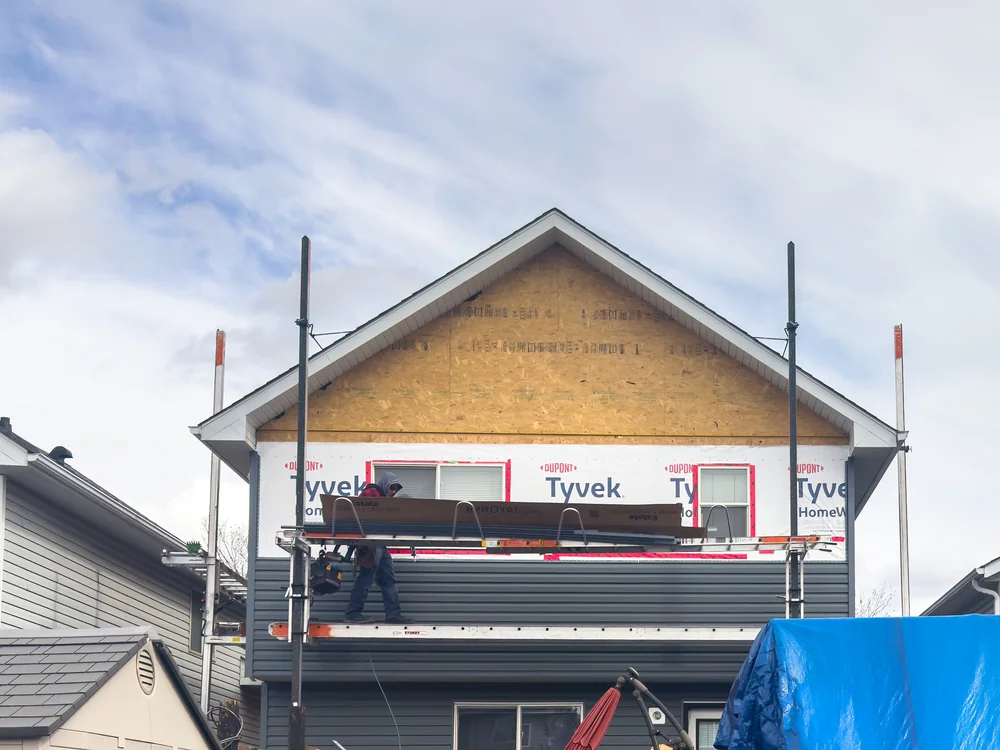
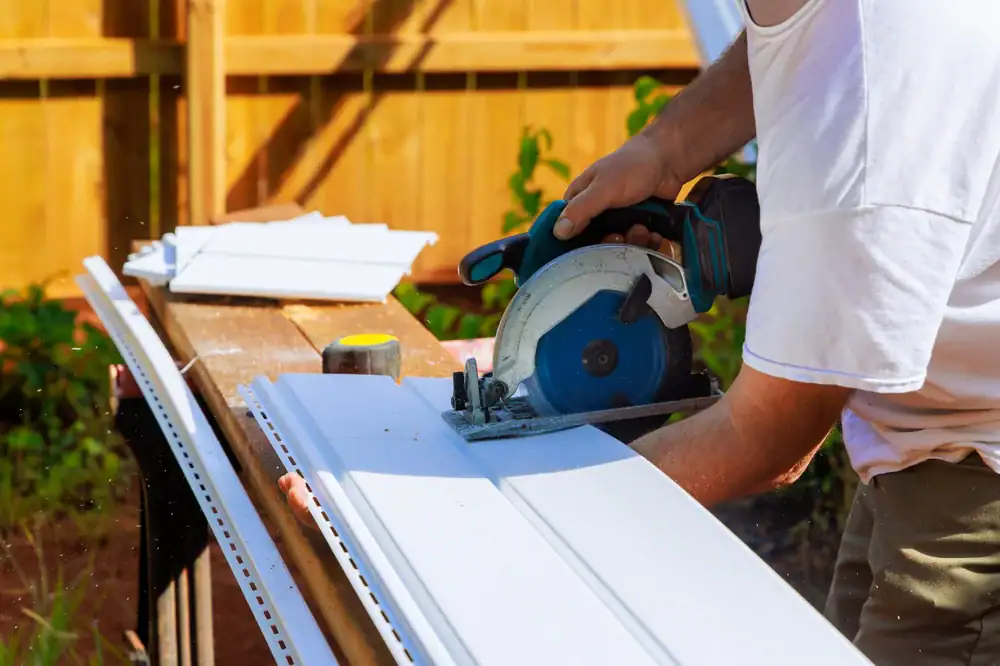
Next comes house wrapping. This moisture barrier protects your walls from water infiltration while allowing vapor to escape. We seal every seam and opening, then install your new siding with proper spacing for expansion and contraction. Fiber cement siding cost includes ColorPlus factory finish that resists UV damage. Vinyl siding gets installed with insulated backing if you want extra energy efficiency.
Final inspection covers every detail—trim, corners, flashing, and caulking. You get a walkthrough so you know exactly what was done and how to maintain it.
Ready to get started?
You’re not just getting new siding. You’re getting a complete exterior upgrade designed for Deerfield’s climate.
That includes full removal of old siding and proper disposal. We don’t cover up problems—we fix them. Any damaged sheathing or framing gets replaced before new materials go up.
House wrapping goes on every exterior wall to block drafts and moisture. This step alone improves energy efficiency by sealing gaps that let conditioned air escape. Then we install your chosen siding material—whether that’s vinyl for its affordability and flexibility, or James Hardie fiber cement for its superior fire resistance and 30-50 year lifespan.
Deerfield homes face specific challenges. You’re in southern New Hampshire where temperatures swing dramatically and snow accumulation varies year to year. That means your siding needs to handle freeze-thaw cycles without cracking, resist moisture without rotting, and maintain its appearance without constant repainting. Fiber cement does all three. Insulated vinyl siding adds thermal protection while keeping costs reasonable—typically $8-10 per square foot installed.
We also handle trim, corners, and flashing around windows and doors. These details prevent water intrusion and give your home a finished look that actually lasts.
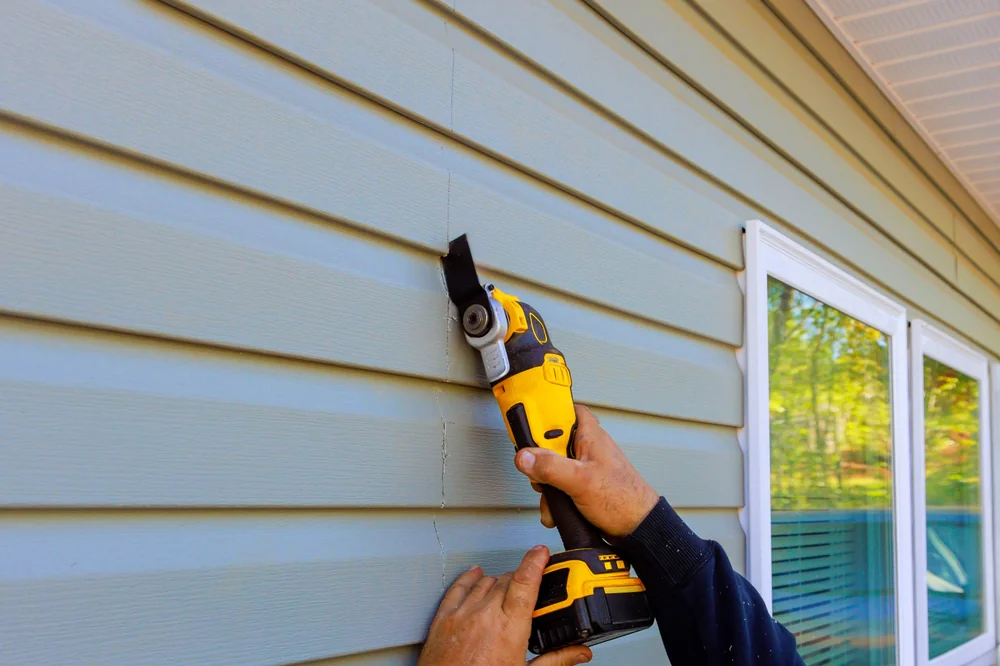
Fiber cement siding costs $10-15 per square foot installed, while vinyl siding runs $8-10 per square foot. For a typical 2,000 square foot home in Deerfield, that’s $20,000-30,000 for James Hardie versus $16,000-20,000 for quality vinyl.
The price difference buys you serious advantages. Fiber cement lasts 30-50 years versus 20-30 for vinyl. It won’t melt near grills or fire pits. It resists impact damage better. And the ColorPlus factory finish holds color longer than field-applied paint, which matters in New Hampshire where UV exposure and temperature swings fade most exterior finishes within 7-10 years.
Vinyl siding still makes sense if your budget is tight or you plan to sell within a decade. It’s durable, low-maintenance, and handles freeze-thaw cycles well. But if you’re staying in your Deerfield home long-term, fiber cement delivers better value over its lifespan.
Yes. House wrapping is not optional if you want your siding to actually protect your home.
Here’s why: New Hampshire gets wind-driven rain, snow that melts and refreezes, and humidity that condenses inside wall cavities. Without a proper moisture barrier, water gets behind your siding and soaks your sheathing and insulation. That leads to mold, rot, and structural damage you won’t see until it’s expensive to fix.
House wrap blocks water from outside while letting vapor escape from inside. It also seals gaps around windows, doors, and penetrations where air leaks cost you money every month. Most Deerfield homes we work on have old or damaged house wrap that’s no longer doing its job. Replacing it during siding installation adds minimal cost but prevents major problems down the road.
Most siding installations in Deerfield take 5-10 days depending on your home’s size and the condition of what’s underneath.
A straightforward job on a 2,000 square foot home with no structural issues usually takes a week. Day one is removal and inspection. Days two and three cover repairs and house wrapping. Days four through six are siding installation. Final days handle trim, cleanup, and inspection.
Larger homes or homes with rot damage take longer. If we find sheathing that needs replacement or framing that’s compromised, we fix it properly before moving forward. Rushing past structural problems just to finish faster is how you end up with siding that looks good but doesn’t protect anything.
Weather also affects timing. We don’t install siding in heavy rain or when temperatures drop below freezing, because adhesives and caulking won’t cure properly. That’s rare in summer but common in late fall and early spring in Deerfield.
Fiber cement and insulated vinyl both handle New Hampshire winters well, but they do it differently.
James Hardie fiber cement is the most durable option. It won’t crack during freeze-thaw cycles, won’t rot when moisture gets trapped, and won’t burn if embers land on it during a fire. It’s heavy and rigid, which means it stays flat and doesn’t warp. The ColorPlus finish resists UV damage better than paint, so it holds color through years of sun exposure and temperature swings. If you’re planning to stay in your Deerfield home for decades, fiber cement is worth the higher upfront cost.
Insulated vinyl siding is the practical choice if budget matters. It costs less, installs faster, and still performs well in cold climates. The insulation backing adds R-value and helps with energy efficiency. Quality vinyl won’t crack in cold weather and it flexes slightly during freeze-thaw cycles instead of breaking. It requires almost no maintenance—no painting, no scraping, no sealing.
Both options beat wood siding, which requires constant upkeep and fails quickly in moisture-heavy climates like ours.
Yes, if your current siding is old, damaged, or poorly installed. Most Deerfield homeowners see energy costs drop 15-20% after proper siding installation with house wrapping.
Here’s what’s happening: your old siding has gaps, cracks, and loose sections that let air move in and out. Your heating system works harder to maintain temperature because conditioned air is escaping through your walls. Your insulation might be good, but if air bypasses it through gaps in your exterior envelope, it’s not doing much.
New siding with proper house wrap seals those gaps. The house wrap blocks drafts and creates a continuous air barrier. If you choose insulated vinyl siding, you add thermal resistance directly to your exterior walls. That means less heat loss in winter and less heat gain in summer.
The savings show up fast. Lower fuel bills in winter. Lower electric bills if you run AC in summer. And your HVAC system doesn’t cycle as often, which extends its lifespan. For a typical Deerfield home, that’s $400-600 in annual savings—enough to offset your siding investment over 15-20 years while you enjoy a more comfortable home the entire time.
If more than 30% of your siding is damaged, replacement makes more sense than patching. Here’s what to look for.
Check for rot by pressing a screwdriver into your siding in several spots. If it sinks in easily, the material is compromised and needs replacement. Look for warping, especially near the bottom where moisture accumulates. Warped siding means water is getting behind it.
Inspect your energy bills. If heating costs have climbed steadily over the past few years despite stable fuel prices, your siding is probably letting air escape. Walk around your Deerfield home and look for cracks, loose sections, or pieces that have fallen off entirely. These are signs that the material has reached the end of its lifespan.
Also consider age. Vinyl siding lasts 20-30 years. Wood siding needs replacement every 15-20 years unless you’ve maintained it religiously. If your siding is approaching these ages and showing any damage, replacement prevents bigger problems.
Repairs work for isolated damage—a few cracked pieces, a small section damaged by impact, or trim that’s come loose. But if you’re repairing something every year, you’re spending money on a failing system. Replacement stops the cycle and gives you decades of protection.