Hear from Our Customers

You stop worrying about the next storm. Your heating bills drop because your walls aren’t leaking air through cracked boards and failing caulk. The peeling paint, the warped sections, the spots where moisture’s been sneaking in—all gone.
Your home looks sharp again. Not just presentable, but actually worth what you paid for it. Maybe more.
And here’s what matters most: you’re done with the cycle. No more scraping and repainting every few years. No more patching rotted sections. The right siding installation in Beverly, MA means you get your weekends back and your home stays protected without you having to think about it. That’s the difference between a quick fix and doing it right the first time.
Paradise Remodeling Inc has been serving the North Shore since 2012. We’re an Owens Corning Preferred Contractor, which means we’ve met their standards for quality and reliability—not just once, but consistently.
We know what Beverly homes face. The salt air that eats through standard materials. The freeze-thaw cycles that crack inferior siding. The nor’easters that test every seam and corner. We’ve seen what fails and what lasts.
Our crews show up when they say they will. They do the work right, clean up after themselves, and don’t disappear when the job’s done. You’re not getting a sales pitch from us—you’re getting straight answers about what your home needs and what it’ll cost.
First, we come look at your house. Not to sell you—just to see what you’re dealing with. We check for underlying damage, measure everything, and talk through your options for vinyl siding installation in Beverly, MA, fiber cement, or James Hardie products.
You get a detailed quote. No surprises, no hidden fees. If you decide to move forward, we schedule the work around your life, not ours.
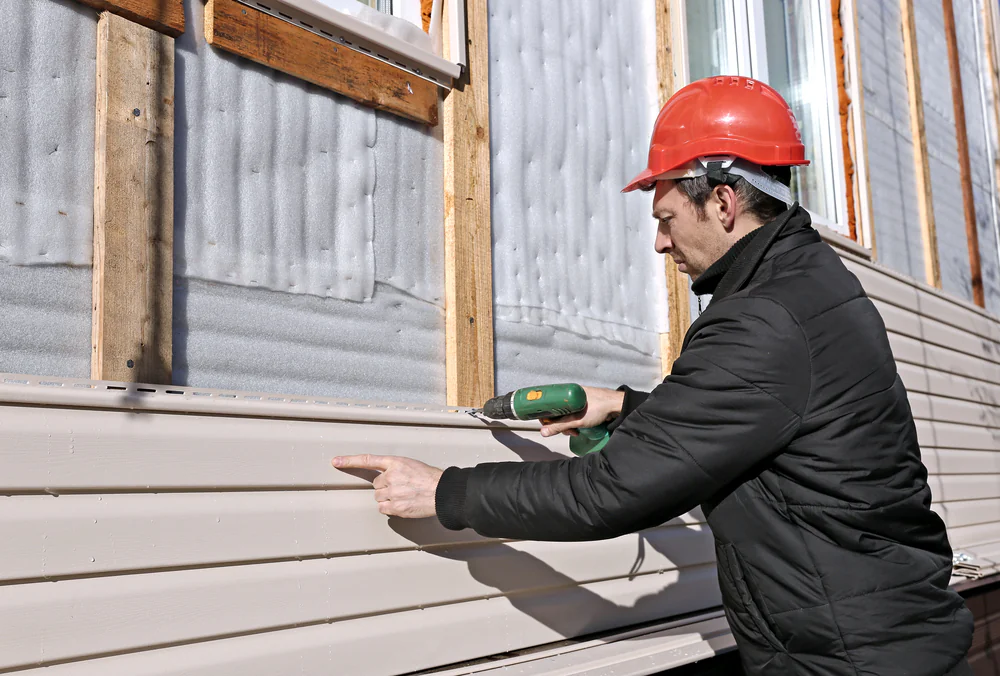
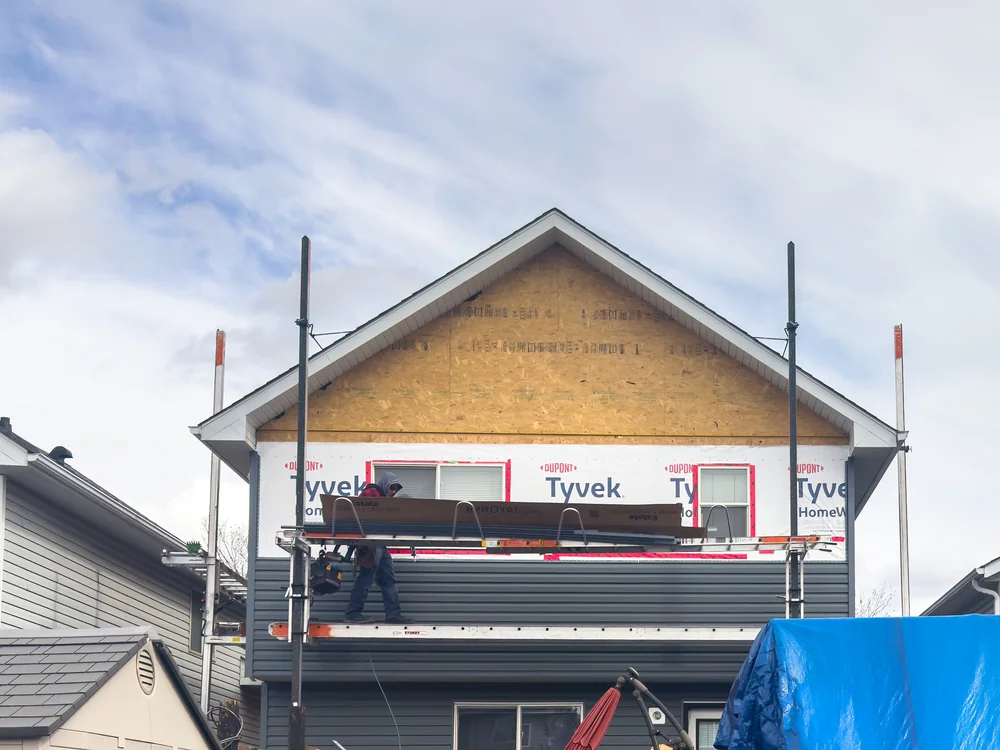
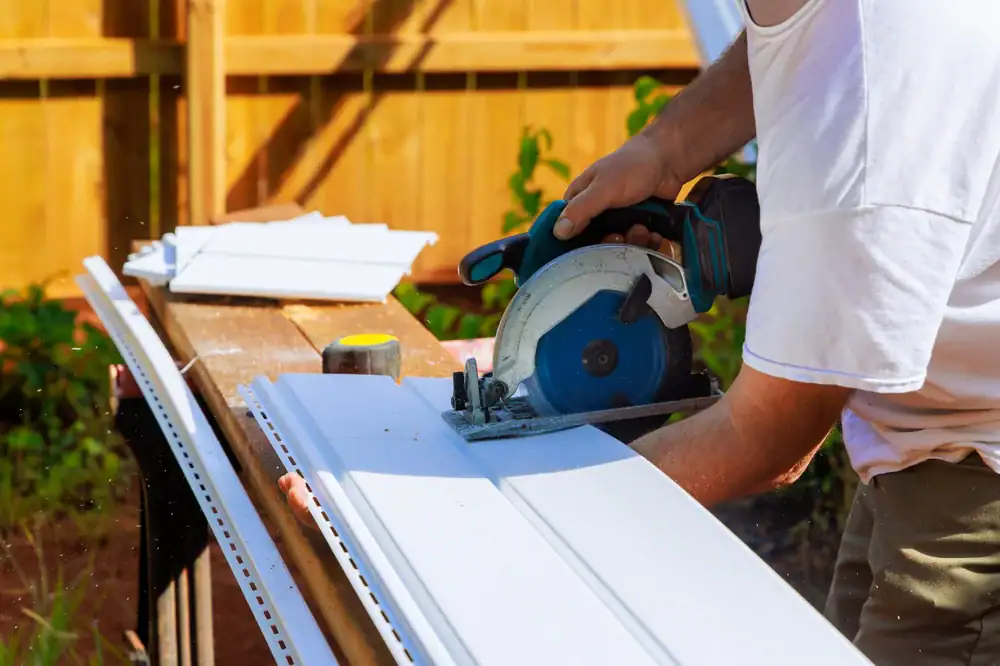
On install day, we start with proper house wrapping and moisture barriers—the stuff you don’t see but that keeps your walls dry for decades. Then we install your siding with the right fastening, the right spacing, and the right flashing around every window and door. Every corner gets sealed. Every seam gets checked.
Most residential projects wrap up in one to three weeks depending on size. When we’re done, you get a walkthrough, a warranty explanation, and our number if anything comes up. Then we’re out of your way.
Ready to get started?
You’re getting materials that make sense for Beverly’s coastal climate. James Hardie fiber cement doesn’t rot, doesn’t attract pests, and doesn’t warp when humidity spikes. It’s fire-resistant, which some insurance companies recognize with lower premiums. And it comes with ColorPlus technology that resists fading 30% better than standard painted siding—meaning 15-plus years before you even think about touch-ups.
If you’re looking at vinyl, you’re getting insulated options that cut heat transfer and actually lower your energy bills. Studies show the right siding can reduce heating costs by up to 20%. In a Beverly winter, that’s real money.
Every installation includes proper moisture barriers, house wrapping, and weatherproofing around trim and penetrations. We’re not just covering your walls—we’re building a system that keeps water out and warmth in. The fiber cement siding cost in Beverly, MA might be higher upfront than cheap vinyl, but you’re looking at 50 years of performance with minimal maintenance. That’s a 118% return on investment according to New England remodeling data.
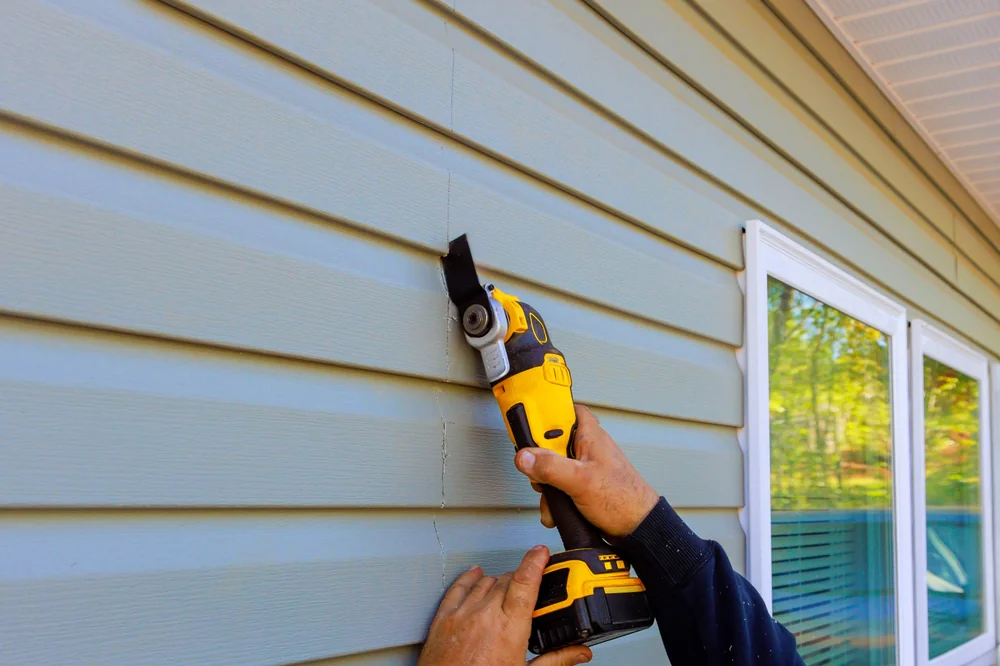
Most siding projects in Beverly run between $8,000 and $25,000 depending on your home’s size, the material you choose, and how much prep work your walls need. A typical single-family home with vinyl siding usually lands in the $12,000 to $18,000 range. Fiber cement costs more—often 20% to 40% higher—but it lasts decades longer and holds up better against coastal conditions.
If we find rotted sheathing or structural issues when we remove your old siding, that’ll add to the cost. We’ll never hide that from you. You’ll know before we proceed.
The fiber cement siding cost in Beverly, MA makes sense when you factor in longevity and maintenance. You’re not repainting every five years. You’re not replacing warped boards. You’re done. For a lot of homeowners, that peace of mind is worth the upfront investment.
Fiber cement handles Beverly’s climate better than anything else. Salt air corrodes standard materials over time, but James Hardie and similar products resist moisture, don’t rot, and won’t warp when humidity swings. They’re engineered specifically for coastal environments.
Vinyl works too, especially the thicker insulated options. It won’t rust or rot, and it’s low maintenance. But it can crack in extreme cold and fade faster in direct sun and salt exposure. If your home faces the ocean or gets heavy weather, fiber cement is the smarter play.
Wood siding looks great, but it demands constant upkeep in Beverly. You’re repainting, recaulking, and replacing boards every few years. Some homeowners love that traditional look enough to deal with it. Most don’t. We’ll walk you through the pros and cons based on your specific exposure and how much maintenance you’re willing to handle.
Most residential siding installations in Beverly, MA take one to three weeks from start to finish. A smaller ranch might be done in five to seven days. A larger two-story colonial with complex trim work could take three weeks or a bit more.
Weather affects the timeline. We’re not installing siding in pouring rain or when temperatures drop below freezing—the materials won’t seal properly and you’ll have problems down the road. If we hit a stretch of bad weather, we pause until conditions are right.
Prep work also plays a role. If we’re tearing off multiple layers of old siding or repairing sheathing damage, that adds time. We’ll give you a realistic schedule upfront and keep you updated if anything changes. You won’t be left guessing when your house will be finished.
Fading alone doesn’t mean you need new siding—it’s cosmetic. But cracks, warping, and soft spots are different. Those let moisture behind your walls, and that’s where real damage starts. Once water gets into your sheathing or insulation, you’re looking at mold, rot, and structural problems that cost way more to fix than siding.
If you’re seeing multiple issues—peeling paint, warping boards, cracks near windows, or higher heating bills—it’s usually time for a full replacement. Patching a few boards might buy you a year or two, but you’ll be back to the same problems soon enough.
We’ll give you an honest assessment. If your siding has another five years in it, we’ll tell you. If it’s failing and putting your home at risk, we’ll tell you that too. The goal is to help you make the right call for your situation, not to sell you something you don’t need yet.
Fiber cement is denser, heavier, and more durable. It resists fire, doesn’t attract pests, and holds up to impacts better than vinyl. It also holds paint longer—James Hardie’s ColorPlus finish can go 15-plus years without fading or needing touch-ups. The downside is cost and weight. It’s more expensive to buy and install, and it requires more structural support.
Vinyl is lighter, less expensive, and easier to install. Modern insulated vinyl performs well in cold weather and provides decent energy efficiency. It won’t rot or need painting. But it can crack in extreme cold, fade faster in sun and salt air, and it doesn’t have the same premium look or longevity as fiber cement.
For most Beverly homeowners dealing with coastal weather, fiber cement makes more sense long-term. You pay more now, but you’re not replacing it in 20 years. Vinyl works if budget’s tight or you’re planning to sell soon. We install both, so we’ll walk through what makes sense for your home and your timeline.
Yes, if your current siding is old and poorly insulated. New siding with proper house wrapping and insulation can cut heat loss significantly. Studies show quality siding installation in Beverly, MA can reduce heating bills by up to 20%, especially if your old siding has gaps, cracks, or no moisture barrier behind it.
Insulated vinyl and fiber cement both improve your home’s thermal performance. The key is the installation—proper moisture barriers, sealed seams, and correct fastening. Cheap siding slapped over rotted sheathing won’t do anything for your energy bills.
You’ll notice the difference most in winter. Rooms that used to feel drafty stay warmer. Your furnace doesn’t run as often. It’s not magic—it’s just a proper building envelope doing what it’s supposed to do. The energy savings won’t pay for the project overnight, but over 10 to 15 years, they add up. And your home is more comfortable right away.