Hear from Our Customers

Your heating bill drops because air isn’t leaking through cracked siding anymore. That’s the reality when house wrapping and moisture barriers go in right—your HVAC system stops working overtime just to keep up.
You stop worrying about the next storm. Fiber cement siding installation in Atkinson, NH handles what New England throws at it: heavy snow loads, high winds, and those brutal freeze-thaw cycles that crack inferior materials. James Hardie fiber cement won’t warp, split, or need repainting every few years like wood does.
Your home looks updated, sure. But more importantly, it’s protected. Vinyl siding installation done properly means no more water sneaking behind the surface, no more rot forming where you can’t see it. Just a home that holds its value and keeps your family comfortable without constant maintenance.
We operate as an Owens Corning Preferred Contractor and James Hardie Elite Preferred installer. Those aren’t just titles—they mean we meet strict installation standards that most contractors skip.
We’ve spent years working on homes throughout Atkinson and the surrounding area. We know how coastal salt air affects siding near the Seacoast. We know what ice dams do to improperly flashed installations. That knowledge matters when your home needs to last decades, not just look good for the first year.
Our focus stays on quality over speed. Sometimes that means higher upfront costs, but it also means you’re not calling us back in five years because shortcuts failed.
We start with a full exterior inspection. That means checking for rot, measuring moisture levels, and identifying problems that need fixing before new siding goes up. If your sheathing is compromised, we tell you. If you need additional insulation, we explain why.
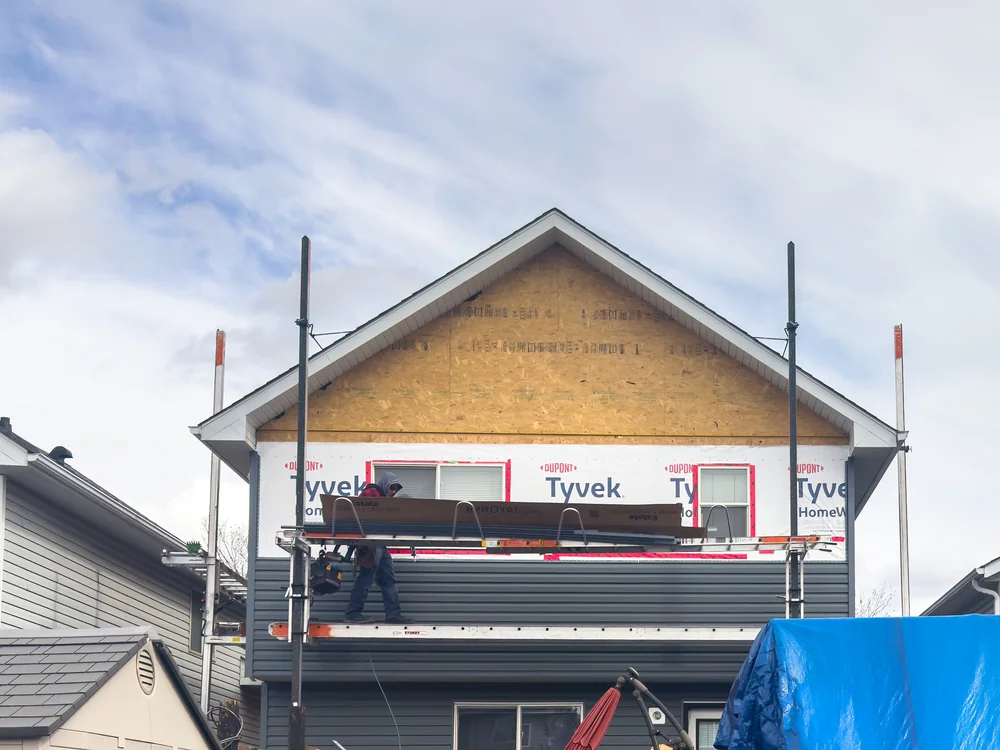
Next comes proper preparation. We install house wrapping and moisture barriers on every job—not because it’s required, but because it’s the only way to prevent water infiltration and mold growth. This step protects your investment more than the siding itself.
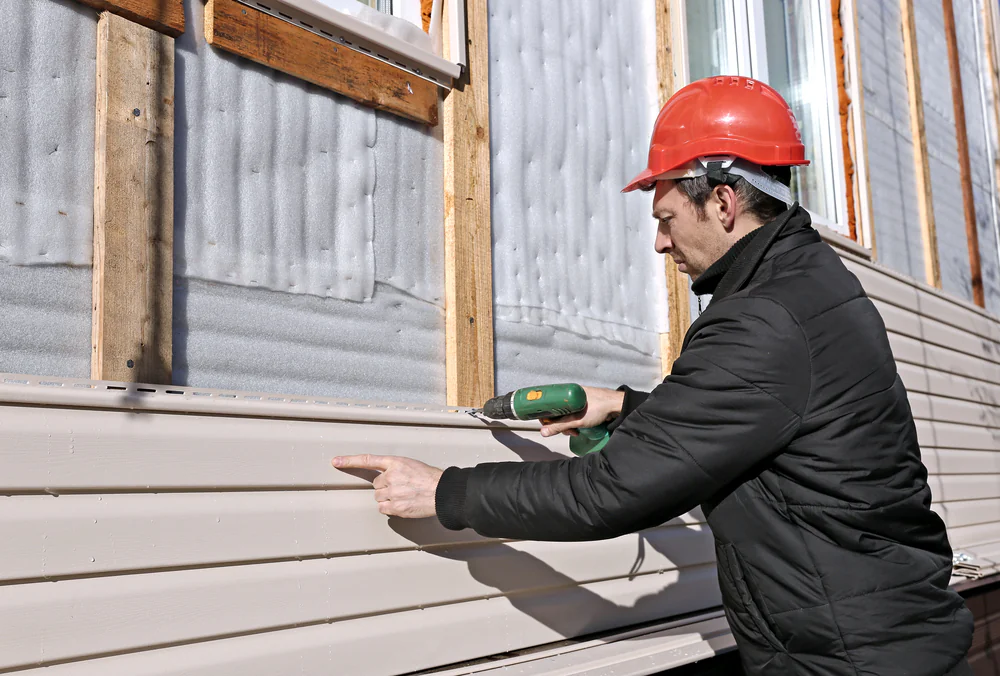
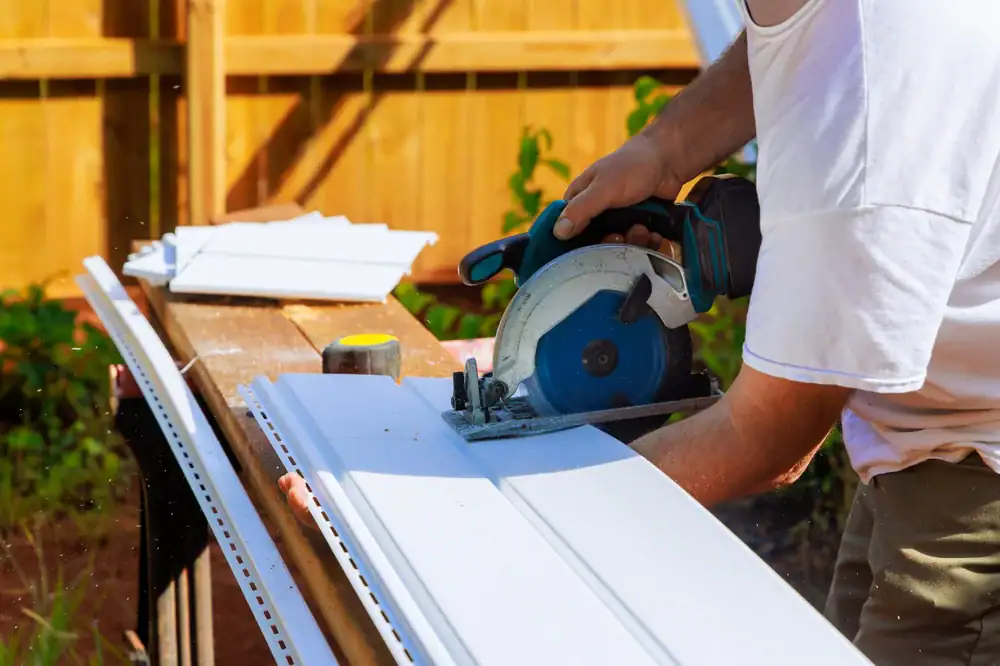
Then we install your chosen material—whether that’s James Hardie fiber cement or quality vinyl siding. Every piece gets fastened according to manufacturer specs. Every seam gets flashed correctly. Every corner gets wrapped to shed water away from your structure.
The final step involves cleanup and a walkthrough. You see exactly what we did, why we did it, and what warranty coverage you have. No surprises, no hidden issues left for later.
Ready to get started?
Fiber cement siding costs more upfront than vinyl—usually 30-50% more for materials and installation. But here’s what that money buys you in Atkinson, NH: a Class A fire rating, zero rot potential, and siding engineered specifically for HZ5 climate zones where freezing temperatures dominate.
As James Hardie installers in Atkinson, we know these products come with a 30-year non-prorated warranty on materials and a 15-year finish warranty. That’s not marketing talk. That’s actual coverage because the product performs in New England weather. You’re not repainting in three years. You’re not replacing warped boards after one bad winter.
Vinyl siding installation runs less expensive but still requires proper technique. Low-maintenance doesn’t mean no-skill installation. We ensure every panel has room to expand and contract with temperature swings—critical in a climate where you see 100-degree summer days and sub-zero winter nights. Done wrong, vinyl buckles. Done right, it lasts 25-30 years with nothing more than occasional pressure washing.
Both options improve energy efficiency when paired with proper insulation and house wrapping. Homeowners regularly see 15-20% reductions in heating and cooling costs after quality siding installation. That’s real money back in your pocket every month.
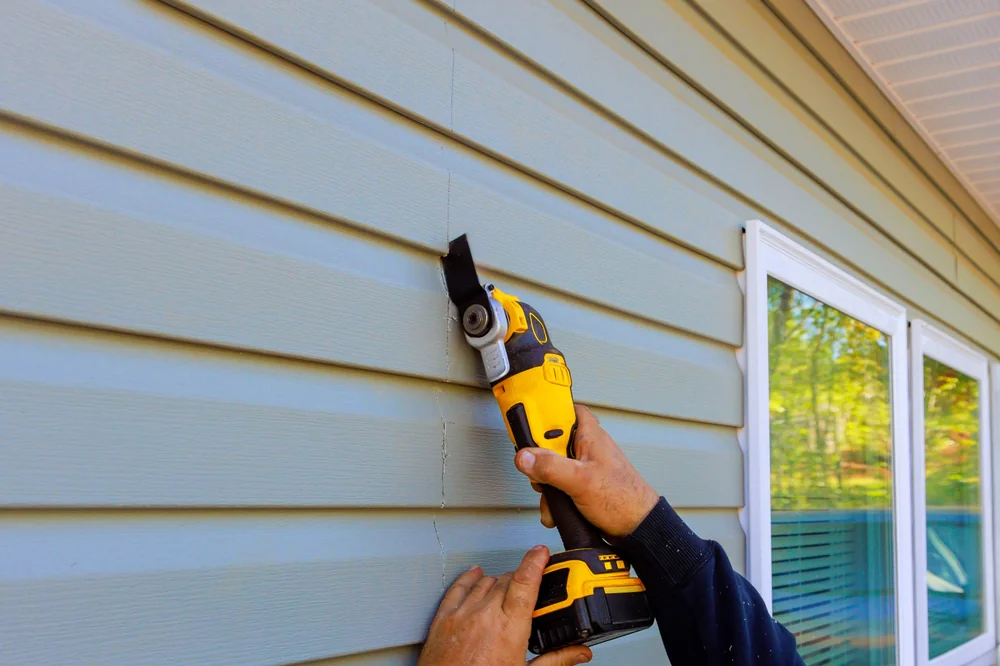
Most single-family homes in Atkinson take 5-10 days for complete siding installation, depending on size and material choice. A 2,000 square foot ranch with vinyl siding usually wraps up in about a week. Larger colonials or homes requiring fiber cement siding installation might take closer to two weeks.
Weather plays a role. We don’t install when temperatures drop below freezing because adhesives and caulks won’t cure properly. We also pause work during heavy rain to protect your home’s interior and ensure moisture barriers seal correctly.
The timeline includes removal of old siding, repairs to underlying structure, installation of house wrapping, and full siding installation with trim work. Rushing this process creates problems—improper flashing, missed rot, inadequate moisture protection. We’d rather take an extra day and do it right than leave you with issues that surface two years later.
Fiber cement handles impact better—hail, flying debris, branches during storms. It won’t dent or crack like vinyl can. It’s also fire-resistant with a Class A rating, the highest available. For homes near wooded areas or in high-wind zones around Atkinson, that matters.
Vinyl siding costs less and installs faster. It never needs painting, resists moisture naturally, and performs well in freeze-thaw cycles when installed correctly. Modern vinyl products have come a long way from the thin, brittle options from decades ago. Quality vinyl siding now includes insulated backing options that boost energy efficiency significantly.
The maintenance difference is real. Fiber cement needs repainting every 10-15 years, even with premium finishes. Vinyl never needs paint—just occasional cleaning. But fiber cement holds paint better than wood and won’t rot when moisture gets behind it. Your choice depends on budget, aesthetic preferences, and how long you plan to stay in your home. Both options outperform wood siding in durability and maintenance requirements.
Yes. House wrapping creates a critical moisture barrier that protects your sheathing and framing from water infiltration. New Hampshire’s weather—heavy snow, ice dams, wind-driven rain—means water will eventually find its way behind your siding. Properly installed house wrapping channels that moisture down and out before it causes rot or mold.
We see homes regularly where previous contractors skipped this step to save money. The result shows up 5-10 years later: black mold on sheathing, rotted studs, and expensive structural repairs that cost far more than proper installation would have. Some older homes in Atkinson have no moisture barrier at all—just siding nailed directly to sheathing.
Modern building science proves that house wrapping, when combined with proper flashing around windows and doors, extends the life of your siding installation by decades. It also improves energy efficiency by reducing air infiltration. This isn’t an optional upgrade. It’s standard practice for any contractor who prioritizes long-term performance over short-term profit.
Vinyl siding installation in Atkinson typically runs $8,000-$15,000 for an average-sized home, depending on quality level and project complexity. That includes removal of old siding, house wrapping, new siding, trim, and labor. Higher-end insulated vinyl or premium profiles push toward the upper end of that range.
Fiber cement siding costs more—usually $15,000-$25,000 for the same home. As James Hardie installers, we charge premium rates because the product requires specialized training and more labor-intensive installation. But you’re getting superior durability, fire resistance, and longer warranty coverage. The cost per year of ownership often works out similar when you factor in longevity and maintenance savings.
Hidden costs come from repairs discovered during old siding removal. Rotted sheathing, compromised framing, outdated electrical that needs updating—these aren’t siding costs, but they’re real expenses that surface during the project. Any contractor who quotes without inspecting your current condition is guessing. We identify potential issues upfront so you’re not surprised mid-project when we uncover problems that need addressing before new siding goes up.
Quality siding installation reduces energy costs by 15-20% on average when it includes proper house wrapping and addresses air leakage. That’s not from the siding itself—it’s from creating a continuous thermal barrier that stops conditioned air from escaping and outdoor air from infiltrating.
Old or damaged siding lets air move freely through gaps, cracks, and failed caulk joints. Your furnace runs constantly in winter trying to maintain temperature while cold air pours in. Same problem in summer with AC. New siding installation done right seals those leaks, especially when paired with insulated vinyl options or proper insulation behind fiber cement.
The actual savings depend on your current situation. A home with 30-year-old siding, no house wrap, and visible gaps will see dramatic improvement. A home with relatively new but poorly installed siding might see modest gains. We measure current conditions during inspection and give you realistic expectations—not inflated promises designed to close a sale. Most Atkinson homeowners recover the energy-efficiency portion of their investment within 5-7 years through lower utility bills.
Fiber cement siding outperforms everything else in freeze-thaw cycles, which is what destroys most siding in New Hampshire. James Hardie products are specifically engineered for HZ5 climate zones—areas with frequent freezing temperatures and high moisture. The material won’t crack, warp, or delaminate when temperatures swing from 10 below to 40 above in the same week.
Vinyl siding installation also handles New England weather well, but only when installed with proper expansion gaps. Vinyl expands and contracts significantly with temperature changes. Panels nailed too tight will buckle in summer heat. Panels cut too short will pull apart in winter cold. Quality installation accounts for this movement and allows the material to perform as designed.
Wood siding fails fastest in our climate. Moisture gets trapped behind paint, freeze-thaw cycles crack the surface, and rot starts wherever water sits. Cedar holds up better than pine, but both require constant maintenance and eventual replacement. For Atkinson homes facing harsh winters, heavy snow loads, and ice dam potential, fiber cement or quality vinyl siding provides the durability you need without the maintenance headaches wood demands.