Hear from Our Customers

Your heating bill drops. That’s usually the first thing homeowners in Andover notice after a proper siding installation—less money going out the door every month because your home actually holds temperature now.
The drafts stop. Rooms that used to feel cold in winter or stuffy in summer start feeling comfortable again. That’s what happens when you seal up gaps and add real insulation behind quality materials like fiber cement siding or insulated vinyl.
Water damage becomes a non-issue. No more worrying about what’s happening behind your walls during heavy rain or snowmelt. Professional house wrapping and proper installation create a barrier that keeps moisture where it belongs—outside.
And if you’re thinking about selling someday, new siding in Andover typically returns over 100% of what you put in. Buyers see a well-protected home that won’t need major work, and that shows up in your sale price.
We’ve been handling siding installations across Andover and the surrounding area for nearly two decades. We’re not new to this, and we’re not learning on your house.
We’re an Owens Corning Preferred Contractor, which means we meet their standards for quality and reliability. That’s not something they hand out—you have to earn it through consistent work and customer satisfaction.
Andover homes face specific challenges. The temperature swings here are brutal on exterior materials. The snow load is real. The summer humidity creates conditions for mold if your siding system isn’t installed right. We’ve seen what works and what fails in this climate, and we install accordingly.
First, we come out and look at what you’re dealing with. We check for damage behind the current siding, measure everything, and talk through your options—vinyl siding installation, fiber cement, James Hardie, whatever makes sense for your home and budget.
Once you decide to move forward, we pull permits and order materials. Then we protect your landscaping, remove the old siding carefully, and inspect the sheathing underneath. If there’s rot or damage, we fix it before anything new goes on.
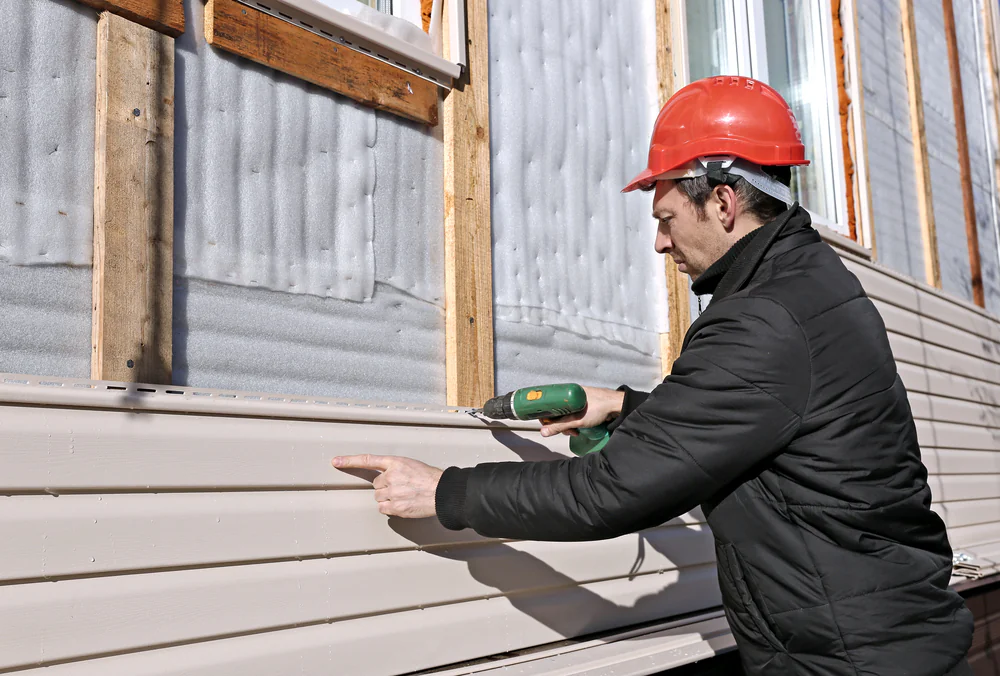
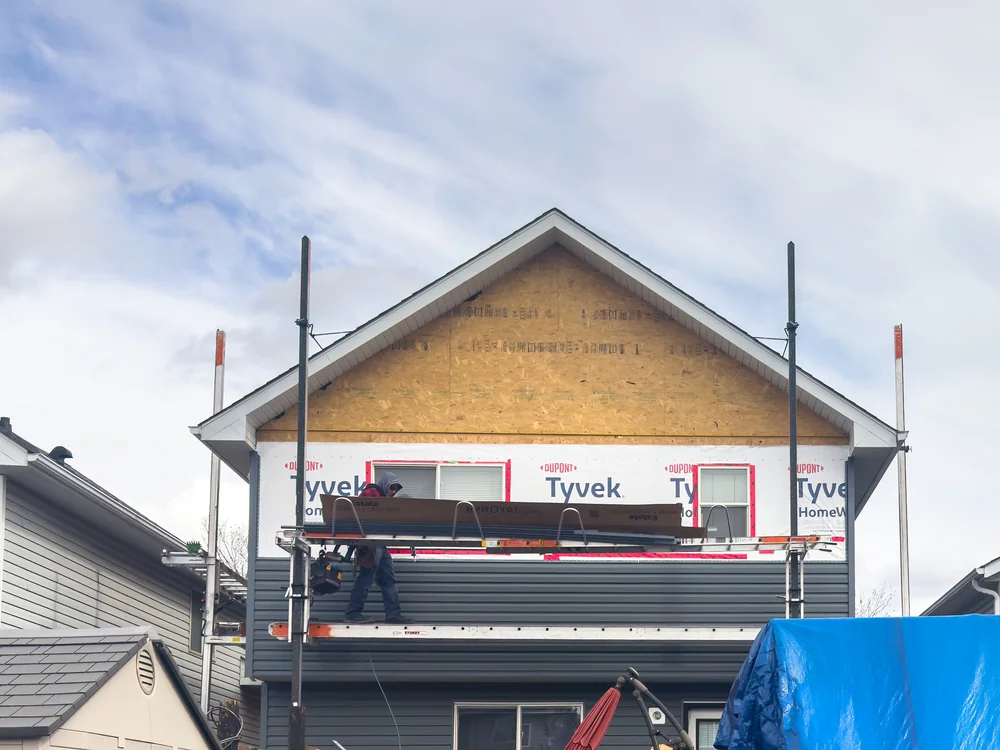
The house wrapping goes on next. This is critical—it’s your weather barrier. We install it right, tape all seams, and make sure water has zero chance of getting through. Then the new siding goes up, piece by piece, with proper spacing for expansion and contraction in Andover’s temperature extremes.
We finish with trim, caulking, and a full cleanup. You shouldn’t know we were there except for the fact that your house looks completely different. Most installations take one to two weeks depending on the size of your home.
Ready to get started?
You’re getting more than just siding nailed to your house. A complete siding installation in Andover includes full house wrapping with taped seams, proper flashing around windows and doors, and insulation upgrades where needed.
We install James Hardie fiber cement siding using their engineered HZ5 formulation—specifically designed for cold, wet climates like Massachusetts. This isn’t the same product they install in Arizona. It’s built to handle freeze-thaw cycles without cracking.
For vinyl siding installation in Andover, we use foam-backed panels when it makes sense. The graphite-infused insulation helps with energy efficiency, which matters when you’re heating a home through a New England winter. Standard vinyl works fine too, but you’ll want to understand the difference before choosing.
Every job includes trim work, soffit and fascia if needed, and coordination with your existing gutters and roof. We’re not just covering walls—we’re creating a complete weather protection system that works together. That’s how you get fifty-year performance instead of needing repairs in five.
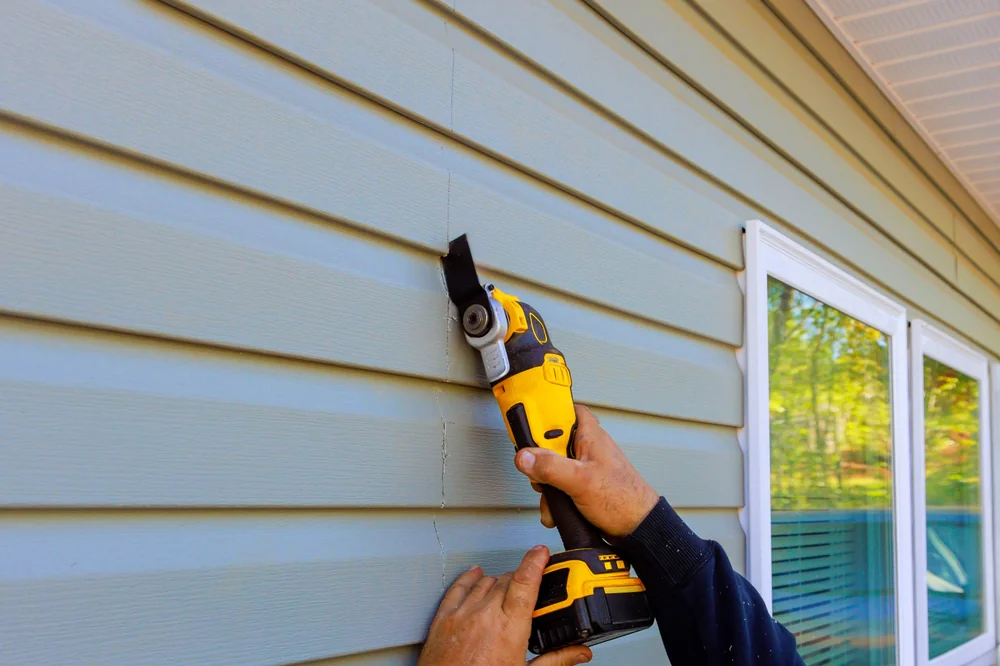
Most full siding installations in Andover run between $12,000 and $35,000 depending on your home’s size and the material you choose. Vinyl siding sits on the lower end of that range. Fiber cement siding costs more upfront but lasts longer and needs less maintenance.
Square footage is the biggest factor. A 1,500 square foot ranch costs less than a 3,000 square foot colonial. But the condition of what’s underneath matters too—if we find rot or structural issues when we remove your old siding, that adds to the project.
James Hardie installers in Andover typically charge more than contractors using basic vinyl, but you’re paying for specialized training and a product that’s engineered for this climate. The cost difference usually pays for itself in energy savings and durability. Most homeowners see the investment come back when they sell, with fiber cement siding returning around 118% in resale value.
Fiber cement handles Andover’s climate better than anything else. It doesn’t crack in cold weather, doesn’t warp in heat, and won’t rot when moisture gets trapped behind it during spring thaw. James Hardie’s HZ5 formulation is specifically engineered for the temperature swings and precipitation we get here.
Vinyl siding works well too, especially the newer insulated versions. It’s less expensive than fiber cement and still gives you good weather protection if it’s installed correctly. The foam backing helps with energy efficiency, which matters when you’re trying to keep heating costs down.
Wood siding looks great but requires constant maintenance in this climate. You’re repainting every few years and dealing with rot issues. Most homeowners in Andover who had wood are switching to fiber cement because it gives you the same look without the upkeep. The wood-grain texture on James Hardie planks is nearly identical to real cedar, but you’re not out there scraping and painting every summer.
Most homes in Andover take one to two weeks for a complete siding installation. Smaller ranches might be done in a week. Larger colonials with complex trim work can take three weeks.
Weather affects the timeline. We can install siding year-round, but extreme cold or heavy rain slows things down. Spring and fall are ideal—mild temperatures, less precipitation, and materials install easier. Summer works fine too, though we start early to avoid working in peak heat.
The actual installation goes faster than most homeowners expect. Removing old siding and prepping the surface takes the most time. Once house wrapping is on and we start hanging new panels, things move quickly. We’re not rushing—we’re just efficient because we’ve done this hundreds of times. You’ll see major progress every day once we get going.
Yes. House wrapping is your primary defense against water infiltration, and skipping it is how you end up with mold and rot inside your walls. This is especially true in Andover where we get 51 inches of snow and significant rain throughout the year.
The wrapping goes on before any siding and creates a weather-resistant barrier. It lets moisture vapor escape from inside your home but blocks liquid water from getting in. We tape all seams and properly flash around windows and doors so there’s no path for water to sneak through.
Some contractors skip this step or do it poorly to save time. That’s a mistake that costs you later. When water gets behind your siding and can’t dry out, you get structural damage that’s expensive to fix. Proper house wrapping in Andover adds maybe a day to the installation but prevents thousands in future repairs. It’s not optional if you want your siding to last.
You’ll see a noticeable drop in heating and cooling costs after a proper siding installation, especially if your current siding is old or damaged. Up to 30% of your home’s energy loss happens through the walls, and quality siding with proper insulation stops that.
Insulated vinyl siding or fiber cement with foam backing creates a thermal barrier that keeps conditioned air inside your home. Your furnace doesn’t have to work as hard in winter. Your AC runs less in summer. Most homeowners in Andover notice the difference in their first full season after installation.
The savings add up over time. If you’re spending $3,000 a year on heating and cooling, a 20-25% reduction means $600-$750 back in your pocket annually. Over the life of your siding, that’s real money. Plus your home stays more comfortable—fewer drafts, more consistent temperatures, and less strain on your HVAC system.
It comes down to budget and how long you plan to stay in your home. Vinyl siding installation in Andover costs less upfront and still gives you solid performance for 20-30 years. Fiber cement costs more initially but lasts 50+ years and needs almost no maintenance.
If you’re planning to sell within ten years, vinyl makes sense. It looks good, protects your home, and the lower cost means better short-term ROI. If you’re staying long-term, fiber cement pays for itself through durability and energy savings. You’re not repainting, replacing warped panels, or dealing with fading.
Fiber cement also handles fire better than vinyl, which can lower your insurance costs. It’s heavier and more impact-resistant, so hail and flying debris during storms cause less damage. We can show you samples of both so you can see the texture and color differences in person. The right choice depends on your specific situation—there’s no universal answer.