Hear from Our Customers

You stop worrying about the next storm. That’s the first thing homeowners notice after vinyl siding installation or fiber cement goes up—the constant maintenance cycle just ends.
Your heating bills drop because insulated siding creates a thermal barrier that wasn’t there before. Most Amesbury homeowners see a 15-20% reduction in energy costs within the first year. That’s real money back in your pocket every month.
The exterior stops being a project. No more scraping, painting, or patching rotted boards every few years. You get decades of protection with materials engineered specifically for New England’s freeze-thaw cycles and coastal humidity. And if you’re thinking about selling, fiber cement siding cost pays back 76-86% at resale—one of the highest returns of any home improvement.
We’ve installed siding on over 500 homes across Essex County. We’re an Owens Corning Preferred Contractor, which means we meet strict standards most companies don’t qualify for.
We’re licensed (HIC #204634), insured, and we don’t use subcontractors. Every project gets managed by our team from the first measurement to final cleanup. You’re working with people who understand what Amesbury’s coastal climate does to exterior materials—and how to install systems that actually hold up.
Most of our work comes from referrals. That happens when you show up on time, communicate clearly, and don’t disappear after the check clears.
We start with a free inspection of your current siding. You’ll get a written quote with exact pricing—no ranges, no surprises later. If you’ve got rot or water damage underneath, we’ll tell you before we start, not halfway through the job.
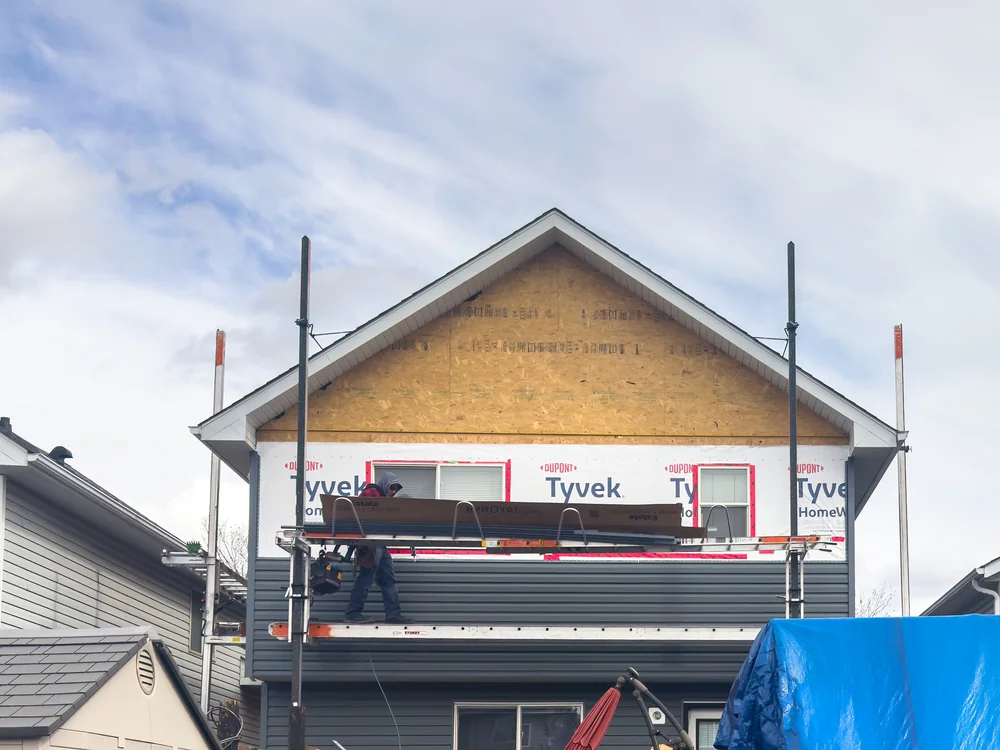
Once you’re ready to move forward, we handle the permits and order materials. Installation begins with proper house wrapping—a weather-resistant barrier that most cheap contractors skip. This layer is critical in Amesbury because it stops moisture infiltration that leads to mold and structural damage.
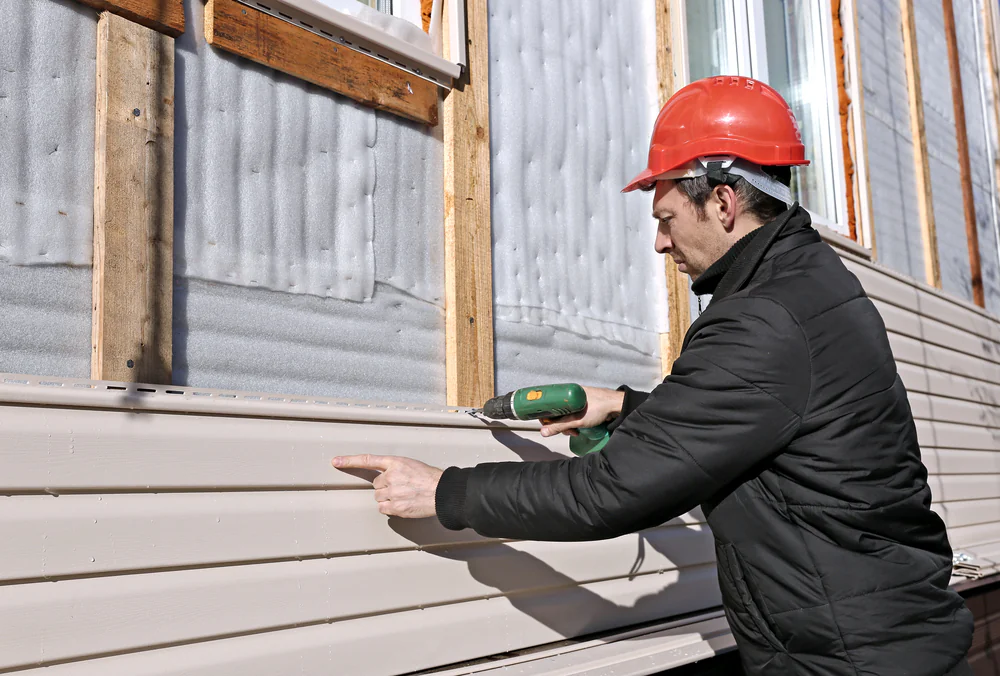
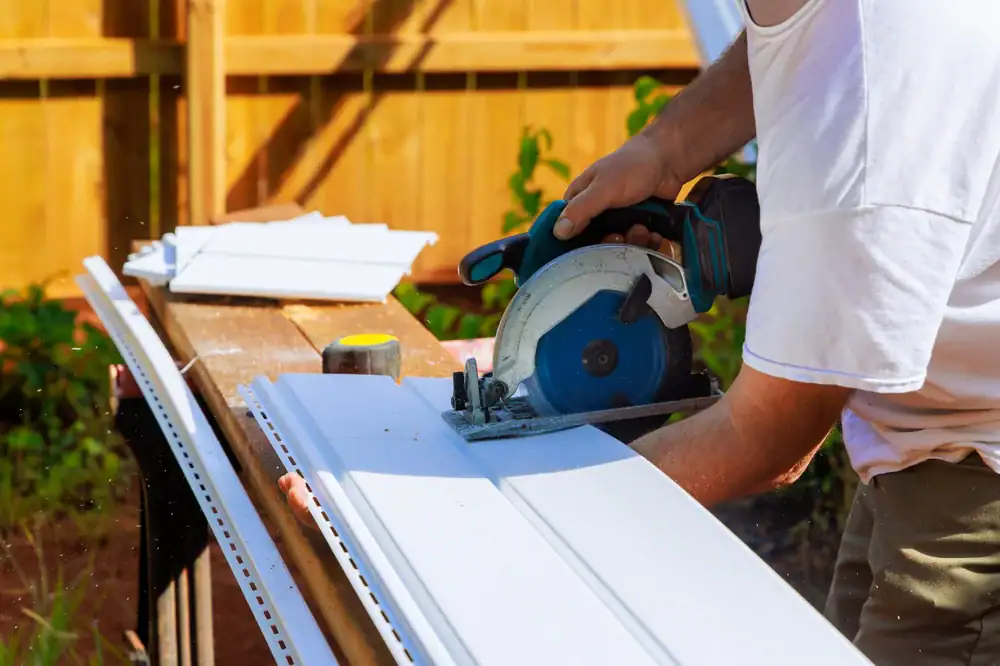
Then we install your siding using manufacturer-spec techniques. As James Hardie installers in Amesbury, MA, that means following HardieZone protocols designed for our climate. Vinyl gets installed with expansion gaps for temperature swings. Fiber cement gets back-primed and sealed at every cut.
The job typically takes 5-10 days depending on your home’s size. We clean up daily and do a final walkthrough with you before we consider it done. You’ll get all warranty paperwork and care instructions in writing.
Ready to get started?
Vinyl siding installation in Amesbury, MA makes sense if you want the lowest maintenance option. Modern insulated vinyl adds R-value to your walls, comes in dozens of colors, and carries a 25-50 year warranty. It won’t rot, crack, or need painting. Ever.
Fiber cement costs more upfront but gives you the look of real wood with none of the upkeep. James Hardie’s HardieZone products are engineered specifically for New England—they resist moisture, won’t warp in humidity, and hold paint longer than any other material. You’re looking at 30-50 years of performance with a Class A fire rating.
Both options work in Amesbury’s coastal environment, but the choice comes down to budget and aesthetics. Vinyl runs $6-12 per square foot installed. Fiber cement siding cost in Amesbury, MA typically ranges $12-20 per square foot. We’ll show you samples, explain the real differences, and let you decide what makes sense for your home and timeline.
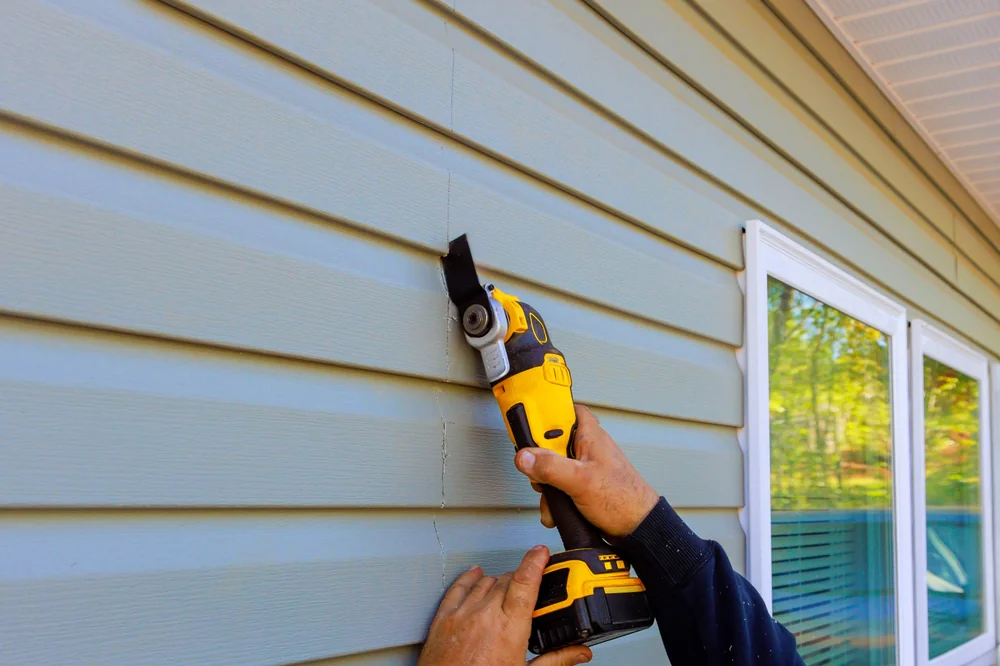
Most single-family homes take 5-10 days from start to finish. That timeline assumes normal weather and no major structural repairs underneath your current siding.
Larger homes or properties with complex architecture—multiple gables, bay windows, or intricate trim—can push closer to two weeks. We’re not rushing through your project to get to the next one.
Weather delays happen in coastal Massachusetts. If we’re in the middle of installation and a nor’easter rolls in, we’ll properly secure everything and resume when conditions are safe. You don’t want siding installed in freezing rain or high winds—it won’t perform correctly long-term.
For a typical 2,000 square foot home in Amesbury, you’re looking at $24,000-$40,000 for complete James Hardie fiber cement installation. That includes removal of old siding, house wrapping, new trim, and cleanup.
Price varies based on your home’s current condition and which product line you choose. HardiePlank lap siding costs less than HardieShingle or board-and-batten styles. If we find rotted sheathing or framing during removal, that’s additional repair work.
We give you an exact written quote before any work starts. No “depends on what we find” pricing after we’ve already torn your siding off. You’ll know the total investment upfront, and that’s the number we honor.
Insulated vinyl siding adds R-2 to R-5 of thermal resistance to your exterior walls. That doesn’t sound like much, but it eliminates thermal bridging through your studs and stops air infiltration around the edges.
Most Amesbury homeowners see a 15-20% reduction in heating costs the first winter after installation. Your HVAC system runs less because the house holds temperature better. In summer, you’ll notice your air conditioning isn’t fighting as hard against heat gain.
The savings are real and measurable. If you’re spending $2,400 a year on heating and cooling, you could save $360-$480 annually. Over 20 years, that’s $7,200-$9,600 back in your pocket—and that’s conservative math that doesn’t account for rising energy costs.
Yes, but there are limitations. Vinyl siding shouldn’t be installed when temperatures drop below 40°F because the material becomes brittle and can crack during cutting or nailing.
Fiber cement can be installed in colder weather as long as we’re not dealing with freezing precipitation. James Hardie products don’t have the same temperature restrictions as vinyl. The bigger issue is protecting your home’s interior during installation and ensuring proper caulk adhesion in cold conditions.
We typically recommend scheduling siding installation in Amesbury, MA between April and November. You’ll get better weather windows, faster completion, and sometimes better pricing during shoulder seasons when demand is lower. That said, if you’ve got storm damage or an urgent situation, we’ll make winter installation work safely.
If your current siding is more than 20 years old, your house wrapping is likely degraded or non-existent. Older homes often have tar paper or nothing at all behind the siding.
Modern weather-resistant barriers like Tyvek or Typar are critical in Amesbury’s coastal climate. They allow water vapor to escape from inside your walls while blocking liquid water and wind from getting in. Without proper house wrapping, you’ll get moisture accumulation, mold growth, and eventual structural rot.
We inspect the existing barrier when we remove old siding. If it’s torn, deteriorated, or missing, we replace it before new siding goes up. This isn’t an upsell—it’s basic building science. Skipping this step to save a few hundred dollars will cost you thousands in repairs down the road.
Vinyl siding needs a wash once or twice a year. Garden hose pressure is usually enough. For salt buildup or mildew in shaded areas, use a soft brush with mild soap and water. That’s it.
Fiber cement requires repainting every 10-15 years depending on sun exposure and which finish you choose. Factory-primed James Hardie products with quality paint hold up longer than field-applied finishes. You’ll also want to check caulk joints every few years and touch up any areas where trim meets siding.
Both materials need periodic inspection after major storms. Walk around your house and look for loose panels, damaged corners, or areas where trim has separated. Catching small issues early prevents water intrusion and bigger repairs. Compared to wood siding that needs scraping, priming, and painting every 5-7 years, this is minimal effort.