Hear from Our Customers
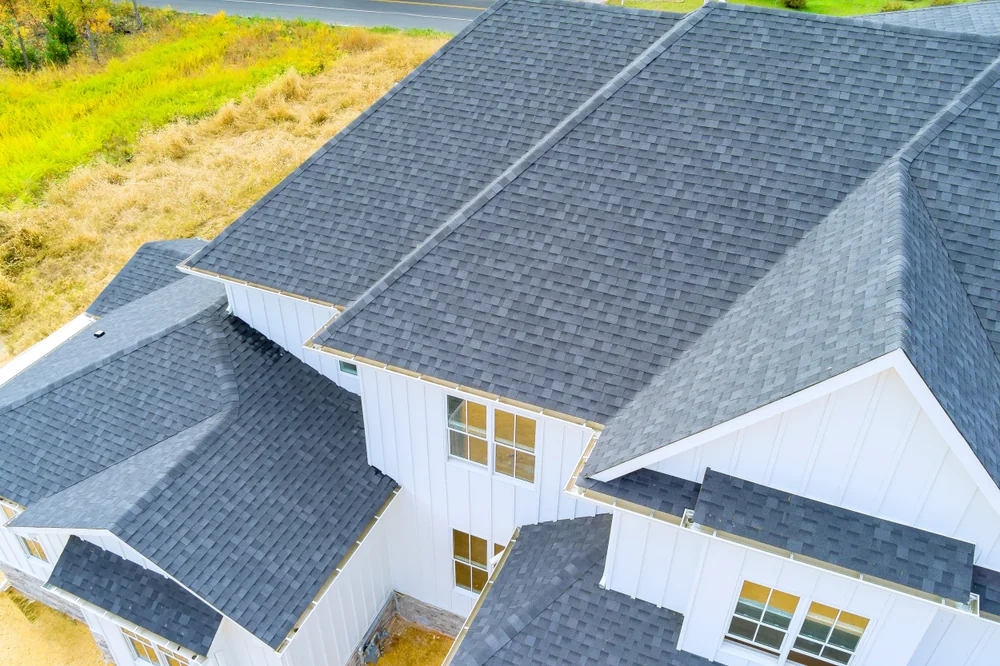
Your siding isn’t just about looks. It’s the barrier between your HVAC system and a Massachusetts winter that can push heating costs through the roof.
When siding fails, drafts get in. Moisture gets trapped. Your furnace runs longer. You pay more every month, and the damage keeps spreading behind the walls where you can’t see it until it’s expensive.
Proper siding replacement in Hanscom AFB stops that cycle. Insulated vinyl siding can cut heating costs by 8%. Fiber cement won’t rot when snow piles against your foundation. And when it’s installed correctly—sealed tight, flashed right, built for this climate—you get a home that holds temperature, sheds water, and doesn’t punish you with maintenance every spring.
We’ve spent over 13 years working on homes across Massachusetts. We’re not new to this, and we’re not figuring it out as we go.
Hanscom AFB has a housing stock built mostly in the mid-1970s. That means a lot of homes are hitting the age where siding starts to fail—warping, cracking, letting moisture in. We’ve seen it all, and we know what works in this climate.
We’re licensed, insured, and we don’t disappear after the job. Some of our clients have hired us multiple times over six years because the work holds up and the process doesn’t create headaches.
First, we come out and look at what you’re dealing with. We check for hidden damage, measure everything, and talk through material options that actually make sense for your home and budget.
Once you’re ready to move forward, we schedule the work and assign a crew supervisor who stays on-site. We strip the old siding, inspect the sheathing and insulation, fix anything that’s compromised, then install your new siding with proper flashing and sealing at every seam and penetration.
The install usually takes a few days to a week depending on the size of your home. We clean up daily, and when we’re done, you get a final walkthrough to make sure everything’s right. No shortcuts. No gaps. Just siding that’s going to protect your home the way it’s supposed to.
Ready to get started?
You’re not just getting new siding. You’re getting a full exterior evaluation, removal of old materials, repairs to any underlying damage, and installation of siding that’s rated for New England weather.
We work with vinyl, fiber cement, wood, and composite materials. Vinyl is low-maintenance and handles freeze-thaw cycles without cracking. Fiber cement gives you an 88% ROI and won’t rot even when snow sits against it for weeks. Wood offers a traditional look but requires upkeep. We’ll walk you through what makes sense for your home.
In Hanscom AFB, where the median household income is over $101,000 and homes are a serious investment, most people want siding that lasts and performs. That means proper insulation behind it, correct fastening, and attention to areas where water likes to get in—around windows, doors, and roof lines. We handle all of it, and we don’t call a job done until it’s sealed and finished correctly.

Vinyl and fiber cement are your best options here. Vinyl won’t rot, crack, or warp when temperatures swing from 10 degrees to 40 degrees in a week. It’s engineered to expand and contract without failing, and it doesn’t need repainting or sealing.
Fiber cement is more expensive upfront, but it’s nearly indestructible. It resists impact damage from hail and debris, won’t burn, and holds up to moisture better than anything else. In Hanscom AFB, where homes deal with heavy snow, ice dams, and freeze-thaw cycles, fiber cement is worth the investment if you plan to stay in your home long-term.
Wood siding looks great, but it demands constant maintenance. You’re looking at $300 to $600 a year in sealing, painting, and inspections for rot or pests. If you don’t keep up with it, wood fails fast in this climate.
It depends on your home’s size, the material you choose, and how much underlying damage we find. Vinyl is the most affordable option. Fiber cement costs more but delivers better ROI and durability. Wood and composite materials fall somewhere in between.
Most siding projects in this area range from a few thousand dollars for smaller homes to significantly more for larger properties or homes that need sheathing or insulation repairs. We give you a detailed estimate after we inspect your home, so there are no surprises.
What matters more than the upfront cost is what you’re getting. Cheap siding installed poorly will fail in a few years. Quality materials installed correctly will protect your home for decades and pay you back in lower energy bills and fewer repairs. The 2024 Cost vs. Value Report shows vinyl siding replacement offers an 80% ROI, and fiber cement hits 88%. That’s real money back when you sell.
Yes, if it’s insulated and installed correctly. Standard siding replacement can cut heating costs by around 8%. Insulated vinyl siding can push that closer to 25% depending on your home’s current condition.
Here’s why it works: old or damaged siding lets air move in and out around seams, cracks, and gaps. Your furnace has to run longer to keep your home warm, and your AC works harder in the summer. That’s wasted energy you’re paying for every month.
New siding with proper insulation creates a tighter envelope. It stops drafts, reduces thermal bridging, and keeps conditioned air inside where it belongs. In Hanscom AFB, where winters are brutal and summers get humid, that difference shows up on your utility bill within the first year. You’re not just improving curb appeal—you’re making your home cheaper to heat and cool.
Most residential siding projects take between three days and a week. Smaller homes on the shorter end, larger homes or homes with damage that needs repair on the longer end.
We don’t rush it. Siding has to be installed in the right sequence—flashing first, then proper fastening, then sealing at every seam and penetration point. Cutting corners to finish faster just creates problems later, like water intrusion or panels that pop loose in high winds.
Weather can slow things down, especially if we’re working in late fall or early spring when temperatures drop. Some materials can’t be installed below certain temperatures, and we’re not going to compromise the integrity of your siding just to finish on schedule. We’ll keep you updated throughout the process so you know exactly where things stand.
It depends on how much damage you have and how old your current siding is. If you’ve got one or two damaged panels and the rest of your siding is in good shape, a repair might make sense.
But if your siding is 20+ years old, you’re seeing cracks or warping in multiple areas, or you’re dealing with moisture damage behind the siding, a full replacement is usually the smarter move. Patching old siding is a short-term fix. The rest of it will keep failing, and you’ll end up paying for repairs over and over until you replace it anyway.
In Hanscom AFB, where a lot of homes were built in the mid-1970s, we see a lot of siding that’s past its useful life. It might look okay from the street, but up close you can see the wear—fading, brittleness, gaps where water’s getting in. At that point, replacement protects your home and saves you money compared to ongoing repairs.
Vinyl and fiber cement need very little. Rinse them off once or twice a year to remove dirt and pollen. Check caulking around windows and doors every few years and reseal if needed. That’s about it.
Wood siding is a different story. You’re looking at annual inspections, repainting or staining every 3 to 5 years, and constant monitoring for rot, pests, and moisture damage. It’s beautiful, but it’s work.
The reason most people in Hanscom AFB choose vinyl or fiber cement is because they don’t want to spend their weekends maintaining their siding. You’ve got better things to do, and modern materials are designed to hold up without constant attention. We can set you up with a maintenance plan if you want periodic inspections, but for the most part, quality siding just does its job without needing you to babysit it.
Other Services we provide in Hanscom Afb