Hear from Our Customers
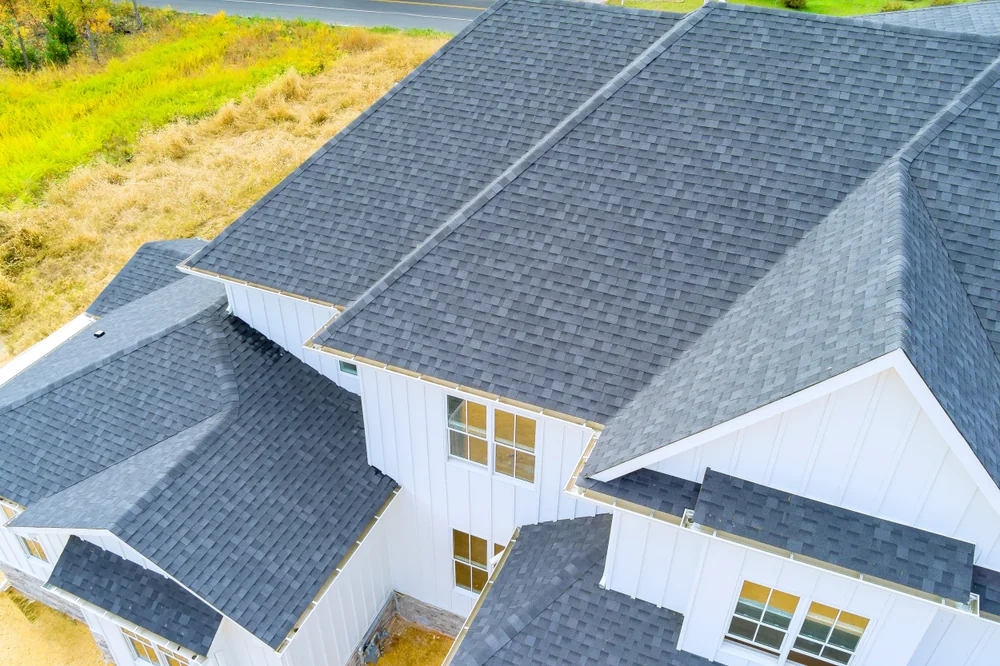
Your siding isn’t just about curb appeal. It’s your first line of defense against ice, wind, and those temperature swings that send your heating bill through the roof.
When your siding actually works, you stop worrying about drafts in January. You stop repainting every few years. You stop wondering if that storm last week caused damage you can’t see yet.
Quality siding replacement in Derry, NH means choosing materials that handle our climate without constant babysitting. Insulated vinyl keeps your home comfortable year-round. Fiber cement stands up to everything without rotting or warping. And when it’s installed right, you’re looking at decades of protection with nothing more than an occasional rinse.
The difference shows up in your utility bills, your home’s value, and how much time you’re not spending on exterior maintenance. That’s what matters.
Paradise Remodeling Inc has spent over 30 years installing and replacing siding across Northern Massachusetts and New Hampshire. We’re an Owens Corning Preferred Contractor, which means we meet strict standards for quality and service that most companies don’t.
Derry homeowners deal with specific challenges. Homes built in the ’90s and 2000s are hitting that 20-30 year mark where original siding starts failing. Insurance companies are getting pickier about coverage. Energy costs keep climbing.
We get it because we’ve been here through all of it. Every job gets the same attention whether it’s a full exterior home remodeling project in Derry, NH or a storm damage repair. No shortcuts, no surprises, just the work done right so you don’t have to think about it again.
First, we come out and actually look at your home. Not a quick glance—we’re checking for damage, measuring everything, and talking through what you need versus what you don’t. You’ll get a free siding estimate in Derry, NH that breaks down materials, labor, and timeline with no hidden costs.
Once you’re ready to move forward, we handle the permits and prep work. Our crews show up when we say they will, protect your property, and remove your old siding carefully to check for any underlying issues. If there’s rot or structural damage, you’ll know before we go any further.
Installation happens in stages. We install moisture barriers, ensure proper ventilation, and then put up your new siding with the kind of attention that keeps it straight, sealed, and secure. Every panel, every seam, every trim piece gets checked.
When we’re done, your property gets cleaned up completely. We walk you through the finished work, answer any questions, and make sure you’re completely satisfied before we consider the job complete. Then you’ve got our workmanship guarantee backing everything we did.
Ready to get started?
You’re getting premium-grade materials designed for New Hampshire’s climate. We install vinyl siding that won’t crack in cold snaps, fiber cement that resists moisture and won’t rot, and composite options with built-in insulation that actually reduces your energy costs.
For residential siding services in Derry, NH, that means working with products from manufacturers like Owens Corning and Premium Pointe that don’t need painting or staining. Ever. You’re also getting proper installation that includes moisture barriers, correct ventilation, and attention to detail that prevents the problems most homeowners don’t discover until years later.
As commercial siding contractors in Derry, NH, we need to move fast without sacrificing quality. We handle larger projects with the same precision, working around your business hours when needed and coordinating with other trades to keep your project on schedule.
Derry’s housing stock includes everything from historic homes near Pinkerton Academy to newer developments around Hood Park. Each property has different needs. A Victorian near downtown needs different materials and techniques than a ranch built in 2005. We match the approach to your specific situation, not the other way around.

Most full siding replacement projects in Derry, NH run between $12,000 and $28,000 depending on your home’s size, the material you choose, and how much prep work is needed. Vinyl siding sits on the lower end of that range. Fiber cement costs more upfront but delivers better ROI—typically 76% to 86% of your investment back at resale.
Here’s what drives the price up: two-story homes, complex architecture with lots of corners and trim, and underlying damage that needs repair before new siding goes on. If we find rotted sheathing or structural issues during removal, that adds to the scope.
The flip side is what you save long-term. Quality vinyl siding in Derry, NH eliminates repainting costs that can hit $18,000 or more over the years. Insulated options cut your heating and cooling bills in a climate where energy costs are among the highest in New England. And if you’re refinancing or selling, new siding often pays for itself in better loan terms or sale price.
We give you a detailed estimate that breaks everything down so you know exactly what you’re paying for and why.
Vinyl siding remains the top choice for New Hampshire homeowners because it handles our weather extremes without constant maintenance. It won’t rot, doesn’t need painting, and quality vinyl won’t crack or warp through freeze-thaw cycles. You’re looking at 20-30 years of protection with nothing more than occasional washing.
Fiber cement is the upgrade option if you want maximum durability and fire resistance. It costs more—usually $1-4 extra per square foot for insulated versions—but it’s virtually indestructible and gives you the best return on investment. It also holds up better in areas with severe storm exposure.
Composite siding with built-in insulation is gaining ground fast, especially as energy codes get stricter. The insulation helps maintain stable indoor temperatures, which matters in Derry where you’re running heat six months a year and AC through humid summers. The premium you pay gets offset by lower utility bills.
What doesn’t work well here: cheap vinyl that gets brittle in cold, wood siding unless you’re committed to regular maintenance, and any material installed without proper moisture barriers. New England weather will find every weak point.
If wind ripped panels off or hail punctured your siding, your homeowners insurance should cover repairs under dwelling coverage. Storm damage is one of the most common claims for siding, and most policies include it as long as the damage was sudden and not from neglect.
Here’s the catch: insurance won’t cover normal wear and tear, gradual deterioration, or damage from deferred maintenance. If your siding was already failing and the storm just made it worse, you might get partial coverage or none at all. That’s why documentation matters—take photos right after the storm and get a professional assessment quickly.
We work with insurance claims regularly. We can provide detailed documentation of storm damage, separate new damage from pre-existing issues, and give you an estimate that helps with your claim. Most adjusters appreciate working with contractors who know how to document properly.
One more thing: some insurance companies in New Hampshire are requiring siding upgrades as a condition of coverage or renewal, especially on older homes. If you’re getting pressure from your insurer, replacement might not be optional much longer.
Most residential siding replacements in Derry, NH take one to two weeks from start to finish. A straightforward ranch with easy access might be done in 5-7 days. A two-story colonial with complex trim work could push closer to three weeks.
Weather affects the timeline more than anything else. We can’t install siding in heavy rain or when temperatures drop below freezing for extended periods. We also won’t rush through a job just to hit a deadline if conditions aren’t right—that’s how you end up with problems later.
The actual sequence breaks down like this: 1-2 days for removal and inspection, 1 day for repairs if needed, then installation at roughly 1-2 days per side of your home depending on size and complexity. Trim, soffit, and final details add another 1-2 days at the end.
We’ll give you a specific timeline during your estimate based on your home’s specifics. Then we actually stick to it unless weather or unexpected structural issues force adjustments. You’ll know what’s happening every step of the way.
If damage is limited to one area—maybe a few panels got hit by a falling branch—repair makes sense. We can match existing siding in most cases and fix isolated problems without touching the rest of your home.
But if your siding is 20+ years old, showing wear in multiple areas, or you’re dealing with widespread issues like warping, fading, or moisture damage, repair is just delaying the inevitable. You’ll spend money now on patches and then still need full replacement within a few years.
Here’s how to know: if more than 30-40% of your siding needs work, replacement is usually more cost-effective. You’re also avoiding the color-matching problem—even if we find the same product, older siding has faded and new panels will stand out.
There’s also the energy factor. If your current siding has no insulation and you’re tired of high heating bills, repair doesn’t solve that. New insulated siding pays for itself over time through lower energy costs, which matters in Derry where utility rates keep climbing. Sometimes the smart move is addressing everything at once instead of nickel-and-diming repairs for years.
Vinyl siding needs almost nothing. Wash it down once or twice a year with a garden hose or soft brush and mild soap. That’s it. You’re removing dirt, pollen, and any mildew before it has a chance to stain. Don’t use a pressure washer on high settings—you can force water behind the panels or crack the material.
Fiber cement requires a bit more attention. Check caulking around windows and trim every few years and re-seal if needed. Inspect for any cracks or chips, especially after severe weather, and touch up paint if you went with a painted finish. It’s still way less maintenance than wood, which needs repainting every 5-7 years.
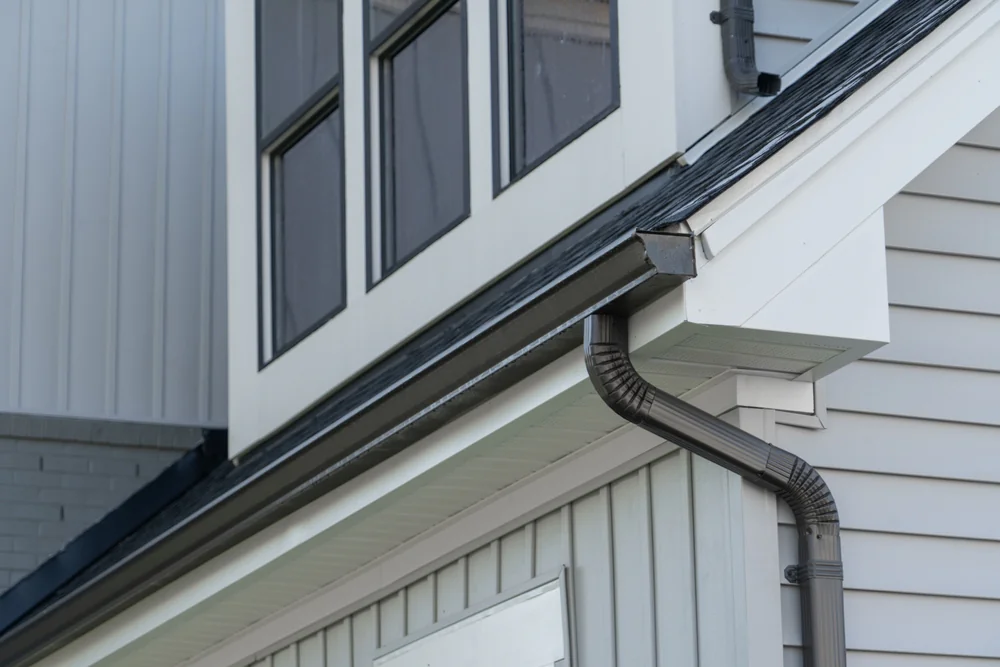
For any siding type, keep an eye on a few things: trim trees and bushes back so they’re not rubbing against your siding, make sure your gutters are working properly so water isn’t running down your walls, and check that your siding isn’t getting buried by mulch or soil at ground level—that invites moisture and rot.
The biggest maintenance item is just paying attention. Walk around your home a couple times a year and look for anything unusual. Catching small problems early—a loose panel, a gap in caulking, a spot where water seems to be getting in—prevents expensive repairs later.