Hear from Our Customers
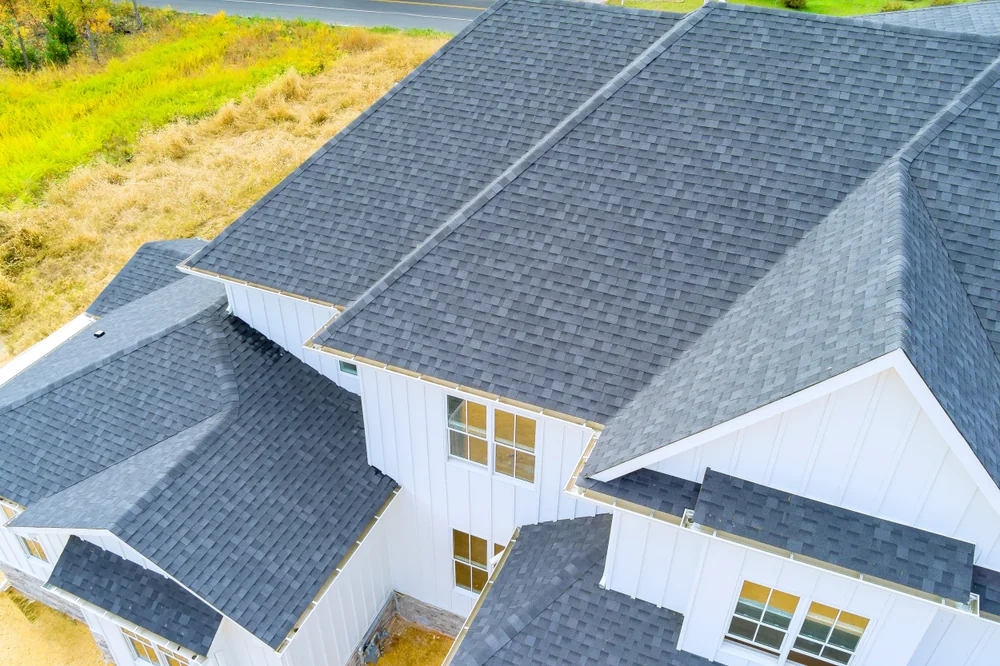
Your siding isn’t just about curb appeal. It’s the barrier between your heating system and New Hampshire’s brutal cold snaps.
When your exterior fails, you’re paying for it twice. First in the drafts that make certain rooms unbearable in January. Then in the utility bills that spike because your HVAC system is working overtime to compensate for air leaks and poor insulation.
Proper siding replacement in Candia, NH cuts that waste. Homeowners typically save up to $500 annually on heating and cooling costs after upgrading to modern, weather-resistant materials. That’s real money back in your pocket, year after year.
You also stop worrying about what’s happening behind the walls. Moisture intrusion leads to rot, mold, and structural damage that costs exponentially more to fix than prevention. Quality installation creates a weathertight envelope that keeps water out and conditioned air in.
We’ve spent over a decade working on homes throughout Candia and the surrounding New Hampshire communities. We understand what happens to exteriors here because we’ve seen it hundreds of times.
The freeze-thaw cycles, the ice dams, the wind-driven rain that finds every weak point in your siding. These aren’t abstract problems for us. We deal with the aftermath when homeowners call us after their previous contractor cut corners or used materials that couldn’t handle the climate.
You’re working with Owens Corning Preferred Contractors who meet strict standards for installation quality and customer service. That certification isn’t handed out freely. It means we’ve proven our work holds up and our customers are satisfied enough to say so.
We start with a free estimate at your property. You show us what’s failing, we inspect the current condition, and we give you a straightforward assessment of what needs to happen and why.
If you decide to move forward, we schedule the work around your timeline. Our crews show up when we say they will, and we assign dedicated team members to your project so you’re not dealing with different people every day.
The old siding comes off carefully to avoid damaging your sheathing or trim. We inspect what’s underneath because that’s where hidden problems live. If we find rot or structural issues, we tell you immediately and explain your options before proceeding.
New siding goes up with proper flashing, drainage planes, and fastening techniques that meet manufacturer specs. Corners, seams, and penetrations get extra attention because those are the failure points that cause callbacks. We clean up daily and do a final walkthrough with you before we consider the job complete.
Ready to get started?
You get multiple material options explained in plain terms. Vinyl siding offers the lowest maintenance and solid ROI around 80%. Fiber cement gives you better durability and fire resistance with ROI closer to 88%. We’ll explain the tradeoffs without pushing you toward the most expensive option.
Installation includes proper insulation upgrades where needed. Candia’s climate demands attention to thermal performance, and we don’t skip the details that make the difference between siding that performs and siding that just looks good for a few years.
You receive manufacturer warranties on materials plus our labor warranty that transfers if you sell. That matters when you’re trying to close a sale and the buyer’s inspector is looking at your exterior. Documented warranties from certified installers add credibility and value.
Free siding estimates in Candia, NH mean you know the full cost upfront. We don’t lowball the quote and then surprise you with change orders. The price we give you reflects the actual scope of work, including the details that less experienced contractors miss until they’re halfway through the job.

Most residential siding projects in Candia, NH take between five and ten days depending on your home’s size and complexity. A straightforward ranch might be done in a week. A two-story colonial with multiple dormers and detail work will take longer.
Weather delays happen, especially during shoulder seasons when temperatures drop below the minimum for proper installation. We don’t rush work to meet an arbitrary deadline if conditions aren’t right. Adhesives need specific temperatures to cure, and fasteners need to be driven correctly, not in frozen or rain-soaked conditions.
We’ll give you a realistic timeline during the estimate based on your specific property. That includes prep work, installation, trim, and cleanup. If we run into unexpected issues like hidden water damage or non-standard framing, we pause and discuss the path forward before adding time or cost to your project.
Vinyl costs less upfront and requires almost zero maintenance. You’ll never paint it, and it holds up well against New Hampshire weather if installed correctly. The tradeoff is durability. It can crack in extreme cold and won’t handle impact as well as cement board.
Fiber cement is denser and more resistant to damage from hail, flying debris, and temperature swings. It’s also fire-resistant, which matters for insurance rates in some situations. The downside is cost and maintenance. You’ll pay more initially, and it needs repainting every ten to fifteen years depending on exposure and finish quality.
Both materials deliver solid ROI when you sell. Vinyl typically returns about 80% of installation cost in added home value. Fiber cement pushes closer to 88%. Your choice depends on how long you plan to stay in the home, your budget, and how much ongoing maintenance you want to deal with. Neither option is wrong, they just serve different priorities.
Yes, but the savings depend on what you’re replacing and whether insulation is part of the project. If your current siding is old, damaged, or installed without proper weather barriers, you’re losing heat through your walls every time the furnace runs.
Modern siding systems include insulated backing options and proper air sealing that older installations lack. Homeowners in New Hampshire commonly save $300 to $500 annually on combined heating and cooling costs after upgrading. That’s based on eliminating air infiltration and improving your home’s thermal envelope.
The payback period varies. If you’re spending $15,000 on siding and saving $400 per year on energy, you’re looking at roughly 37 years to break even on energy savings alone. But that’s not the full picture. You’re also avoiding repair costs from water damage, increasing resale value, and eliminating maintenance like scraping and painting. Energy savings are one benefit, not the only reason to replace failing siding.
If damage is localized to one area from a specific incident like a fallen branch or isolated rot from a gutter leak, repairs might make sense. You replace the damaged section, address the underlying cause, and move on.
Full replacement makes more sense when you’re seeing widespread issues. Multiple areas of rot, pervasive fading or brittleness, chronic moisture problems, or siding that’s reached the end of its expected lifespan. Patching old siding repeatedly costs more over time than replacing it once and being done.
Age is a factor. Vinyl siding typically lasts 20 to 40 years depending on quality and installation. If yours is pushing 30 years and showing wear, you’re better off replacing than investing in repairs that only buy you a few more years. We’ll give you an honest assessment during the inspection. If repairs make sense, we’ll tell you. If you’re throwing money at a losing battle, we’ll tell you that too.
We stop and show you exactly what we found. Hidden damage is common in older Candia homes, especially around windows, doors, and anywhere water has been infiltrating for years. You can’t see it until the siding comes off.
You’ll get a clear explanation of what needs to be fixed and why. Rotted sheathing needs replacement before new siding goes up, or you’re just covering a problem that will get worse. We’ll give you the cost for the additional work and wait for your approval before proceeding.
Most homeowners appreciate knowing what’s really happening with their home’s structure, even when it means unexpected costs. The alternative is installing new siding over compromised substrate and dealing with failure down the road. We’d rather have the difficult conversation upfront than get a callback in two years because we ignored a problem we knew was there.
Yes. We understand that commercial siding contractors in Candia, NH need to understand different building codes, larger-scale logistics, and materials that meet commercial durability standards. We’ve handled both residential homes and commercial properties throughout our years in business.
Commercial projects often involve metal panels, fiber cement, or engineered wood products designed for high-traffic or high-exposure environments. The installation process is more complex because of building heights, accessibility challenges, and the need to minimize disruption to business operations.
We approach commercial work the same way we handle residential projects. Clear communication, realistic timelines, quality installation, and cleanup that respects your property and your customers. Whether it’s a retail storefront or a multi-family building, the fundamentals don’t change. You need siding that protects the structure, looks professional, and lasts without constant maintenance.