Hear from Our Customers
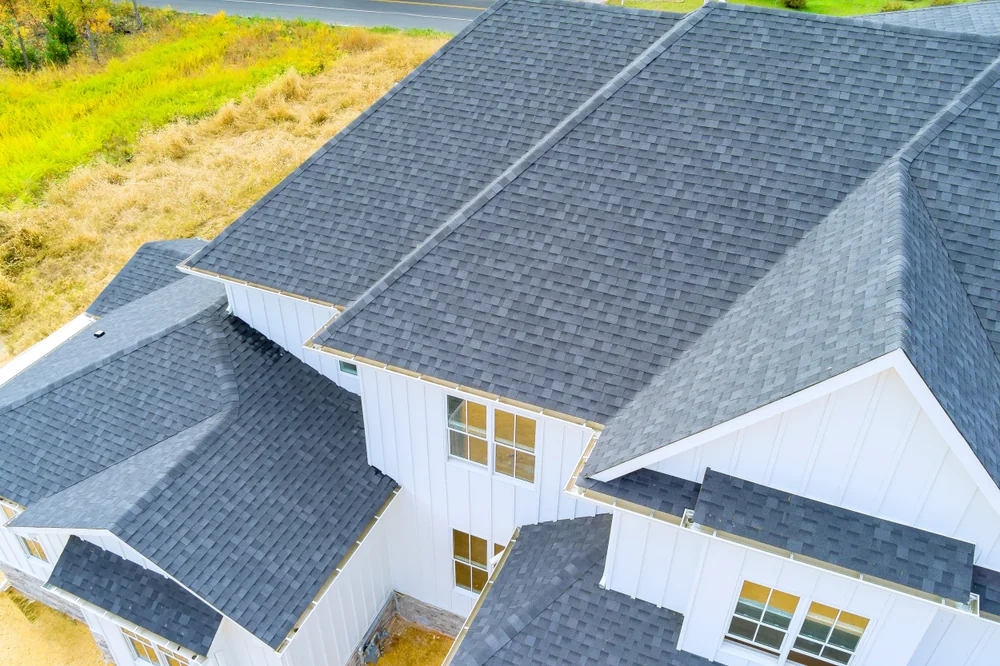
Your heating bill drops because your walls aren’t leaking air through cracked, outdated siding. That’s the difference insulated, properly installed exterior materials make during Burlington’s brutal winters and humid summers.
You stop worrying about water damage every time a nor’easter rolls through. Modern siding systems—whether vinyl, fiber cement, or composite—create a barrier that actually keeps moisture out instead of trapping it in your walls.
Your home value climbs. Fiber cement siding replacement returns between 76% and 86% of project costs at resale, consistently ranking as one of the highest-ROI exterior improvements you can make. In a market where 41% of Massachusetts homes sell above asking price, that matters.
The maintenance stops. No more scraping and repainting every few years. No more replacing rotted boards. You get decades of protection that looks good without the constant upkeep that wood siding demands.
We’ve spent over 18 years installing siding on Burlington homes—the Ranch houses and split-levels from the 1960s and 70s that make up most of this town, plus the newer developments that need quality work from the start.
We’re a licensed Home Improvement Contractor in Massachusetts, ranked in the top 8% of contractors statewide. That’s not marketing talk—it’s a BuildZoom score of 105 based on actual licensing, insurance, and work history.
We use CertainTeed MainStreet siding and other premium materials because they hold up to what Burlington throws at them: salt air, temperature swings, ice, and storms. You’re not getting the cheapest option, and that’s intentional. You’re getting siding that protects your investment for 30 to 50 years instead of failing in 10.
You call for a free estimate. We come out, assess your current siding, measure your home, and talk through material options—vinyl, fiber cement, composite, or wood. We explain what works for your budget, your home’s age, and Burlington’s climate.
Once you approve the proposal, we order materials. Lead times vary, but most projects start within a few weeks. When materials arrive, the actual installation takes one to two weeks depending on your home’s size.
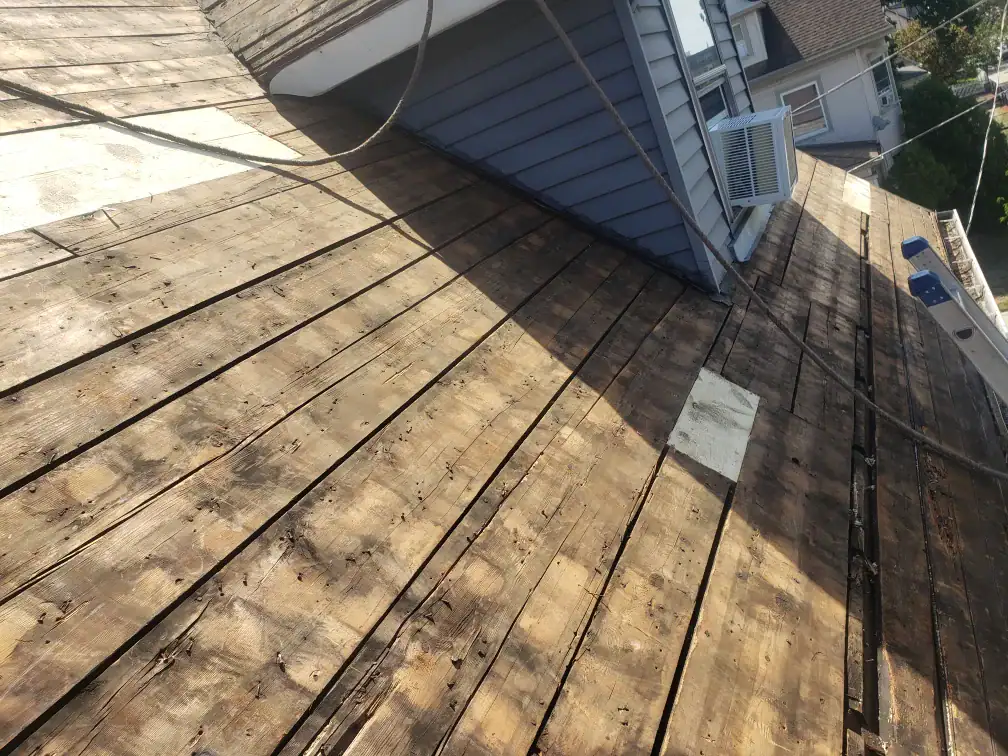
We remove your old siding, inspect the underlying structure for any damage or rot, make necessary repairs, and then install your new siding with proper moisture barriers and insulation. Every seam, every corner, every trim piece gets done right because that’s where water finds its way in if the work is sloppy.
When we’re done, you get a home that looks updated and performs better. Lower energy costs, better weather protection, and an exterior that doesn’t need constant attention. That’s the point of doing this work.
Ready to get started?
You get a full material selection process. Vinyl siding still holds 38% to 41% of the market in the Northeast because it combines affordability with storm resistance. Fiber cement offers superior durability and fire resistance. Composite materials give you the wood look without the rot. We walk through all of it based on what your property needs.
Color matters more than most people think. The trend in 2026 has shifted toward earthy, grounded tones—deep greens, warm taupes, charcoal grays, creamy off-whites. These colors work well with Burlington’s tree-lined streets and established neighborhoods. We help you pick something that fits your home and the area.
Installation includes removing old siding, repairing any structural issues underneath, installing moisture barriers and insulation, and then putting up your new siding with a reinforced locking system for strength. We don’t cut corners on the prep work because that’s what determines whether your siding lasts 15 years or 50.
You also get transparency. We communicate throughout the project so you know what’s happening and when. Most Burlington homeowners are busy professionals with families—you don’t have time to babysit a contractor, and you shouldn’t have to.

It depends entirely on the material and the installation quality. Vinyl siding typically lasts 20 to 40 years in New England if it’s installed correctly. Fiber cement can go 50 years or more because it resists moisture, doesn’t rot, and handles freeze-thaw cycles better than most materials.
Wood siding might last 15 to 20 years, but only if you’re committed to maintaining it—repainting every 5 to 7 years, replacing rotted boards, treating for pests. Most Burlington homeowners don’t want that level of upkeep, which is why vinyl and fiber cement dominate the market here.
The real variable is installation. Siding that’s improperly installed—missing moisture barriers, gaps around windows, poor flashing—fails early no matter what material you choose. Water gets behind it, rot starts, and you’re looking at replacement in 10 years instead of 30. That’s why working with a licensed, experienced contractor matters more than the material alone.
Yes, but the impact depends on what you’re replacing and whether insulation is part of the project. If your current siding is cracked, warped, or poorly sealed, you’re losing conditioned air through your walls. New siding with proper insulation and moisture barriers stops that.
Insulated vinyl siding or fiber cement with foam backing can reduce heating and cooling costs by 15% to 25% in older Burlington homes. That’s real money during January cold snaps and July humidity when your HVAC system is working overtime.
The energy savings come from two things: eliminating air leaks and adding a thermal barrier. Old siding lets drafts through. New siding, installed with house wrap and sealed properly, creates a continuous envelope that keeps heat in during winter and out during summer. You’ll notice the difference in comfort first, then in your utility bills over the next few months.
Cost, durability, and maintenance. Vinyl siding is less expensive upfront—usually 30% to 50% cheaper than fiber cement. It’s lightweight, doesn’t rot, and never needs painting. It handles Burlington’s weather well, resists moisture, and lasts 20 to 40 years with minimal upkeep.
Fiber cement is heavier, more durable, and more expensive. It resists fire, doesn’t warp, and holds paint longer than wood. It can last 50+ years, but it costs more to install because it requires specialized cutting tools and more labor. If you’re planning to stay in your home long-term and want maximum durability, fiber cement makes sense.
The choice comes down to budget and priorities. Vinyl gives you excellent value and performance for most residential applications. Fiber cement gives you premium durability and a higher-end appearance. Both work in Burlington’s climate. Both deliver solid ROI. We help you figure out which fits your situation based on your home’s age, your budget, and how long you plan to own the property.
Look for widespread damage, not isolated issues. One or two cracked boards? That’s a repair. Cracking across multiple walls, warping, fading, or visible rot in several areas? That’s replacement territory.
Check your energy bills. If they’ve climbed steadily over the past few years without a clear explanation, your siding might be failing. Drafts near windows, moisture inside walls, or peeling paint on the interior near exterior walls are all signs that your siding isn’t doing its job anymore.
Age matters too. If your siding is 20+ years old and showing any signs of wear, replacement usually makes more financial sense than ongoing repairs. You’re at the point where small fixes become a pattern, and you’re throwing money at a system that’s reached the end of its useful life. Most Burlington homes built in the 1960s through 1980s are hitting that replacement window now, especially if they still have original siding.
For a typical Burlington home—1,500 to 2,500 square feet—vinyl siding replacement runs between $8,000 and $18,000 depending on material quality, prep work, and architectural details. Fiber cement costs more, usually $15,000 to $30,000 for the same size home.
Those ranges include removing old siding, making necessary repairs to underlying structure, installing moisture barriers and insulation, and putting up new siding with proper trim and finishing. If your home has extensive rot, unusual architectural features, or requires significant prep work, costs go up.
The investment makes sense when you factor in ROI and longevity. You’re getting 76% to 86% of your money back at resale with fiber cement, and 60% to 75% with vinyl. You’re also eliminating maintenance costs for the next 20 to 50 years and reducing energy bills. We provide free estimates so you know exactly what your project costs before any work starts—no surprises, no pressure.
Most residential siding projects in Burlington take one to two weeks once materials are on site. Smaller homes or straightforward replacements can be done in a week. Larger homes, complex architecture, or projects that uncover structural issues take closer to two weeks.
Weather affects the timeline. We can’t install siding in heavy rain or extreme cold because adhesives and sealants won’t cure properly. Burlington’s weather can be unpredictable, especially during spring and fall, so we build some flexibility into the schedule.
The process moves in stages: removal of old siding (1-2 days), structural inspection and repairs (1-2 days if needed), installation of moisture barriers and insulation (1 day), siding installation (3-5 days), and trim and finishing work (1-2 days). We work efficiently, but we don’t rush the details that determine whether your siding performs for 20 years or 50. You’ll know the timeline upfront, and we’ll keep you updated if anything changes.