Hear from Our Customers
You shouldn’t have to run upstairs with a bucket every time it rains hard. You shouldn’t wonder if that dark spot on your ceiling is getting worse. And you definitely shouldn’t be calling three different contractors just to get someone to call you back.
When your roof is actually fixed—not just temporarily patched—you stop thinking about it. No more wondering if the next nor’easter will push water into your attic. No more checking the forecast with dread.
That’s what happens when the repair is done by someone who knows New England weather, understands how ice dams form on North Shore homes, and uses materials that hold up to what Massachusetts throws at them. Your roof does its job. You go back to not thinking about it.
We’ve worked on roofs across the North Shore for nearly two decades. We’re Owens Corning Preferred Contractors, which means we meet strict standards for quality and reliability—not just anyone gets that certification.
We’re local. We know what happens to roofs here when temperatures swing 40 degrees in a day, when ice builds up in February, when a summer storm drops hail the size of marbles. Topsfield has some of the most well-maintained homes in Essex County, and many were built in the 60s or earlier. Those roofs need someone who understands older construction and knows how to work with it.
You’re not getting a national franchise or a crew that’s never seen a Massachusetts winter. You’re getting people who live here and fix roofs here.

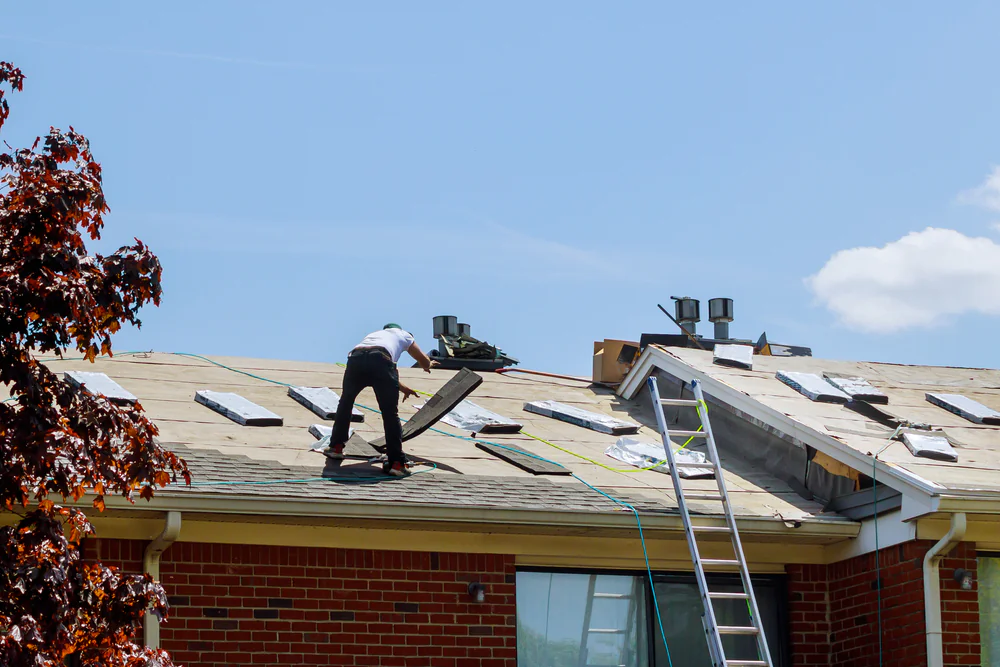
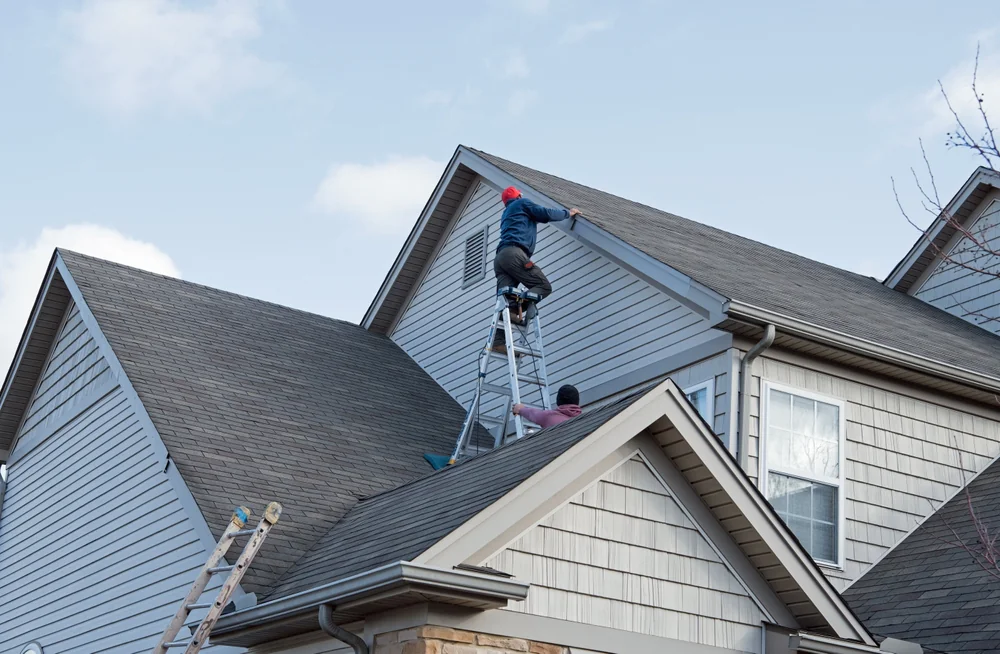
First, we come out and inspect your roof. Not just the obvious problem spot—we check the whole thing. Leaks don’t always start where the water shows up inside, so we look at flashing, shingles, valleys, and anything else that could be letting water in.
Then we explain what’s wrong and what it’ll take to fix it. If it’s a straightforward shingle replacement, we tell you that. If there’s underlying damage or something that’ll cause problems later, we tell you that too. No upselling, no scare tactics—just what’s actually happening up there.
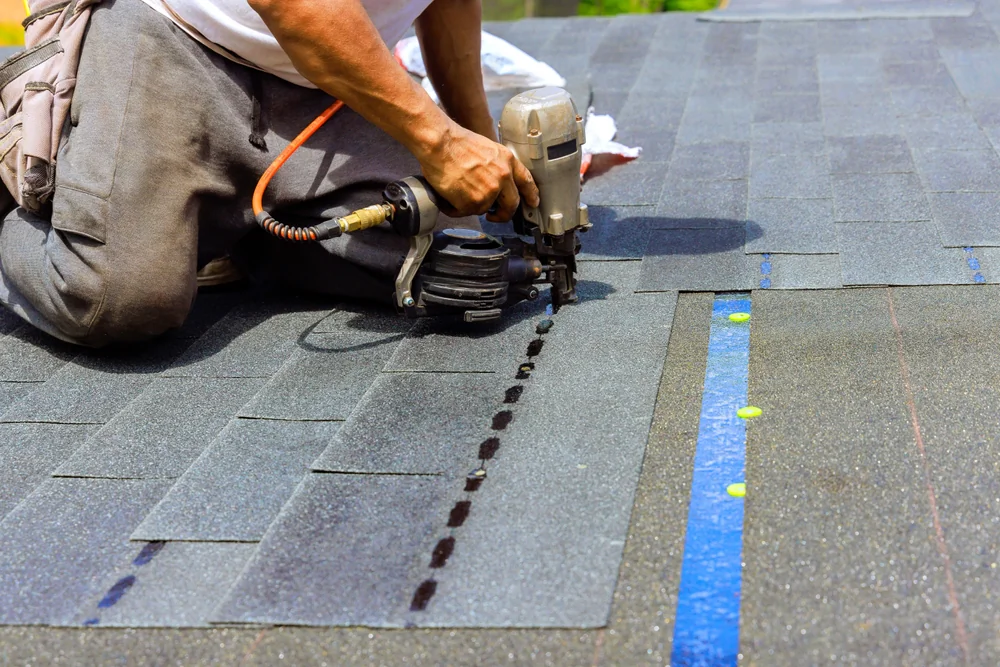
Once you approve the work, we schedule it and get it done. We use quality materials like Mule Hide roofing products that hold up in this climate. If it’s an emergency—like storm damage or an active leak—we prioritize getting someone out fast, because waiting just makes the damage worse.
After the repair, we clean up and walk you through what we did. You’ll know what was fixed, what to keep an eye on, and when you should think about maintenance down the road.
Ready to get started?
Every roof repair starts with a full inspection, because you can’t fix what you don’t fully understand. We check for damaged or missing shingles, compromised flashing around chimneys and vents, and any signs of water intrusion or structural issues.
For Topsfield homes, ice dam prevention is a big part of what we look at. Massachusetts has some of the worst ice dam conditions in the country, and homes built before modern ventilation standards are especially vulnerable. We assess your attic ventilation and insulation because those are usually where the problem starts—not the roof itself.
We handle emergency repairs when storms hit. A tarp might buy you a day or two, but it’s not a solution. We get out there, assess the damage, and make the repairs that actually stop water from getting in. That might mean replacing a section of shingles, resealing flashing, or addressing damage to the underlayment.
You also get honest guidance on whether a repair makes sense or if you’re better off replacing the roof. If your roof is 20+ years old and you’re facing a major repair, sometimes replacement is the smarter financial move. We’ll tell you either way.

Most roof repairs in Topsfield run between $400 and $1,500, depending on what’s damaged and how much of it there is. A few missing shingles might cost $400 to $600. Flashing repairs around a chimney or skylight usually run $500 to $1,000. Larger repairs—like fixing a section damaged by a fallen branch or addressing multiple leak points—can push toward $1,500 or more.
Labor costs in Massachusetts are higher than the national average, typically $60 to $90 per hour. Material costs have also gone up. Roof repair and replacement costs nationwide hit $31 billion in 2024, a 30% jump from 2022, and that’s reflected in local pricing too.
If your roof is older and needs frequent repairs, replacement might actually save you money. Asphalt shingle roofs in Massachusetts generally last 15 to 30 years depending on quality and maintenance. If yours is past 20 years and you’re spending $1,000+ on repairs every couple of years, you’re throwing money at a losing battle.
If your roof is under 15 years old and the damage is localized—like a small leak, missing shingles from a storm, or damaged flashing—repair usually makes sense. You’re fixing a specific problem, not addressing systemic failure.
If your roof is over 20 years old, you’re seeing multiple leaks, shingles are curling or losing granules across large areas, or you’re getting water stains on your ceiling in more than one room, replacement is probably the better move. At that point, the whole system is wearing out, and repairs become a temporary bandage.
Here’s a practical test: if the repair cost is more than 30% of what a replacement would cost, and your roof is in the back half of its lifespan, replacement makes more financial sense. You’re not just fixing today’s problem—you’re avoiding next year’s problem and the one after that.
We’ll give you an honest assessment either way. If a repair buys you five more solid years, we’ll tell you. If you’re going to be calling us back in 18 months, we’ll tell you that too.
Yes, but it depends on the temperature and what the repair involves. Most roofing materials need to be installed above 40-45°F because the adhesive strips on shingles won’t seal properly in colder temps. If it’s 30 degrees and sleeting, we’re limited in what we can do safely and effectively.
That said, emergency repairs can happen year-round. If you have an active leak in January, we’re not going to tell you to wait until April. We’ll get up there, stop the water intrusion with temporary measures if needed, and schedule the permanent fix for when conditions allow.
Ice dams are a winter-specific issue here in Massachusetts. When snow melts and refreezes at your roof’s edge, it creates a dam that pushes water under your shingles. We can remove the ice, address the immediate damage, and then talk about long-term solutions like better attic insulation and ventilation to prevent it from happening again.
Winter roof work is more challenging, but it’s not impossible. We just have to be smart about timing and realistic about what can be done permanently versus temporarily.
It depends on what caused the damage. If a storm, hail, falling tree, or sudden event damaged your roof, your homeowners insurance will typically cover the repair minus your deductible. Wind and hail damage are usually covered perils.
If the damage is from wear and tear, age, or lack of maintenance, insurance won’t cover it. They’re not going to pay for a roof that’s simply old and worn out. And here’s something that catches people off guard: many insurance companies in Massachusetts have stopped paying full replacement cost for roofs over a certain age. If your roof is 15+ years old, they might only pay depreciated value, which means you’re covering a bigger portion out of pocket.
We can help with the insurance process. We’ll document the damage, provide photos and estimates, and explain what happened in terms your adjuster will understand. We’ve worked with plenty of claims, and we know what insurance companies look for.
One tip: don’t wait to file. If you notice storm damage, get it inspected and documented quickly. The longer you wait, the harder it is to prove the damage was from a specific event and not just gradual deterioration.
Most roof repairs take anywhere from a few hours to a full day, depending on the scope. Replacing a handful of damaged shingles might take two to three hours. Repairing flashing around a chimney or fixing a valley where two roof planes meet could take four to six hours. Larger repairs involving multiple areas or underlying deck damage can take a full day or more.
Weather affects timing too. We’re not working on your roof in a thunderstorm or high winds, and we won’t start a repair if rain is forecast in the next few hours. Roofing work needs dry conditions, both for safety and so materials adhere properly.
Emergency repairs get prioritized. If you call because a tree branch punched through your roof and it’s raining into your living room, we’re getting someone out as fast as possible—often same-day or next-day. We’ll do what’s needed to stop the water, even if the full repair has to wait for better conditions.
Once we start, we work efficiently. We’re not leaving your roof torn up overnight unless there’s a very good reason. You’ll know the timeline before we start, and we’ll keep you updated if anything changes.
The most common culprits are damaged or missing shingles, failed flashing, and ice dams. Shingles take a beating from wind, hail, and temperature swings. Massachusetts sees some of the most intense freeze-thaw cycles in the country, and that constant expansion and contraction breaks down roofing materials faster than in more stable climates.
Flashing—the metal strips around chimneys, skylights, vents, and roof valleys—is another frequent leak source. Flashing can pull away from the structure, develop gaps, or corrode over time. When that happens, water finds its way in, often showing up as a ceiling stain several feet away from the actual entry point.
Ice dams are a huge issue on the North Shore. When your attic is warmer than it should be, it melts snow on your roof. That water runs down and refreezes at the eaves where the roof is colder. The ice builds up, and suddenly water has nowhere to go but under your shingles and into your house. It’s not a roofing problem—it’s an insulation and ventilation problem. But it damages your roof all the same.
Older homes in Topsfield are especially prone to these issues because they were built before modern building codes addressed attic ventilation. Fixing the leak means addressing what caused it, not just patching the spot where water came through.
Other Services we provide in Topsfield