Hear from Our Customers
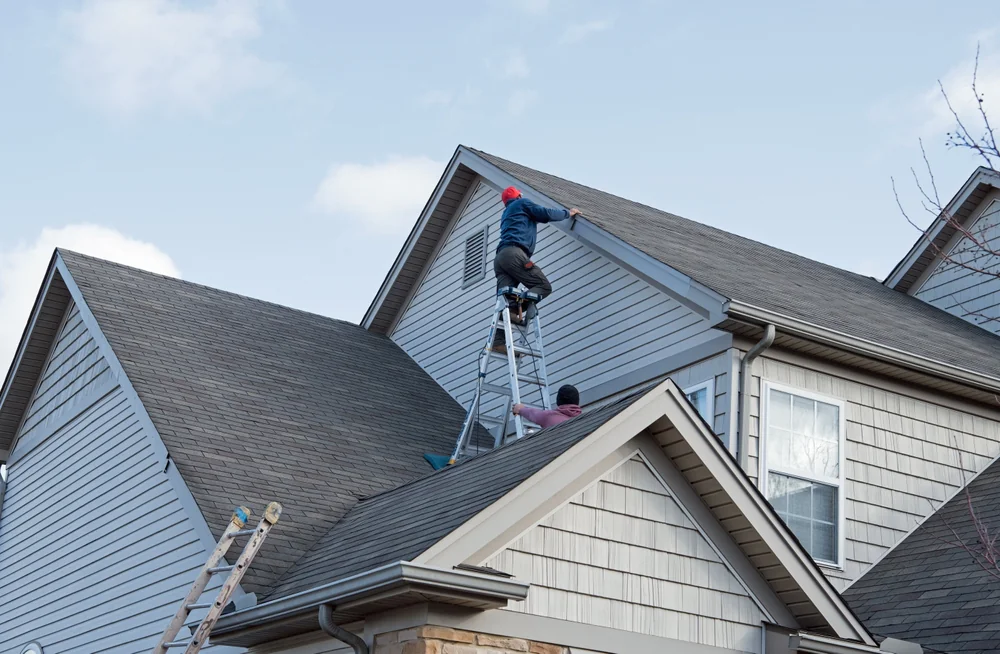
You’ve got enough on your plate without wondering if your roof will hold through another New England winter. Between the ice dams in February and the wind-driven rain in October, your roof takes a beating most homeowners don’t think about until water shows up where it shouldn’t.
A solid roof repair means you’re not scrambling for buckets when the forecast turns ugly. It means your insurance rates aren’t climbing because of preventable damage. Most importantly, it means you can actually sleep through a storm instead of lying awake listening for drips.
The average storm-related claim in New Hampshire runs about $15,000. That’s not a repair anymore—that’s a crisis. Catching problems early, fixing them correctly, and using materials that can handle what’s coming keeps you out of that situation entirely.
We’ve been handling roof repairs and full home restoration projects across New Hampshire since 2012. We’re an Owens Corning Preferred Contractor, which means we’ve met their requirements for quality work and customer service—not just once, but consistently.
We’re not the cheapest option in Newmarket, and that’s intentional. You’re paying for materials that last, crews who show up when they say they will, and repairs that don’t need a do-over next season. We work with Mule Hide Roofing products because they hold up to New Hampshire’s weather patterns better than the alternatives.
Most of our work comes from referrals. That happens when you fix what needs fixing, explain what you’re doing, and don’t try to upsell a full replacement when a repair will do the job.

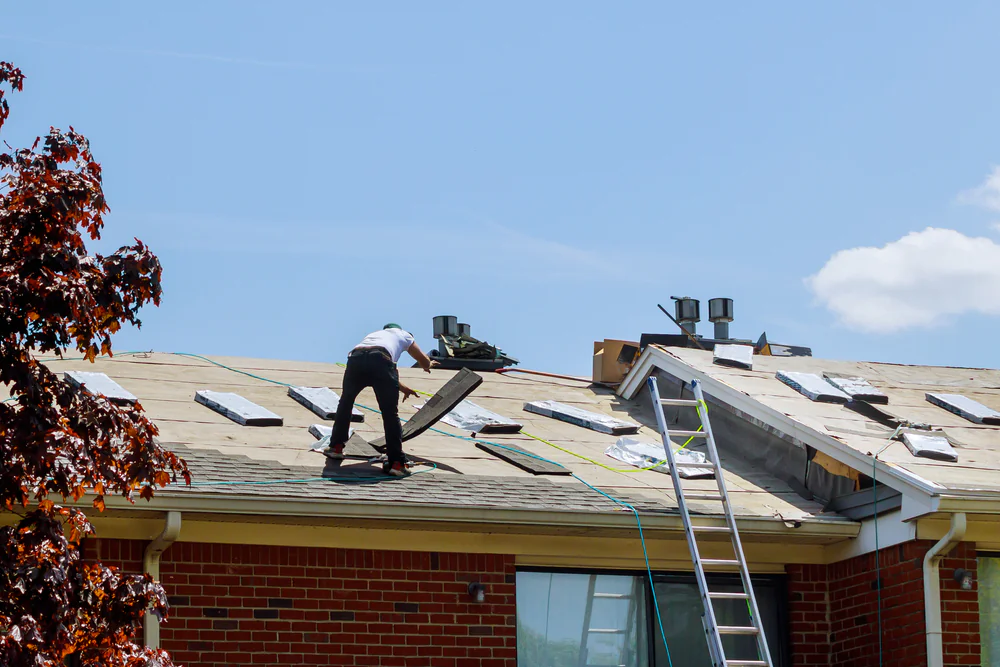
First, we come out and actually look at your roof. Not a five-minute glance from the driveway—a real inspection where we’re checking for wind damage, missing shingles, flashing issues, and the kind of wear that turns into leaks if you ignore it.
Then we tell you what we found. If it’s a straightforward repair, we’ll give you a clear price and timeline. If there’s underlying damage or multiple problem areas, we’ll walk you through what needs attention now versus what can wait. No pressure, no games—just information so you can make the call.
Once you’re ready to move forward, we schedule the work and assign a crew. Most residential roof repairs in New Hampshire wrap up in a day, sometimes less depending on the scope. We handle the materials, the cleanup, and any coordination with your insurance if the damage is storm-related. You get a roof that works, and we move on to the next job.
Ready to get started?
Every roof repair starts with a full assessment. We’re looking at shingle condition, underlayment integrity, flashing around chimneys and vents, and any areas where water might be sneaking in. In Newmarket and the surrounding Seacoast area, ice dam damage is common—we check for that specifically because it’s not always obvious from the ground.
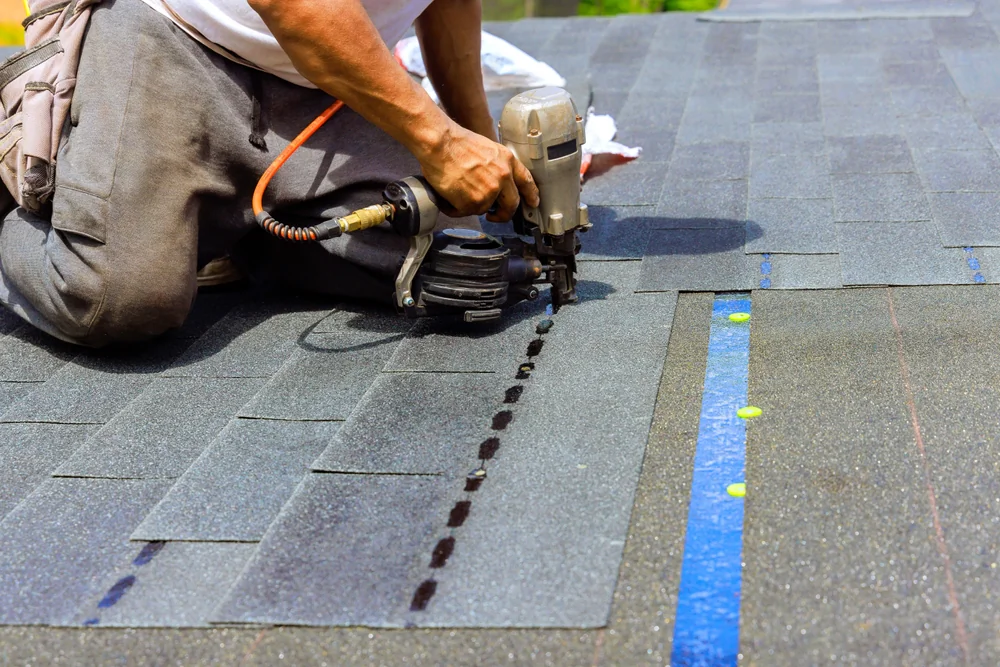
The repair itself depends on what’s wrong. Replacing damaged shingles, resealing flashing, fixing ventilation issues, patching storm damage—whatever the roof needs to stop leaking and hold up through the next weather event. We use Owens Corning and Mule Hide materials because they’re built for climates like ours, where a roof needs to handle everything from July humidity to January ice.
You also get a realistic timeline. We’re not going to tell you it’ll take three days when it’s a six-hour job, and we’re not going to rush through a repair that needs proper attention. New Hampshire weather is unpredictable enough—your repair schedule doesn’t need to be.

If the damage is localized—a few missing shingles after a windstorm, a leak around a chimney, hail damage in one section—you’re probably looking at a repair. If your roof is over 20 years old, you’re seeing widespread wear, or there’s structural sagging, replacement makes more sense.
Here’s the honest answer: we’ll tell you which one you need. There’s no point in patching a roof that’s going to fail in two years, and there’s no reason to replace a roof that has another decade of life left with a solid repair. We’ve been doing this long enough to know the difference, and we’re not interested in selling you something you don’t need.
The average roof repair cost in New Hampshire is around $407, while a full replacement averages $8,364. That’s a big gap, so getting the right recommendation matters. We’ll show you what we’re seeing, explain why we’re recommending what we’re recommending, and let you make the call.
If you’ve got an active leak and weather coming, we prioritize that. Emergency roof repairs get bumped to the front of the schedule because waiting just makes the damage worse. We offer seven-day service specifically for situations like this—storms don’t only happen Monday through Friday.
Response time depends on where you are and what else is happening. If half of Newmarket just got hit by the same storm, we’re moving as fast as we can but there’s a line. That said, we’ll get someone out to assess the damage and do temporary protection if needed while we schedule the full repair.
The key is calling as soon as you notice the problem. A small leak today becomes a ceiling stain, insulation damage, and potential mold issue tomorrow. The faster we can get eyes on it, the faster we can stop it from getting worse and give you a real fix instead of a band-aid.
It depends on what caused the damage. Storm damage, hail, wind, falling trees—that’s usually covered under your homeowners policy. Wear and tear, age-related deterioration, or damage from lack of maintenance typically isn’t. Your policy and deductible matter too.
In New Hampshire, wind and hail damage account for 53% of storm-related claims, and those claims average around $15,000. If your damage is storm-related and recent, there’s a good chance your insurance will cover at least part of it. We can work with your insurance adjuster, provide documentation of the damage, and help you understand what’s covered.
Here’s what we won’t do: tell you to file a claim when the damage isn’t covered, or encourage you to inflate what needs fixing. That creates problems down the road. We’ll give you an honest assessment, help with the paperwork if it’s a legitimate claim, and let you decide how you want to handle payment.
Start with the obvious: missing or lifted shingles, dents in metal flashing or vents, debris damage from fallen branches. Then look for the subtle stuff—granule loss on shingles (they’ll look lighter or have bare spots), cracked or curling edges, and any areas where the roofline looks uneven or sagging.
Inside your home, check your attic if you can access it safely. Look for water stains, daylight coming through the roof boards, or wet insulation. Sometimes damage happens quietly and you won’t see a ceiling stain until the problem is serious. New England storms are particularly rough because you’re often dealing with wind-driven rain that finds its way into places a normal rain wouldn’t reach.
If you’re not comfortable getting on a ladder or you’re not sure what you’re looking at, call us. We’ll come out and do a proper inspection. It’s better to catch storm damage early than to wait until a small problem becomes an expensive one. Most roof repairs are straightforward if you address them quickly—it’s the waiting that costs you.
A properly done repair using quality materials should last as long as the rest of your roof—assuming the rest of your roof is in decent shape. If we’re replacing damaged shingles on a roof that’s only five years old, those repairs should hold up for another 15 to 20 years easily. If we’re patching a roof that’s already 18 years old, the repair will outlast the surrounding shingles.
New Hampshire weather is tough. You’re dealing with freeze-thaw cycles that stress roofing materials, ice dams that force water under shingles, and wind that tests every seal and fastener. That’s why material choice matters. Owens Corning and Mule Hide products are built for this climate—they expand and contract without cracking, they hold up to UV exposure in summer, and they don’t get brittle in cold weather.
The other factor is workmanship. A repair that’s done right—proper flashing, correct fastener placement, sealed edges—lasts. A quick patch job fails. We’ve been fixing other contractors’ shortcuts for years, and it’s always the same issues: wrong materials, rushed installation, or skipped steps. You get what you pay for, and in New Hampshire, cutting corners on a roof repair just means you’re paying twice.
Late spring through early fall is ideal. Temperatures are moderate, materials seal properly, and you’re less likely to have weather delays. That said, if your roof is leaking in January, you can’t wait until May. We do emergency repairs year-round because sometimes the timing chooses you.
For non-urgent repairs, scheduling between May and October gives you the best conditions. Shingles need warmth to seal correctly, and crews can work more efficiently when they’re not dealing with ice or extreme heat. New Hampshire summers can get humid and hot, but that’s still better than trying to repair a roof in 20-degree weather with wind chill.
If you’re planning ahead, early fall is smart. You’re getting your roof buttoned up before winter, contractors are often less slammed than they are in peak summer, and you’re avoiding the spring rush when everyone who ignored problems all winter suddenly needs help. The best time to fix your roof is before you absolutely have to—that gives you options instead of forcing your hand.
Other Services we provide in Newmarket