Hear from Our Customers
You stop worrying about the next storm. You’re not checking the ceiling for new stains or wondering if that drip is going to turn into a flood.
A solid roof means your insurance stays manageable, your energy bills don’t spike every winter, and you’re not scrambling to find a contractor when everyone else in Hampton Beach is doing the same thing after a nor’easter. The homes closest to the ocean take the worst of it—wind-driven rain, salt corrosion, and temperature swings that crack shingles and loosen flashing.
When your roof is properly repaired with materials that can handle coastal conditions, you get back to living without that low-grade anxiety that comes with every weather alert. Your attic stays dry. Your insulation does its job. And you’re not dealing with mold remediation six months later because a small leak became a big problem.
We work throughout the Seacoast region, and we’ve seen what Hampton Beach weather does to roofs. The salt air alone accelerates wear on standard materials. Add in hurricane-force winds and ice dams, and you need someone who’s not guessing.
We’re an Owens Corning Preferred Contractor, which means we meet their standards for installation quality and customer service. That’s not marketing—it’s a requirement they enforce. We also work with GAF and Mule Hide systems because they hold up in coastal environments.
Most of our work comes from referrals, which tells you something about how we operate. You’ll get straight answers about what needs fixing and what can wait. No upselling, no scare tactics.

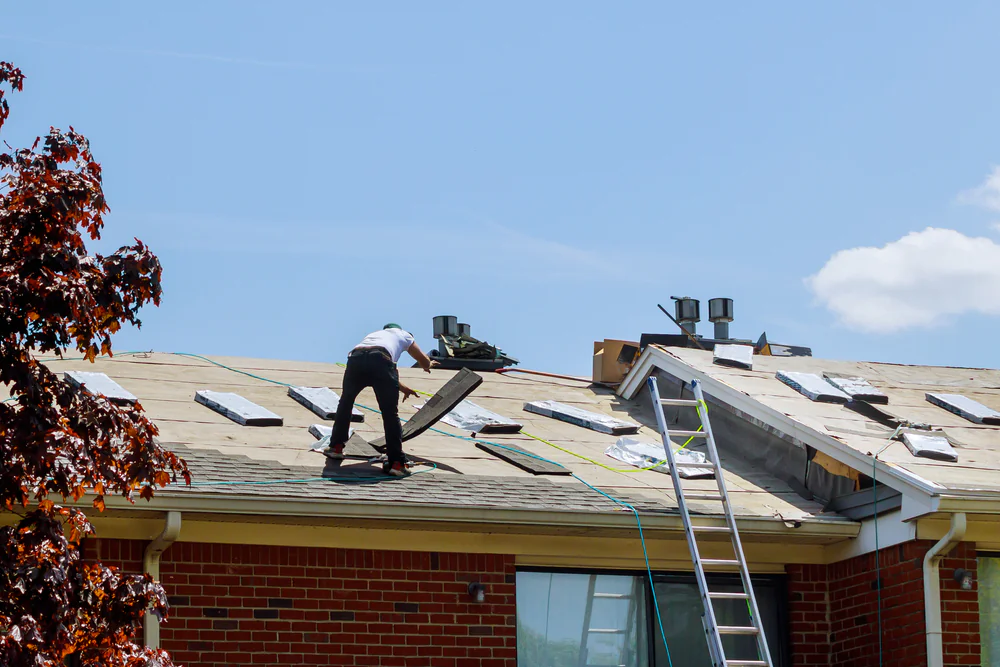
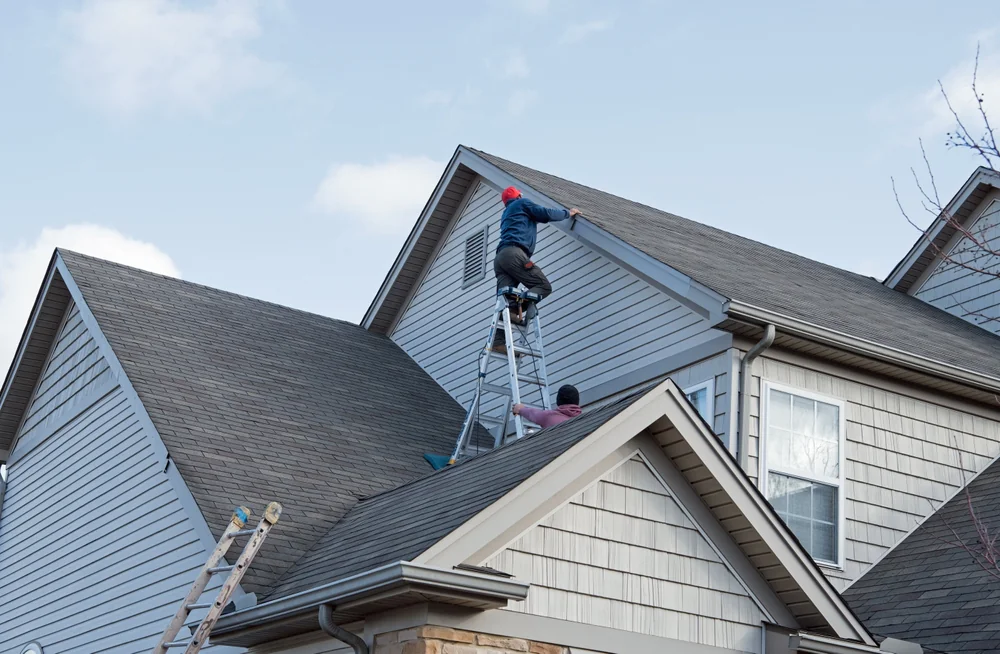
First, we come out and actually look at your roof. Not from the ground—we get up there and check under shingles, around flashing, in valleys where water pools. We’re looking for the obvious damage and the stuff that’s about to become obvious.
You get a clear breakdown of what’s wrong, what it costs, and how long it takes. If it’s storm damage, we document everything your insurance company needs to see. Most policies in New Hampshire require you to file within a year of the weather event, so timing matters.
For emergency repairs—active leaks, missing shingles after a storm, damaged flashing that’s letting water in—we can usually get you protected within 24 to 48 hours. That might mean tarping and temporary fixes while we order materials, or it might mean a same-day repair if the damage is contained.
Once we’re doing the actual work, we’re not tearing off more than we can weatherproof in a day. New England weather changes fast, and leaving your roof open overnight is asking for trouble.
Ready to get started?
Most roof repairs in Hampton Beach fall into a few categories: wind damage that lifts or tears shingles, leaks around chimneys and vents, worn flashing that’s letting water underneath, and ice dam damage from winter freezes. We also handle structural issues—sagging sections, damaged decking, problems with your roof’s framing.
The average repair here runs around $750, but that number moves depending on what’s broken. A few missing shingles and some sealant might cost $300. Replacing damaged decking, fixing a valley, and installing new flashing can push past $2,000. You’re paying for materials that won’t fail in six months and labor that’s done correctly the first time.
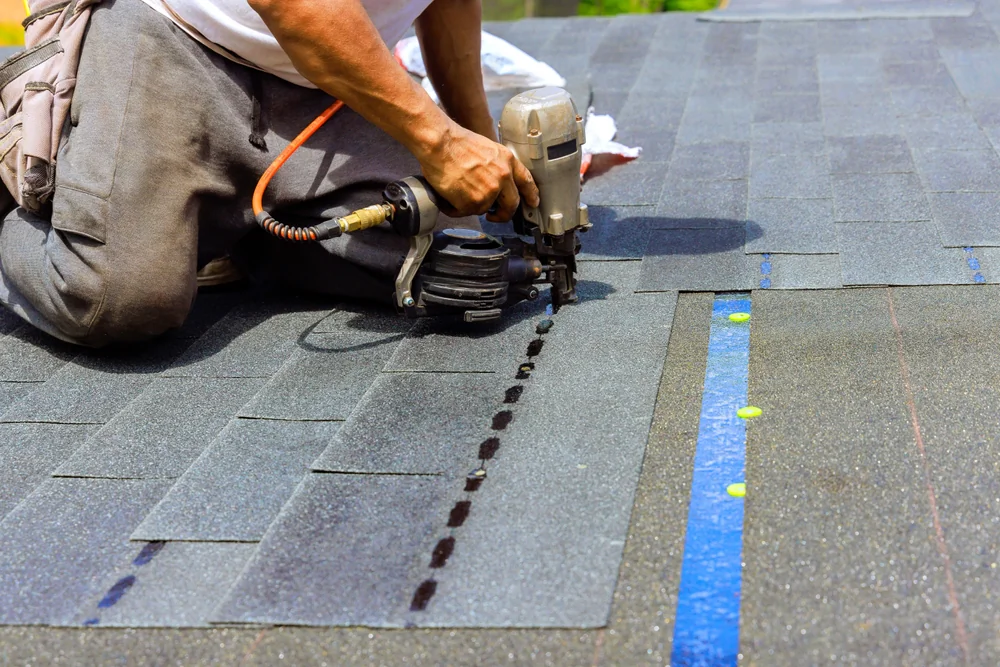
Coastal homes need different materials than inland properties. Salt-resistant fasteners, high-wind-rated shingles, and proper ventilation to handle humidity—these aren’t upgrades, they’re requirements. We use GAF systems with 50-year warranties and Owens Corning products rated for New Hampshire’s climate zone. The goal is to fix it once, not come back every year.
If your roof is older and you’re facing repeated repairs, we’ll tell you when replacement makes more sense than patching. Sometimes spending $800 now just delays a $12,000 problem by a year.

For active leaks or exposed areas, we’re usually on-site within 24 to 48 hours. That’s not a marketing promise—it’s how we schedule emergency work.
The first visit is about stopping further damage. If shingles are missing and rain is forecast, we’ll tarp or temporarily seal the area so water doesn’t get into your attic and walls. Then we assess what needs replacing and get materials ordered.
Full repairs depend on the scope. Replacing a section of damaged shingles might happen the same week. Larger jobs—damaged decking, structural repairs, extensive flashing work—take longer because we’re ordering specific materials and potentially dealing with your insurance timeline. Most storm-related repairs in Hampton Beach are completed within one to two weeks from the initial call.
It depends on what caused the damage and what your policy covers. Storm damage—wind, hail, falling trees—is usually covered. Wear and tear from age or lack of maintenance typically isn’t.
New Hampshire policies require you to file storm damage claims within one year of the weather event. After that, you’re paying out of pocket even if the damage was covered. We document everything your adjuster needs: photos, measurements, material lists, and a detailed scope of work.
Insurance companies sometimes push back on claims or try to minimize payouts. We’ve worked with enough adjusters to know what they’re looking for and how to present the damage accurately. Our documentation helps get claims approved, and we can walk you through the process if it’s your first time filing. Average storm claims in New Hampshire run around $15,000, with wind and hail making up about half of all claims.
Wind damage is the big one. Coastal storms hit Hampton Beach harder than inland areas, and high winds lift shingles, tear flashing, and sometimes peel back entire sections. You’ll also see accelerated wear from salt air, which corrodes fasteners and breaks down roofing materials faster than normal.
Ice dams are another issue. When your attic isn’t properly ventilated or insulated, heat escapes and melts snow on your roof. That water runs down to the cold eaves and refreezes, creating a dam that forces water under your shingles. By the time you see the ceiling stain, the damage is already done.
Flashing failures around chimneys, vents, and valleys cause a lot of leaks too. Flashing is the metal that seals joints and transitions on your roof, and when it cracks or pulls away, water gets underneath. This kind of damage happens quietly—you won’t notice until you’re dealing with a leak. Regular inspections catch these problems before they turn into expensive repairs.
Most repairs fall between $300 and $2,000, with the average around $750. Small jobs—replacing a few shingles, resealing flashing, fixing a minor leak—are on the lower end. Larger repairs involving damaged decking, structural work, or extensive shingle replacement cost more.
Location affects pricing too. If your roof is steep, high, or difficult to access, labor costs go up. Material choice matters—basic three-tab shingles cost less than architectural shingles rated for high winds, but they also don’t last as long in coastal conditions.
You’re not just paying for the immediate fix. Quality materials and proper installation mean you’re not calling someone back in six months when the repair fails. Cheap fixes using standard materials might save money now, but they cost more over time when you’re doing the same repair repeatedly. We price based on what actually needs to happen, not what sounds good in an estimate.
Age is the first indicator. Most asphalt shingle roofs last 20 to 25 years in New Hampshire’s climate. If yours is approaching that range and you’re starting to see problems, replacement usually makes more sense than ongoing repairs.
Look at the pattern of damage. One section failing because of a tree branch or isolated storm damage? That’s repairable. Multiple areas showing wear, curling shingles, granule loss across the roof, or repeated leaks in different spots? You’re looking at replacement.
Cost matters too. If you’re spending $1,500 to $2,000 on repairs every year or two, you’re throwing money at a failing roof. A full replacement might cost $8,000 to $15,000 depending on size and materials, but it solves the problem for the next two decades. We’ll walk your roof with you and show you what we’re seeing. If repair makes sense, we’ll tell you. If you’re delaying the inevitable, we’ll tell you that too.
Yes. If you’re dealing with an active leak, storm damage, or exposed areas that need immediate protection, call us. We prioritize emergency work because every hour of delay means more damage to your insulation, framing, and interior.
Emergency service means we’re coming out fast—usually same-day or next-day depending on when you call and what the weather’s doing. We’ll assess the damage, stop water from getting in, and give you a plan for permanent repairs.
Sometimes that means tarping until materials arrive. Sometimes it means temporary patches that hold until we can do the full repair safely. We’re not leaving your home exposed, and we’re not making you wait a week while water damages your attic. Storm season in Hampton Beach gets busy, so the earlier you call after damage happens, the faster we can respond.
Other Services we provide in Hampton Beach