Hear from Our Customers
You’ve got enough on your plate without wondering if that ceiling stain is getting worse or if the next snowstorm will turn a small leak into a major problem. A damaged roof doesn’t fix itself, and waiting usually means watching a $500 repair turn into a $5,000 headache.
Here’s what actually matters: your roof gets inspected thoroughly, the damage gets repaired correctly, and you stop losing sleep over whether water is quietly destroying your insulation and framing. No more buckets in the attic. No more wondering if your insurance claim is going to get denied because you waited too long.
When your roof works the way it should, you’re not thinking about it anymore. You’re not checking the forecast with dread. You’re not calling three more contractors for opinions. The problem is handled, and you can move on with your life.
We’ve spent over 80 years working on roofs across the Seacoast area, which means we’ve seen what New Hampshire weather does to homes in Greenland. We’re an Owens Corning Preferred Contractor, which isn’t just a badge—it means we meet strict standards that most roofing companies don’t qualify for.
Our BuildZoom score puts us in the top 8% of over 139,000 licensed contractors in Massachusetts. That ranking comes from completed projects, not marketing. We show up when we say we will, we finish the work correctly, and we don’t leave your property looking like a construction zone.
Greenland homeowners deal with ice dams, wind-driven rain, and snow loads that would surprise people from warmer states. We know how to handle those conditions because we’ve been doing it for decades, not just a few seasons.

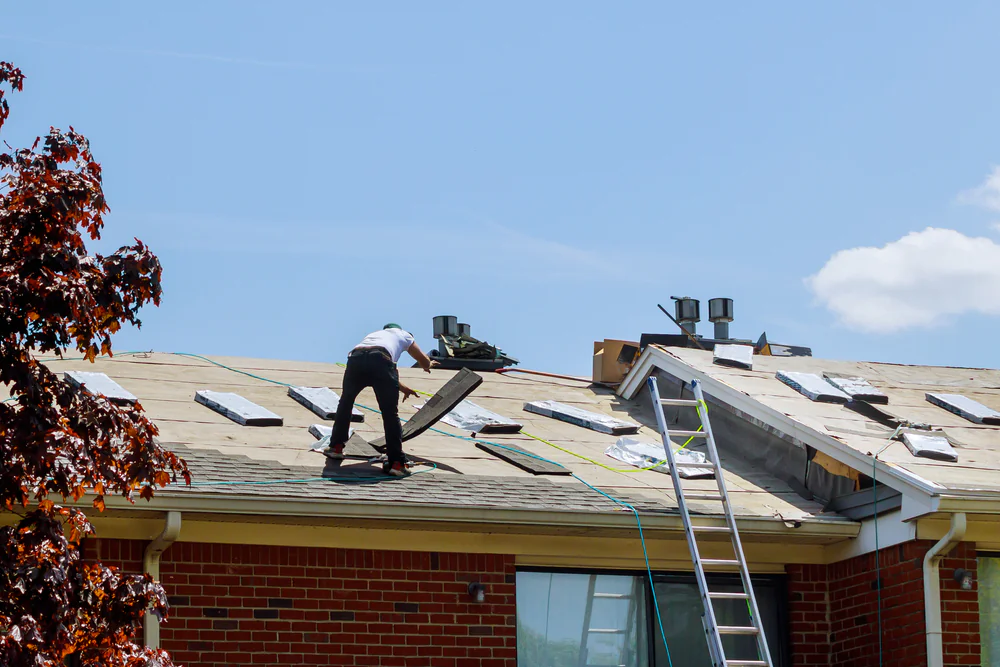
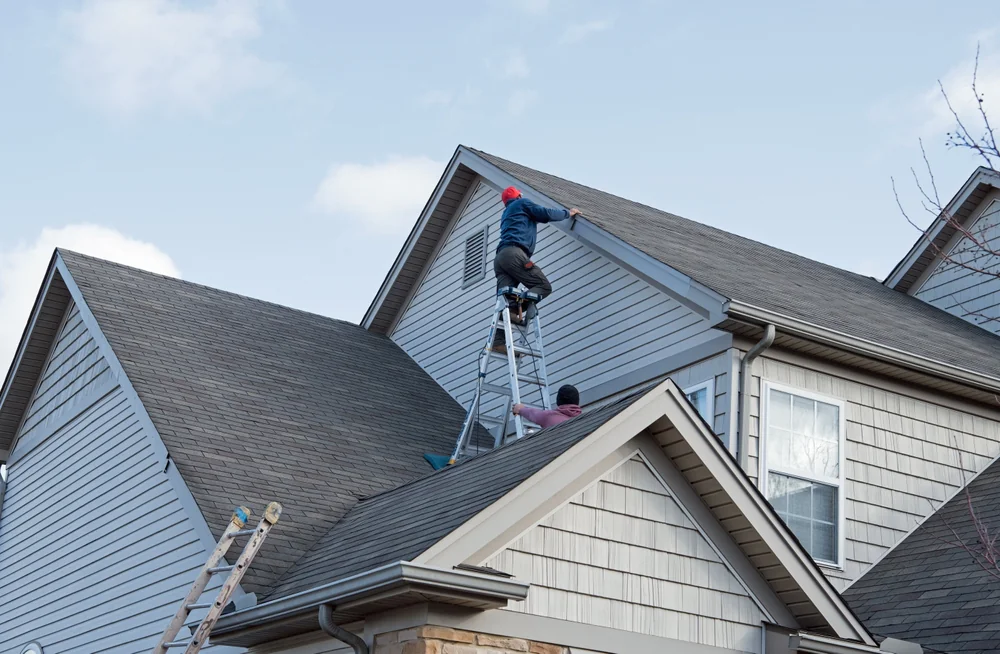
First, we schedule an inspection at a time that actually works for you. We’re not showing up unannounced or giving you a four-hour window. During the inspection, we get on your roof and check for obvious damage—missing shingles, lifted flashing, compromised seals—and we also look for the stuff that’s harder to spot, like early signs of ice dam damage or areas where water might be getting under your roofing materials.
After the inspection, you get a clear explanation of what’s wrong and what it’ll take to fix it. If you’re filing an insurance claim, we document everything properly so your claim doesn’t get kicked back for missing information. Most homeowner policies in New Hampshire cover sudden storm damage, but only if you report it within a year and have the right documentation.
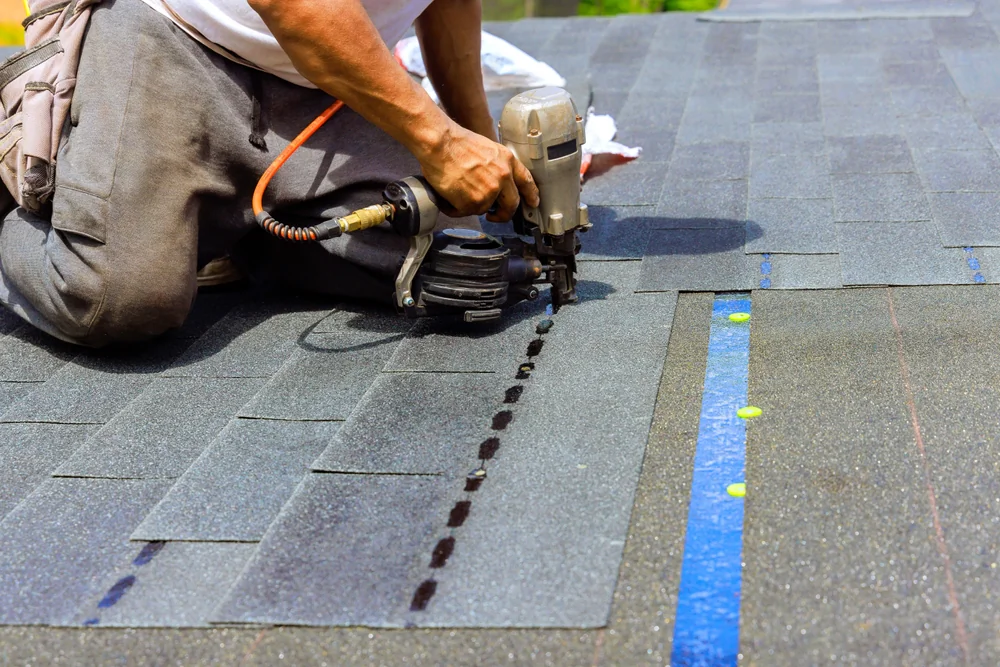
Once you approve the work, we handle the repair. That means removing damaged materials, replacing any compromised decking or insulation, installing new shingles that match your existing roof, and making sure everything is sealed correctly to handle freeze-thaw cycles. When we’re done, we clean up completely—no nails in your driveway, no debris in your yard. You get a roof that works, and you get your property back the way it was.
Ready to get started?
Roof repair in Greenland isn’t the same as roof repair in Georgia. Your roof has to handle snow accumulation that can add thousands of pounds of weight, ice dams that form when melting snow refreezes at the roof’s edge, and wind that comes off the Atlantic with enough force to lift shingles that aren’t installed correctly.
When we repair your roof, we’re addressing those specific challenges. That means installing ice and water shield in vulnerable areas, using roofing materials rated for New Hampshire’s temperature swings, and making sure your attic ventilation is set up to prevent the heat loss that causes ice dams in the first place. A lot of roofing problems in this area aren’t just about the roof itself—they’re about how the whole system works together.
We also handle emergency repairs when storms cause immediate damage. If a tree branch punches through your roof or high winds tear off a section of shingles, we can get there within 24 to 48 hours to tarp the area and prevent further water damage while we line up the full repair. That quick response can be the difference between a straightforward fix and discovering mold growth in your walls three months later.
The average roof repair in New Hampshire costs around $400 to $500, which is a lot less painful than the $8,000 to $25,000 you’d spend on a full replacement. Catching problems early and fixing them correctly means you’re not replacing your roof years before you should have to.

If the damage is localized to one area—like a section of missing shingles after a storm or a leak around your chimney flashing—repair usually makes sense. You’re looking at a few hundred dollars instead of several thousand, and you’re extending the life of your existing roof.
Full replacement becomes necessary when you’ve got widespread damage, when your roof is near the end of its lifespan anyway (most asphalt shingle roofs last 20 to 25 years in New Hampshire), or when you’re dealing with structural issues like rotted decking across large areas. If your roof is 15 years old and you’re seeing problems in multiple spots, replacement might actually save you money in the long run compared to doing repair after repair.
The honest answer usually comes from a thorough inspection. We’ll tell you if repair makes sense or if you’re throwing money at a roof that’s going to need replacement in the next year or two anyway. There’s no point in spending $2,000 on repairs if you’re going to need a $10,000 replacement next season.
Most homeowner policies in New Hampshire cover sudden damage from weather events—wind, hail, fallen trees, ice dams caused by storms. What they typically don’t cover is gradual wear and tear or damage that happened because of poor maintenance.
The key is timing and documentation. Insurance companies in New Hampshire usually require you to file a claim within one year of the damage occurring. If you wait too long, you’re paying out of pocket for repairs that should have been covered. We help with the documentation side—taking photos, noting wind speeds from the storm date, showing how the damage connects to a specific weather event.
Your deductible matters too. If you’ve got a $1,000 deductible and the repair costs $1,200, you’re only getting $200 from insurance. Sometimes it makes more sense to pay for smaller repairs yourself and save your claim for bigger damage. We can walk through those numbers with you so you’re making the decision that actually saves you money.
For true emergencies—active leaks, missing sections of roof, damage that’s letting water into your home—we’re typically on-site within 24 to 48 hours. That first visit is about stopping the immediate problem: tarping the damaged area, securing loose materials, preventing water from causing more damage while we line up the full repair.
The full repair timeline depends on the extent of damage and material availability, but we’re usually talking days, not weeks. A straightforward shingle replacement might happen within a few days of the initial emergency response. More complex repairs that involve replacing decking or dealing with ice dam damage might take a bit longer, but you’ll know the timeline upfront.
Winter repairs in New Hampshire can be trickier because of temperature requirements for certain materials, but we can still handle emergency protection and temporary fixes immediately. Then we schedule the permanent repair for the next weather window that allows proper installation. You’re not left with a tarp on your roof for months.
Ice dams form when heat escapes from your attic and warms the roof surface, melting snow from underneath. That meltwater runs down to the colder roof edge (usually over the eaves where there’s no heat from below) and refreezes. Over time, you get a ridge of ice that blocks drainage, and then meltwater backs up under your shingles and into your house.
Prevention involves three things: proper attic insulation to keep heat from escaping, adequate ventilation to keep the roof surface cold, and sometimes installing ice and water shield or heating cables in vulnerable areas. A lot of older homes in Greenland weren’t built with enough insulation or ventilation for the way we heat homes today, which is why ice dams are so common here.
When we repair roof damage caused by ice dams, we’re not just fixing the immediate leak—we’re looking at why the ice dam formed in the first place. If we don’t address the underlying ventilation or insulation issue, you’re going to have the same problem next winter. That might mean adding roof vents, improving attic insulation, or installing ice and water shield in areas where ice dams typically form. The goal is fixing it once, not coming back every February.
Small repairs—replacing a few damaged shingles, resealing flashing, fixing a minor leak—usually run $400 to $800. Mid-range repairs that involve replacing a section of shingles, addressing ice dam damage, or fixing compromised decking typically cost $800 to $2,000. Larger repairs that are still less extensive than full replacement might run $2,000 to $4,000.
Those numbers can shift based on your specific roof. Steeper pitches are harder to work on safely. Some roofing materials cost more than others. If we find additional damage once we start the repair—like discovering that a small leak has been rotting your decking for months—that changes the scope.
Here’s the thing about cost: a $500 repair today can prevent a $5,000 problem next year. Water damage doesn’t stay contained. That small leak you’re ignoring is soaking your insulation, rotting your framing, and potentially growing mold. The longer you wait, the more expensive it gets. We’ve seen homeowners turn $800 repairs into $15,000 nightmares just by waiting another season. The math is pretty simple—fix it now or pay a lot more later.
Don’t get on your roof with a shovel or an ice pick. Seriously. You can punch through shingles, damage flashing, crack your roof deck, or hurt yourself falling off a slippery, icy roof. We see DIY ice dam removal cause more damage than the ice dam itself pretty regularly.
The safe approach is calling someone who has the right equipment and knows how to remove ice without destroying your roof. We use low-pressure steam or careful manual removal techniques that don’t involve hacking at your shingles with sharp tools. If you’ve got an active leak from an ice dam, the immediate move is putting a bucket under the drip and calling for help—not climbing up there yourself.
Prevention is cheaper and safer than removal. If you’re getting ice dams every winter, the real fix is addressing your attic insulation and ventilation before next season. Removing the ice dam solves this week’s problem. Fixing the heat loss solves the problem permanently. We can handle both, but the prevention work is what actually saves you money and stress over the long term.
Other Services we provide in Greenland