Hear from Our Customers
A leaking roof doesn’t wait for convenient timing. Neither do ice dams in February or shingles ripped off during a windstorm.
You’re looking for someone who can assess the damage accurately, explain what needs fixing without overselling, and complete the work so you’re not dealing with the same problem six months later. That’s the difference between a quick patch and an actual repair.
New Hampshire winters are brutal on roofing systems. Freeze-thaw cycles, heavy snow loads, and ice dam formation create real problems that need more than a tarp and some caulk. You need a roofing contractor who understands how weather impacts your home and knows how to address it properly—not just temporarily.
When the work’s done right, you’re not checking the ceiling every time it rains. You’re not calling around for emergency roof leak repair at midnight. You’ve got a roof that does its job so you can stop thinking about it.
Paradise Remodeling Inc has been handling roof repairs, replacements, and installations across Epping and the North Shore for six years. We’re an Owens Corning Preferred Contractor and CertainTeed SELECT ShingleMaster—certifications that require meeting strict standards, not just paying a fee.
Epping homeowners deal with specific challenges. Your roof handles significant snow accumulation, temperature swings that create ice dams, and storm systems that roll through with little warning. We’ve seen what happens when contractors don’t account for those conditions, and we’ve fixed plenty of those situations.
We’re fully licensed and insured. Feliciano and the crew show up when scheduled, protect your property during the work, and stay responsive after the job’s complete. That’s not marketing talk—it’s how we’ve operated since day one.

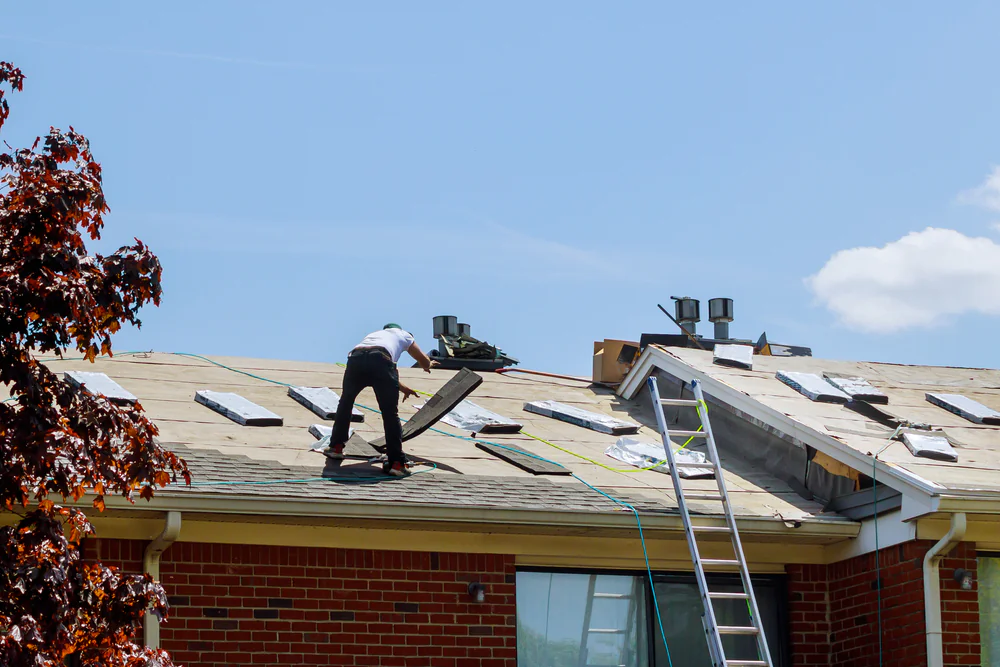
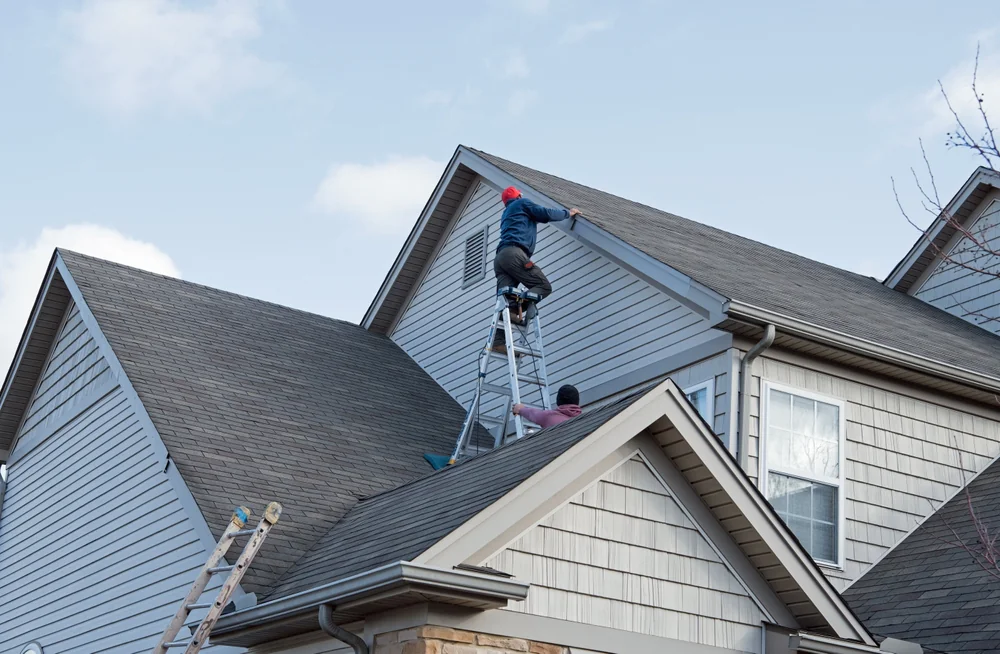
First, we schedule an inspection at a time that works for you. We get on the roof, check the damage, and look for underlying issues that might not be obvious from the ground—like compromised flashing, deteriorated underlayment, or ventilation problems contributing to the issue.
Then we explain what we found. No jargon. No upselling. If you need a full replacement, we’ll tell you. If it’s a repair, we’ll tell you that too. You’ll get a clear estimate that breaks down materials, labor, and timeline.
Once you approve the work, we order materials and get it scheduled. Most roof repairs in Epping take one to three days depending on scope and weather. We protect your landscaping, clean up daily, and make sure the site’s secure if we have to pause for rain or snow.
After completion, we walk the property with you, answer any questions, and make sure you’re satisfied. Then we stay available. If something comes up or you have concerns down the road, you’ve got our number.
Ready to get started?
We handle leak repairs caused by damaged shingles, worn flashing, or compromised valleys. We fix storm damage—missing shingles, punctures from fallen branches, wind damage that’s lifted sections of your roof. Emergency situations get priority response, including temporary tarping and immediate leak patching to prevent interior damage.
Ice dam removal and prevention is a big part of what we do in Epping. New Hampshire’s freeze-thaw cycles create perfect conditions for ice dams, which can force water under shingles and into your home. We address the immediate damage and help you understand what’s causing it—whether that’s insulation issues, ventilation problems, or both.
Roof repairs in this area typically run between $380 and $1,800 depending on damage extent, materials needed, and complexity. That’s the honest range. A few replaced shingles and resealed flashing sits on the lower end. Structural repairs, extensive leak damage, or emergency storm work costs more.
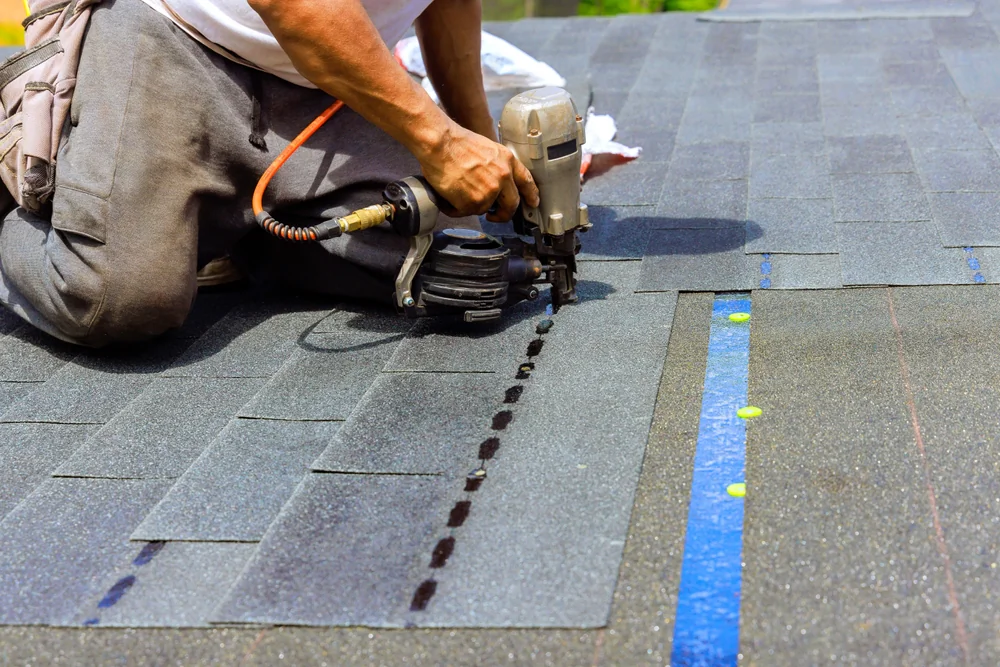
We use quality materials designed for New Hampshire weather—asphalt shingles rated for freeze-thaw, proper underlayment, and flashing that won’t fail in two years. As an Owens Corning Preferred Contractor, we can offer extended warranty protection on qualifying work. That matters when you’re investing in your home’s protection.

Most roof repairs in Epping fall between $380 and $1,800, with the average around $1,100. That range covers common issues like replacing damaged shingles, repairing flashing, fixing small leaks, and addressing storm damage.
What drives the cost? Roof size, damage extent, material type, and how accessible the damaged area is. A straightforward shingle replacement on a single-story ranch costs less than repairing ice dam damage that’s affected underlayment and decking on a steep two-story colonial.
Emergency repairs—especially during or right after a storm—may cost more due to urgency and temporary protective measures like tarping. But waiting often makes the problem worse and more expensive. A small leak that soaks insulation and damages ceilings turns a $600 repair into a multi-thousand-dollar project.
We give you a clear estimate before starting work. No surprises, no padding. You’ll know what you’re paying for and why.
Emergency situations get priority scheduling. If a storm just ripped shingles off your roof or a tree punctured through, we move fast to prevent further damage.
First step is usually temporary protection—tarping the damaged area, sealing obvious entry points, making sure rain or snow isn’t pouring into your home. That happens as quickly as we can get there, often same-day or next-day depending on when you call and current weather conditions.
Permanent repairs get scheduled as soon as materials arrive and weather permits safe work. We can’t put shingles down in a rainstorm or when ice is forming, but we can secure your home until conditions allow proper repair.
During major storm events when everyone’s calling, response times stretch. That’s reality. But we prioritize based on severity—active leaks and structural concerns come before cosmetic damage. And we stay in communication so you know where you stand.
Ice dams form when heat escapes through your roof, melts snow, and that water refreezes at the roof’s edge where it’s colder. The ice builds up, blocks drainage, and forces water under your shingles. That’s when you get leaks, ceiling stains, and damaged insulation.
Epping’s winter temperature fluctuations create ideal ice dam conditions. A warm afternoon melts snow, then temperatures drop overnight and freeze everything solid. Repeat that cycle all winter and you’ve got problems.
Fixing ice dam damage means repairing whatever the water damaged—shingles, underlayment, flashing, sometimes decking if it’s been going on a while. But the real fix involves addressing why it’s happening: improving attic insulation, increasing ventilation, and sealing air leaks that let warm air into your attic space.
We handle both the immediate repair and help you understand the prevention side. Sometimes that’s a roofing fix. Sometimes it’s insulation work. Either way, you need to know what’s causing it so you’re not dealing with the same issue every winter.
If the damage is localized—a section of shingles, a valley that’s leaking, flashing around a chimney—repair makes sense. You’re fixing the problem without the cost and disruption of a full replacement.
But if your roof is over 20 years old, showing wear in multiple areas, or has had several repairs already, replacement is usually the smarter move. You’re not throwing good money after bad, and you’re not going to be calling for another repair in six months.
Here’s the honest assessment: if repair costs are approaching 30-40% of replacement cost and your roof is in the back half of its lifespan, replacement gives you better long-term value. You get warranty protection, better energy efficiency, and you’re done worrying about it for another 20-30 years.
We’ll tell you which makes sense for your situation. If repair gets you another 5-10 solid years, we’ll recommend that. If you’re patching a roof that’s already failing, we’ll tell you that too.
We handle both residential and commercial roofing projects in Epping. Commercial work includes flat roofs, low-slope systems, and the larger-scale repairs that businesses and property managers need.
Commercial roof repair often involves different materials—TPO, EPDM, modified bitumen—and different concerns than residential work. Leak detection is more complex. Access can be tricky. Timing matters because you can’t shut down operations for a week.
We approach commercial projects with the same straightforward process: thorough inspection, clear explanation of what’s wrong, honest estimate, and work scheduled to minimize disruption to your business. Many commercial repairs can happen outside business hours or in phases to keep operations running.
Whether it’s your home or your business, the goal is the same—fix it right so it’s not a recurring problem. We’ve got the licensing, insurance, and experience to handle both.
First, contain the water inside. Put a bucket under the leak, move furniture and valuables out of the way, and if water’s pooling in the ceiling, carefully puncture the lowest point to let it drain into a container. That prevents more extensive ceiling damage.
Then try to identify where it’s coming in from the attic if you can safely access it. Look for wet insulation, water stains on rafters, or active dripping. That helps us locate the problem faster when we arrive.
Call us as soon as you can. The longer water sits, the more damage it does—to insulation, framing, drywall, and anything below. Even a small leak can cause mold growth and structural issues if it goes unaddressed.
Don’t try temporary fixes from inside the attic unless you know what you’re doing. And don’t get on your roof in bad weather or if you’re not comfortable up there. We’d rather get an emergency call than hear someone got hurt trying to tarp their own roof during a storm.
Other Services we provide in Epping