Hear from Our Customers
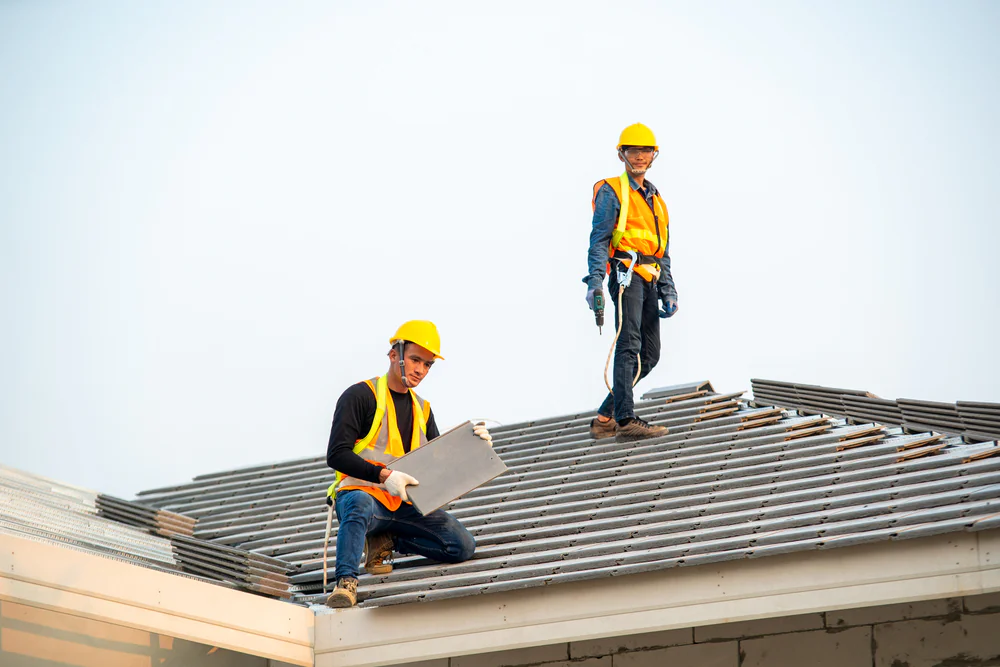
You’re not calling a roofer because everything’s fine. Something’s leaking, or your insurance company sent you a letter, or you’re seeing shingles in the yard after every windstorm. Whatever brought you here, you need someone who can fix it right without the runaround.
When your roof works the way it should, you stop thinking about it. No more buckets in the attic. No more wondering if the next snowstorm will turn into an ice dam nightmare. No more calls to your insurance agent asking what’s covered.
You get a roof that sheds water, handles snow load, and doesn’t need constant babysitting. That’s what roofing services should deliver in North Reading—systems built for the climate we actually live in, not the one in a textbook. We use materials rated for freeze-thaw cycles, proper ventilation to prevent moisture buildup, and flashing details that don’t fail when temperatures swing forty degrees in a weekend.
Paradise Remodeling Inc holds a Massachusetts Home Improvement Contractor license and ranks in the top 8% of over 139,000 licensed contractors in the state according to BuildZoom. That’s not luck—it’s what happens when you show up, do the work right, and don’t disappear when someone calls six months later.
We’re based on the North Shore and we’ve seen what happens to roofs around here. The coastal wind, the freeze-thaw cycles, the ice dams that form when attic ventilation isn’t done right. North Reading homes face all of it, and we’ve handled all of it.
You’re not getting a crew that learned roofing from YouTube. You’re working with people who understand how a roof needs to perform in this specific climate, and who’ll tell you the truth about what needs fixing and what doesn’t.
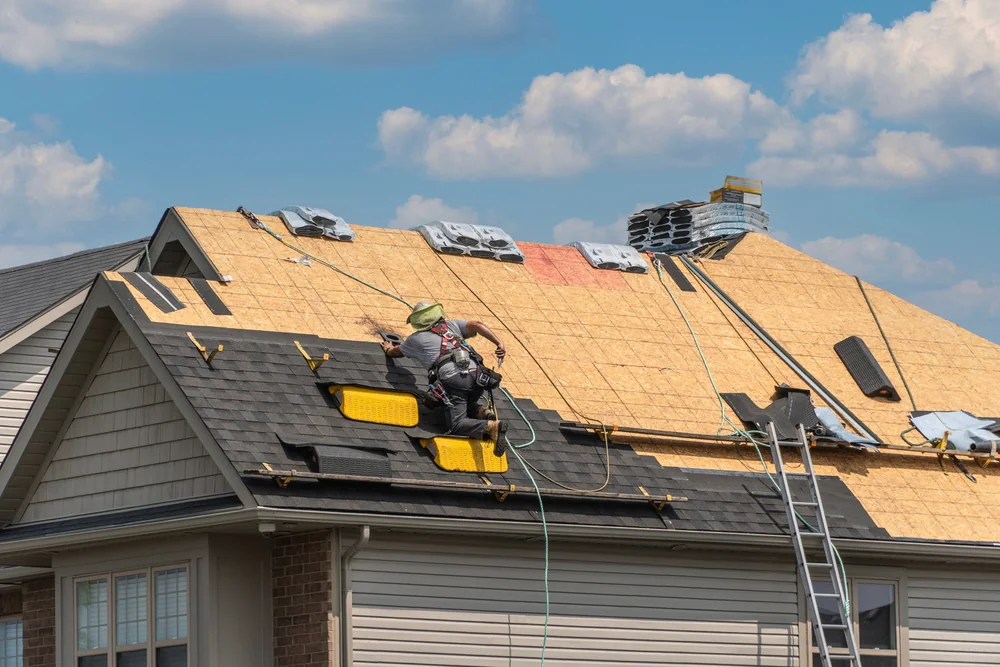
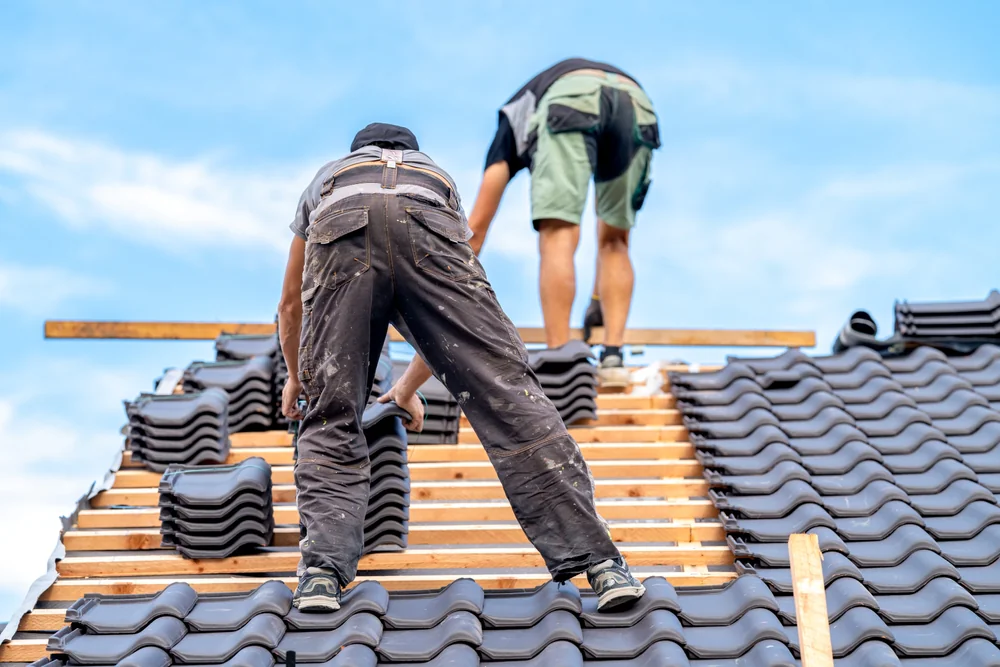
First, we come out and actually look at your roof. Not from the street with binoculars—we get up there. We check for wind damage, look at flashing around chimneys and vents, inspect shingle condition, and assess whether your ventilation system is doing its job or setting you up for problems.
Then we tell you what we found. If you need a full replacement, we’ll explain why. If you don’t, we’ll tell you that too. We give you a written estimate that breaks down materials, labor, and timeline so you know exactly what you’re paying for.
Once you’re ready to move forward, we handle permits, order materials from manufacturers like Owens Corning or Mule Hide, and schedule the work around weather windows that actually make sense. Our crews show up when we say they will, protect your property during the job, and clean up when it’s done. You get photos of the work, warranty documentation, and a roof that’s ready for whatever winter throws at it.
Ready to get started?
Every roofing project starts with an inspection that covers shingle integrity, underlayment condition, flashing, ventilation, and structural concerns. You need to know what you’re dealing with before anyone starts tearing things apart.
For repairs, we handle everything from storm damage and missing shingles to leak detection and emergency tarping when you can’t wait for a full replacement. North Reading sees its share of nor’easters and summer storms—we’re set up to respond when you need help fast, not next month when it’s convenient.
Full replacements include complete tear-off, new underlayment, ice and water shield in valleys and eaves, proper ventilation installation, and shingles rated for New England weather. We’re Owens Corning Preferred Contractors, which means we meet strict standards for installation quality and can offer enhanced warranties you won’t get from every roofer with a truck.
If you’re dealing with ice dams, we address the root cause—ventilation and insulation issues—not just the symptoms. Roof maintenance plans are available if you want someone checking things annually so small problems don’t turn into expensive ones. And if your insurance company is giving you grief about coverage, we can document conditions and provide the reporting they need to process claims correctly.

If your roof is under 15 years old and the damage is localized—like a few missing shingles after a storm or a small leak around a chimney—repair usually makes sense. You’re looking at a few hundred to a couple thousand dollars depending on what’s involved.
If your roof is over 20 years old, you’re seeing widespread granule loss, shingles are curling or cracking in multiple areas, or you’ve got leaks in more than one spot, replacement is probably the smarter move. Patching an aging roof is like putting new tires on a car with a blown engine—you’re spending money on something that’s going to fail soon anyway.
We’ll give you an honest assessment either way. Sometimes a repair buys you a few more years while you budget for replacement. Sometimes it’s throwing good money after bad. We’ve been doing this long enough to know the difference, and we’re not interested in selling you work you don’t need.
For a typical North Reading home with an asphalt shingle roof, you’re looking at $12,000 to $25,000 depending on size, pitch, and complexity. A simple ranch with easy access costs less than a two-story colonial with multiple valleys and steep angles.
Material choice affects price too. Architectural shingles with better wind and impact ratings cost more than basic three-tab, but they last longer and handle weather better. If you’re going with premium materials like certain Owens Corning or GAF lines, or if you need significant decking repair underneath, costs go up.
We provide written estimates that break everything down—materials, labor, disposal, permits. No “we’ll figure it out as we go” pricing. You know what you’re paying before we start, and if we find something unexpected once we’re into the job, we talk to you before doing additional work. Most projects in North Reading take three to five days depending on weather and roof size.
Ice dams form when heat escapes through your roof, melts snow, and then that water refreezes at the eaves where it’s colder. The ice builds up, traps more water behind it, and eventually that water works its way under shingles and into your house.
The fix isn’t just scraping ice off every winter. You need proper attic insulation to keep heat inside your home, adequate ventilation to keep the roof deck cold, and ice and water shield membrane at the eaves to protect vulnerable areas. A lot of older North Reading homes don’t have enough ventilation—they might have soffit vents but no ridge vent, or the insulation is blocking airflow.
When we do a roof replacement, we address ventilation as part of the project. If you’re dealing with recurring ice dams but your roof is otherwise fine, we can sometimes improve ventilation and add heat cable as a targeted fix. The key is understanding that ice dams are a system problem, not just bad luck. Fix the system and you stop dealing with the same issue every February.
It depends on why your roof needs replacing and what your policy covers. If you have storm damage—wind-blown shingles, hail impact, tree damage—insurance typically covers repair or replacement minus your deductible. You need to document the damage and file a claim promptly.
If your roof is just old and worn out, insurance won’t cover it. Normal wear and tear isn’t an insured event. Some insurance companies in Massachusetts are now using aerial imagery to assess roof condition and are non-renewing policies on homes with roofs they consider too old or in poor shape. If that happens to you, you may need to replace the roof to maintain coverage.
We can help document storm damage for insurance claims and provide the reporting adjusters need. We’ve worked with enough insurance companies to know what they’re looking for. If you’re not sure whether you have a claim, we can assess the damage and give you an honest opinion before you file. Filing a claim that gets denied can create issues, so it’s worth understanding what you’re dealing with first.
Asphalt shingle roofs in Massachusetts typically last 20 to 30 years depending on material quality, installation, ventilation, and how much weather they take. A roof on the North Shore dealing with coastal wind and salt air may wear faster than one inland. A roof with good ventilation lasts longer than one that’s trapping heat and moisture.
Architectural shingles with higher wind and impact ratings generally outlast basic three-tab shingles. Premium products from manufacturers like Owens Corning or GAF can push toward the 30-year mark if everything else is right. But even the best shingles won’t hit their rated lifespan if they’re installed poorly or if the attic is a sweatbox.
Metal roofing lasts 40 to 70 years and handles New England weather extremely well—it sheds snow, resists wind, and doesn’t deteriorate the way asphalt does. The upfront cost is higher, but if you’re planning to stay in your home long-term, the math can work out. We install both and can walk you through the trade-offs based on your situation and budget.
Start with licensing and insurance. Every roofer in Massachusetts needs a Construction Supervisor License and, depending on project scope, a Home Improvement Contractor license. If they can’t show you both, walk away. You also want proof of general liability and workers’ comp insurance—if someone gets hurt on your property and the contractor isn’t covered, you’re liable.
Check references and look at actual work, not just online reviews that may or may not be real. Ask how long they’ve been in business and whether they’re still around to honor warranties. A lot of roofing contractors disappear after a few years, and your warranty is worthless if you can’t find them.
Get a detailed written estimate that breaks down materials, labor, and timeline. Be wary of prices that seem too good—they usually mean shortcuts, cheap materials, or unlicensed crews. And if someone shows up at your door right after a storm offering to waive your insurance deductible, that’s illegal in Massachusetts and a red flag that you’re dealing with a storm chaser, not a legitimate contractor.
Other Services we provide in North Reading