Hear from Our Customers
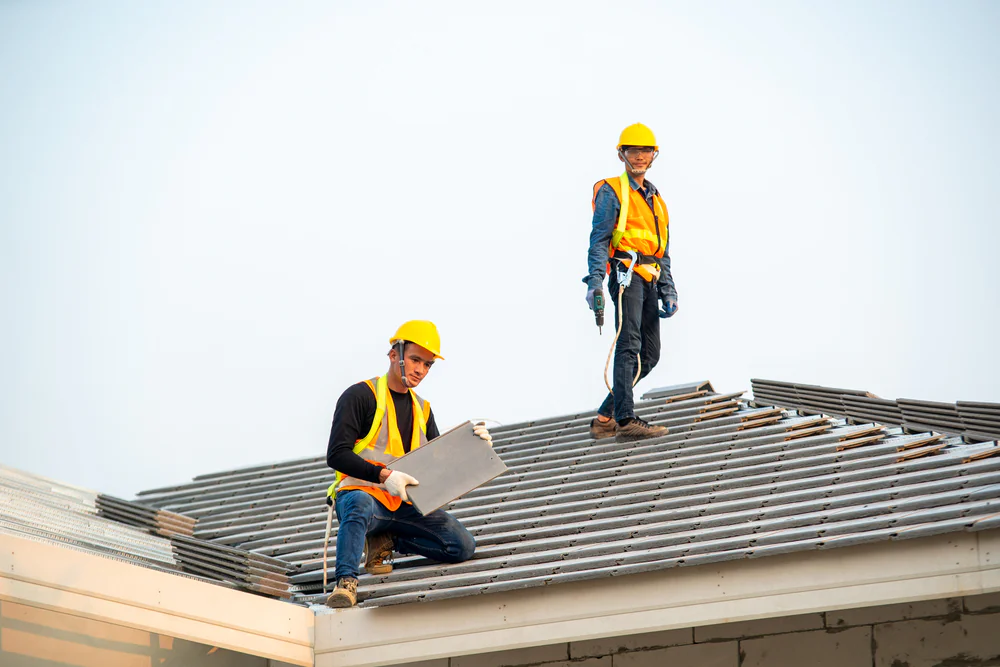
You stop worrying every time a Nor’easter rolls in. Your roof isn’t just patched up or “good enough for now”—it’s built with materials that resist salt air corrosion and installed by someone who understands what coastal exposure does to flashing, fasteners, and underlayment.
Most roofing contractors treat every job the same. That works fine until you’re three years in and your metal components are rusting out because nobody accounted for the ocean being a mile away.
When your roof is done right, you’re not calling for emergency repairs every storm season. You’re not dealing with interior water damage or watching your investment deteriorate faster than it should. You’ve got a system that’s actually designed for where you live, not just what looked good in the catalog.
We’ve been handling roofing and remodeling work across Newburyport and the North Shore since 2006. We’re an Owens Corning Preferred Contractor, which means we’ve met their standards for reliability and quality—not just once, but consistently.
We’re licensed, insured, and ranked in the top 8% of Massachusetts contractors by BuildZoom. That’s not marketing talk. It’s documentation.
Most of our work comes from people who’ve seen what happens when a crew doesn’t understand coastal building. Wrong materials, improper installation, premature failure. We get called in to fix those jobs more often than we’d like. If you’re looking for someone who knows the difference between a standard residential roof and one that needs to survive salt spray and hurricane-force winds, that’s what we do.
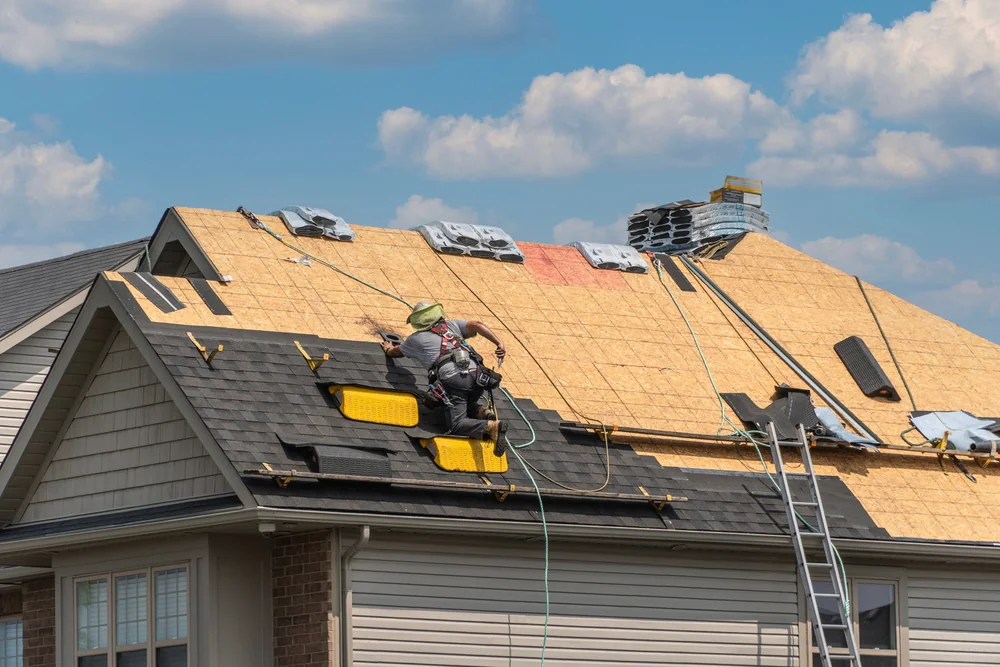
First, we come out and look at what you’re dealing with. Not a five-minute glance from the driveway—an actual assessment of your roof’s condition, the materials currently up there, and what’s causing problems. If you’re in the historic district, we’ll talk through what the commission requires before you spend a dime.
Once we know what needs to happen, you get a clear estimate. No surprises, no upselling. If your roof can be repaired instead of replaced, we’ll tell you. If it’s time for a full replacement, we’ll explain why and what your options are for materials that’ll last in this climate.
When the work starts, we handle everything—permits, material delivery, installation, cleanup. If we’re working with copper flashing or slate, we’re doing it right the first time. You’ll know the timeline upfront, and we’ll keep you updated if weather or anything else changes the schedule.
After the job’s done, you’ve got a roof that’s built for Newburyport. That means proper ventilation, corrosion-resistant components, and materials that won’t quit on you in five years.
Ready to get started?
You’re getting a full roof system, not just shingles slapped on top of whatever’s there. That includes tear-off of old materials, inspection of the decking for damage, replacement of any compromised wood, and installation of proper underlayment before anything else goes up.
We use Mule Hide and Owens Corning products because they hold up. For coastal homes, that means paying attention to metal components—copper for flashing and valleys when it makes sense, because it resists salt air better than aluminum or galvanized steel. If your home is in the historic district, we’ll match the architectural requirements and handle the commission paperwork.
Newburyport’s location means your roof faces conditions most inland homes never see. Constant moisture, salt spray, temperature swings, and wind exposure all affect how long your roof lasts. We account for that in material selection and installation methods. Your gutters, ventilation, and drainage all get addressed as part of the system, not as afterthoughts.
If you’re dealing with storm damage, we’ll prioritize stopping the leak first, then handle the insurance process and full repair. You’re not waiting three weeks with a tarp on your roof while water works its way into your walls.

Standard asphalt shingle roofs last 20 to 25 years in most climates. In Newburyport, you’re looking at the lower end of that range if the roof wasn’t installed with coastal conditions in mind.
Salt air is corrosive. It eats away at metal flashing, fasteners, and any exposed components faster than you’d see inland. If your roofer used standard galvanized nails and aluminum flashing, those are your weak points. They’ll fail before the shingles do.
The roof’s lifespan depends on material quality and installation. Copper flashing and stainless fasteners add cost upfront but extend the life of the entire system. Proper ventilation matters too—trapped moisture accelerates deterioration from the inside. If you want your roof to hit that 25-year mark in a coastal environment, you need someone who’s building for it from the start.
Architectural asphalt shingles are the most common choice because they balance cost, durability, and wind resistance. For coastal homes, you want shingles rated for high wind speeds—at least 110 mph, preferably higher. Owens Corning Duration and Mule Hide products both perform well here.
Metal roofing is another solid option. It handles salt air better than asphalt and lasts longer, but it costs more upfront. If you go metal, copper or aluminum are your best bets. Steel will rust unless it’s properly coated and maintained.
For historic homes, slate and copper are traditional materials that actually outlast modern options—slate can go 75 to 100 years if installed correctly. The catch is cost and the need for a contractor who knows how to work with it. Most crews don’t.
The real key isn’t just the shingles. It’s the underlayment, flashing, and fasteners. Cheap out on those, and your expensive shingles won’t matter. You need corrosion-resistant metals and high-quality underlayment that won’t break down in humidity.
Yes. Any roof replacement in Newburyport requires a building permit. Your contractor should handle that—it’s part of the job, not an extra.
If your home is in the Historic District, you’ll also need approval from the Newburyport Historic District Commission before work starts. That means submitting plans that show you’re using appropriate materials and maintaining the architectural character of the home. Slate, wood shakes, and certain shingle styles get approved. Bright white metal or materials that look out of place won’t.
The commission process adds time to your project—usually a few weeks. A contractor familiar with Newburyport knows what the commission looks for and can prepare the application correctly the first time. If you try to skip this step, you’ll be required to tear off the new roof and start over. That’s not hypothetical—it’s happened.
For homes outside the historic district, the permit process is straightforward. Your contractor pulls the permit, the building inspector checks the work when it’s done, and you’re cleared.
Most roof replacements in this area run between $9,000 and $30,000. The range depends on your roof’s size, pitch, material choice, and how much underlying damage exists.
A straightforward asphalt shingle replacement on a 1,500-square-foot ranch with easy access might land around $10,000 to $15,000. A larger colonial with multiple valleys, steep pitch, or a second story pushes costs higher. If you’re replacing slate or installing copper components, you’re looking at the upper end or beyond.
Coastal homes sometimes have hidden damage—rotted decking from years of moisture intrusion, compromised flashing, or ventilation issues that need fixing before the new roof goes on. You won’t know until the old roof comes off. We’ll inspect and give you a realistic estimate, but there’s always a chance you’ll need more work than expected.
Repairs cost less—anywhere from a few hundred dollars for a small leak to a few thousand for significant storm damage. If your roof is under 15 years old and the damage is localized, repair makes sense. Beyond that, you’re often better off replacing it.
Call someone immediately. Even a small leak can cause serious damage if water gets into your walls or attic. The longer you wait, the worse it gets—and the more expensive the fix becomes.
If you can safely get up there, put a tarp over the damaged area to stop water from coming in. If you can’t, don’t risk it. Call a roofing contractor who handles emergency repairs. We prioritize those calls because stopping the damage quickly is critical.
Once the immediate problem is handled, document everything. Take photos of the damage, the interior water intrusion, and any belongings that got damaged. If you’re filing an insurance claim, you’ll need that documentation. We can work with your insurance adjuster to assess the damage and provide a repair estimate.
Most homeowner’s insurance covers storm damage, but you’ll need to file the claim quickly. Some policies have time limits. We can walk you through what the insurance company will want to see and what’s typically covered versus what’s not.
Age is the first indicator. If your roof is over 20 years old and you’re seeing problems, replacement usually makes more sense than repair. You’re not just fixing one issue—you’re buying time before the next thing fails.
Look for curling, cracked, or missing shingles. A few damaged shingles can be replaced. Widespread deterioration means the whole roof is near the end of its life. Check your attic for light coming through the roof boards or water stains on the wood. Both are signs of serious problems.
If you’re seeing granules from the shingles collecting in your gutters, that’s wear. Shingles lose granules as they age, and once they’re gone, the asphalt underneath breaks down fast. Sagging areas or a roof that looks uneven means structural issues—that’s not a repair, that’s a replacement.
We’ll tell you honestly whether repair or replacement is the right call. If someone’s pushing a full replacement on a roof that’s ten years old with minor damage, get a second opinion. If someone’s suggesting you patch a 25-year-old roof that’s failing in multiple spots, same thing.
Other Services we provide in Newburyport