Hear from Our Customers
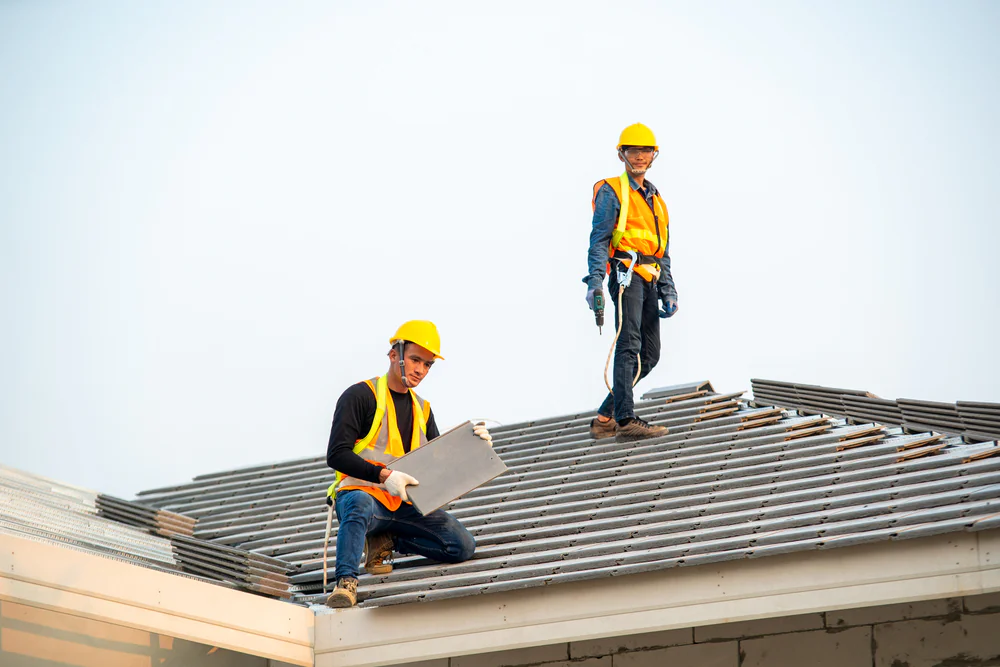
You’re not just paying for shingles. You’re paying for the ability to sleep through the next ice storm without wondering if water’s pooling in your attic. You’re investing in a roof that handles the hail that shows up every summer and the freeze-thaw cycles that crack lesser materials by February.
New Hampshire weather isn’t gentle. FEMA has made 15 major disaster declarations here in the last decade, and almost half involved severe storms and flooding. Your roof is the first line of defense against all of it.
When we handle your roof repair or replacement, you get materials built for this climate and installation that accounts for ice dams, wind uplift, and the kind of weather that makes your neighbors nervous. You also get a roofing contractor who’s been doing this since 2012 and holds Owens Corning Preferred Contractor status, which means we meet requirements most companies don’t bother with.
We started Paradise Remodeling Inc as a home improvement company serving Massachusetts and New Hampshire. Over the years, we’ve handled hundreds of roofs across Hillsborough County, including plenty in Mont Vernon where the homes are older and the weather doesn’t give you a break.
We’re an Owens Corning Preferred Contractor, which isn’t just a badge. It means we meet strict standards for training, customer service, and warranty coverage. We also work with Mule Hide Roofing products because they hold up in conditions like yours.
Mont Vernon homeowners deal with ice dams, wind damage, and the occasional hailstorm that cracks shingles and dents flashing. We’ve seen it all, fixed it all, and we know what actually works when the next storm hits.
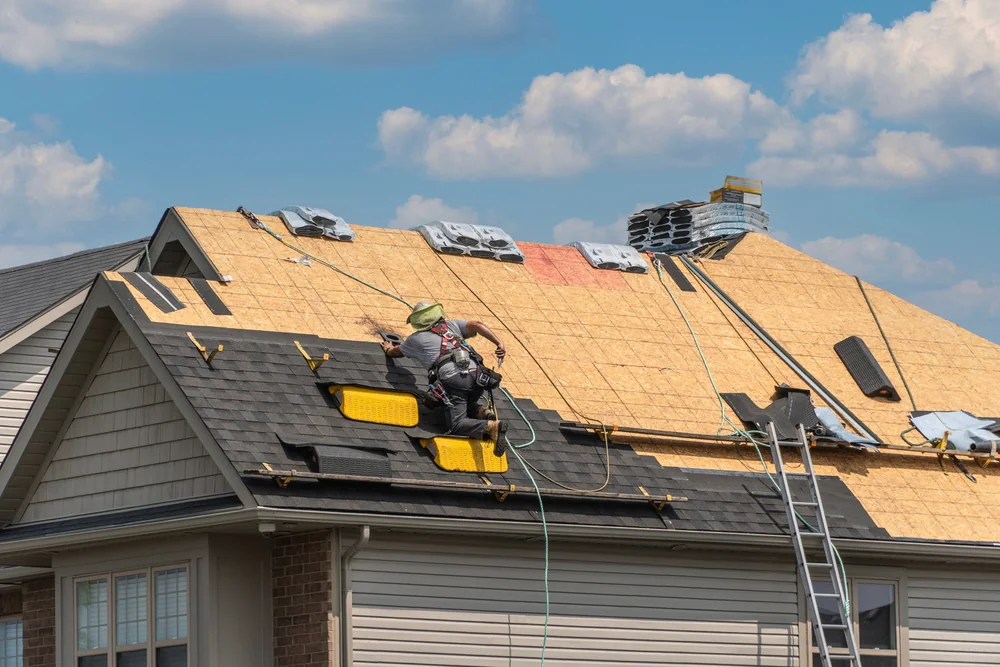
First, we come out and inspect your roof. Not a quick glance from the driveway—we get up there and check for damage you can’t see from the ground. Hail dimples, cracked flashing, worn valleys, early signs of ice dam damage. We take photos and walk you through what we find.
Then we give you an estimate that breaks down materials, labor, and timeline. No surprise fees later. If you’re dealing with storm damage, we can work directly with your insurance company to handle the claim process.
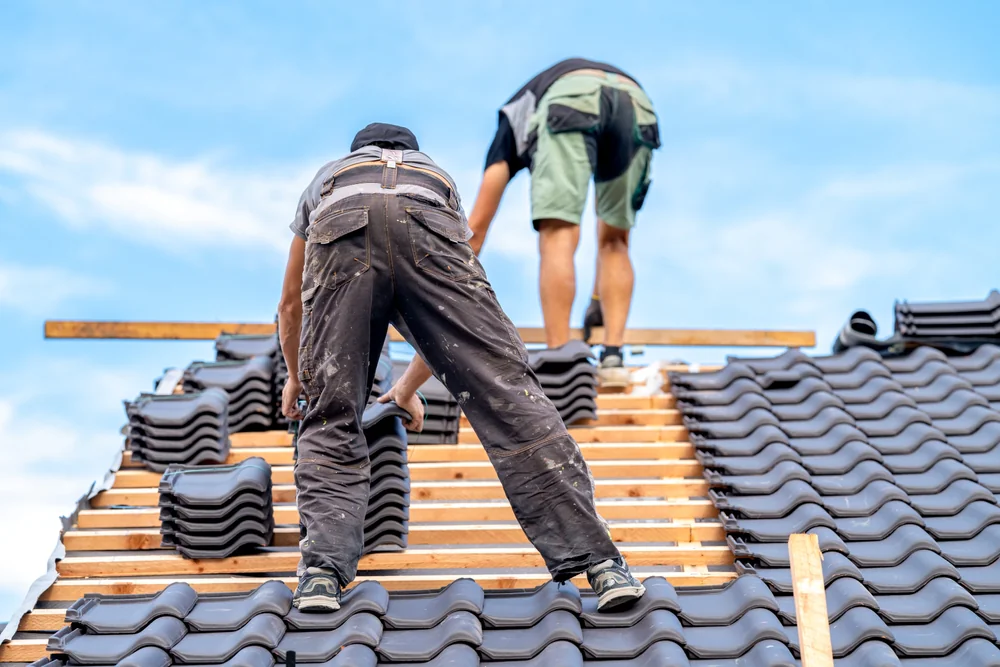
Once you approve the work, we schedule the job and assign a crew. Most residential roof replacements in Mont Vernon take two to three days depending on size and pitch. We protect your landscaping, handle tearoff and disposal, install new underlayment and shingles, replace any damaged flashing or vents, and clean up when we’re done.
You get a walkthrough at the end so you can see the work up close. Then we provide warranty information for both materials and labor so you’re covered if anything comes up.
Ready to get started?
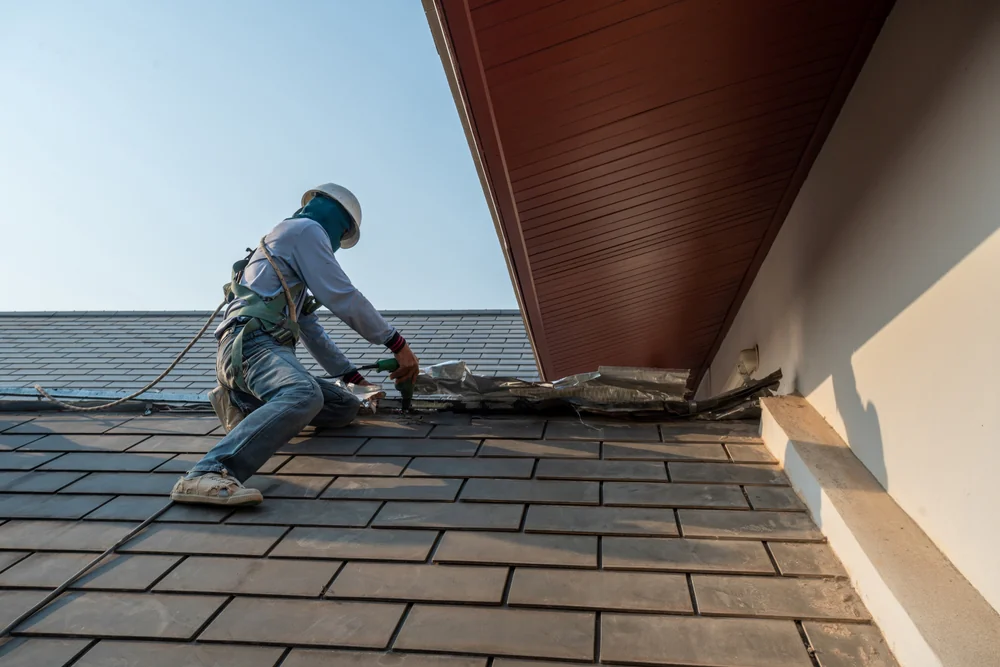
We handle full roof replacements, but we also do repairs when that’s all you need. Missing shingles after a windstorm, flashing that’s pulling away, small leaks that haven’t turned into big problems yet—sometimes a repair saves you years before you need a full replacement.
For Mont Vernon homes, ice dam prevention is a big part of roof maintenance. We check your attic ventilation and insulation because that’s usually where ice dams start. Warm air escaping into your attic melts snow on the roof, and that water refreezes at the edges where it’s colder. That’s how you get ice dams, and that’s how you get water backing up under your shingles and into your house.
We also inspect and repair chimneys, skylights, and gutter systems because they all affect how your roof performs. A leaking skylight or clogged gutter can cause as much damage as a bad shingle. New Hampshire homes—especially the older ones common in Mont Vernon—need regular roof inspections to catch problems before they get expensive. Most homeowners don’t realize their roof is failing until they see water stains on the ceiling, and by then the damage is already serious.

Most homeowners in Mont Vernon spend between $8,000 and $15,000 for a complete roof replacement, but your actual cost depends on your roof’s size, pitch, and how many stories your house has. A steep roof or a home with multiple levels takes longer and requires more safety equipment, which increases labor costs.
Material choice also affects price. Architectural shingles cost more than three-tab shingles but last longer and handle New Hampshire weather better. If you’re replacing damaged decking or adding ice and water shield in valleys and eaves, that adds to the total but prevents future problems.
We give you a detailed estimate before any work starts so you know exactly what you’re paying for. If you’re filing an insurance claim for storm damage, we can work with your adjuster to make sure the estimate covers everything that needs fixing.
If the damage is localized—a few missing shingles, one section of flashing that’s pulled away, a small leak in one spot—a repair usually makes sense. But if your roof is over 20 years old, has widespread shingle damage, or you’re seeing multiple leaks, replacement is probably the better investment.
Asphalt shingles typically last 20 to 25 years in New Hampshire’s climate. If your roof is approaching that age and you’re starting to see granule loss, curling edges, or cracked shingles, you’re likely within a few years of needing replacement anyway. Spending money on repairs at that point just delays the inevitable.
We’ll inspect your roof and tell you honestly whether a repair will hold or if you’re throwing money at a roof that’s already failing. A lot of homes in Mont Vernon were built or re-roofed during the 2000s housing boom, which means those roofs are hitting the end of their lifespan right now.
Don’t get up there with a hammer or heat gun. You’ll damage your shingles or hurt yourself. Ice dams form when heat escaping from your attic melts snow on your roof, and that water refreezes at the roof’s edge where it’s colder. The ice builds up and creates a barrier that forces water back under your shingles.
The immediate fix is to remove the snow from your roof using a roof rake, which reduces the amount of melting happening in the first place. If you already have an ice dam and water is leaking inside, call us so we can safely remove the ice without damaging your roof.
The long-term fix is improving your attic insulation and ventilation so heat stops escaping in the first place. We check both during roof inspections because ice dams are a recurring problem in New Hampshire, and they cause serious water damage if you don’t address the root cause. Most homeowners don’t realize their insulation is the problem—they just see ice and assume it’s normal.
Most residential roof replacements take two to three days from start to finish. Day one is tearoff and prep—removing old shingles, inspecting and repairing the decking, and installing underlayment. Day two is shingle installation, flashing, and ridge vents. Day three is cleanup, final inspection, and walkthrough.
Weather can delay things. We don’t install roofs in the rain or when temperatures drop below freezing because the shingles won’t seal properly. New Hampshire weather is unpredictable, so we build some flexibility into the schedule.
If your roof is particularly steep, has multiple levels, or requires significant decking repair, it might take an extra day or two. We’ll give you a timeline upfront and keep you updated if anything changes. The goal is to get your roof weather-tight as quickly as possible without rushing the work.
It depends on what caused the damage and what your policy covers. Wind and hail damage are typically covered under most homeowners insurance policies in New Hampshire, but you’ll need to file a claim and have an adjuster inspect the damage. Normal wear and tear isn’t covered—insurance pays for sudden, unexpected damage, not roofs that are just old.
If a storm damaged your roof, document everything with photos before you make temporary repairs. Then call your insurance company to start a claim. We can meet with the adjuster, provide a detailed estimate, and point out damage they might miss. Insurance companies sometimes lowball estimates or deny claims that should be covered, and having a roofing contractor who knows what to look for helps.
Storm-related claims in New Hampshire average around $15,000, and wind and hail damage account for more than half of all claims. If your roof was damaged in a recent storm, don’t wait—file the claim quickly because most policies have time limits for reporting damage.
You should have your roof inspected at least once a year, ideally in the spring after winter weather has done its damage. New Hampshire winters are hard on roofs—ice dams, freeze-thaw cycles, heavy snow loads, and wind all take a toll. An annual inspection catches small problems before they turn into expensive repairs.
You should also inspect your roof after any major storm, especially if you had high winds or hail. Hail damage doesn’t always show up as obvious holes—it can look like small dimples or bruising on the shingles that compromise their ability to shed water. Wind can lift shingles just enough to break the seal without tearing them off completely.
If your roof is over 15 years old, consider inspecting it twice a year. Older roofs fail faster, and catching issues early can extend the life of your roof by a few years. Most damage happens quietly and goes unnoticed until water starts leaking inside, and by then you’re looking at interior repairs on top of roof repairs.
Other Services we provide in Mont Vernon