Hear from Our Customers
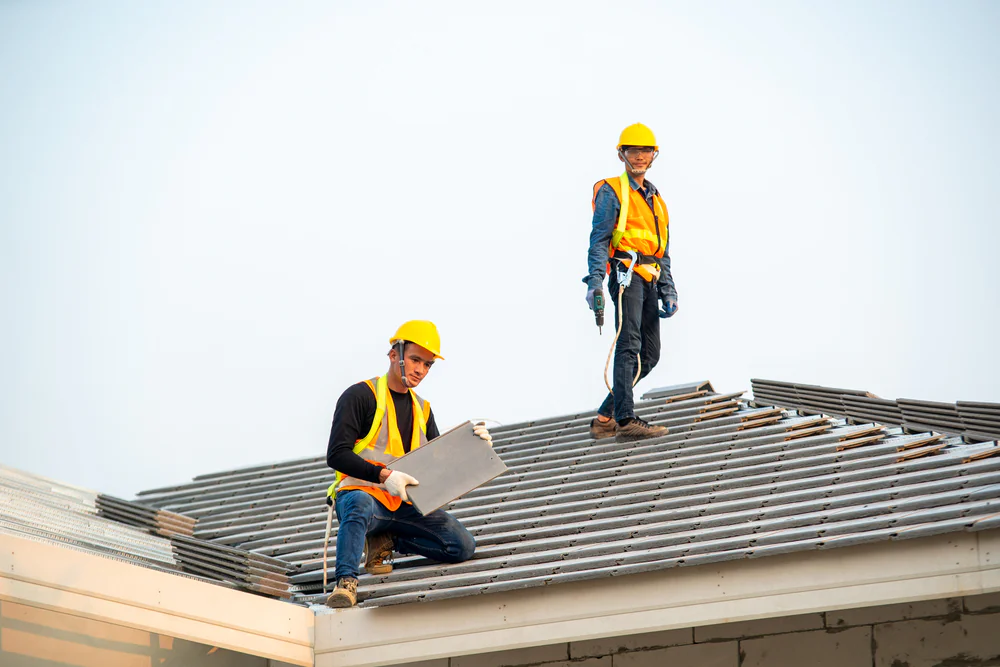
You’re not just looking for shingles. You need a roof that stands up to ice dams in February, doesn’t leak during spring storms, and actually lasts through the freeze-thaw cycles that destroy cheaper work in three years.
That’s what proper roofing services in Medford, MA should deliver. Materials rated for New England weather. Installation that accounts for snow load and thermal shock. And a contractor who shows up when your insurance adjuster does.
When your roof works the way it should, you stop worrying every time the forecast calls for heavy snow. You’re not climbing into the attic with a flashlight after every storm. And you’re definitely not paying for the same repair twice because someone cut corners the first time.
We’ve worked in Medford long enough to know exactly what your roof deals with. The ice dams that form on north-facing slopes. The way summer storms roll through and test every flashing detail. The weight of wet snow in March that makes you wonder if your roof can handle it.
We’re an Owens Corning® Preferred Contractor, which means we meet requirements most roofers don’t qualify for. We’re licensed and insured in Massachusetts. And we’ve been doing this since 2006—long enough that we’ve seen what holds up and what fails.
You’ll get material receipts with your estimate. You’ll know exactly what’s going on your roof and what it costs. No surprises, no upselling, no pressure.
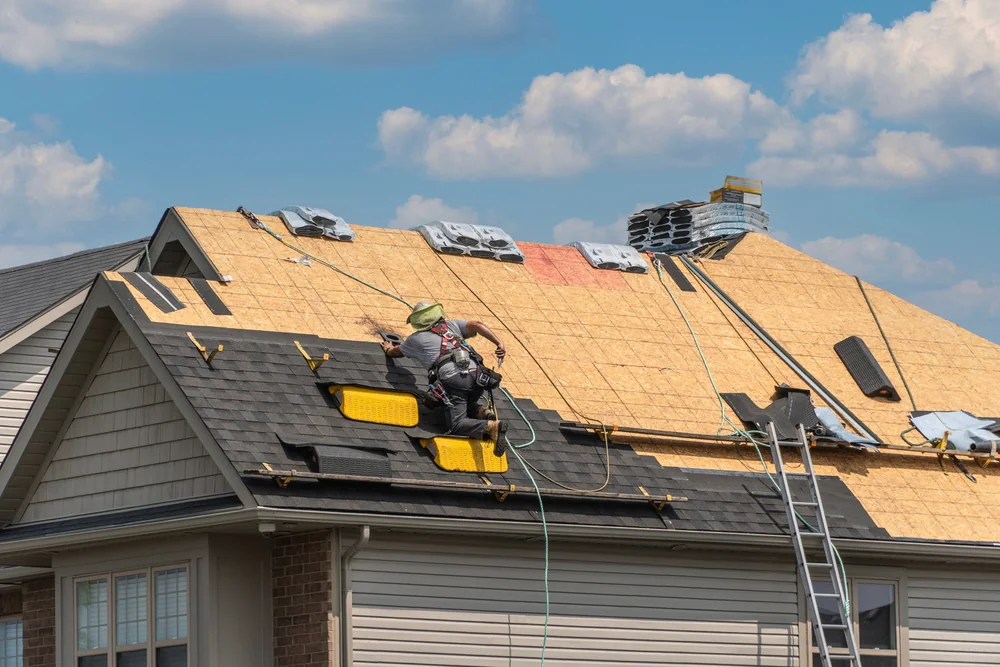
First, we come out and actually look at your roof. Not a quick glance from the driveway—we’re talking about a real inspection that tells you what’s wrong, why it’s wrong, and what it’ll take to fix it right.
You get a written estimate that breaks down materials and labor separately. We’ll show you options: what’s necessary now, what can wait, and what makes sense for your budget and how long you plan to stay in the house.
Once you’re ready to move forward, we handle the permits, order materials directly from our suppliers, and schedule the work around your life—not ours. During the job, we protect your property, work efficiently, and clean up completely when we’re done.
After installation, you’ll have documentation for your insurance company, warranty information for your materials, and a roof that’s built to handle whatever Medford weather throws at it next.
Ready to get started?
You’re getting materials that make sense for Massachusetts. That means roofing systems rated for freeze-thaw cycles, proper ventilation to prevent ice dams, and underlayment that handles the 43 inches of rain Medford gets every year.
We install Owens Corning and Mule Hide products—both built for durability in climates like ours. These aren’t the cheapest options at the big box store. They’re the ones that last 20-plus years instead of needing repairs every few seasons.
Our roof maintenance and repair services cover everything from emergency leak repairs after storms to full replacements when your roof hits the end of its lifespan. We also help with insurance claims if you’ve got storm damage—hail, wind, fallen branches, whatever caused the problem.
Medford homes deal with specific challenges. The temperature swings between summer and winter cause thermal shock that weakens connection points. Heavy snow creates load issues, especially on older homes. And ice dams are practically guaranteed without proper attic insulation and ventilation. We account for all of it.

Most roof replacements in Medford run between $8,000 and $25,000 depending on size, pitch, material choice, and how much repair work the decking needs underneath. A typical 2,000 square foot home with architectural shingles usually lands in the $12,000-$16,000 range.
Here’s what affects that number: Asphalt shingles cost less upfront but need replacement sooner. Metal roofing costs more initially but lasts 40-50 years in New England weather. If your roof has multiple valleys, dormers, or a steep pitch, labor costs go up because the work takes longer and requires more safety equipment.
The decking matters too. If we pull off your old shingles and find rotted plywood underneath, that needs replacement before new materials go down. Same with flashing around chimneys and skylights—if it’s compromised, it gets replaced or you’ll have leaks within a year.
We give you a detailed estimate that breaks down materials and labor separately, so you know exactly where your money goes. No hidden fees, no surprise charges when we’re halfway through the job.
It depends on what caused the damage and how old your roof is. Insurance typically covers storm damage—wind, hail, falling trees, ice dams that cause leaks. But if your roof is just old and worn out, that’s considered maintenance and you’re paying out of pocket.
Most insurance companies won’t cover roofs older than 20 years for anything except sudden, accidental damage. If your roof is 25 years old and starts leaking, they’ll likely deny the claim because it’s past its expected lifespan. But if a tree falls on that same roof during a storm, they’ll cover it.
Here’s where it gets tricky: insurance adjusters sometimes lowball damage assessments. They’ll say you need a repair when you actually need a replacement, or they’ll miss secondary damage that isn’t obvious from the ground. We’ve worked with plenty of adjusters and can walk your property with them to make sure nothing gets overlooked.
If you’ve got storm damage, call us before you file a claim. We’ll document everything, take photos, and give you an honest assessment of what’s covered and what’s not. Then you can decide whether filing makes sense based on your deductible.
Ice dams form when heat escapes through your roof, melts snow at the peak, and that water refreezes at the colder eaves. The ice builds up, traps more water behind it, and eventually that water backs up under your shingles and into your house.
The real fix isn’t something you do to your roof—it’s about your attic. You need proper insulation on the attic floor to keep heat inside your house, and you need ventilation at the soffits and ridge to keep the roof deck cold. When the entire roof stays cold, snow doesn’t melt unevenly and ice dams don’t form.
Roof rakes help in the short term. After heavy snow, you can pull snow off the lower three feet of your roof to reduce the melt-freeze cycle. But that’s treating the symptom, not fixing the cause.
We check attic insulation and ventilation during roof inspections because it directly affects how long your roof lasts. If you’re getting ice dams every winter, your attic needs work. We can handle that as part of a roof replacement or as a separate project if your shingles still have life left.
Most residential roof replacements take two to four days depending on size, weather, and how much repair work we find once the old materials come off. A straightforward ranch with good decking underneath might be done in two days. A larger colonial with multiple valleys and some rotted decking could take four.
Weather delays are real in Massachusetts. We can’t install shingles in rain, and we won’t work on your roof when it’s icy or during high winds. If the forecast looks bad mid-project, we’ll tarp everything securely and resume when conditions improve. Your house stays protected—we’re just not rushing through installation in unsafe conditions.
Here’s the typical timeline: Day one, we tear off old shingles, inspect and repair decking, install underlayment, and start shingling. Day two, we finish shingles, install ridge vents, handle all flashing, and clean up completely. Larger or more complex roofs add days, but the process stays the same.
You can stay in your house during the work. It’s loud when we’re tearing off old materials, but it’s not dangerous and you don’t need to leave. We protect your landscaping, cover anything near the house that could get damaged, and use tarps to catch debris.
Architectural asphalt shingles are the most common choice in Medford because they balance cost, durability, and performance in New England weather. Quality architectural shingles last 25-30 years here if they’re installed correctly with proper underlayment and ventilation.
Metal roofing is gaining popularity for good reason—it sheds snow instead of holding it, lasts 40-50 years, and handles freeze-thaw cycles better than any other material. The upfront cost is roughly double asphalt, but you’ll never replace it again. It also helps with ice dams because snow slides off before it can melt and refreeze.
Avoid three-tab shingles. They’re cheaper initially, but they don’t hold up to wind and temperature swings as well as architectural shingles. You’ll be replacing them in 15-20 years instead of 25-30, which means you’re not actually saving money.
The underlayment matters as much as the shingles. We use synthetic underlayment rated for water resistance and tear strength—not the cheap felt paper that degrades in five years. And we install ice and water shield at the eaves and valleys where leaks are most likely to start. These details determine whether your roof lasts its full lifespan or needs repairs halfway through.
If your roof is under 15 years old and you’ve got isolated damage—missing shingles from wind, a small leak around a chimney, damaged flashing—repairs usually make sense. If your roof is over 20 years old or you’re seeing problems in multiple areas, replacement is probably the smarter move financially.
Here’s what we look for during inspections: curling or cupping shingles mean the material is breaking down from age and UV exposure. Granule loss—those sandy bits in your gutters—means your shingles are wearing out and losing their protective coating. Daylight visible through your roof deck from the attic means you’ve got holes that need immediate attention.
Multiple leaks are a red flag. One leak might be a flashing issue. Three leaks in different areas means your roof is failing systemically, and patching won’t solve the underlying problem. You’ll just keep paying for repairs until you finally replace it anyway.
We’ll give you an honest assessment. If repairs buy you another five years and you’re planning to sell, we’ll tell you that. If your roof is barely hanging on and a replacement makes more sense, we’ll tell you that too. You’ll get photos, a written explanation of what we found, and a clear recommendation based on the actual condition—not what makes us the most money.
Other Services we provide in Medford