Hear from Our Customers
You shouldn’t have to wonder if your roof can handle the next storm. You shouldn’t be climbing ladders after every nor’easter to check for damage. And you definitely shouldn’t be dealing with surprise leaks that turn into ceiling stains and mold problems.
A solid roof does more than keep rain out. It protects your insulation, keeps your energy bills reasonable, and gives you actual peace of mind when the forecast looks ugly. In Marblehead, where salt air corrodes metal flashing faster and coastal winds test every shingle, your roof needs to be more than adequate—it needs to be built right.
That’s what happens when someone who knows this area handles the work. You get a roof that’s designed for the weather you actually face, installed correctly the first time, and backed by people who’ll still pick up the phone years later if you have questions.
We’ve been handling roofs on the North Shore for nearly two decades. We’re based in Methuen, and we’ve worked on enough Marblehead homes to know exactly what coastal exposure does to roofing systems over time.
We’re an Owens Corning Preferred Contractor, which means we meet their standards for installation quality and customer service. We’re licensed, insured, and we don’t disappear after the job’s done. If you call us three years later with a question, we’ll answer.
Most of our work comes from referrals. That happens when you show up on time, do what you said you’d do, and don’t leave people guessing about what’s happening with their project. Marblehead homeowners deal with enough—historic preservation rules, coastal building codes, insurance requirements. Your roofer shouldn’t add to that list.
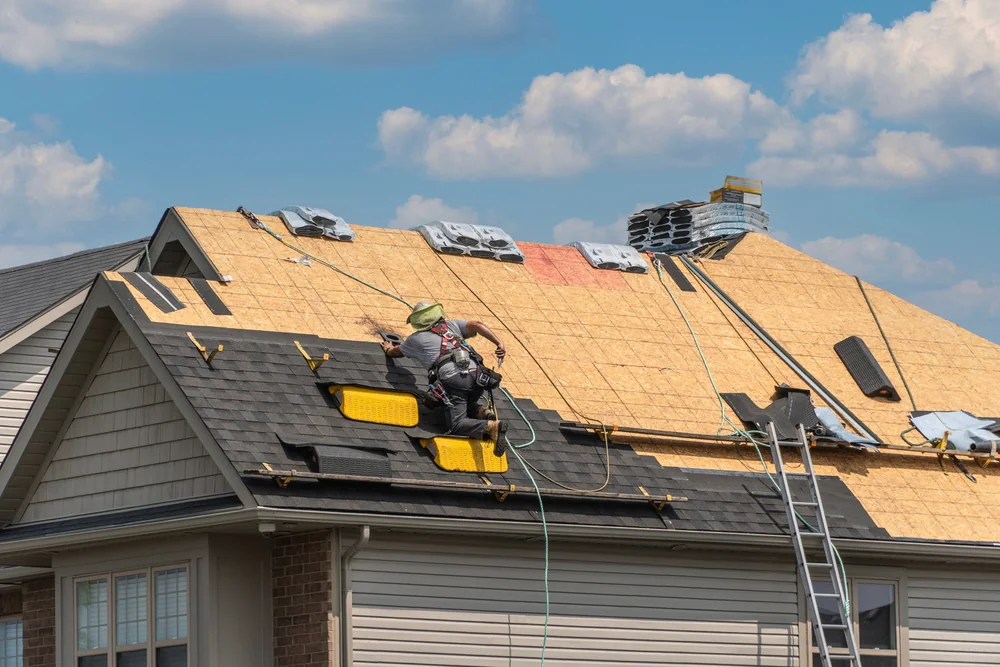
It starts with an inspection. We come out, get on the roof, and look at what’s actually happening—not what you think might be happening. We check shingles, flashing, ventilation, underlayment, and any areas where water tends to collect or wind tends to hit hardest.
Then we give you a real estimate. Not a ballpark guess, not a “we’ll figure it out later” number. You’ll know what the work costs, what materials we’re using, and how long it’ll take.
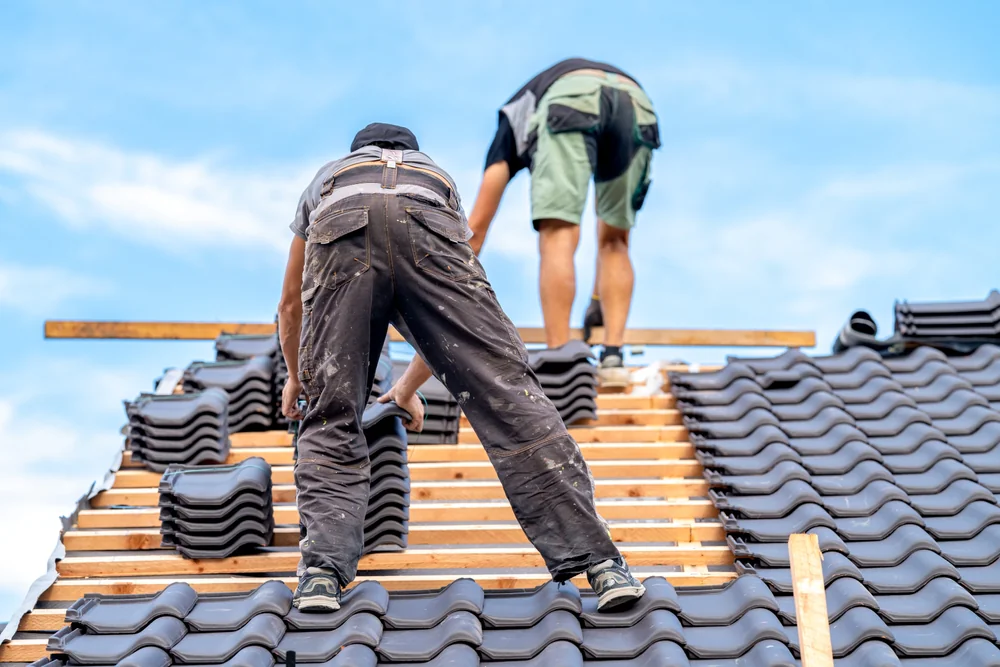
Once we start, we protect your property. Tarps go down, debris gets managed daily, and we don’t leave your yard looking like a construction zone at the end of each day. The old roof comes off, any damaged decking gets replaced, new underlayment goes down, and then the new roof gets installed according to manufacturer specs—not shortcuts.
After we’re done, we walk the property with you. We show you what we did, answer your questions, and make sure you’re clear on your warranty. Then we clean up completely and leave you with a roof that’s ready for whatever weather comes next.
Ready to get started?
We handle full roof replacements, storm damage repairs, leak repairs, and roof inspections. If you’re buying a home in Marblehead or your insurance company is asking questions about your roof’s condition, we’ll give you a detailed assessment that actually means something.
For replacements, we use quality materials designed for coastal conditions—Owens Corning, Mule Hide, and other brands that hold up against salt air and high winds. We replace damaged decking, install proper ventilation, and make sure your flashing is sealed correctly around chimneys, skylights, and roof penetrations. Those details matter more here than in other parts of Massachusetts.
If you’ve got an older home with specific architectural requirements, we know how to work within those constraints. Marblehead has plenty of historic properties, and we’ve handled enough of them to understand what’s required to preserve the look while upgrading the protection.
We also help with insurance claims. If you’ve had storm damage, we document everything, provide the details your insurance company needs, and work with adjusters who sometimes try to lowball coastal wind damage. Most policies in Massachusetts cover wind and hail damage, but getting them to pay what they should takes documentation and persistence.

If your roof is over 20 years old, you’re probably looking at replacement. Asphalt shingles last 20-25 years in ideal conditions, but coastal exposure here in Marblehead shortens that timeline. Salt spray breaks down shingle adhesives faster, and constant wind stress causes granule loss and curling.
Look for these signs: multiple shingles that are cracked, curling, or missing granules. Dark streaks or discoloration across large sections. Daylight visible through roof boards from your attic. Sagging areas that indicate decking damage underneath.
If the damage is isolated—a few shingles blown off after a storm, flashing that’s come loose around a chimney, or a small leak in one area—repair makes sense. But if you’re seeing widespread wear or your roof is past its expected lifespan, repairs become a temporary fix. You’ll spend money now and still need a replacement within a few years. Most people in that situation choose to replace and be done with it.
For a typical Marblehead home, you’re looking at $15,000 to $30,000 for a complete roof replacement. That range depends on your roof size, pitch, complexity, and the materials you choose.
A straightforward ranch with a simple roofline and standard architectural shingles sits at the lower end. A two-story colonial with multiple roof planes, chimneys, skylights, and premium materials pushes toward the higher end. Steeper pitches require more safety equipment and labor time, which increases cost.
Coastal homes sometimes need additional underlayment protection and corrosion-resistant flashing materials, which add to the total. If we find rotted decking once the old roof comes off—common in older homes where leaks went unnoticed—that’s additional material and labor.
The cheapest bid isn’t usually the best value. If someone’s significantly lower than everyone else, they’re either cutting corners on materials, skipping proper underlayment, or planning to rush the job. You’re better off paying fair price for work that’s done right and backed by a real warranty.
Most residential roof replacements in Marblehead take 2-4 days. A simple ranch might be done in two days. A larger colonial with a complex roofline might take four.
Weather affects the timeline. We don’t install roofs in rain or high winds, and we won’t rush a job just to meet an arbitrary deadline if conditions aren’t right. Shingles need to seal properly, and that doesn’t happen if they’re installed in cold, wet, or windy conditions.
The process moves in stages. Day one is usually tear-off and inspection—removing the old roof and checking the decking underneath. If we find damage, we replace those sections before moving forward. Then we install underlayment and start the new shingles. Final day includes finishing details, flashing work, cleanup, and a final walkthrough.
We work full days and don’t leave your roof exposed overnight. If weather interrupts the job, we tarp everything securely. You won’t come home to an open roof or a yard full of debris at the end of each day.
Most Massachusetts homeowners insurance policies cover wind and hail damage, but coverage depends on what caused the damage and how old your roof is. If a storm blew shingles off or hail caused visible impact damage, that’s typically covered minus your deductible.
Here’s where it gets tricky: insurance companies often reduce payouts based on your roof’s age. They’ll calculate “actual cash value” instead of replacement cost, meaning they factor in depreciation. A 15-year-old roof might only get 50% of replacement cost covered, leaving you to pay the difference.
Coastal areas like Marblehead sometimes have separate windstorm or hurricane deductibles that are calculated as a percentage of your home’s value—usually 1-5%. On a $500,000 home, that’s $5,000 to $25,000 out of pocket before insurance pays anything.
We help with the claims process. We document damage, provide detailed estimates, and deal with adjusters who sometimes try to minimize storm damage or claim it’s just “wear and tear.” If you’ve had recent storm damage, call us before you file a claim. We’ll inspect the damage and tell you honestly whether filing makes sense or if the repair cost is close to your deductible anyway.
Architectural asphalt shingles are the most common choice for Marblehead homes, and they perform well if they’re installed correctly with proper underlayment. Look for shingles rated for high wind resistance—at least Class H (150 mph). Owens Corning Duration and similar products are designed for coastal conditions.
Metal roofing has become more popular here, especially after recent storm seasons. Metal handles salt air better than asphalt, doesn’t absorb water, and can last 40-50 years. The upfront cost is higher—roughly double what asphalt costs—but you’re looking at it as a long-term investment. Metal also sheds snow and ice better, which matters during New England winters.
Whatever material you choose, the underlayment and flashing matter just as much as the shingles themselves. Synthetic underlayment provides better water protection than traditional felt paper. Stainless steel or copper flashing resists coastal corrosion far better than galvanized steel, which rusts quickly in salt air.
Avoid the cheapest 3-tab shingles. They’re thin, they don’t seal as well in wind, and they wear out faster. You’ll save a few thousand dollars now and regret it in 10 years when you’re replacing the roof again.
Get your roof inspected every 3-5 years if it’s in good condition, and every 1-2 years if it’s over 15 years old. Coastal exposure accelerates wear, and small problems turn into expensive problems faster here than inland.
You should also inspect after any major storm—nor’easters, hurricanes, or severe thunderstorms with high winds or hail. Even if you don’t see obvious damage from the ground, wind can lift shingles just enough to break the seal, and you won’t know until the next rain causes a leak.
Look for these warning signs between inspections: shingle granules collecting in your gutters (means the shingles are breaking down), dark streaks or stains on your ceiling inside, missing or damaged shingles visible from the ground, or sagging areas on the roofline.
If you’re buying a home in Marblehead, get an independent roof inspection even if the general home inspection didn’t flag major issues. Home inspectors don’t always catch early-stage problems, and roof age matters for insurance coverage. Some insurers won’t cover homes with roofs over 20 years old, or they’ll exclude roof damage from the policy entirely.
Other Services we provide in Marblehead