Hear from Our Customers
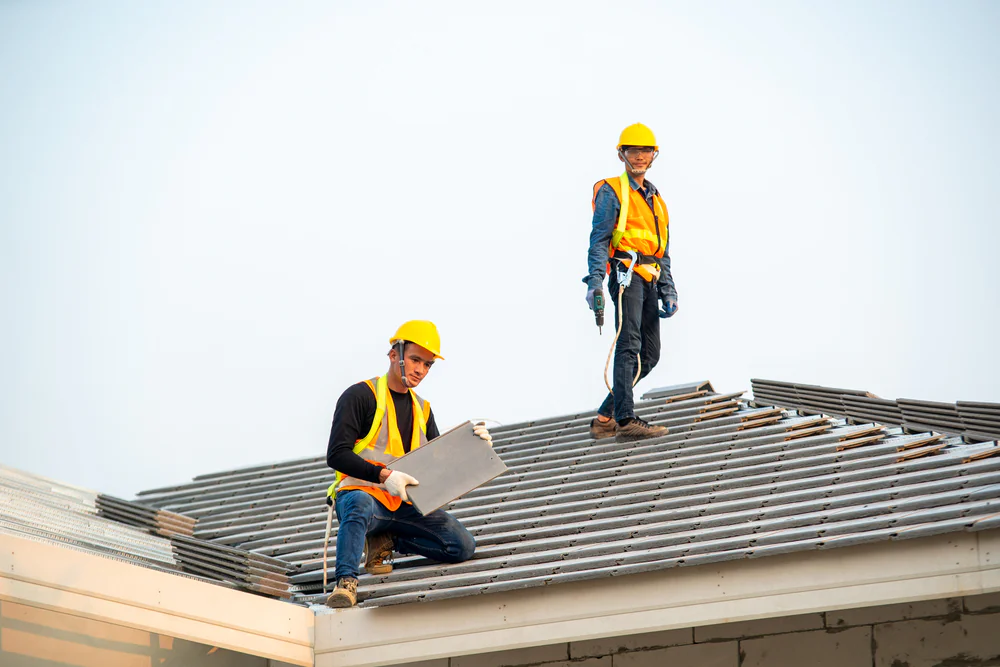
No more wondering if water’s getting in. No more watching ice build up at your eaves while you cross your fingers. A roof that works means you stop thinking about your roof.
That’s what matters. You’re not lying awake during storms or climbing up there with binoculars after every winter. Your attic stays dry. Your energy bills don’t spike because heat’s escaping through gaps you didn’t know existed.
When your roof is installed correctly for this climate—with proper ventilation, the right materials, and attention to how Massachusetts weather actually behaves—it just does its job. You get back to your life. That’s the outcome worth paying for.
We work throughout Ipswich and Essex County as an Owens Corning Preferred Contractor. That certification isn’t handed out—it requires meeting strict standards for quality and reliability, and we maintain it because we actually follow through.
We’ve seen what happens when roofs aren’t built for New England. Ice dams from poor insulation. Shingles that crack because someone didn’t account for thermal shock. Leaks that start small and cost big because the flashing was never done right.
Ipswich homes—especially the older ones near the coast—deal with salty air, humidity, and temperature swings that most roofers don’t think about. We do, because we’ve been fixing the mistakes and preventing the problems long enough to know what works here.
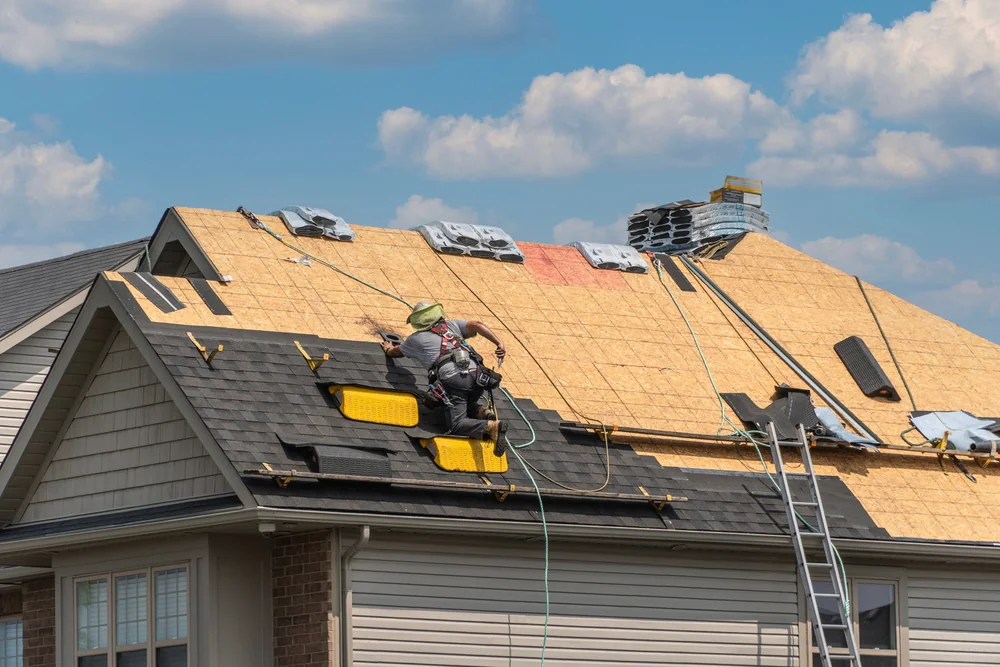
We start with an inspection—not a sales pitch. You get a clear assessment of what’s wrong, what’s at risk, and what actually needs attention. No upselling. No scare tactics.
If you move forward, we walk you through material options that make sense for your home and budget. We’re talking about how different shingles handle temperature swings, what ventilation setup prevents ice dams in your attic configuration, and how flashing details matter on a coastal property. Real specifics.
During installation, we’re handling permit requirements, protecting your property, and making sure the work meets Massachusetts building codes. Our crews show up when scheduled, communicate if anything changes, and clean up completely when finished.
After the job, you’re not left guessing. We explain what we did, what to watch for, and when maintenance matters. You’ll have documentation, warranty information, and a roof that’s built to last through New England winters without constant babysitting.
Ready to get started?
Every roofing project starts with understanding your specific situation. Ipswich homes face unique challenges—coastal salt air accelerates corrosion, historic properties need materials that match architectural integrity, and our temperature swings are brutal on roofing systems.
We handle full roof replacements when the system’s reached end-of-life, typically around 15-20 years for asphalt shingles in this climate. That includes tearing off old materials, inspecting and replacing damaged decking, installing proper underlayment and ice-water barriers, and ensuring ventilation prevents future ice dam formation.
For repairs, we’re addressing storm damage, leak sources, and wear before small problems become expensive ones. That means flashing repairs around chimneys and valleys, shingle replacement in damaged sections, and fixing ventilation issues that cause premature aging.
Maintenance services include inspections that catch problems early—loose or missing shingles, deteriorating flashing, clogged drainage, and insulation issues that lead to ice dams. In Massachusetts, catching these early saves thousands compared to emergency repairs after water’s already inside.
Most full roof replacements in Ipswich run between $8,000 and $25,000 depending on size, pitch, material choice, and complexity. A typical 2,000 square foot home with standard asphalt shingles usually falls in the $12,000-$18,000 range.
What drives cost up? Steep pitch increases labor time and safety requirements. Multiple valleys, chimneys, and skylights add complexity. Removing multiple layers of old roofing costs more than a single layer tearoff. And if your decking has rot or damage underneath, that needs replacement before new shingles go on.
Material choice matters too. Architectural shingles cost more than three-tab but last longer and look better. Metal roofing runs higher upfront but can last 40-50 years with minimal maintenance. For historic Ipswich homes, you might need specific materials to maintain character—that affects pricing.
Get a detailed written estimate that breaks down materials, labor, disposal, and any structural repairs. The cheapest bid usually means shortcuts somewhere—inadequate ventilation, skipped ice barriers, or rushed work that won’t hold up to Massachusetts weather.
Ice dams form when heat escapes through your attic, melts snow on your roof, and that water refreezes at the cold eaves. The ice builds up, traps more water behind it, and eventually forces water under your shingles and into your home.
The root cause is almost always inadequate attic insulation and ventilation. Heat from your living space rises into the attic, warms the roof deck, and starts the melt-freeze cycle. Proper insulation keeps that heat in your home where it belongs. Proper ventilation keeps your attic cold so snow doesn’t melt unevenly.
Prevention means addressing both. You need sufficient insulation—Massachusetts code requires R-49 in attics for new construction, and existing homes should get as close as possible. You also need balanced ventilation with intake vents at soffits and exhaust at the ridge so cold air circulates and keeps everything uniformly cold.
During installation, we add ice and water barriers at eaves and valleys—these self-sealing membranes prevent water infiltration even if ice dams form. But the real fix is stopping them from forming in the first place through proper insulation and airflow.
Asphalt shingles typically last 15-25 years in Massachusetts, but our climate is harder on roofs than manufacturer estimates suggest. Constant temperature fluctuations cause thermal shock—materials expand and contract repeatedly, accelerating wear on shingles, flashing, and connection points.
Three-tab shingles usually hit 15-18 years before needing replacement. Architectural shingles can reach 20-25 years if installed correctly with proper ventilation. Metal roofing lasts 40-50 years and handles temperature swings better, though upfront cost is higher.
What shortens lifespan? Poor ventilation traps heat and moisture, cooking shingles from underneath. Ice dams force water where it shouldn’t go, damaging underlayment and decking. Storm damage from falling branches or wind-lifted shingles creates entry points for water. And coastal properties deal with salt air that corrodes metal components faster.
Regular inspections catch problems before they shorten your roof’s life. After major storms, check for visible damage. Every few years, have a professional look at flashing, ventilation, and shingle condition. Catching small issues early means your roof reaches its full expected lifespan instead of failing prematurely.
If your roof is under 10 years old and damage is localized—a few missing shingles, isolated leak, storm damage in one area—repair usually makes sense. You’re addressing the problem without replacing a system that still has life left.
Once your roof hits 15-20 years old, replacement often makes more financial sense than repairs. At that age, shingles are brittle, flashing is deteriorating, and you’re likely to face multiple repair calls over the next few years. Those costs add up fast, and you’re still left with an aging system.
Red flags that point toward replacement: multiple leaks in different areas, widespread shingle damage or curling, visible sagging or soft spots on the roof deck, granule loss leaving bald patches on shingles, or daylight visible through roof boards from the attic.
Get an honest assessment from someone who’s not just trying to sell you the biggest job. We’ll tell you if repairs buy you several more years or if you’re throwing money at a system that’s done. Sometimes a $1,500 repair saves a roof with 5-7 years left. Sometimes it’s delaying inevitable replacement while risking water damage that costs more to fix.
Yes, and we know how to document damage so your claim actually gets approved. Insurance companies have gotten stricter about roof claims—they’re looking for legitimate storm damage, not normal wear they can deny.
After a storm, we inspect and photograph damage thoroughly. That means documenting missing or damaged shingles, dented flashing, compromised seals, and any water infiltration. We note wind speeds from the storm, hail size if applicable, and how damage patterns match the weather event.
We provide detailed estimates that break down what needs repair or replacement and why. Insurance adjusters respect documentation that’s specific and professional—vague claims get denied. We can meet with adjusters on-site to walk through damage and answer questions.
Important: file your claim promptly after storm damage. Most policies have time limits. Don’t wait until a small leak becomes major water damage. And don’t let a roofer talk you into inflating claims or including pre-existing damage—that’s insurance fraud and puts you at risk.
We work with your insurance process, but we work for you. Our job is accurate documentation and quality repairs that restore your roof to proper condition, not maximizing claim payouts through questionable practices.
Architectural asphalt shingles are the most common choice for Ipswich—they balance cost, durability, and appearance while handling New England weather reasonably well. Look for shingles rated for high wind resistance and impact resistance if you’re in an exposed area.
For historic homes, you might need materials that match original architecture. Some older Ipswich properties had slate or wood shakes originally. Modern synthetic slate looks authentic while weighing less and costing less than real stone. Cedar impressions shingles mimic wood shake appearance without the fire risk and maintenance headaches.
Metal roofing makes sense if you’re planning to stay long-term. Higher upfront cost—usually double asphalt shingles—but 40-50 year lifespan with minimal maintenance. Metal handles temperature swings better than asphalt, sheds snow effectively, and resists coastal salt air corrosion if you choose the right finish.
For coastal properties, corrosion resistance matters. Stainless steel or coated fasteners prevent rust. Flashing should be copper or coated steel, not bare galvanized that corrodes quickly in salt air. Underlayment needs to be synthetic, not felt paper that deteriorates in humidity.
We use Mule Hide and Owens Corning products because they perform consistently in this climate. Material choice depends on your home’s style, your budget, and how long you plan to stay. We’ll explain trade-offs honestly so you can decide what makes sense for your situation.
Other Services we provide in Ipswich