Hear from Our Customers
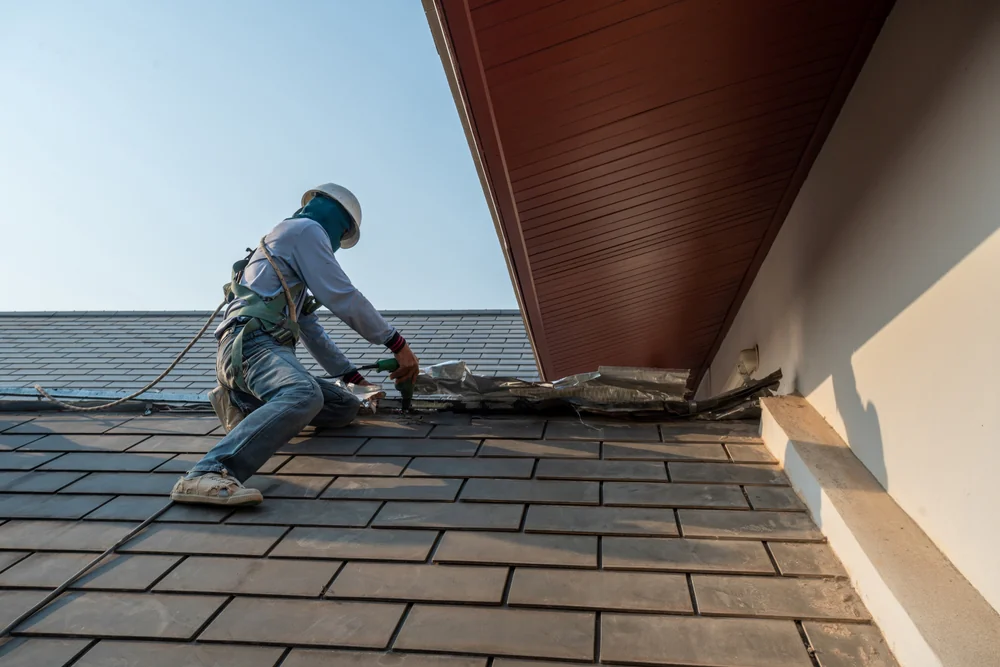
Your roof takes a beating every winter. Heavy snow, ice dams, freeze-thaw cycles that crack shingles and let water seep through. Most homeowners don’t think about their roof until something goes wrong, and by then, you’re looking at interior damage, mold, or worse.
Here’s what changes when your roof is done right. You stop worrying every time a storm rolls in. You’re not calling for emergency repairs when ice builds up along your eaves. Your energy bills drop because your home isn’t bleeding heat through gaps and worn materials.
A solid roof means fewer headaches, lower long-term costs, and real protection for everything inside your home. That’s not marketing talk. That’s what happens when you use quality materials installed by people who know how New Hampshire weather works.
We’ve been handling roofing projects across New Hampshire for over six years. We’re an Owens Corning Preferred Contractor, which means we’ve met their standards for quality work and customer service. That certification isn’t handed out freely.
We work in Hancock because we understand what homes here face. The snow loads, the ice, the temperature swings that wreck inferior materials. We’ve seen what happens when roofs aren’t built to handle it, and we’ve fixed plenty of those mistakes.
You’ll work with the same crew from start to finish. We show up when we say we will, we explain what we’re doing and why, and we’re still around after the job is done if you have questions.
First, we come out to look at your roof. Not a sales pitch, just an honest assessment of what you’re dealing with. We’ll tell you if you need a full replacement or if repairs will handle it. We’ll point out problem areas, explain what’s causing them, and give you options.
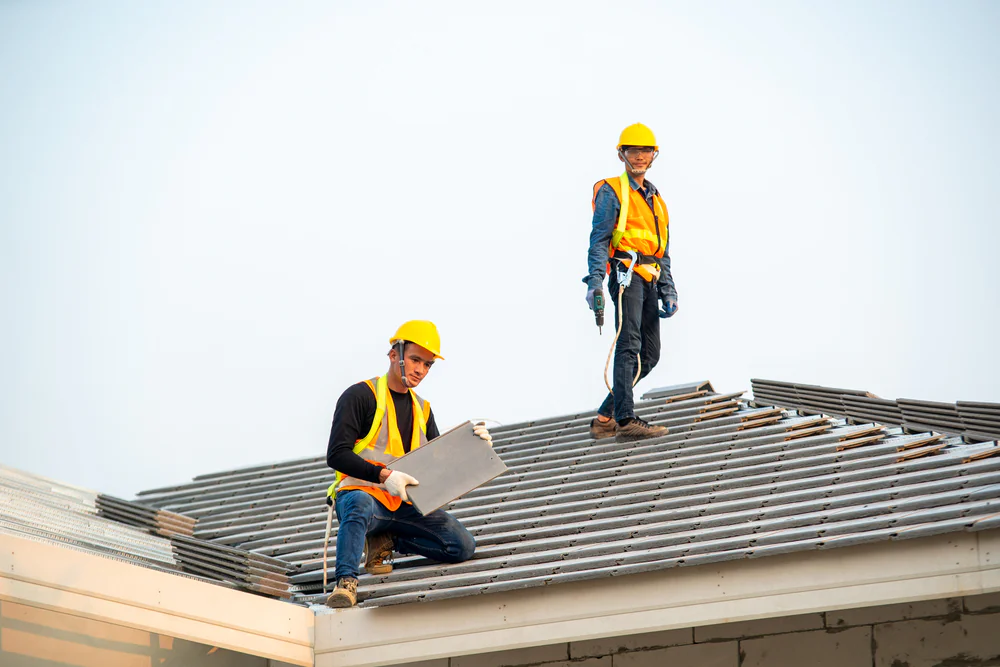
Once you decide to move forward, we schedule the work around your timeline. Our crew shows up on the day we agreed on, and we walk you through what’s happening before we start. We handle permits, we protect your property during the job, and we clean up completely when we’re done.
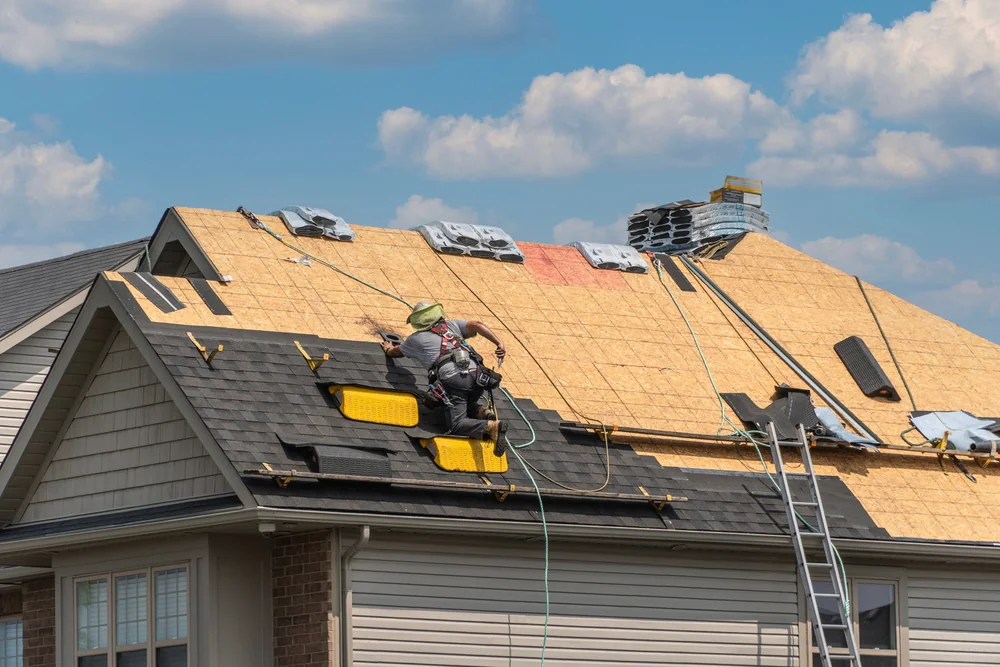
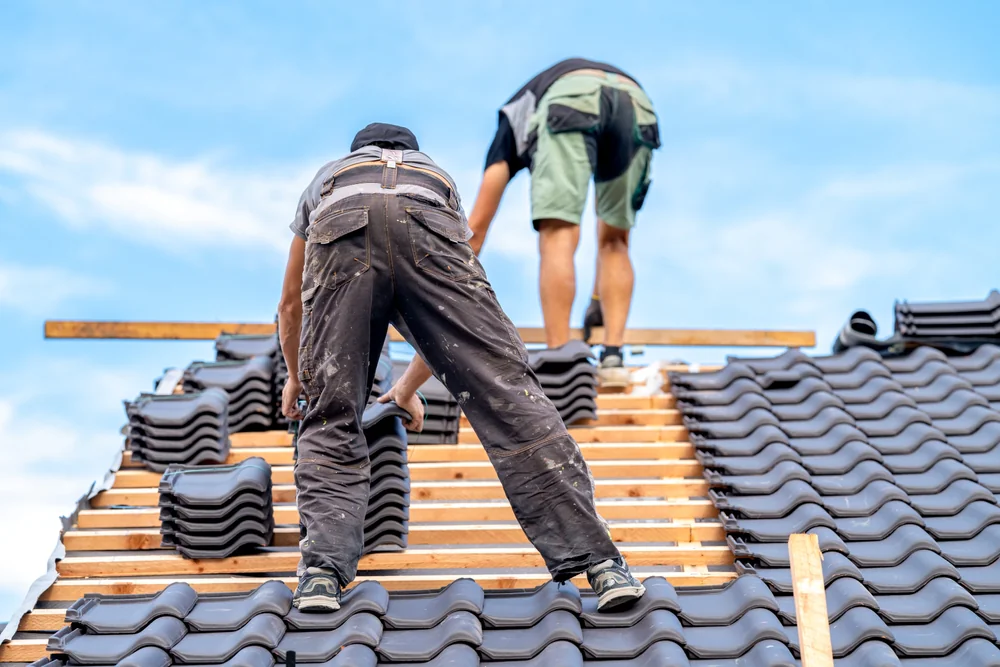
The actual work depends on what your roof needs. Full replacements typically take a few days. We tear off old materials, inspect the decking for damage, make any necessary repairs, then install your new roof using materials rated for New Hampshire’s climate. For repairs, we fix the specific issues without unnecessary upselling.
You get a walkthrough when we finish so you can see the work yourself. Then we provide documentation of materials used, warranty information, and our contact details for anything that comes up later.
Ready to get started?
We handle residential and commercial roofing across Hancock. That includes new installations, full replacements, repairs, and preventive maintenance. If your roof has storm damage, we work directly with insurance companies to document everything properly.
Materials matter in New Hampshire. We use Mule Hide and Owens Corning products because they’re built to handle freeze-thaw cycles, heavy snow loads, and the temperature extremes you get here. These aren’t the cheapest options, but they last longer and perform better when conditions get rough.
Ice dam prevention is part of what we do. Proper ventilation, insulation checks, and strategic installation techniques all reduce the risk of those winter headaches that cause interior damage. We also handle gutter work, chimney flashing, and skylight installation, because your roof is a system, not just shingles.
Hancock homes face specific challenges. The area gets significant snowfall, and older homes weren’t always built with modern ventilation standards. We account for that in every job. You’re not getting a generic approach, you’re getting work that makes sense for where you live.
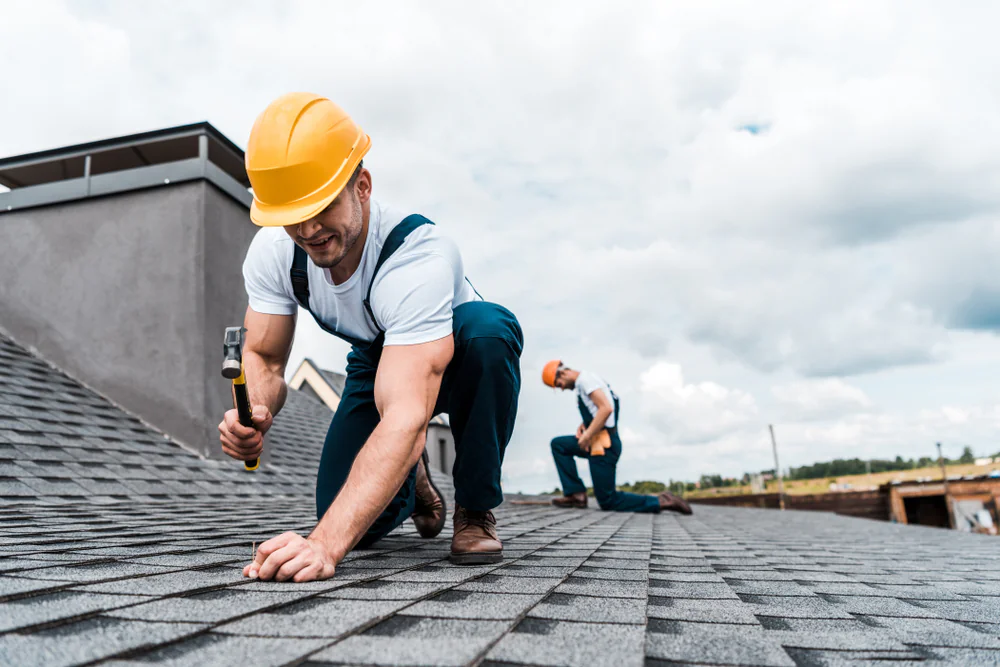
Age is the first indicator. Most asphalt shingle roofs last 20 to 25 years in New Hampshire if they’re installed correctly. If yours is approaching that range, replacement is usually smarter than ongoing repairs.
Beyond age, look for curling or missing shingles, granules collecting in your gutters, or daylight visible through your attic boards. Those are signs the roof is failing. Interior water stains, sagging sections, or visible mold mean water is already getting in.
Sometimes repairs make sense. If damage is localized from a recent storm and the rest of the roof is solid, we can fix just that section. But if we find multiple problem areas or underlying deck damage, replacement becomes the better investment. We’ll tell you honestly which situation you’re in.
Full replacements on average-sized homes typically run between $8,000 and $15,000, depending on roof size, pitch, material choice, and complexity. Steeper roofs cost more because they’re harder to work on safely. Multiple levels, chimneys, and skylights add to the price.
Repairs vary widely. Minor fixes might be a few hundred dollars. Significant repairs addressing structural issues or large damaged sections can run several thousand. We provide detailed estimates before any work starts so you know exactly what you’re paying for.
The cheapest bid isn’t always the best value. Low prices often mean shortcuts, inferior materials, or contractors who won’t be around if something goes wrong. We’re not the most expensive option in the area, but we’re not the cheapest either. You’re paying for quality materials, experienced crews, and a company that stands behind the work.
Most residential roof replacements take two to four days. Single-story homes with straightforward layouts are faster. Two-story homes with complex roof lines, multiple valleys, or extensive flashing work take longer.
Weather affects the timeline. We don’t install roofing in rain or when temperatures drop too low for materials to seal properly. If conditions aren’t right, we pause the work rather than compromise quality. We’ll tarp and secure everything if we need to stop mid-project.
We schedule around your life as much as possible. The work is noisy and there will be trucks and equipment around your property, but we minimize disruption. Most homeowners stay in their homes during the project without major issues. We’ll let you know ahead of time if there’s anything specific you should plan for.
Yes. Ice dams form when heat escapes through your roof, melts snow, and that water refreezes at the eaves where the roof is colder. The ice builds up and forces water under your shingles, leading to leaks and interior damage.
Prevention is better than removal. Proper attic insulation and ventilation keep your roof temperature consistent so snow doesn’t melt unevenly. We assess ventilation during roof inspections and recommend improvements if needed. Installing ice and water shield membrane along eaves adds another layer of protection.
If you already have ice dams causing problems, we can remove them safely without damaging your roof. We don’t use tools that hack at shingles or flashing. Emergency removal is available during winter months when storms hit and you’re dealing with active leaks. The real solution is addressing the root cause so they don’t keep forming every winter.
Yes. We carry full liability insurance and workers’ compensation coverage. That protects you if someone gets injured on your property or if accidental damage occurs during the project. You shouldn’t hire any roofing contractor who can’t provide proof of insurance.
We’re also an Owens Corning Preferred Contractor. That certification requires meeting specific standards for business practices, customer satisfaction, and technical expertise. It’s not automatic, and it gets reviewed regularly. It means we’re qualified to offer extended warranties on Owens Corning products.
We handle all necessary permits for roofing work in Hancock. Building codes exist for good reason, and permitted work protects your home’s value. Some contractors skip permits to save time or avoid inspections. That creates problems when you sell your home or file insurance claims. We do it right from the start.
Asphalt shingles are the most common choice because they balance cost, durability, and performance in cold climates. Architectural shingles hold up better than three-tab shingles and typically come with longer warranties. Look for impact-resistant ratings if you’re in an area that gets hail.
Metal roofing is gaining popularity in New Hampshire. It sheds snow easily, lasts 40 to 50 years, and handles temperature swings without degrading. The upfront cost is higher, but the longevity often makes it worthwhile. It’s especially good for steeper roofs where snow load is a concern.
We use Mule Hide and Owens Corning products because they’re engineered for harsh weather. Cheaper materials might save money initially, but they fail faster under New England conditions. The underlayment, ice and water shield, and ventilation components matter just as much as the shingles themselves. A roof is a complete system, and every part needs to be quality.
Other Services we provide in Hancock