Hear from Our Customers
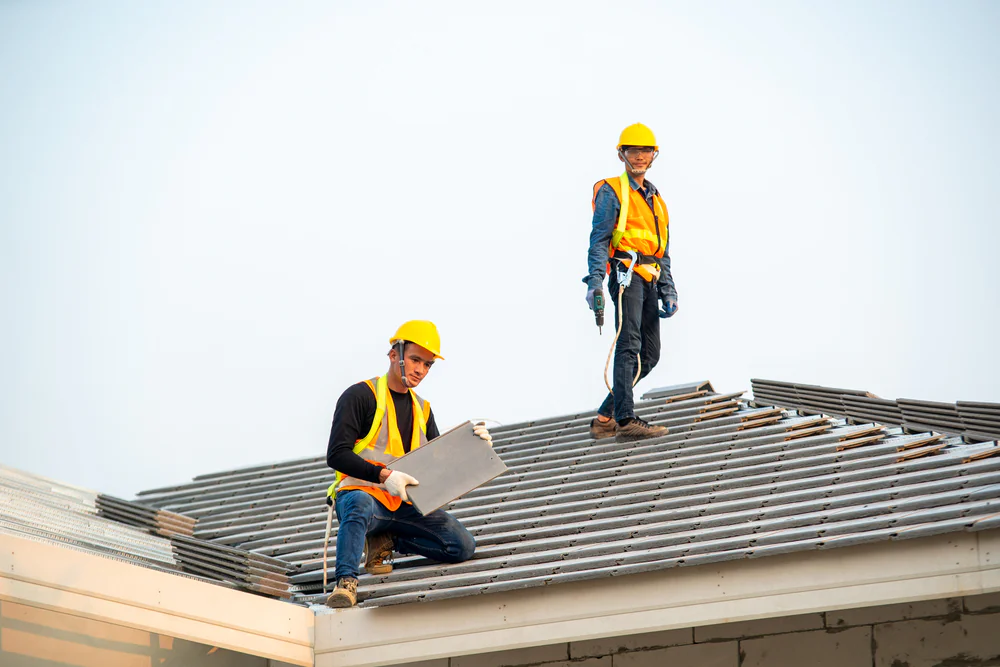
You stop worrying every time it rains. No more buckets in the attic, no more stains spreading across your ceiling, no more wondering if today’s the day a small leak becomes a big problem.
A solid roof means your insulation stays dry, your energy bills stay reasonable, and your home value holds. It means you can sell when you’re ready without scrambling to patch things up first. Most importantly, it means one less thing keeping you up at night.
Hampton homes face unique challenges. The salt air corrodes cheaper materials faster than you’d think. Ice dams form when snow melts and refreezes at the edges. Wind-driven rain finds every weak spot. You need a roof built to handle what’s coming, not just what happened last week.
When the work’s done, you’ll have a roof that sheds snow properly, resists wind up to serious storm levels, and uses materials rated for coastal exposure. That’s not marketing talk—that’s what keeps your home dry for the next two decades.
We’ve been handling roofing projects in Hampton and the surrounding seacoast area for over a decade. We’re an Owens Corning Preferred Contractor, which means we’ve met their standards for quality work and customer service—and we maintain those standards on every job.
Our BuildZoom score puts us in the top 8% of licensed contractors in Massachusetts. We’re fully licensed and insured, and we’ve completed hundreds of residential roofing projects across the seacoast. You’ll work with the same crew from start to finish, and someone’s always available when you have questions.
Hampton’s coastal location creates specific roofing challenges. We’ve replaced roofs on historic homes near the beach and newer builds inland. We know which materials hold up to salt exposure and which ones fail early. That experience matters when you’re making a decision that needs to last 20+ years.
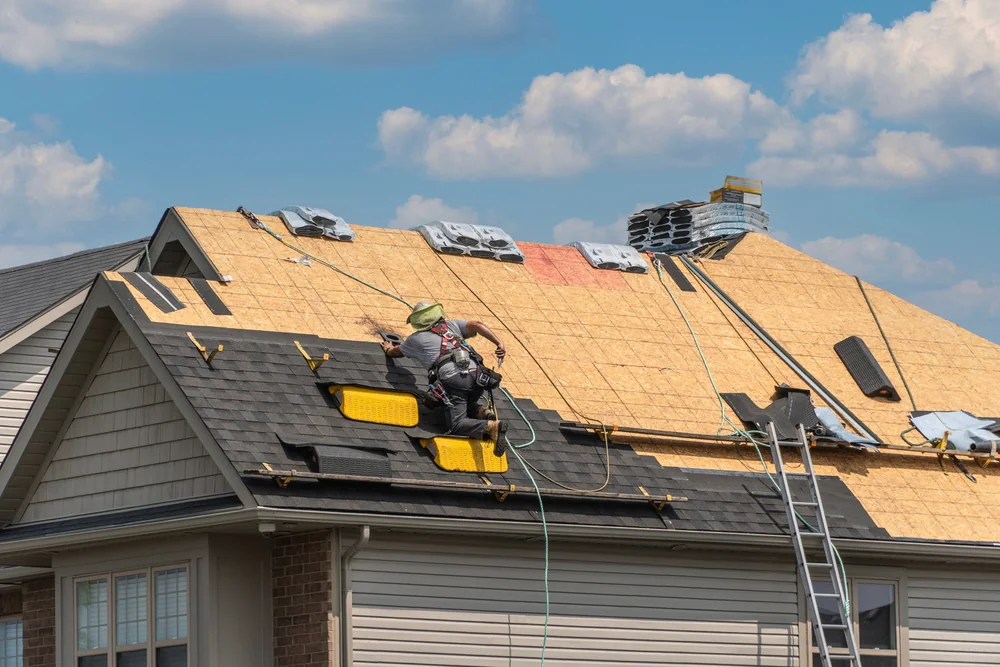
First, we come out and actually look at your roof. Not a satellite image—an actual inspection where we check for storm damage, worn shingles, flashing issues, and anything else that might cause problems. You get a written estimate that breaks down materials and labor. No surprises later.
Once you approve the estimate, we schedule the work around your timeline and order materials. Most residential roof replacements in Hampton take about a week from start to finish, depending on size and weather. We protect your landscaping, set up proper safety equipment, and remove the old roofing down to the deck.
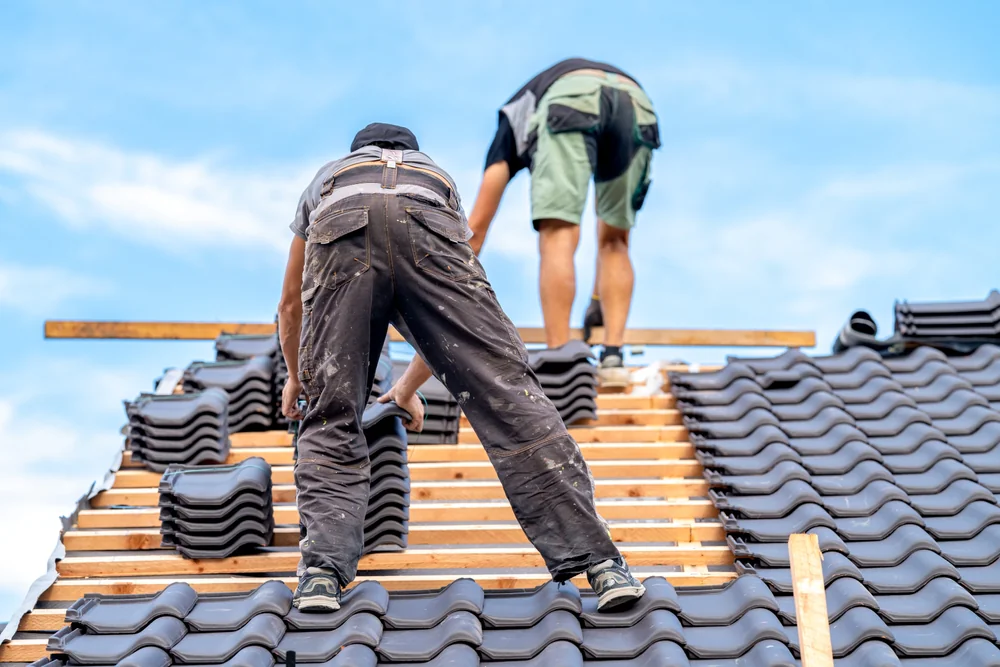
Then we install new underlayment, flashing, and your chosen roofing material. We pay attention to ventilation because that’s what prevents ice dams and extends your roof’s life. Every penetration gets sealed properly. Every valley gets reinforced. When we’re done, we clean up completely—no nails left in your driveway.
You get a final walkthrough where we show you what we did and answer any questions. Then you get warranty information for both our work and the materials. If something comes up later, you call us. That’s it.
Ready to get started?
Every roof replacement includes complete tear-off of old materials, inspection of the roof deck for damage, and repairs to any compromised sheathing. You’re not building on top of problems—you’re fixing them first.
We install high-quality underlayment designed for New England weather, not the minimum code requirement. Flashing gets replaced around chimneys, skylights, and anywhere your roof meets a wall. Ventilation gets evaluated and upgraded if needed, because proper airflow prevents the ice dams that destroy so many Hampton roofs each winter.
For coastal homes, we recommend materials rated for salt air exposure. Aluminum components resist rust better than steel. Architectural shingles with high wind ratings stay put during nor’easters. Class IV impact-resistant options make sense if you’re in a hail-prone area or want to reduce insurance costs.
You’ll also get a thorough cleanup. Magnetic sweeps for nails, debris removal, and a final inspection to make sure everything’s right. Most projects finish in under a week, so you’re not dealing with tarps and disruption for months.
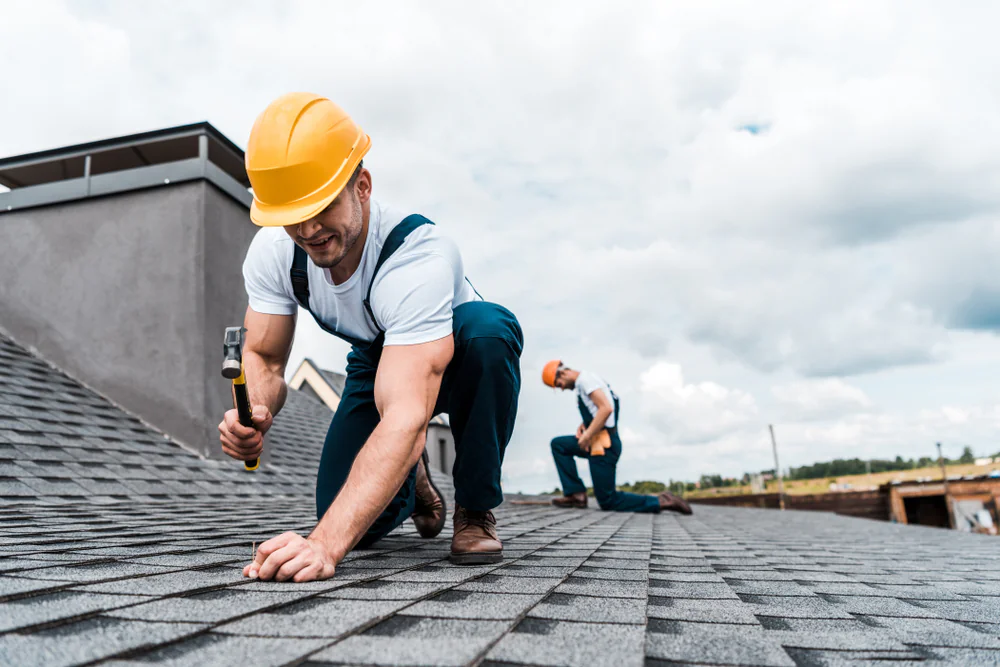
If your roof is over 20 years old, you’re likely looking at replacement rather than repair. Asphalt shingles—the most common roofing material in Hampton—typically last 20 to 25 years before they need to come off. After that point, you’re patching an aging system that will continue developing new problems.
Look for curling or missing shingles, granules collecting in your gutters, or daylight visible through your roof boards from the attic. Those are signs the shingles have reached the end of their useful life. Water stains on your ceilings or in your attic mean water’s already getting through, and that damage spreads quickly once it starts.
Storm damage is different. After a major nor’easter or hail storm, you might have localized damage that’s repairable if the rest of your roof is in good shape. We’ll inspect the entire roof and give you an honest assessment. If 30% or more of your roof is compromised, replacement usually makes more financial sense than extensive repairs.
The coastal environment in Hampton accelerates wear. Salt air corrodes metal components faster, and the freeze-thaw cycles are brutal on any existing weak points. When we inspect your roof, we’re looking at overall condition, not just the obvious problem spots.
Architectural asphalt shingles with high wind ratings are the most popular choice in Hampton, and for good reason. They’re cost-effective, proven to last 20+ years in coastal conditions, and available in styles that match both historic and modern homes. Look for shingles rated for winds up to 130 mph minimum—preferably higher.
Metal roofing is gaining popularity, especially aluminum, because it doesn’t rust in salt air like steel can. Metal roofs last 40+ years, shed snow effectively, and handle high winds extremely well. The upfront cost is higher, but the longevity often makes it worthwhile if you’re planning to stay in your home long-term.
For underlayment and flashing, synthetic materials outperform traditional felt paper in coastal environments. They resist moisture better and don’t deteriorate as quickly. Aluminum flashing beats galvanized steel every time near the ocean—it simply doesn’t corrode the same way.
Whatever material you choose, proper installation matters more than brand names. The best shingles in the world won’t perform if the underlayment is inadequate, the ventilation is wrong, or the flashing isn’t sealed correctly. Hampton’s weather will find every shortcut and exploit it within a few years.
Most residential roof replacements in Hampton run between $8,000 and $18,000, depending on size, pitch, complexity, and materials. A simple ranch with basic architectural shingles costs less than a two-story colonial with multiple valleys, chimneys, and skylights. Steep pitches require more safety equipment and labor, which increases cost.
Material choice makes a significant difference. Standard architectural shingles are the baseline. Upgrade to impact-resistant or designer shingles, and you’ll add $2,000 to $5,000 to the project. Metal roofing typically costs 50% to 100% more than asphalt but lasts twice as long, so the math depends on your timeline.
Beware of quotes that seem unusually low. Roofing has real costs—materials, labor, insurance, disposal fees. If someone’s significantly cheaper than everyone else, they’re either cutting corners on materials, skipping proper prep work, or underinsured. You’ll pay for those shortcuts later, usually when water damage shows up or the roof fails prematurely.
We provide itemized estimates so you can see exactly where your money goes. You’ll know what materials we’re using, what prep work is included, and what the labor covers. No line items like “miscellaneous” or “additional work.” Just clear numbers for a clear scope.
Most residential roof replacements take five to seven days from start to finish. Day one is tear-off and deck inspection. Days two through four are installation—underlayment, flashing, shingles, and ridge vents. The final day or two cover cleanup, final inspection, and any detail work.
Weather can extend that timeline. We don’t install roofing in rain or high winds because it compromises the installation quality and safety. Hampton’s coastal weather can be unpredictable, especially during spring and fall. If we have to pause for a storm, we’ll make sure everything’s properly tarped and secured until conditions improve.
Larger homes or complex roof designs take longer. Multiple dormers, several chimneys, or intricate valley systems require more precision work. Steep pitches slow things down because of safety requirements. We’ll give you a realistic timeline during the estimate based on your specific roof.
You can stay in your home during the work. It’s loud when we’re tearing off old shingles and nailing down new ones, but it’s not unlivable. We work during normal business hours, and we clean up at the end of each day so you’re not navigating a construction zone after we leave.
A properly installed roof with correct ventilation dramatically reduces ice dam formation, but it’s not just about new shingles. Ice dams form when heat escapes through your roof, melts snow, and that meltwater refreezes at the colder eaves. The ice builds up, traps more water, and eventually forces it under your shingles and into your home.
The solution involves three things: proper attic insulation to keep heat inside your home, adequate ventilation to keep your roof deck cold, and quality underlayment at the eaves to protect against water infiltration if dams do form. When we replace your roof, we evaluate all three factors and address problems we find.
Ridge vents combined with soffit vents create airflow that keeps your roof deck at outside temperature. That prevents the melting-refreezing cycle that creates ice dams in the first place. We also install ice and water shield—a self-sealing underlayment—at least six feet up from the eaves to provide backup protection.
Hampton’s coastal location means you get heavy snow combined with temperature fluctuations. That’s the perfect recipe for ice dams. A new roof is your opportunity to fix the underlying issues, not just cover them up with new shingles. Done right, you’ll see a major reduction in ice dam problems and the water damage they cause.
You don’t need to be home for the actual work, but you should be available for the initial inspection and the final walkthrough. During installation, our crew has everything they need and won’t require access to your home’s interior unless we discover deck damage that needs to be assessed from the attic.
We do recommend moving vehicles out of the driveway and away from the house. Debris happens despite our best efforts, and you don’t want roofing nails near your tires. If you have items stored against the house exterior—grills, patio furniture, potted plants—move those too. We’ll work around them if needed, but it’s easier and safer with clear access.
Pets should be kept inside or away from the work area. The noise can be stressful for dogs, and we’ll have crew members, equipment, and materials around your property all day. We’re careful, but a scared dog running into a work zone isn’t safe for anyone.
If you work from home, plan for noise during business hours. Tearing off old shingles and nailing down new ones is loud. If you have important calls or meetings, you might want to work elsewhere for a few days. We’ll give you a schedule so you know which days will be loudest.
Other Services we provide in Hampton