Hear from Our Customers
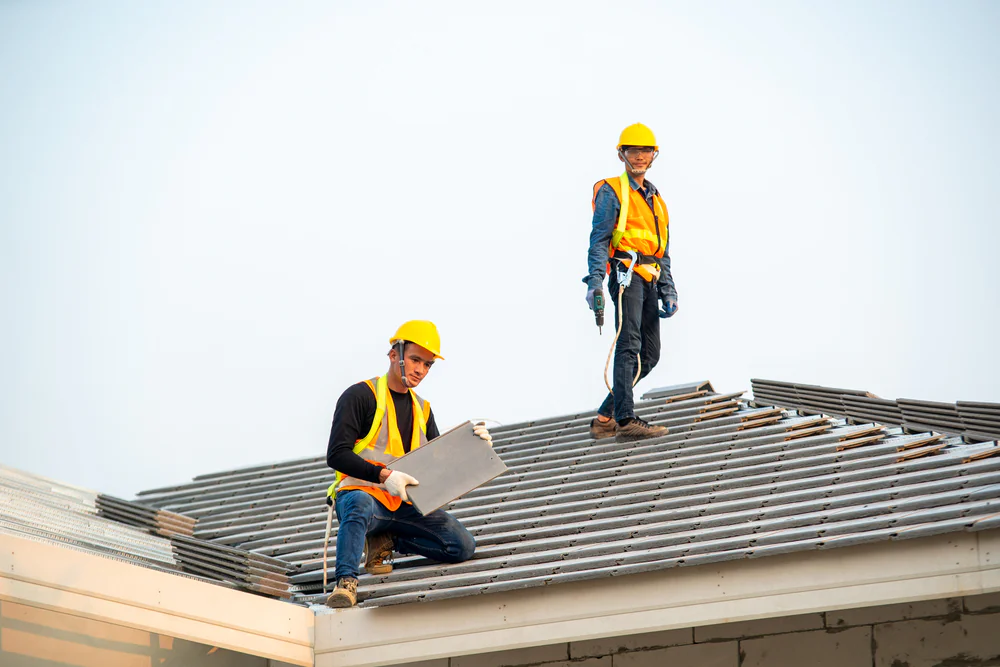
Living this close to the ocean means your roof faces conditions most contractors never deal with. Salt corrodes flashing. Wind rips shingles. Ice dams form faster. And when a Nor’easter rolls through, you find out real quick whether your roof was installed right or just installed fast.
You’re not looking for the cheapest bid. You’re looking for someone who knows how to build a roof that can handle Hampton Beach weather without falling apart in five years. That means proper ventilation to prevent ice dams, corrosion-resistant materials that won’t rust out from salt exposure, and installation techniques that account for coastal wind loads.
When your roof works the way it should, you’re not calling for emergency repairs every time it storms. You’re not dealing with ceiling stains or watching your energy bills climb because heat’s escaping through gaps. You’ve got a system that does its job so you can stop thinking about it.
We handle roofing and exterior work across the Seacoast, and we’ve seen what happens when contractors treat coastal homes like they’re 20 miles inland. It doesn’t work. Hampton Beach properties need roofing systems designed for the environment they’re actually in.
We’re based in Methuen and we’ve been working on homes in this area long enough to know what holds up and what doesn’t. That means understanding how salty air affects different materials, how to prevent the kind of wind damage that happens during coastal storms, and how to install systems that won’t need major repairs every few years.
You’ll work with people who show up on time, explain what’s happening with your roof in plain terms, and don’t disappear after the deposit clears. We’re here when you need emergency storm repairs, and we’re here when it’s time for a full replacement.
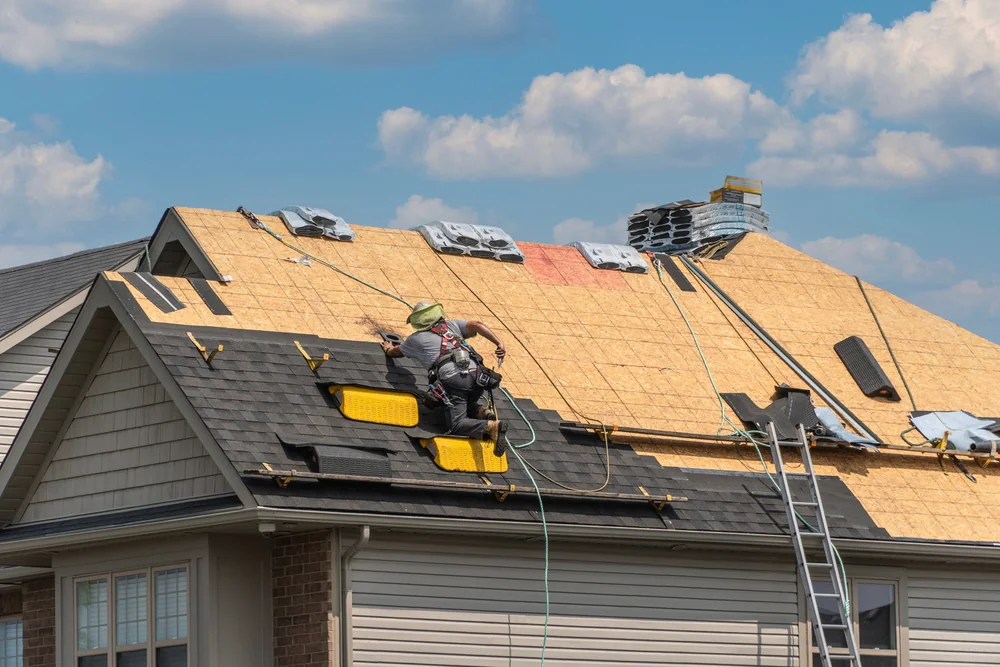
First, we come out and inspect your roof. Not from the ground with binoculars—we get up there and check the actual condition of your shingles, flashing, ventilation, and decking. You get photos of what we find and a straightforward explanation of what needs attention now versus what can wait.
If you’re dealing with storm damage, we’ll document everything for your insurance claim. Most policies require you to file within a year of the damage, and waiting too long means you’re paying out of pocket for repairs that should’ve been covered. We handle the documentation side so your claim actually has a chance.
Once we’re moving forward, we pull permits, order materials that make sense for coastal exposure, and schedule the work. During installation, we’re dealing with proper underlayment, ice and water barriers in vulnerable spots, and ventilation that prevents the moisture buildup that leads to rot and mold. When we’re done, you’ve got a roof that’s built to handle what Hampton Beach throws at it.
The whole process usually takes a few days to a week depending on size and complexity. We clean up completely when we’re finished—no nails in your driveway, no debris in your yard.
Ready to get started?
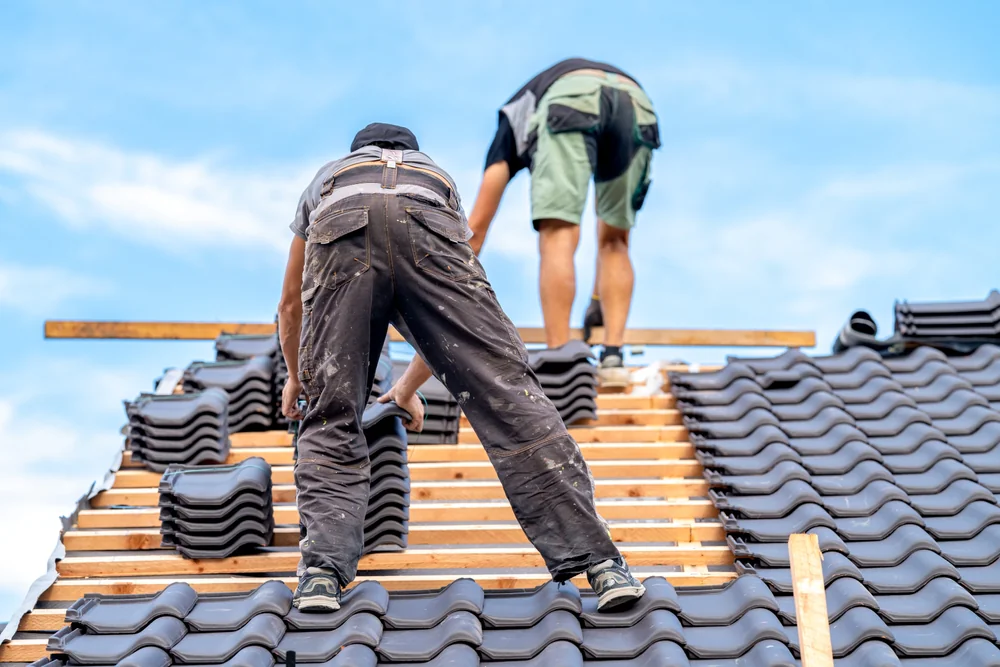
You’re getting roofing services designed around the fact that 92% of Hampton properties face severe flooding risk over the next 30 years, and your roof is your first line of defense against water intrusion. That means materials rated for high wind zones, proper sealing around every penetration, and installation methods that account for the expansion and contraction that happens with temperature swings.
We work with asphalt shingles that can handle New Hampshire weather, metal roofing that lasts 50+ years and reflects heat to keep your home cooler, and TPO systems for flat or low-slope applications. Whatever makes sense for your building and your budget. You’ll also get options for energy-efficient solutions that actually reduce your utility costs, not just marketing claims about “green” products.
If you’re dealing with an older roof, we’re checking the decking and insulation during replacement. A lot of homes around here have hidden rot or inadequate insulation that won’t show up until someone pulls the old shingles. Finding it early means fixing it before it becomes a structural issue.
Every installation includes proper attic ventilation to regulate airflow and prevent ice dams, leak barrier protection in valleys and around chimneys, and warranties that actually mean something. We use GAF and other quality manufacturers, and you get coverage for wind damage and material defects—not the fine-print-only kind of warranty that doesn’t cover anything useful.
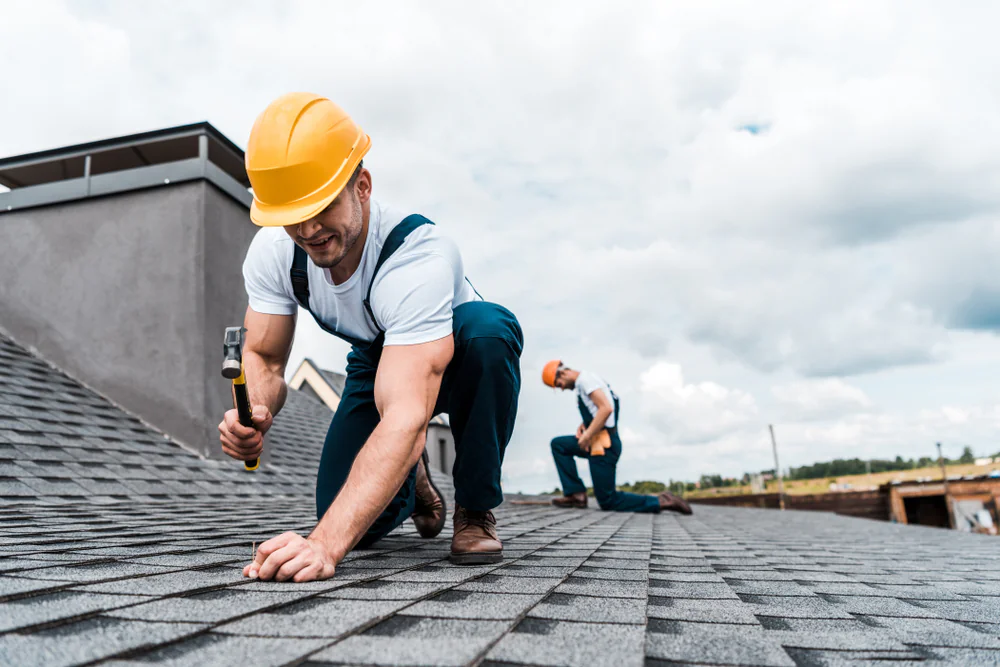
You’re looking for missing or lifted shingles, dents in metal flashing or vents, granules collecting in your gutters, and any new leaks or ceiling stains that showed up after a storm. A lot of damage isn’t visible from the ground, especially hail impact or wind damage that compromised the seal without ripping shingles completely off.
The problem is that minor damage gets worse fast in coastal conditions. A lifted shingle lets water underneath, which soaks the decking and insulation. Within a few weeks, you’ve got rot starting. Within a few months, you might have mold growth in your attic.
If you’ve had any significant storm in the last year, get someone up there to actually inspect it. Most insurance policies give you 12 months to file a claim for storm damage. After that, you’re paying for repairs yourself even if the damage was clearly from a covered event. We document everything with photos and can help you through the claims process if needed.
It depends on your budget and how long you’re planning to stay in the house, but you need something that resists corrosion and can handle high winds. Asphalt shingles are the most common because they’re affordable and perform well if they’re installed correctly with proper wind-rated fastening. You’re looking at 20-30 year lifespan in coastal conditions.
Metal roofing costs more upfront but lasts 50+ years, doesn’t corrode from salt air if it’s coated properly, and holds up better in high winds. It also reflects sunlight, which keeps your home cooler in summer and can lower cooling costs. The downside is higher initial investment and noise during heavy rain if you don’t have adequate insulation.
For flat or low-slope roofs, TPO is a solid choice. It’s heat-welded at the seams so there’s less chance of wind getting underneath, and it handles temperature fluctuations without cracking. Whatever material you choose, the installation matters more than the product itself. Cheap materials installed right will outlast premium materials installed poorly every single time.
For a typical single-family home, you’re looking at $8,000 to $20,000+ depending on size, pitch, material choice, and what we find when we pull the old roof off. Coastal homes often need additional corrosion-resistant flashing and more robust underlayment, which adds to the cost but prevents problems down the road.
Metal roofing runs higher—usually $15,000 to $30,000+ for the same house—but you’re getting a roof that’ll outlast two or three asphalt roofs. When you factor in the longer lifespan and lower maintenance, the cost per year is often comparable. You’re also adding about 56% ROI to your home value with a quality roof replacement, which matters if you’re planning to sell.
If there’s hidden damage to the decking or insulation, that’s additional. We won’t know until we get into it, but we’ll let you know immediately if we find rot or structural issues that need addressing. Most homeowners around here end up replacing their roof within four years of buying, often because the previous owner deferred maintenance or a home inspector missed damage that wasn’t obvious from the ground.
Yes. We document the damage with photos, provide detailed estimates that match what insurance adjusters are looking for, and can walk you through the claims process. Insurance companies paid out over $3.8 billion in hail and storm damage claims last year, but they’re not just handing out checks—you need proper documentation showing the damage was caused by a covered event.
The biggest mistake people make is waiting too long. Most policies require you to file within one year of the storm that caused the damage. If you wait 14 months and then try to claim that wind damage from last winter, you’re out of luck. Even if the damage is obvious and clearly storm-related, the timeline matters.
We’ve worked with most of the major insurance carriers and know what they require for approval. That doesn’t mean every claim gets approved, but proper documentation gives you the best shot. If your claim does get approved, we work directly with the insurance payout to minimize your out-of-pocket costs. The goal is to get your roof fixed right without draining your savings because of a storm you had no control over.
At least once a year, and always after any major storm. Coastal conditions accelerate wear, and small issues turn into expensive problems faster here than they would inland. An annual inspection catches things like loose flashing, early shingle deterioration, or ventilation problems before they cause leaks or structural damage.
If you’ve got an older roof—anything over 15 years—you should be inspecting twice a year, especially before and after winter. Ice dams and freeze-thaw cycles do serious damage, and catching it early means a repair instead of a replacement. Same goes if you’ve had any recent storms with high winds or hail.
We offer free inspections with no pressure to buy anything. We get up on the roof, check the actual condition, take photos of any issues, and give you a straight answer about what needs attention. Sometimes that’s a minor repair. Sometimes it’s planning for a replacement in the next year or two. Either way, you know where you stand instead of guessing and hoping nothing goes wrong.
Ice dams form when heat escapes through your roof and melts snow, which then refreezes at the roof edge where it’s colder. That ice builds up and blocks drainage, forcing water back up under your shingles. Once water gets underneath, it leaks into your home, damages insulation, rots decking, and creates mold growth.
The fix is proper attic ventilation and insulation. If your attic is the same temperature as the outside air, snow doesn’t melt unevenly and you don’t get ice dams. Most older homes around here have inadequate ventilation, and a lot of newer homes have insulation installed incorrectly, blocking airflow. Both cause the same problem.
During a roof replacement, we make sure you’ve got adequate intake vents at the soffits and exhaust vents at the ridge. We also check that insulation isn’t blocking airflow and that your attic space can breathe properly. If you’re getting ice dams every winter, your roof might be fine—the problem is what’s happening underneath it. Fixing the ventilation solves it permanently instead of just scraping ice off your roof every February.
Other Services we provide in Hampton Beach